Table of Contents >> Show >> Hide
- Why This Is the Best Baked Pork Chops Recipe
- Ingredients for Juicy Baked Pork Chops
- Best Cut of Pork for Baked Pork Chops
- How to Make Baked Pork Chops
- How Long to Bake Pork Chops
- What Temperature Should Baked Pork Chops Be?
- Flavor Variations
- Best Side Dishes for Baked Pork Chops
- Storage and Reheating Tips
- Common Mistakes to Avoid
- Frequently Asked Questions
- Experience Notes: What I Learned Making the Best Baked Pork Chops Recipe
- Conclusion
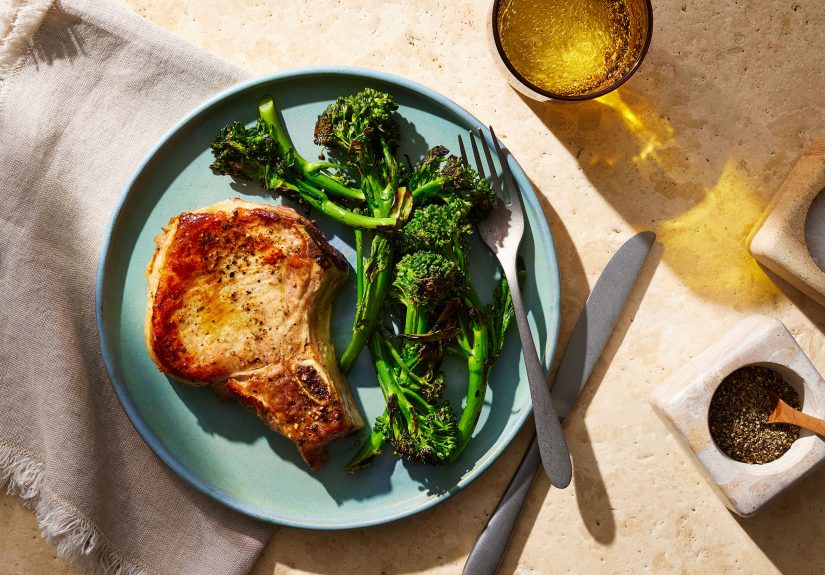
If pork chops had a public relations team, baked pork chops would be the quiet employee doing all the work while fried pork chops get the applause. But let’s be honest: the best baked pork chops recipe can be every bit as juicy, flavorful, and dinner-table-stealing as anything from a skillet. The secret is not complicated. You need the right cut, a bold seasoning blend, a hot oven, and the courage to stop cooking before the pork turns into a kitchen sponge.
This recipe is built for real home cooks: busy weeknights, hungry families, and that one person who opens the oven every three minutes “just to check.” It uses pantry spices, a quick optional brine, and a simple bake-and-rest method that keeps the meat tender. Whether you use bone-in pork chops or boneless pork chops, the goal is the same: golden edges, savory juices, and a center that is moist instead of mysterious.
Why This Is the Best Baked Pork Chops Recipe
The best baked pork chops recipe should do three things well: season the meat all the way through, cook it evenly, and make cleanup less dramatic than a crime scene. This version checks every box. A short brine helps the pork hold moisture, while a smoky-sweet spice rub creates a crust-like finish without breading. A 400°F oven gives enough heat for browning, but not so much that the outside gets bossy before the inside catches up.
The biggest reason pork chops turn dry is overcooking. Pork is leaner than many people expect, especially modern loin chops. That means a few extra minutes can be the difference between juicy dinner and “please pass the gravy, urgently.” For reliable results, use an instant-read thermometer and remove the chops when they reach about 140°F to 145°F, depending on thickness and carryover heat. After resting, they should land at the recommended safe temperature of 145°F.
Ingredients for Juicy Baked Pork Chops
Main Ingredients
- 4 pork chops, 1 to 1 1/4 inches thick, bone-in or boneless
- 2 tablespoons olive oil
- 1 tablespoon brown sugar
- 1 1/2 teaspoons smoked paprika
- 1 teaspoon garlic powder
- 1 teaspoon onion powder
- 1 teaspoon kosher salt
- 1/2 teaspoon black pepper
- 1/2 teaspoon dried thyme or Italian seasoning
- 1/4 teaspoon cayenne pepper, optional
- 1 tablespoon Dijon mustard, optional but highly recommended
Optional Quick Brine
- 4 cups cool water
- 4 tablespoons kosher salt
- 1 tablespoon brown sugar
- 1 bay leaf or 1 smashed garlic clove, optional
The quick brine is not mandatory, but it is the difference between “nice pork chops” and “who taught you to cook like this?” Salt helps season the meat below the surface and improves moisture retention. If you are short on time, even 30 minutes makes a difference. If you are very short on time, skip the brine and season generously. Dinner should not require emotional paperwork.
Best Cut of Pork for Baked Pork Chops
For juicy baked pork chops, thickness matters more than almost anything else. Choose pork chops that are at least 1 inch thick. Thin chops cook quickly, which sounds convenient until they go from tender to tough while you are finding a clean plate. Bone-in pork chops usually have more flavor and are a little more forgiving because the bone helps slow down cooking near the center. Boneless pork chops are lean, easy to slice, and great for fast meals, but they need careful timing.
Bone-In vs. Boneless Pork Chops
Bone-in pork chops are ideal when you want maximum juiciness and a slightly richer flavor. They are perfect for Sunday dinner, company meals, or any night when you want the pork chop to look like it came from a restaurant with cloth napkins. Boneless pork chops are better for quick weeknight cooking and easy portioning. If using boneless chops, check their temperature early because they often finish faster.
Rib Chops, Loin Chops, and Center-Cut Chops
Rib chops tend to be tender and flavorful, with a nice balance of lean meat and fat. Center-cut loin chops are common and affordable, but they can be lean, so they benefit from brining. Avoid very thin breakfast-style chops for this baked pork chops recipe unless you plan to reduce the cooking time dramatically. Thick pork chops are your friend. Thin pork chops are your friend too, but the impatient kind.
How to Make Baked Pork Chops
Step 1: Brine the Pork Chops
In a large bowl, stir together cool water, kosher salt, brown sugar, and any optional aromatics. Add the pork chops, cover, and refrigerate for 30 minutes to 2 hours. Do not brine all day unless you enjoy meat with the texture of a ham-flavored trampoline. After brining, remove the chops, rinse lightly if desired, and pat them very dry with paper towels.
Step 2: Preheat the Oven
Preheat your oven to 400°F. Line a rimmed baking sheet with parchment paper or foil for easier cleanup. If you want deeper browning, place a wire rack on the baking sheet so hot air can circulate around the chops. A baking dish also works, especially if you want to collect juices for spooning over the pork before serving.
Step 3: Make the Seasoning Rub
In a small bowl, combine brown sugar, smoked paprika, garlic powder, onion powder, kosher salt, black pepper, thyme, and cayenne if using. The brown sugar helps with browning, the paprika adds color and smoky warmth, and the garlic-onion duo does what it always does: shows up and improves everything.
Step 4: Season the Pork Chops
Rub the pork chops with olive oil and Dijon mustard. Sprinkle the spice mixture evenly over both sides, pressing it into the surface so it clings. The pork should look boldly seasoned. If it looks shy, add a little more rub.
Step 5: Bake Until Juicy and Tender
Place the pork chops on the prepared baking sheet. Bake at 400°F for 14 to 22 minutes, depending on thickness and whether the chops are bone-in or boneless. Start checking around the 12-minute mark for boneless chops and around 16 minutes for thicker bone-in chops. Use an instant-read thermometer inserted into the thickest part of the meat, avoiding the bone.
Step 6: Rest Before Serving
Transfer the baked pork chops to a plate and let them rest for 5 minutes. This allows the juices to settle back into the meat instead of running across the cutting board like they are late for an appointment. Spoon any pan juices over the top before serving.
How Long to Bake Pork Chops
Cooking time depends on thickness, oven accuracy, and whether the chops are bone-in or boneless. As a general guide, 1-inch boneless pork chops usually take 14 to 18 minutes at 400°F. Bone-in pork chops of the same thickness may take 18 to 22 minutes. Thicker chops can take 22 to 28 minutes. The thermometer is always more trustworthy than the clock because ovens have personalities, and some of them are dramatic.
Baked Pork Chops Time Chart
| Pork Chop Type | Thickness | Oven Temperature | Estimated Time |
|---|---|---|---|
| Boneless pork chops | 1 inch | 400°F | 14 to 18 minutes |
| Bone-in pork chops | 1 inch | 400°F | 18 to 22 minutes |
| Thick-cut pork chops | 1 1/4 to 1 1/2 inches | 400°F | 22 to 28 minutes |
| Thin pork chops | 1/2 inch | 400°F | 7 to 10 minutes |
What Temperature Should Baked Pork Chops Be?
Baked pork chops should reach an internal temperature of 145°F, followed by a rest. A little blush of pink in the center is fine when the pork has reached the proper temperature. The old habit of cooking pork until it is gray all the way through is why many people grew up thinking pork chops were chew toys with seasoning.
For the juiciest results, remove pork chops from the oven when they are around 140°F to 143°F, then let carryover heat finish the job during resting. If you prefer your pork closer to medium, cook to 150°F to 155°F, but know that it will be firmer and less juicy.
Flavor Variations
Honey Garlic Baked Pork Chops
Mix 2 tablespoons honey, 1 tablespoon soy sauce, 1 tablespoon Dijon mustard, and 2 minced garlic cloves. Brush over the chops during the last 5 minutes of baking. This creates a glossy, sweet-savory finish that tastes like a weeknight dinner wearing a nice jacket.
Parmesan Crusted Pork Chops
Combine 1/2 cup panko breadcrumbs, 1/4 cup grated Parmesan, 1 teaspoon Italian seasoning, and 1 tablespoon olive oil. Press the mixture onto the seasoned pork chops before baking. Bake on a wire rack for the crispiest texture.
Maple Mustard Pork Chops
Whisk together 2 tablespoons maple syrup, 1 tablespoon Dijon mustard, 1 teaspoon apple cider vinegar, and a pinch of smoked paprika. Brush over the pork before baking or spoon over the finished chops for a cozy, fall-inspired flavor.
Spicy Cajun Baked Pork Chops
Replace the thyme with Cajun seasoning and increase the cayenne to taste. Serve with rice, roasted okra, or a crisp green salad to balance the heat.
Best Side Dishes for Baked Pork Chops
Baked pork chops are friendly with almost every side dish, which is part of their charm. For a classic comfort-food plate, serve them with mashed potatoes, green beans, and pan juices. For a lighter dinner, pair them with roasted broccoli, apple slaw, or a lemony arugula salad. Pork also loves sweetness, so applesauce, roasted sweet potatoes, caramelized onions, and maple-glazed carrots are excellent choices.
If you want a one-pan meal, add small potato wedges, carrots, or Brussels sprouts to the baking sheet. Cut vegetables small enough to finish in the same time as the pork, or give them a head start in the oven before adding the chops. Nobody wants perfectly cooked pork sitting next to potatoes that crunch like office supplies.
Storage and Reheating Tips
Store leftover baked pork chops in an airtight container in the refrigerator for up to 3 to 4 days. For longer storage, wrap them tightly and freeze for up to 2 months. To reheat, place the chops in a covered baking dish with a splash of broth, water, or apple juice. Warm at 300°F until heated through. Avoid blasting them in the microwave unless speed is the only priority and texture has left the group chat.
Leftover pork chops are also excellent sliced thin for sandwiches, rice bowls, salads, tacos, or breakfast hash. Add a little sauce or dressing to bring back moisture and flavor.
Common Mistakes to Avoid
Skipping the Thermometer
A thermometer is not a fancy extra. It is the tiny referee that keeps dinner fair. Guessing doneness by color or cooking time often leads to overcooked pork.
Using Chops That Are Too Thin
Thin pork chops can work, but they leave very little room for error. For the best baked pork chops, choose cuts at least 1 inch thick.
Forgetting to Pat the Pork Dry
Moisture on the surface prevents browning. After brining, pat the chops dry so the seasoning sticks and the exterior develops better color.
Not Letting the Meat Rest
Cutting into pork chops right away sends the juices onto the plate instead of keeping them in the meat. Resting is not optional; it is the final cooking step.
Frequently Asked Questions
Can I make this baked pork chops recipe without brining?
Yes. The brine improves juiciness, but the recipe still works without it. Season the chops generously and avoid overcooking.
Should I cover pork chops while baking?
Usually, no. Baking uncovered helps the surface brown. If the chops are very thick or seem to be browning too quickly, loosely tent them with foil near the end.
Can I use frozen pork chops?
Thaw pork chops in the refrigerator before baking for the most even cooking. Baking from frozen can lead to overcooked edges and an undercooked center.
Can I sear pork chops before baking?
Absolutely. Searing adds deeper browning and flavor. Brown the chops in an oven-safe skillet for 1 to 2 minutes per side, then transfer the skillet to the oven and bake until they reach the proper internal temperature.
Experience Notes: What I Learned Making the Best Baked Pork Chops Recipe
The first thing experience teaches you about baked pork chops is that pork does not forgive neglect. Chicken thighs will often smile politely through extra oven time, but pork chops are more direct. They tell on you immediately. Leave them in too long, and suddenly dinner requires a steak knife, a motivational speech, and possibly a sauce with emergency credentials.
After making baked pork chops many different ways, the biggest lesson is that thickness changes everything. A thick, bone-in pork chop behaves like a proper dinner guest. It takes its time, stays juicy, and gives you a wider window for success. A thin boneless chop, on the other hand, is like a toddler near a mud puddle: things can go wrong very quickly. For everyday cooking, I like pork chops around 1 inch thick because they cook fast enough for a weeknight but still have enough body to stay tender.
The second lesson is that seasoning needs confidence. Pork has a mild flavor, which means it welcomes bold spices. Smoked paprika, garlic powder, onion powder, black pepper, and a little brown sugar create a balanced crust that tastes savory, smoky, and just slightly sweet. The brown sugar is not there to make the pork taste like dessert. It helps with browning and rounds out the salt and spice. Dijon mustard is another quiet hero. It adds tang, helps the seasoning cling, and gives the finished pork chop a more layered flavor.
The third lesson is that brining is worth it when you have time, but it should not become a culinary guilt trip. A 30-minute brine can noticeably improve the texture of pork chops, especially lean boneless ones. Still, I have made excellent baked pork chops without brining by seasoning well, using oil, and checking the temperature early. The real villain is not skipping the brine. The real villain is overcooking.
That brings us to the thermometer. If there is one tool that changes pork chop cooking forever, it is an instant-read thermometer. It removes the guesswork and the old habit of cutting into the meat to peek inside. Once you start checking temperature, you realize how quickly pork chops finish. Many home cooks accidentally overcook them because they expect the timing to be longer. The oven says, “Just five more minutes,” and the pork chop says, “I have become leather.”
I have also learned that resting matters more than people want to admit. It is tempting to serve pork chops immediately because they smell fantastic and everyone is hovering near the kitchen like dinner detectives. But a short rest gives the juices time to redistribute. The result is cleaner slicing, better texture, and more flavor in every bite. Five minutes is enough to make a difference.
Finally, the best baked pork chops recipe is flexible. It can be cozy with mashed potatoes, bright with apple slaw, elegant with roasted asparagus, or casual with rice and a drizzle of pan juices. Once you understand the basicsthick chops, good seasoning, accurate temperature, and restingyou can change the flavors endlessly. That is what makes this recipe a keeper. It is simple enough for Tuesday, good enough for guests, and forgiving enough that you do not need a culinary degree or a dramatic apron.
Conclusion
The best baked pork chops recipe is not about complicated tricks. It is about respecting a lean cut of meat and giving it what it needs: seasoning, moisture, heat, and a proper rest. Choose thick pork chops, use a quick brine if time allows, season boldly, bake at 400°F, and trust your thermometer more than the timer. The result is juicy baked pork chops with golden edges, savory flavor, and enough comfort-food energy to make a normal weeknight feel like a small victory.