Table of Contents >> Show >> Hide
- Why Vessel Sinks Make a Bathroom Feel Instantly Upgraded
- The First Rule: Design the Sink, Vanity, and Faucet Together
- Choosing the Best Vessel Sink Material
- Bathroom Vanity Ideas for Vessel Sinks
- Countertops That Work Well With Vessel Sinks
- How to Reduce Splashing With a Vessel Sink
- Lighting and Mirrors: The Secret Sauce of a Beautiful Bathroom Reno
- Tile, Color, and Style Pairings That Look Expensive
- Storage Planning: Because Real Bathrooms Have Stuff
- Ventilation and Waterproofing Still Matter
- Installation Tips for Vessel Sinks
- Best Places to Use Vessel Sinks
- Common Mistakes to Avoid
- Budgeting for a Bathroom Reno With Vessel Sinks
- Beautiful Design Examples
- Experience-Based Tips for a Better Vessel Sink Renovation
- Conclusion
A beautiful bathroom renovation with vessel sinks can make a room feel less like “where the towels live” and more like a tiny boutique hotel you accidentally own. Vessel sinks sit above the countertop like sculptural bowls, instantly giving the vanity area a designer focal point. They can be sleek, rustic, spa-like, dramatic, minimalist, or charmingly old-world depending on the material, faucet, vanity, and lighting you pair with them.
But here is the part the glossy photos do not always mention: a vessel sink is not just a pretty bowl. It changes counter height, faucet placement, cleaning habits, splash control, storage planning, and the way people actually use the bathroom every day. In other words, it is both a style choice and a small engineering project wearing a very nice outfit.
This guide walks through how to plan a beautiful bathroom reno with vessel sinks, from choosing the right basin to avoiding common remodel mistakes. Whether you are updating a powder room, refreshing a guest bath, or giving your primary bathroom a full “please bring me a robe and cucumber water” transformation, the goal is the same: a space that looks gorgeous and works without daily drama.
Why Vessel Sinks Make a Bathroom Feel Instantly Upgraded
Vessel sinks are popular because they create visual impact without requiring the entire bathroom to become a construction zone. Since the bowl sits on top of the vanity, it adds height, shape, texture, and personality. A simple white ceramic vessel sink can make a compact powder room feel polished, while a stone, glass, or concrete vessel sink can turn the vanity into the room’s main design feature.
The biggest design advantage is flexibility. Vessel bathroom sinks come in round, oval, square, rectangular, fluted, hammered, matte, glossy, transparent, patterned, and natural finishes. That gives homeowners room to match almost any renovation style. A farmhouse bathroom might look great with a white ceramic bowl on a warm wood vanity. A modern bathroom might call for a thin-edged rectangular vessel sink with a matte black faucet. A spa-inspired bathroom could use a smooth stone-look basin, soft lighting, and pale tile.
Another reason vessel sinks work well in renovations is that they can make a vanity look custom. Even a simple cabinet can feel more expensive when topped with the right countertop, faucet, mirror, and basin. That does not mean every bathroom needs one. It means when a vessel sink is planned correctly, it can deliver a big style payoff.
The First Rule: Design the Sink, Vanity, and Faucet Together
The most common mistake with vessel sinks is treating the basin like an accessory instead of part of a system. The sink, vanity, countertop, faucet, drain, mirror, backsplash, and lighting all need to work together. If one piece is chosen without the others, problems show up quickly: water splashes everywhere, the faucet lands awkwardly, the countertop feels too high, or the mirror suddenly looks like it belongs to a different bathroom.
Think About Finished Height
A standard bathroom vanity is often around comfort height, but a vessel sink adds several inches above the counter. That means the vanity itself may need to be lower than usual so the top rim of the bowl is comfortable for daily use. This matters especially in bathrooms used by children, shorter adults, older family members, or anyone who does not want to feel like they are washing hands in a birdbath on a pedestal.
Before buying anything, measure from the floor to the ideal sink rim height. Then subtract the vessel sink height. The number left is the approximate countertop height you should consider. For example, if the desired finished rim height is about 34 inches and the sink is 5 inches tall, a 29-inch vanity may feel more comfortable than a 34-inch vanity. Always check product specifications and, when possible, test the height with a cardboard box or stacked books. It may look silly, but so does brushing your teeth on tiptoe.
Match the Faucet to the Bowl
Vessel sinks usually need either a tall deck-mounted faucet or a wall-mounted faucet. The faucet should reach far enough into the bowl so water lands near the drain, not on the inner wall of the basin or the countertop. It should also be tall enough to clear the sink rim without creating an aggressive waterfall moment every time someone washes their hands.
Wall-mounted faucets look elegant and keep the countertop clear, but they require more precise plumbing planning. Deck-mounted vessel faucets are easier for many remodels, especially when the existing plumbing is staying in the vanity area. Either way, the spout height, spout reach, bowl depth, drain location, and water pressure all matter. This is where “close enough” can become “why is the floor wet again?”
Choosing the Best Vessel Sink Material
The right vessel sink material depends on your bathroom style, maintenance tolerance, budget, and household habits. A powder room used by guests can handle a more delicate statement sink. A busy family bathroom needs a basin that forgives toothpaste, splashes, and the occasional mysterious glob of hair gel.
Ceramic and Porcelain Vessel Sinks
Ceramic and porcelain are classic choices because they are durable, easy to clean, and familiar. They work beautifully in modern, traditional, farmhouse, coastal, and transitional bathrooms. A white porcelain vessel sink can brighten a small room and pair nicely with almost any countertop. It is also usually easier to maintain than porous natural materials.
Glass Vessel Sinks
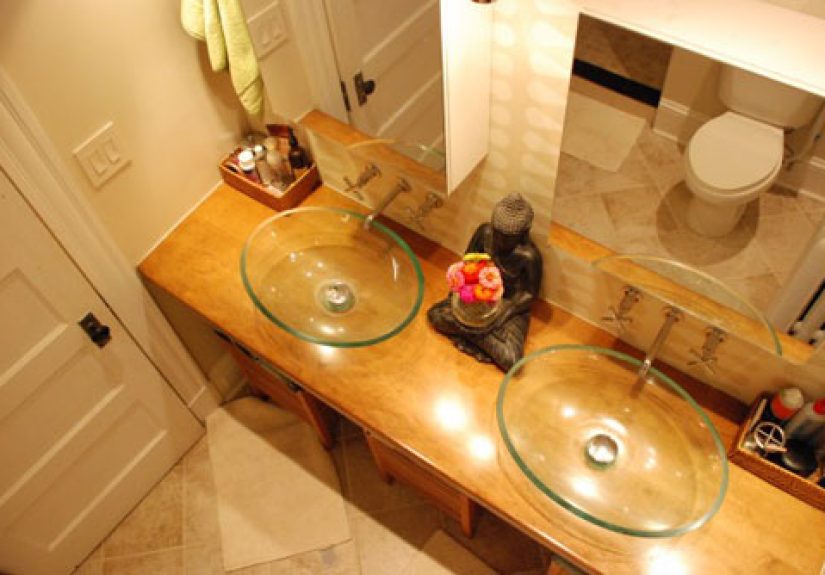
Glass vessel sinks can look airy and artistic, especially in contemporary bathrooms. Clear glass creates a light visual footprint, while frosted or colored glass adds personality. The tradeoff is maintenance. Water spots, fingerprints, soap residue, and mineral deposits can show quickly, especially in homes with hard water. If you love glass, plan for frequent wiping and a faucet finish that complements the sparkle rather than competing with it.
Stone Vessel Sinks
Natural stone vessel sinks bring texture, warmth, and a one-of-a-kind look. Marble, granite, travertine, and river stone basins can make a bathroom feel grounded and luxurious. However, natural stone can be porous and may require sealing. It also tends to be heavier, so the vanity and countertop must support the weight. Stone is gorgeous, but it is not the “set it and forget it” option unless you enjoy learning the emotional range of sealants.
Concrete, Metal, and Specialty Finishes
Concrete vessel sinks suit industrial, modern, and organic bathroom designs. Metal sinks, such as copper or hammered finishes, can add warmth and handcrafted character. These materials often develop patina or require specific cleaning routines. Read care instructions carefully before falling in love. A sink can be beautiful and still have the personality of a houseplant that needs filtered water and compliments.
Bathroom Vanity Ideas for Vessel Sinks
The vanity is the stage, and the vessel sink is the performer. Choose the wrong stage and even a beautiful sink can look awkward. Choose the right one and the whole bathroom renovation feels intentional.
Floating Vanities
A floating vanity can make a bathroom feel open and modern. It works especially well with a vessel sink because the vanity height can often be customized more easily than with a stock cabinet. The open floor space also helps smaller bathrooms feel larger. The downside is storage. Floating vanities may offer less drawer depth, and installation needs strong wall support. If your bathroom stores everything from extra shampoo to emergency cleaning supplies, be honest about how much storage you need.
Furniture-Style Vanities
Furniture-style vanities pair beautifully with vessel sinks because they create a custom, collected look. A wood vanity with legs can soften the hard surfaces in a bathroom and make the room feel warmer. This approach works well in farmhouse, vintage, cottage, and transitional renovations. Make sure the top is water-resistant and properly sealed, especially if you are converting an older piece of furniture.
Double Vanities With Vessel Sinks
Two vessel sinks can look stunning in a primary bathroom. Symmetry is your friend here. Matching sinks, faucets, mirrors, and sconces create a balanced look. However, double vessel sinks need enough counter space between and around the bowls. If the vanity is too narrow, the setup may look glamorous in photos but feel cramped during real morning routines.
Countertops That Work Well With Vessel Sinks
Because vessel sinks sit on the counter, the countertop becomes more visible than it would with an undermount sink. That makes material choice important. Quartz is a popular bathroom countertop option because it is durable, low-maintenance, and available in many patterns. Granite can work well when properly sealed. Solid surface materials offer a clean look and practical performance. Wood can be beautiful, but it needs serious water protection.
For a beautiful bathroom reno with vessel sinks, choose a countertop that contrasts or complements the basin. A white sink on a warm wood or marble-look counter feels fresh and timeless. A dark stone sink on a light quartz counter feels dramatic. A patterned vessel sink usually looks best with a quieter countertop so the vanity does not turn into a design argument.
How to Reduce Splashing With a Vessel Sink
Splashing is one of the main complaints about vessel sinks, but it is often caused by poor pairing rather than the sink itself. A shallow bowl with a high-pressure faucet can send water outward. A faucet that is too tall or too far from the drain can create bounce. A wide, flat basin may look sleek but behave like a tiny splash pad.
To reduce splashing, choose a sink with enough depth for normal handwashing. Aim the faucet so water lands near the drain. Consider an aerated faucet stream rather than a forceful one. Keep the water pressure comfortable, not theatrical. In a family bathroom, a deeper ceramic or porcelain vessel sink is usually more practical than a very shallow decorative basin.
Lighting and Mirrors: The Secret Sauce of a Beautiful Bathroom Reno
A vessel sink draws attention to the vanity wall, so lighting and mirrors matter. A round mirror above a round vessel sink creates softness and balance. A rectangular mirror above a rectangular basin feels clean and architectural. For double vanities, two mirrors can create personal zones, while one large mirror can make the room feel wider.
Layered lighting is best. Overhead lighting helps with general brightness, but sconces near the mirror reduce shadows on the face. This matters for shaving, skincare, makeup, and checking whether your hair is making independent decisions. Warm, flattering light can make the bathroom feel calm, while overly harsh bulbs can make even a luxury renovation feel like a dressing room at a discount store.
Tile, Color, and Style Pairings That Look Expensive
Vessel sinks work with many bathroom styles, but the surrounding finishes should support the look. For a spa-inspired design, pair a white or stone-look vessel sink with pale tile, brushed nickel or warm brass fixtures, natural wood, and soft towels. For a modern design, try a matte white basin, black faucet, floating vanity, and large-format tile. For a traditional renovation, use a porcelain vessel sink with a furniture-style vanity, framed mirror, and classic wall sconces.
Color also plays a major role. White, cream, greige, soft gray, sage, navy, charcoal, and warm wood tones all pair well with vessel sinks. If the sink itself is bold, keep the walls and countertop calmer. If the sink is simple, you can add personality through tile, wallpaper, hardware, or lighting.
Storage Planning: Because Real Bathrooms Have Stuff
A vessel sink can reduce usable counter space because the bowl occupies part of the surface. This is not a problem in a powder room where the main supplies are soap and a towel. It can become a problem in a primary bathroom where the counter is expected to hold toothbrushes, skincare, hair tools, contact lens solution, and at least one item nobody admits owning.
Plan storage before the renovation begins. Use drawers instead of only cabinet doors when possible. Add a recessed medicine cabinet for small daily items. Include niches or shelves away from splash zones. Use trays to organize the countertop. If the vanity is narrow, choose a smaller vessel sink or an offset sink placement to preserve usable space.
Ventilation and Waterproofing Still Matter
A beautiful bathroom renovation is not only about what people see. Bathrooms are wet rooms, and moisture can damage paint, cabinetry, grout, drywall, and flooring. Good ventilation helps prevent mold, mildew, peeling paint, and that unpleasant damp smell that makes guests suddenly remember they left something in the car.
Install a properly sized exhaust fan that vents outside, not into an attic. Use bathroom-rated paint. Seal countertop penetrations around the faucet and drain. Caulk carefully where the sink meets the counter. If the remodel includes a shower or tub area, waterproofing should be handled with extra care. A vessel sink may be the star of the vanity, but waterproofing is the quiet crew member keeping the show from collapsing.
Installation Tips for Vessel Sinks
Some experienced DIY homeowners can install a vessel sink, especially when replacing an existing vanity without moving plumbing. However, professional help is wise if the project involves wall-mounted faucets, new plumbing locations, stone countertops, electrical changes, or custom cabinetry.
Before installation, dry-fit the sink, faucet, drain, and countertop. Confirm the faucet has enough clearance from the backsplash and mirror. Check that the drain aligns with the vanity plumbing. Use the correct mounting ring if the sink requires one. Avoid overtightening the drain, because too much force can damage the basin. Seal the base properly to prevent water from creeping underneath the bowl.
Also consider access. A stunning vanity that makes plumbing impossible to reach will not feel so stunning when a simple repair turns into a cabinet-removal ceremony. Leave room for future maintenance wherever possible.
Best Places to Use Vessel Sinks
Vessel sinks are especially successful in powder rooms, guest bathrooms, and design-forward spaces where style is a major priority. A powder room is often the perfect place to be bold because it is small, visible to guests, and not used for heavy daily grooming. A dramatic sink can make the whole room feel special without remodeling every inch.
In primary bathrooms, vessel sinks can work beautifully when comfort, counter space, and cleaning are carefully planned. In children’s bathrooms, they may be less practical unless the vanity height is lowered or the users are older. For aging-in-place bathrooms or accessibility-focused remodels, consider whether a vessel sink provides the reach, clearance, and comfort needed for long-term use.
Common Mistakes to Avoid
The first mistake is choosing a sink only because it looks good online. Photos rarely show splashing, cleaning, faucet reach, or whether the rim height feels comfortable. The second mistake is buying a vanity before knowing the sink height. The third is forgetting that a vessel sink needs a compatible drain, faucet, and countertop hole placement.
Another common mistake is choosing materials that do not match the household’s lifestyle. A high-maintenance glass or stone sink may be fine in a lightly used guest bath but frustrating in a busy family bathroom. Finally, do not ignore cleaning. The outside of the vessel sink and the area where it meets the countertop need regular attention. Beauty is wonderful, but soap scum has never respected good design.
Budgeting for a Bathroom Reno With Vessel Sinks
The cost of a bathroom renovation with vessel sinks can vary widely depending on the size of the room, materials, labor, plumbing changes, tile work, fixtures, and vanity selection. A simple vanity and sink swap costs far less than a full renovation involving new flooring, lighting, shower tile, ventilation, and plumbing relocation.
To control the budget, keep plumbing in the same general location when possible. Spend on the items people touch and use daily: faucet, sink, vanity hardware, lighting, and countertop. Save by choosing classic tile, refinishing where appropriate, and avoiding unnecessary layout changes. A beautiful bathroom does not have to be the most expensive bathroom. It just needs to look intentional and function well.
Beautiful Design Examples
Modern Spa Bathroom
Picture a floating oak vanity, a white oval vessel sink, a brushed brass faucet, a frameless round mirror, and large-format warm gray tile. Add soft sconces, rolled towels, and a small vase of greenery. The result is peaceful, simple, and elegant without trying too hard.
Bold Powder Room
Use a dark painted vanity, a patterned ceramic vessel sink, a wall-mounted faucet, and dramatic wallpaper. Because the room is small, the statement feels charming instead of overwhelming. Guests will remember it, hopefully for the right reasons.
Rustic-Organic Bathroom
Pair a stone-look vessel sink with a reclaimed wood vanity, matte black fixtures, textured tile, and warm lighting. Keep accessories minimal so the natural materials can shine. This look works especially well when balanced with clean lines to avoid feeling too heavy.
Experience-Based Tips for a Better Vessel Sink Renovation
After looking at many bathroom renovation projects, one lesson becomes clear: the most successful vessel sink bathrooms are not the ones with the fanciest basin. They are the ones where every detail has been tested against real life. A vessel sink should look beautiful at 8 p.m. when the bathroom is clean and the candles are out, but it should also work at 7 a.m. when someone is late, brushing their teeth, and wondering why socks disappear in the laundry.
One practical experience is to mock up the sink height before finalizing the vanity. Homeowners often underestimate how much height a vessel sink adds. A sink that looks elegant in a showroom can feel too tall once installed on a standard vanity. Creating a quick mockup with boxes, a mixing bowl, or painter’s tape can prevent an expensive mistake. It is not glamorous, but neither is replacing a brand-new vanity because everyone in the house feels like they need a step ladder.
Another useful lesson is to prioritize easy cleaning around the base of the sink. The small seam where the bowl meets the countertop can collect water, dust, and soap residue. Choosing a sink shape with a stable base and leaving enough counter space around it makes cleaning much easier. If the basin is pushed too close to the wall or backsplash, wiping behind it becomes an Olympic event for people with very tiny hands.
Faucet testing is also worth the effort. A faucet that looks perfect may not work perfectly with every bowl. The water stream should fall naturally toward the drain. If it hits the side of the sink, splashing increases. If the spout is too short, users may bump their hands against the basin. If it is too tall with strong pressure, the sink may behave like it is auditioning for a fountain role in a hotel lobby.
Storage is another real-world issue. Vessel sinks are often chosen for style, but bathrooms still need storage for everyday items. In powder rooms, this may not matter much. In full bathrooms, drawers, medicine cabinets, recessed shelves, and organizers make a huge difference. A beautiful vanity with no storage may look calm for one week, right before the countertop becomes a small village of bottles and tubes.
Lighting can completely change the final result. Vessel sinks cast shadows differently than undermount sinks, especially when paired with tall faucets and raised bowls. Side sconces or balanced mirror lighting help the vanity feel polished and practical. Good lighting also highlights the texture of stone, the shine of ceramic, or the clean shape of a modern basin.
Finally, the best vessel sink renovations balance drama with restraint. Let one or two elements be the star. If the sink is bold, keep the countertop simple. If the wallpaper is dramatic, choose a quieter basin. If the faucet is sculptural, avoid competing hardware. A bathroom renovation should feel layered, not loud. The vessel sink can absolutely be the jewelry of the room, but even jewelry looks better when it is not fighting the entire outfit.
Conclusion
A beautiful bathroom reno with vessel sinks can transform an ordinary vanity into a memorable design feature. The key is planning beyond appearance. Choose the right sink height, match the faucet carefully, select durable materials, protect the countertop, plan storage, and make cleaning realistic. Vessel sinks are not perfect for every bathroom, but when used thoughtfully, they add character, elegance, and a custom feel that can make the whole space shine.
In the end, the best bathroom is not just the one that photographs well. It is the one that feels good to use every day. With the right vessel sink, smart layout, flattering lighting, and practical finishes, your bathroom can become beautiful, functional, and just fancy enough to make handwashing feel like a lifestyle upgrade.