Table of Contents >> Show >> Hide
- What Bay Alarm Medical Offers
- Bay Alarm Medical Plans at a Glance
- Where Bay Alarm Medical Shines
- Where Bay Alarm Medical Falls Short
- Who Bay Alarm Medical Is Best For
- Who Should Probably Look Elsewhere
- Bay Alarm Medical vs. Other Big-Name Options
- Final Verdict
- Experiences Related to Bay Alarm Medical Review: Who It’s Best For
- SEO Tags
Shopping for a medical alert system is a little like shopping for a mattress: everybody promises peace of mind, every option starts to blur together, and somehow the fine print always shows up wearing camouflage. Bay Alarm Medical stands out because it keeps things relatively simple. The company offers in-home systems, mobile GPS devices, and a smartwatch-style option, all backed by 24/7 professional monitoring. On paper, that sounds great. In real life, the question is more specific: who is Bay Alarm Medical actually best for?
This Bay Alarm Medical review takes a close look at pricing, equipment, ease of use, caregiver features, fall detection, and overall value. The short version? Bay Alarm Medical is one of the better choices for older adults who want dependable protection without signing up for a sky-high monthly bill or a long-term contract that feels like a gym membership from 2009. It is not the flashiest option in the category, but for many households, that is exactly the point.
What Bay Alarm Medical Offers
Bay Alarm Medical has built its reputation around variety and affordability. Instead of forcing every user into one “best” device, it gives shoppers a few different lanes to choose from. That matters because the needs of an 82-year-old who rarely leaves home are very different from the needs of a 68-year-old caregiver-resistant grandpa who still insists on mowing his own lawn and “just running a quick errand” that somehow lasts four hours.
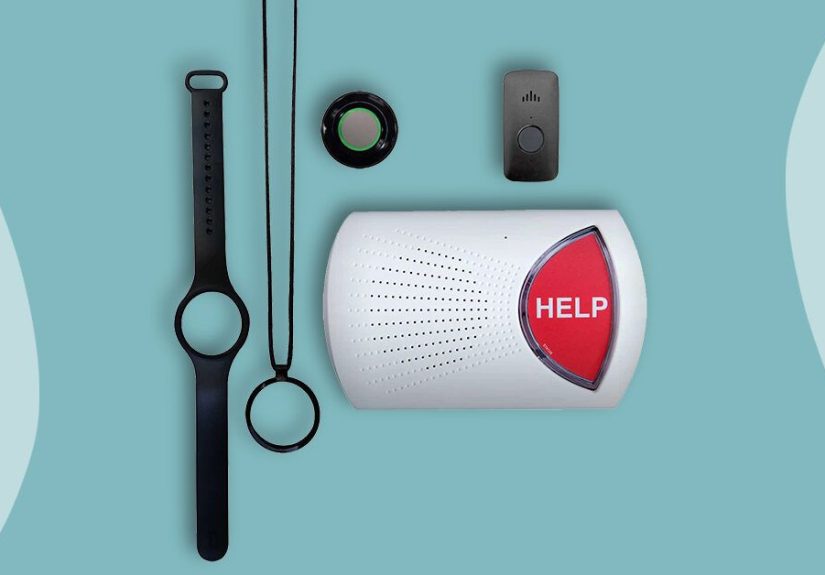
The company’s lineup includes the in-home SOS Home, the lightweight mobile SOS Micro, the hybrid SOS All-In-One 2, and the SOS Smartwatch. In general, Bay Alarm Medical starts in the high-$20s per month for basic service, with higher prices for cellular coverage, GPS tracking, and fall detection. Mobile devices usually require a one-time equipment purchase, while the basic home console is easier on the upfront wallet.
Bay Alarm Medical Plans at a Glance
SOS Home
The SOS Home is Bay Alarm Medical’s classic in-home system, and for many buyers, it is still the most logical starting point. It comes in landline and cellular versions. The landline plan is the cheapest entry point, while the cellular version is better for homes that no longer use a traditional phone line. Setup is straightforward, and the wearable help button is designed for around-the-house use. This plan is best for people who spend most of their time at home and want simple, reliable access to help.
SOS Micro
The SOS Micro is Bay Alarm Medical’s small GPS-enabled mobile device. It is designed for people who want coverage outside the home without lugging around something that looks like a walkie-talkie from an old spy movie. It includes caregiver tracking and optional fall detection, which makes it appealing for adult children who want more visibility into a loved one’s location and battery status.
SOS All-In-One 2
The SOS All-In-One 2 is Bay Alarm Medical’s “best of both worlds” option. It is designed for use at home and on the go, and some packages include an extra wearable button for use while the main unit is charging. For many households, this is the sweet spot: more flexible than a base station, but less lifestyle-oriented than a smartwatch. If your loved one wants one main system instead of juggling separate home and mobile devices, this is often the model worth a closer look.
SOS Smartwatch
The SOS Smartwatch is the company’s answer to buyers who want something a bit more modern on the wrist. It offers GPS support, two-way communication, and caregiver tracking. It is sleeker than a traditional pendant, but it is still a medical alert device first and a lifestyle smartwatch second. In other words, do not buy it expecting a full-featured Apple Watch rival. Buy it if the wearer wants a more familiar wrist-based form factor and does not mind charging it more regularly.
Where Bay Alarm Medical Shines
1. Strong value for the money
Bay Alarm Medical’s biggest strength is value. The company typically undercuts premium competitors while still offering the features most families actually care about: 24/7 monitoring, two-way communication, GPS options, fall detection upgrades, and month-to-month service. That combination makes it easier to recommend to budget-conscious shoppers who still want professional monitoring instead of a bare-bones emergency button with limited backup.
2. A lineup that matches different lifestyles
Some medical alert brands are great if you stay home. Others are great if you are constantly out and about. Bay Alarm Medical is appealing because it covers both ends of that spectrum reasonably well. Homebody? There is a home base system. Active walker, errand runner, or church-and-grocery regular? There is a GPS device for that. Prefer a wrist option? That exists too. Having choices means buyers can match the device to the person instead of forcing the person to adapt to the device.
3. Caregiver-friendly features
Bay Alarm Medical also earns points for caregiver tools. Its mobile devices support location tracking, location history, and low-battery notifications through the company’s app. That is especially helpful for families supporting an older adult who lives alone, still drives, or occasionally forgets to charge devices. Caregiver tracking will not eliminate worry, but it can reduce the “Why is Dad not answering his phone?” panic spiral that begins around minute 11.
4. No long-term contract trap
Another reason Bay Alarm Medical scores well in reviews is its contract flexibility. It is easier to commit to a medical alert system when you do not feel like you are entering a dramatic relationship with cancellation penalties and regret. Month-to-month service is useful for people recovering from surgery, testing whether a loved one will actually wear the device, or adapting to a new stage of aging in place.
5. Easy setup and straightforward use
Many third-party reviewers note that Bay Alarm Medical devices are easy to set up and simple to understand. That matters more than marketers sometimes admit. A feature-packed device is not actually helpful if the user finds it confusing, leaves it in a drawer, or refuses to touch it because it looks “too complicated.” Bay Alarm Medical generally does a good job of keeping things practical.
Where Bay Alarm Medical Falls Short
1. Mobile equipment fees can raise the real cost
While Bay Alarm Medical’s monthly prices are attractive, the total cost can climb when you add equipment purchases for mobile systems, fall detection, and optional accessories. That does not make it overpriced, but it does mean the cheapest advertised number is not always the number you will end up paying.
2. The home system is practical, not glamorous
The SOS Home system works well for what it is, but nobody is buying it for its runway appeal. Several reviewers describe the base unit as effective but a bit dated-looking. That is not a deal-breaker for most seniors, though it may matter to families who want a device that blends more neatly into a modern home setup.
3. Fall detection is useful, but not magic
This is true across the entire industry, and it is worth saying out loud: fall detection is a safety feature, not a superpower. No fall detection technology is perfect. Bay Alarm Medical’s option can add meaningful support, but users still need to understand that automatic detection may not catch every fall, especially depending on the device, motion, and how it is worn.
4. Cellular performance depends on coverage
Bay Alarm Medical’s mobile and cellular devices are only as strong as the network coverage where they are used. That sounds obvious, but it matters in rural areas, basements, heavy-wall homes, and travel-heavy lifestyles. A medical alert device is not the place to be casual about coverage assumptions. Families should always check whether the device will perform well where it is needed most.
5. The smartwatch is not for every user
The smartwatch option looks more modern, but it is not automatically the best choice. Some older adults prefer a simple pendant because it is easier to remember, easier to operate, and less demanding when it comes to charging. The smartwatch is better for users who already like wrist-worn devices and are comfortable with that routine.
Who Bay Alarm Medical Is Best For
Older adults who want affordable protection
If budget is one of the top deciding factors, Bay Alarm Medical deserves a hard look. It consistently performs well in the “good value” conversation because it offers professional monitoring and a broad product lineup without pushing every buyer into premium-tier pricing.
Seniors living alone
Bay Alarm Medical is especially well suited to people aging in place on their own. The company’s quick-access help buttons, two-way communication, and 24/7 monitoring are exactly the kind of features that make solo living feel safer. For someone who does not want daily check-ins to turn into family surveillance, a medical alert system can be a cleaner compromise.
Active older adults who leave the house regularly
The SOS Micro and All-In-One 2 make Bay Alarm Medical a strong option for people who are still mobile, social, and independent. If the user goes on walks, visits friends, shops alone, or drives regularly, mobile GPS support adds real value. It extends protection beyond the front door, which is where many in-home-only systems stop being useful.
Adult children who want some visibility without hovering
Bay Alarm Medical works well for families who want caregiver features but do not need an ultra-advanced ecosystem. The app’s tracking and battery alerts are practical, not flashy, and that may be enough for many households. It can help an adult child stay informed without turning caregiving into a full-time detective job.
People who need short-term coverage
Because Bay Alarm Medical does not force long-term commitments, it can make sense for short-term recovery periods too. Someone healing after surgery, a hospitalization, or a temporary mobility setback may want a system for a season rather than forever. Bay Alarm Medical’s contract structure makes that easier to justify.
Who Should Probably Look Elsewhere
Bay Alarm Medical is not the perfect fit for everyone. Buyers who want the most advanced smartwatch features or the most premium-looking wearables may lean toward pricier competitors. Households shopping for two-user-friendly setups may find another provider’s bundled approach more convenient. And people who want the longest possible risk-free trial may prefer a company with a more generous testing window. Bay Alarm Medical is strong where practicality and value matter most; it is less compelling if your priority list starts with luxury design or maximum tech extras.
Bay Alarm Medical vs. Other Big-Name Options
Compared with Life Alert, Bay Alarm Medical usually looks more flexible and more affordable, especially for shoppers who want to avoid long-term contracts. Compared with Medical Guardian, Bay Alarm Medical often wins on price, while Medical Guardian tends to offer more advanced features and a more premium feel. Compared with MobileHelp, the decision gets closer, particularly for households comparing mobile and multi-user needs. In other words, Bay Alarm Medical does not always win every category, but it often wins the category most families care about: practical value.
Final Verdict
Bay Alarm Medical is best for older adults and families who want dependable medical alert protection without paying top-shelf prices for bells and whistles they may never use. It combines affordable monthly rates, multiple device styles, caregiver-friendly features, and no long-term contracts into a package that feels balanced rather than bloated.
Is it the most high-tech medical alert brand on the market? No. Is it one of the easiest to recommend to a wide range of users? Absolutely. For home-based seniors, active older adults, and adult children trying to support independence without constant stress, Bay Alarm Medical hits a very practical sweet spot. It is not trying to be everything. It is trying to be useful. In this category, that is often the smarter move.
Experiences Related to Bay Alarm Medical Review: Who It’s Best For
One of the most revealing ways to judge Bay Alarm Medical is to picture the kinds of people who actually use systems like this. The first common experience is the older adult who lives alone and insists they are “fine,” even though the family knows a recent fall, dizzy spell, or missed call changed the conversation. For that person, Bay Alarm Medical often works because it does not require a huge lifestyle overhaul. A basic home console and wearable help button feel manageable. There is no dramatic learning curve, no complicated app dependence, and no need to remember twenty steps during an emergency. That kind of simplicity is often what turns “I refuse to wear one of those things” into “Fine, I’ll try it.”
Another common experience involves adult children who live thirty minutes away, or three states away, and need a little more reassurance than a once-a-day phone call can provide. In that situation, Bay Alarm Medical’s mobile devices make more sense. A caregiver can check location, confirm the device still has battery life, and feel a bit less helpless when Mom does not answer right away because she is at the hair salon, in the garden, or simply ignoring everyone until after lunch. It is not about spying. It is about reducing uncertainty.
Then there is the active older adult who still runs errands, walks the dog, attends services, visits friends, and does not want a device that screams “fragile.” This is where Bay Alarm Medical’s mobile options, especially the smaller GPS device or smartwatch-style setup, can feel more appropriate than a traditional base-only system. The experience here is less about emergency drama and more about confidence. Users often want to feel that if something goes wrong in a parking lot, on a sidewalk, or during a solo outing, help is still within reach.
Bay Alarm Medical can also fit the short-term user surprisingly well. Think of someone coming home after surgery, rehab, or a rough health episode. They may not need a medical alert system forever, but they may need one right now. In that kind of temporary arrangement, month-to-month service is a big advantage. The experience is less emotionally loaded than a long contract, and families can adjust as the person regains strength and independence.
Of course, not every experience is glowing. Some buyers realize the true cost gets higher once equipment fees and fall detection are added. Some users prefer the idea of a smartwatch more than the reality of charging it. Others wish the hardware looked more modern. Those complaints are real, but they do not erase the bigger pattern. For many people, Bay Alarm Medical succeeds because it solves the core problem well: getting help fast and making independent living feel safer. That is why it is best for practical shoppers, cautious families, and older adults who want support without turning daily life into a tech project.