Table of Contents >> Show >> Hide
- What “Striped Washcloths at Terrain” really points to
- Why these washcloths feel different than the average terry square
- How to style striped washcloths so your bathroom looks curated (not costume-y)
- Buying checklist: what to look for if you’re hunting the originalor a great modern equivalent
- Care and feeding: keep them absorbent, fresh, and not mysteriously crunchy
- How to get the “Terrain bath moment” even if you’re not buying the exact set
- FAQ: quick answers (because you have things to do)
- Experience: a week of living with “striped washcloth energy” (about )
If your bathroom could talk, it would probably ask for two things: a better playlist and a washcloth upgrade.
And not just any washclothsomething that feels intentional, dries fast, and looks like it belongs in a “someone
definitely has their life together” kind of home.
That’s exactly why “Bath: Striped Washcloths at Terrain” keeps popping up as a tiny-but-mighty design
moment. It’s not a trend in the loud, neon, “look at me!” sense. It’s more like a quiet flex: crisp stripes, smart
cotton, and a texture combo that makes your daily rinse feel a little more spa and a little less… damp towel regret.
What “Striped Washcloths at Terrain” really points to
The phrase comes from a classic design-world spotlight: a 2011 feature that called out a specific set of striped
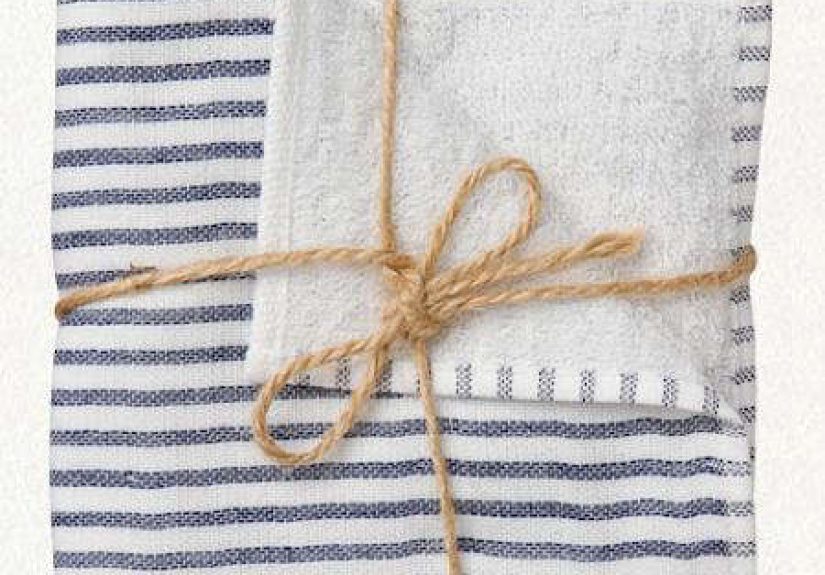
washcloths sold at Terrainmade by the Japanese towel company Yoshii. The write-up described a set of two
square washcloths (about 9.75 inches), with one blue stripe and one black stripe, priced at $16 at the time.
The real headline, though, wasn’t the price. It was the performance: two sides, quick drying, and a clean,
shirt-stripe look that made basic bathroom linens feel quietly elevated.
Important note for modern shoppers: product assortments change (sometimes dramatically), so you may not find the
exact same set available in the same way today. But the idea is still gold: striped, quick-dry, Japanese-style
cotton washcloths that look refined and work hard.
Why these washcloths feel different than the average terry square
1) Japanese towel logic: slimmer, smarter, and faster to dry
Many Japanese towels are intentionally less bulky than the plush Western towels you might picture in a hotel.
The goal isn’t to win “thickest towel in the laundry basket.” It’s to dry efficiently, rinse clean, and dry again
without turning into a mildew science project.
Yoshii, in particular, is often described as making towels that are lightweight, highly absorbent, and fast-drying
a combination that’s surprisingly hard to pull off. The brand is associated with Imabari, a Japanese region known
for towel production, and retailers note details like specialized cotton threads and low-chemical processing as part
of the appeal.
2) Two textures, two jobs (because your face and your elbows are not the same)
The striped washcloth concept that got attention is basically a two-in-one:
-
A smoother, tightly woven side (often described as chambray or “shirt stripe”): great for gentle
cleansing, especially for faces or sensitive skin. -
A looped terry or nubby side: better for lathering and mild exfoliation when you want that
“I actually scrubbed” feeling.
In practical terms, this means you can choose “soft side” or “get-it-done side” depending on what your shower
routine demands that day. (We all contain multitudes. Sometimes those multitudes include sunscreen removal.)
3) The shirt-stripe look is design shorthand for “clean and intentional”
Stripes in a bathroom do something magical: they add structure without adding chaos. A classic stripe reads
tailoredlike a crisp button-downso even a simple stack of washcloths can look styled instead of accidental.
And unlike busy prints, stripes play nicely with marble, tile, wood, matte black hardware, brass fixtures, and
basically any aesthetic you’re currently flirting with.
How to style striped washcloths so your bathroom looks curated (not costume-y)
The secret to making striped washcloths look high-end is treating them like a design detail, not a souvenir.
Here are easy, real-life ways to pull that off:
Build a “two-tone” linen story
- Black/white stripes + white towels = modern, crisp, hotel energy.
- Blue/white stripes + soft gray towels = coastal, but not “anchor-themed.”
- Neutral stripes + natural textures (wood stool, woven basket) = calm, spa-like.
Make guests feel fancy with a tiny basket move
Put rolled striped washcloths in a small tray or basket near the sink. Add hand soap and a simple candle,
and suddenly your guest bath looks like it has a publicist.
Try the “one stripe rule” for small bathrooms
If your bathroom is tiny (and your counter space is smaller), keep stripes to one category:
striped washcloths + solid hand towels, or solid washcloths + a single striped hand towel. This keeps the room
from feeling visually busy.
Use stripes as contrast against “soft” materials
If you have fluffy towels, a waffle weave robe, or linen shower curtain, stripes bring in a sharp edge that
makes everything feel more intentional. Think: soft textures + clean lines = balance.
Buying checklist: what to look for if you’re hunting the originalor a great modern equivalent
Size that works for real hands
Many premium washcloths land around a 10″ x 10″ square (roughly the size referenced by Yoshii shirt-stripe
washcloth listings). That size is practical: big enough to lather, small enough to dry quickly, and not so large
it becomes a tiny towel with commitment issues.
Two-sided construction
The “Terrain striped washcloth” vibe is all about versatility. Look for washcloths that clearly describe a woven
face + terry or looped back. If a product description reads like “one texture only,” it may still be lovelybut it
won’t deliver the same feel.
Fiber quality and finishing
When brands talk about hand-picked cotton, long-staple cotton, ringspun yarns, or specialized cotton threads,
they’re pointing to durability and softness. Translation: fewer sad, scratchy washcloths after three washes.
Certifications (nice-to-have, not a personality test)
If you care about textile standards, look for certifications like OEKO-TEX on certain linen and towel listings,
which signals testing for harmful substances. It’s not the only indicator of quality, but it’s a meaningful extra
for shoppers who want more transparency.
Stripe scale and colorfastness
A thin, classic stripe tends to look more timeless than a giant “beach towel” stripe. And if you’re buying darker
stripes, plan to wash them with like colors early on, because pigment-heavy textiles can release dye in initial
washes.
Care and feeding: keep them absorbent, fresh, and not mysteriously crunchy
Great washcloths can still go downhill if laundry habits go off the rails. Here’s the routine that keeps them
performing like they’re supposed to:
Wash frequency: yes, washcloths are clingy
Bath towels can often be used a few times if they’re hung to dry promptly. But washcloths are the overachievers of
the hygiene worldthey’re in direct contact with oils, cleanser, and whatever your day involved. Many cleaning
experts recommend swapping washcloths far more frequently than bath towels (often every use or every other day,
depending on the household and use).
Separate towels from clothing
Towels and washcloths do best when washed separately from clothes. It helps prevent lint transfer and gives towels
the heavier cycle and thorough agitation they need. Bonus: your black T-shirt won’t come out looking like it
wrestled a fuzzy white bear.
Skip fabric softener (it’s not “soft,” it’s “coated”)
Fabric softeners and dryer sheets can leave residue that reduces absorbency over time. If your washcloth starts
“moving water around” instead of soaking it up, buildup is often the culprit.
Use the right amount of detergent
More detergent doesn’t mean more clean. Too much can leave residue that traps odor and makes linens feel stiff.
If towels start smelling even after washing, detergent buildup and improper drying are common reasons.
Dry completely (half-damp is how towel drama starts)
Dry washcloths fully before folding or stacking. If they sit damp, they can pick up that musty smell fast.
Hang them with airflow between uses, and avoid leaving them in a heap where they can’t breathe.
What about vinegar and baking soda?
Some home experts suggest occasional vinegar or baking soda use to combat odors and soften towels. The key word is
occasional. If you choose that route, use it as a periodic refreshnot a daily habitbecause some
experts caution that frequent vinegar use may not be ideal for every washing machine over time.
How to get the “Terrain bath moment” even if you’re not buying the exact set
The good news: you don’t have to track down a specific 2011 product listing to capture the look and function.
Here’s a simple formula:
-
Choose a stripe you won’t hate in six months. Think classic: navy, black, gray, or muted
neutrals. -
Prioritize quick-dry construction. Lightweight, two-sided, or waffle-adjacent textures tend to
dry faster than ultra-plush terry. -
Keep the palette calm. Let stripes be the detail; keep everything else simple (white towels,
neutral bath mat, clean soap bottle). -
Store them like you mean it. Rolled in a basket, stacked on a tray, or folded in thirds in a
linen closetanything that signals “intentional adulting.”
Even Terrain’s broader textile assortment (from linen kitchen towels to waffle-textured face towels on some
listings) leans into that “functional but beautiful” philosophy. Mix textures thoughtfully and the whole bathroom
starts to feel designed, not just furnished.
FAQ: quick answers (because you have things to do)
Are striped washcloths only for guest bathrooms?
Absolutely not. They’re great for everyday useespecially if you’re trying to keep a small bathroom from feeling
cluttered. Stripes add structure without shouting.
Do quick-dry washcloths absorb less?
Not necessarily. Absorbency depends on fiber quality, weave, and construction. Many lightweight Japanese-style
towels aim to be both absorbent and fast-drying. The experience can feel different than plush terry, but not worse
just smarter for daily rotation.
How many washcloths should I own?
A practical baseline: enough for one per person per day for several days, plus a few extras. If you use washcloths
for skincare (cleansing balm, makeup removal, masks), having a dedicated “face stack” helps.
Experience: a week of living with “striped washcloth energy” (about )
I didn’t expect a washcloth to change my mood. I really didn’t. A washcloth is supposed to be background noiselike
the hum of the bathroom fan or the mysterious single bobby pin that appears in every drawer.
Then I did a tiny experiment: I put striped washcloths front and center, Terrain-style. Not in the linen closet.
Not crammed under a stack of towels like they were in witness protection. I rolled them neatly in a small basket by
the sink, right next to the soap. Immediately, my bathroom looked… calmer. Like it had a plan. Like it paid its
bills on time.
Day one: I reached for the washcloth and noticed the texture difference before I even turned on the water. One side
felt smoothermore “fresh button-down” than “fluffy hotel.” The other had that looped, slightly nubby feel that
makes you think, Okay, yes, we are actually cleansing today. I used the smooth side for my face and the
looped side for everything else, and the two-texture setup felt weirdly efficientlike having a spatula and a
whisk instead of trying to stir pancake batter with a fork.
Day three is where it got interesting: the washcloths dried fast. Not “kind of dry but still suspicious” fast.
Actually dry. That meant no damp funk, no musty whiff when I picked one up, and no panicked internal monologue
about whether I was accidentally cultivating a new ecosystem.
The stripes also did something I didn’t anticipate: they made me more likely to keep things tidy. I know how that
sounds. But when your washcloths look sharp, tossing them in a heap feels like putting dress shoes in a puddle.
The stripes were basically tiny accountability coacheswithout the motivational quotes.
Midweek, a friend came over and used the bathroom. When she came back out, she said, “Your bathroom looks really
put together.” She did not say, “Nice grout.” She did not comment on the hand soap. She noticed the washcloths.
That’s when I realized the secret power of a small linen upgrade: it’s the detail people can see and touch in
about ten seconds. It’s design that performs on contact.
By the end of the week, the striped washcloths had earned their spot. They felt good, they dried quickly, and they
made my bathroom look like it had been styled by someone who owns matching hangers. And if a simple square of
cotton can do that, I’m officially paying more attention to the little things.