Table of Contents >> Show >> Hide
- What an “18650 Pack” Actually Is
- Why Building 18650 Packs Is High-Risk
- How Pros Think About Pack Design (Without Handing You a Welding Plan)
- The Battery Management System (BMS): The Pack’s Nervous System
- Thermal Strategy: Keeping “Warm” From Becoming “Emergency”
- Testing, Standards, and Certifications: Where “Trust Me” Becomes “Prove It”
- Charging and Storage: Where Most Real-World Trouble Happens
- Travel and Shipping: The Rules Care About Watt-Hours
- Safer Paths for Makers and Tinkerers
- Common “Experiences” People Report (And What They Teach You) Extra
- Conclusion: Exhaustive, Not Explosive
Quick reality check (with love): an 18650 pack isn’t a craft project like knitting a scarf. It’s more like building a tiny, portable power plant that can fit in a backpackone that can fail fast and dramatically if it’s designed, assembled, charged, or stored incorrectly. So this guide is “exhaustive” in the way a good safety briefing is exhaustive: it explains how 18650 packs work, how professionals design them, what “good” looks like, and how to avoid the common traps that lead to smoke, recalls, and regret. It does not provide step-by-step assembly instructions.
If you need a battery pack for an e-bike, scooter, tool, robot, or DIY device, the safest path is usually: buy a properly certified pack from a reputable maker, use the correct charger, and treat it like the high-energy system it is. If you’re still curious, keep readingbecause understanding the “why” behind pack design makes you a smarter buyer, a safer user, and a better engineer-in-training.
What an “18650 Pack” Actually Is
18650 basics: a format, not a magic battery
“18650” describes the size of a cylindrical lithium-ion cell (about 18 mm wide and 65 mm long). Inside that steel can is a layered chemical system designed to store energy denselygreat for runtime, not great for mistakes. Different 18650 cells can have wildly different behaviors depending on chemistry, internal design, and quality control.
Cell ≠ pack
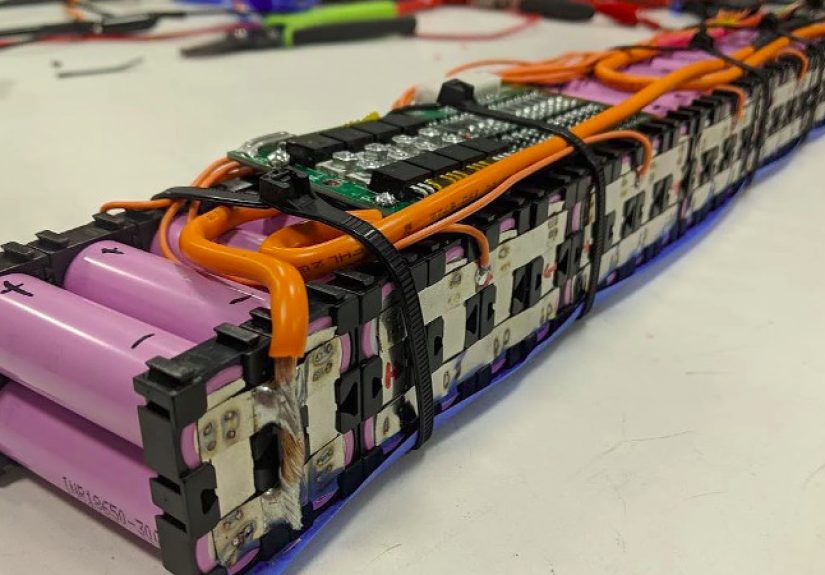
A cell is a single electrochemical unit. A pack is a system: cells plus electrical connections, sensing, protection electronics, insulation, mechanical structure, and often thermal strategy. Packs don’t just “hold cells together.” They manage the reality that no two cells are perfectly identical and that lithium-ion chemistry has a narrow window where it behaves nicely.
Why Building 18650 Packs Is High-Risk
Short circuits are the villain with a cape and a stopwatch
Lithium-ion cells can deliver very high current if something creates a low-resistance path. A short circuit can heat conductors, damage cell internals, and trigger cascading failure. In plain English: the problem can go from “oops” to “oh no” before you finish saying, “Is that… a smell?”
Thermal runaway and propagation: the chain reaction nobody wants
Thermal runaway is a failure mode where heat and chemical reactions feed each other. Once it starts, it can be hard to stop, and it can spread from one cell to neighboring cellscalled propagation. Professional safety work focuses heavily on preventing a single-cell failure from turning into a pack-level event.
Reworked, modified, or mismatched packs raise the odds
Safety authorities repeatedly warn against modified battery packs, repurposed cells, or repairs performed by unqualified personnel. This is especially emphasized in micromobility (e-bikes/scooters), where indoor charging and high-energy packs have led to serious fires and major safety actions.
How Pros Think About Pack Design (Without Handing You a Welding Plan)
Series vs. parallel: the “voltage vs. capacity” trade
Professionals combine cells in two basic ways:
- Series groups increase pack voltage (think: “stacking” voltage).
- Parallel groups increase capacity and current capability (think: “sharing” load).
Conceptual example: If one cell is ~3.6 V nominal, a series string increases nominal voltage proportionally. A parallel group increases total amp-hour capacity by adding cell capacities together (assuming similar cells, similar health, and good balancing).
Energy is measured in watt-hours (Wh), and it matters
Watt-hours are a practical way to talk about “how much energy is in here.” It also shows up in shipping and travel rules. If you’re comparing packs, Wh is the number that tells you how much “work” it can doand how serious a failure could be.
Current capability: the quiet spec that breaks loud
Some cells are designed for energy density (long runtime), others for power (high current). Using the wrong cell type for a high-current application can lead to overheating, rapid aging, voltage sag, and safety cutoffs. Professional designs match cell type to expected loads and worst-case scenariosnot just “average use.”
Cell matching is quality control, not vibes
Well-designed packs assume cells vary, then reduce that variation by controlling sourcing and screening. Mismatched cells (capacity, internal resistance, age, prior abuse) can cause one cell group to hit voltage limits earlier than the rest, forcing the protection system to cut off earlyor stressing the weakest link repeatedly until it becomes a real problem.
The Battery Management System (BMS): The Pack’s Nervous System
What a BMS generally does
A BMS is responsible for monitoring and protecting the pack within safe limits. While implementations differ, a BMS often covers:
- Overcharge protection (preventing cells from being pushed too high)
- Over-discharge protection (preventing cells from being drained too low)
- Overcurrent/short-circuit protection
- Temperature monitoring
- Cell balancing (helping keep cell groups aligned over time)
Balancing: the unglamorous hero of pack longevity
Balancing matters because the pack is only as “usable” as its most out-of-sync cell group. If one group reaches a low-voltage cutoff earlier, discharge may terminate early even if other groups still have charge. Over many cycles, imbalance can worsen without proper management.
Thermal Strategy: Keeping “Warm” From Becoming “Emergency”
Design goal #1: don’t create hotspots
Heat accelerates aging and increases risk. Professional packs aim to avoid localized heating through sensible electrical design, appropriate materials, and thoughtful mechanical layouts.
Design goal #2: stop propagation
Safety research and testing frequently examine how failure can propagate across cells in a tightly packed array. Methods studied include spacing, separating materials, and pack-level structural decisions that limit how a single-cell event affects neighbors. The best packs treat propagation prevention as a core requirement, not a “nice-to-have.”
Testing, Standards, and Certifications: Where “Trust Me” Becomes “Prove It”
Why standards exist
Battery safety isn’t about optimismit’s about verifying behavior under foreseeable misuse and abuse. Safety standards define test methods and construction requirements so products can be evaluated consistently.
Key standards you’ll hear about
- Cell-level standards (focused on the cell itself)
- Pack-level standards (focused on multi-cell assemblies)
- Application-specific standards (e.g., batteries intended for light electric vehicles)
For micromobility, for example, there are battery-specific safety standards designed for light electric vehicle applications. For household and commercial packs, other widely referenced standards exist. The practical takeaway: certification is a strong signal that the product was evaluated against defined safety criteria, not just assembled and shipped.
What “abuse testing” means (and why you want it done by a lab)
Abuse testing can include electrical, mechanical, and environmental stress scenarios. These tests help evaluate how a cell/module/pack behaves when things go wrongbecause in the real world, things eventually go wrong. Professional labs use controlled procedures, instrumentation, and safety systems that most garages and bedrooms do not have (and should not try to recreate).
Charging and Storage: Where Most Real-World Trouble Happens
Charging: the most common “normal use” stress test
Charging is where the pack sits at higher voltage and where heat can build if something is off. Safety organizations emphasize using compatible chargers, following manufacturer instructions, and avoiding charging damaged batteries. Charging in a safe locationaway from flammables and not blocking exitssounds boring until the day it isn’t.
Storage: protect terminals, avoid heat, avoid crush
Loose batteries or packs stored with exposed terminals can short against metal objects. Heat and physical damage raise risk. The safest storage habits are unglamorous: keep batteries cool, dry, protected from impact, and away from conductive clutter (yes, that includes the “random drawer of chaos”).
End of life: disposal and recycling are safety issues too
Damaged, defective, or recalled lithium batteries have higher fire risk in handling and transportation. Use approved recycling channels and follow guidance for safe drop-off. If a battery is swollen, leaking, or looks damaged, treat it as hazardous and follow local safety guidance rather than improvising.
Travel and Shipping: The Rules Care About Watt-Hours
Flying with lithium batteries
Air travel rules commonly require spare lithium-ion batteries to be in carry-on baggage, with terminals protected against short circuit. Large batteries may have additional restrictions. If you travel with devices that use removable packs or spare cells, read the current airline and regulator guidance before you pack.
Shipping used batteries for recycling
Transportation authorities warn that used lithium batteriesespecially damaged or recalled onescan present significant hazards. Terminal protection and proper packaging matter. If you’re mailing or shipping batteries, follow official shipper guidance or use approved programs that provide compliant instructions.
Safer Paths for Makers and Tinkerers
Option A: buy certified, sleep better
If your goal is a reliable power source (not a battery engineering thesis), choosing a certified pack from a reputable supplier is usually the best risk-reward trade.
Option B: use modular, enclosed energy systems
Many projects can use purpose-built modules or commercially engineered battery systems that include protection, enclosure, and documented specs. You still need to respect ratings and charging rules, but you avoid reinventing the most dangerous wheel.
Option C: learn the discipline before the hardware
If you’re serious about battery engineering, start with electronics fundamentals, measurement skills, and safety training. Study how standards define tests, how BMS logic works, and how thermal runaway is evaluated. In other words: build your knowledge pack first.
Common “Experiences” People Report (And What They Teach You) Extra
Because you asked for experiences: here are the kinds of stories engineers, repair techs, and hobbyists often sharewithout turning this into a “do this, then do that” how-to.
1) The Spreadsheet Spiral
Someone starts with a simple goal: “I just want more runtime.” Next thing you know, they’re tracking capacity variance, internal resistance drift, and temperature rise across different load profiles in a spreadsheet that could qualify as modern art. The lesson is real: packs are systems, and systems demand recordkeeping. If a seller can’t provide clear specs (chemistry, ratings, protections, certifications), your spreadsheet will end up doing detective work it was never hired for.
2) The Bargain That Was Too Good (And Somehow Also Too Hot)
Another common experience: a “deal” on cells or a pack that looks amazing on paper, costs suspiciously little, and arrives with vague labeling. It might workbriefly. But inconsistent performance, rapid voltage sag, unexpected shutoffs, or overheating during charging are the universe’s way of saying, “This was not, in fact, a bargain.” The lesson: reputable sourcing and documented testing cost money because safety costs money. Paying less upfront can mean paying later with replacementsor worse, property damage.
3) The Charger Mismatch Comedy (That Isn’t Funny)
People regularly underestimate chargers. A charger isn’t just a plugit’s part of the safety system. Using the wrong charger can stress the pack, create heat, or bypass assumptions built into the product. The “experience” many report is embarrassment: “I thought chargers were universal.” They’re not. The lesson: match the charger to the exact battery system, and treat charging as a supervised, safety-first eventespecially for high-energy packs.
4) The “Where Do I Charge This?” Reality Check
A lot of incidents happen indoors, often because charging is convenient near beds, couches, and exitsexactly where you don’t want an emergency. Many people only change habits after they read a recall notice or see local fire guidance. The lesson: convenience isn’t a safety strategy. Set up a charging routine that respects ventilation, clear space, and exit access, and never charge damaged equipment “just one more time.”
5) The Relief of Doing It the Boring Way
The most underrated experience: buying a certified pack, using the correct charger, storing it responsibly, recycling it properly, and never having “a battery story” at all. It feels anticlimacticuntil you realize anticlimactic is the gold standard for lithium-ion safety. The lesson: the goal isn’t to prove you can build a pack. The goal is to power your life without turning it into a fire drill.
Conclusion: Exhaustive, Not Explosive
Building (or even just selecting) an 18650 pack is less about bravado and more about respecting physics, chemistry, and safety engineering. The most important “pro move” isn’t a clever configurationit’s choosing certified products, understanding BMS protection roles, preventing shorts, charging safely, and treating damaged batteries as hazards. Learn the system, buy smart, and keep your power source doing its job quietly.