Table of Contents >> Show >> Hide
- What Millie Bobby Brown Actually Said
- Why Fans Called It a “Nightmare”
- The Real Story Is Less Scandalous and More Revealing
- Why This Story Hit a Nerve
- Millie Bobby Brown, Jake Bongiovi, and the Gen Z Love Story
- The Bigger Lesson Behind the Backlash
- Related Experiences: Why So Many People Saw Their Own Dating Fears in This Story
- Conclusion
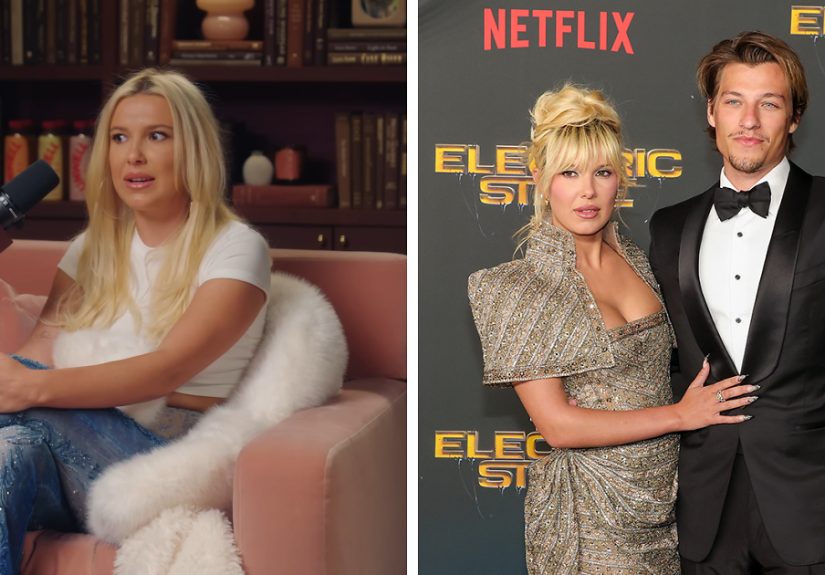
Celebrity relationships usually arrive online in one of two flavors: suspiciously polished fairy tale or five-alarm train wreck. Millie Bobby Brown and Jake Bongiovi somehow landed in the third category—the one that makes people stare at their phones, blink twice, and mutter, “Well, that escalated quickly.” When Brown opened up about how her relationship with Bongiovi began and how she realized he was the person she wanted to marry, the internet did what the internet does best: it turned a sincere confession into a debate, a meme factory, and a referendum on modern dating, all before lunch.
The phrase “a nightmare” did not catch fire because Brown described some disastrous romance full of betrayal, chaos, or red flags waving like they were auditioning for a parade. It caught on because many fans heard her story and thought: That is a lot. The DMs. The friendship-first setup. The living-together energy. The deep talks about politics, marriage, future children, and long-term goals at a very young age. For some people, it sounded romantic. For others, it sounded like the emotional equivalent of opening seventeen tabs at once and forgetting which one started playing music.
What Millie Bobby Brown Actually Said
To understand why fans reacted so strongly, it helps to look at what Brown has publicly shared. Over the years, she has explained that she and Jake Bongiovi first connected online and were friends for a while before things turned romantic. That alone makes them a textbook Gen Z couple: less meet-cute in a bookstore, more soft-launch in the DMs. In an earlier interview, Brown summed it up with charming simplicity: they met on Instagram, they were friends for a bit, and then it became something more.
That origin story probably would not have sparked much fuss on its own. Plenty of people meet online now. That is not shocking anymore; it is basically how half the world gets introduced and the other half pretends they met “through friends” to sound more mysterious. What supercharged the reaction was Brown’s later explanation of how the relationship deepened. She described a turning point that came not from a grand movie-style moment, but from ordinary domestic life: sharing a home, taking care of dogs and animals, and settling into a daily rhythm together.
That was when the relationship stopped feeling hypothetical. In her telling, it became startlingly clear that she did not want to date around, meet someone else, or imagine a different future. She wanted him. Brown has also said that their conversations about politics, the kind of family they wanted, the type of home they hoped to build, the relationship they were looking for, and the careers they wanted all helped confirm that they were aligned.
And that word—aligned—matters. Brown has framed the relationship less as a whirlwind and more as a partnership built on values, compatibility, and unusually direct communication. She has repeatedly pointed to their shared ideas about family and long-term life as a big reason she felt confident marrying young. In other words, this was not a story about random chemistry and cute selfies alone. It was a story about a very young couple asking very adult questions.
Why Fans Called It a “Nightmare”
1. The story sounded too intense, too fast, too modern
For a big chunk of the internet, Brown’s story read like a speedrun of twenty-first-century romance. First there are online messages. Then friendship. Then constant closeness. Then moving in. Then dogs. Then future-kids conversations. Then marriage. If that progression makes your palms sweat, congratulations: you have understood the fan reaction.
Some people were not reacting to the relationship itself so much as to what the story represented. In a dating culture often defined by ambiguity, half-commitments, disappearing acts, and people using the phrase “let’s not label it” like it is a legal defense, Brown’s version of events felt almost aggressively certain. She was not describing confusion. She was describing clarity. And weirdly, clarity can freak people out more than chaos.
2. Brown and Bongiovi were very young
Age has shadowed public commentary about this relationship from the beginning. When the couple got engaged in 2023, there was immediate debate online about whether Brown was too young. That reaction never fully disappeared; it just changed outfits. So when her dating story resurfaced or got revisited in newer interviews, some fans filtered every detail through that same lens. To them, the issue was not just how the relationship started. It was how serious it became, how quickly it seemed to solidify, and how publicly it moved from private connection to lifelong commitment.
But Brown has consistently presented the marriage as thoughtful, not impulsive. She has said both of them came from families where parents married young, and she has described those family models as healthy examples rather than cautionary tales. Whether fans agree with that choice is another matter. The key point is that Brown herself does not narrate her marriage as a reckless leap. She narrates it as a decision that made emotional and practical sense.
3. The internet struggles with sincere love stories
There is another layer here, and it is less about Millie Bobby Brown than about online culture. The internet is deeply comfortable with irony. It loves messy breakups, passive-aggressive captions, and celebrity romance drama with enough twists to require a flowchart. What it does not always know how to do is sit calmly with a young woman saying, “We talked about our values, our future, and the life we wanted, and it felt right.”
That kind of story does not fit neatly into the usual internet categories. It is not chaotic enough to mock outright, but it is earnest enough to make people suspicious. So the reaction often turns into exaggerated humor: people call it wild, scary, unhinged, or a nightmare, not necessarily because it is toxic, but because it sounds emotionally high-stakes in a culture trained to avoid high stakes until absolutely necessary.
The Real Story Is Less Scandalous and More Revealing
Strip away the memes, and what Brown described is actually pretty straightforward. Two young people connected online, became friends, built trust, and discovered that they shared a surprising amount of common ground about the future. That does not mean every fan has to find the story adorable. It does mean the most dramatic version of it is probably the least accurate.
In fact, much of the available reporting paints a relationship that has been public, steady, and increasingly family-oriented. The pair were linked in 2021, went Instagram-official later that year, made red carpet appearances together, got engaged in 2023, married in 2024, and later shared news about expanding their family. Brown has repeatedly described Bongiovi as the first man she has truly loved and been in love with. She has also emphasized that they were united on the questions that matter most to them.
That kind of consistency is important because fan reactions often flatten celebrity relationships into one viral moment. A clip gets reposted, a quote gets pulled out of context, and suddenly an entire relationship is judged like a five-second trailer. Brown’s comments make more sense when viewed as part of a longer pattern: she values home life, family, emotional security, and commitment. The story about how she started dating Bongiovi did not reveal a contradiction. It revealed a theme.
Why This Story Hit a Nerve
Part of the fascination comes from Brown herself. She has been famous since childhood, which means the public has watched her grow up in real time and, too often, acted like it has voting rights in her adulthood. Every change—her style, her voice, her business ventures, her marriage, even the way she talks about wanting a family—gets processed by people who still seem startled that a child star became an adult with actual preferences.
That makes her relationship with Bongiovi an unusually loaded subject. Fans are not just reacting to a celebrity romance. They are reacting to the uncomfortable realization that the young actress they once knew as Eleven is now building a life on her own terms. For some observers, that transition feels jarring. For others, it feels empowering. And for the terminally online, it feels like a perfect excuse to post a dramatic reaction image and call it a day.
The story also hit a nerve because it mirrors real anxieties about dating right now. People worry about moving too fast. They worry about reading too much into ordinary closeness. They worry about whether deep conversations early on are a green flag or a sign that somebody is planning the emotional equivalent of a hostile takeover. Brown’s story touches all of those anxieties at once. It is a celebrity anecdote, sure, but it also taps into the very normal panic many people feel about intimacy, timing, and commitment.
Millie Bobby Brown, Jake Bongiovi, and the Gen Z Love Story
If there is one reason this relationship keeps attracting attention, it is because it feels so specifically of its era. This is not an old-school Hollywood courtship wrapped in studio glamour. It is a digital-age love story. It started online. It unfolded partly through social media. It blended private values with public visibility. And it moved from internet-era casualness to startling seriousness faster than many people expected.
That combination is exactly why fans cannot stop talking about it. Brown and Bongiovi represent a version of young love that is both familiar and unsettling to modern audiences. Familiar because yes, people meet online all the time. Unsettling because most people are more comfortable with a casual chat than a conversation about marriage, politics, and future children before the relationship has even finished choosing a profile picture.
Still, Brown’s comments suggest that what looked intense from the outside felt stable from the inside. That gap—between public perception and private certainty—is the whole story. Fans heard emotional intensity. Brown was describing emotional clarity. Fans heard speed. Brown was describing alignment. Fans heard a nightmare. Brown was basically saying, “Actually, I knew what I wanted.”
The Bigger Lesson Behind the Backlash
Celebrity culture loves to pretend it is analyzing relationships when it is often just projecting onto them. Millie Bobby Brown’s story about dating Jake Bongiovi became a lightning rod because people could pour all their own opinions into it: about young marriage, online dating, celebrity adulthood, serious commitment, and whether certainty in love is romantic or terrifying.
But the most telling part of the reaction may be this: a story about two people talking honestly about values and building a future somehow sounded more alarming to some corners of the internet than a situationship with no communication at all. That says less about Brown and Bongiovi than it does about the moment we are living in. We have become so used to ambiguity that decisiveness sounds suspicious.
Brown’s version of the relationship may not be everyone’s dream scenario, and that is fair. Not every love story should be copied and pasted into real life. But calling it a nightmare mostly reveals how uncomfortable many people are with sincerity, certainty, and the idea that a young woman might actually know her own mind.
Related Experiences: Why So Many People Saw Their Own Dating Fears in This Story
One reason this story traveled so fast is that it does not just belong to Millie Bobby Brown. It brushes against experiences a lot of people recognize, even if their own lives do not include red carpets, magazine covers, or a rock-star father-in-law. Plenty of relationships now begin in the same blurry zone Brown described: online first, friendship second, romance third, seriousness fourth, and public explanation somewhere around step seven.
That blurry beginning can feel thrilling, but it can also feel deeply confusing. When you meet someone through social media or messaging, the emotional pace is strange. You can talk every day before you have ever shared a meal. You can learn someone’s opinions before you learn how they act when they are late, tired, or annoyed by bad parking. You can start building intimacy before real life has even had a chance to show up. That makes modern dating feel fast even when nobody is technically rushing.
Then there is the friendship-first experience, which sounds sweet in theory and stressful in practice. A friendship can create trust, inside jokes, and emotional safety. It can also create the kind of tension that makes people overanalyze every text like it is a coded government document. When feelings grow out of friendship, people often look back and realize the relationship felt obvious long before they admitted it out loud. That may be one reason Brown’s story hit people so hard: it sounded both relatable and uncomfortably intense at the same time.
Another familiar piece is the moment when a relationship suddenly shifts from casual to real. Sometimes it is not a glamorous milestone. Sometimes it is caring for pets together, figuring out routines, seeing each other when nobody is dressed for Instagram, or discovering whether silence feels awkward or peaceful. Domestic life has a funny way of revealing whether romance is sturdy or just aesthetically pleasing. Brown’s comments about shared daily life probably resonated because that is where many people realize whether they are building something lasting or just collecting nice memories.
The big conversations are another reason fans reacted so dramatically. Talking about politics, family, children, career goals, and future plans can feel incredibly mature—or wildly intimidating—depending on where you are in life. Some people hear those conversations and think, Finally, adults are being adults. Others hear them and think, I would like to leave the group chat immediately. Neither response is shocking. Serious conversations force people to confront what they actually want, and that is not always as fun as flirting.
There is also the pressure of audience commentary, which celebrities feel on a massive scale but ordinary people feel too in smaller ways. Friends have opinions. Family has opinions. Social media definitely has opinions. Everyone suddenly becomes a relationship consultant the second two people look happy online. That is why stories like Brown’s keep exploding: they give strangers a chance to turn someone else’s life into a test case for their own beliefs.
In the end, the reaction to Brown and Bongiovi says something simple and very human. People are fascinated by love stories that look certain, especially when certainty feels rare. Some respond with admiration. Some respond with skepticism. Some respond by declaring the whole thing a nightmare and opening another app. But underneath all of that noise is a recognizable truth: most people are not just reacting to celebrities. They are reacting to their own hopes, fears, timing, and memories of when liking someone started to feel like it might change everything.
Conclusion
Millie Bobby Brown’s story about how she started dating Jake Bongiovi is not shocking because it is scandalous. It is shocking because it is direct. In an era that often rewards vagueness, she described a relationship built on friendship, daily life, and unusually clear conversations about the future. That honesty is exactly why fans reacted so loudly. Some heard romance. Some heard pressure. Some heard a nightmare. But the clearest takeaway is simpler than all the discourse: Brown told a story about certainty, and the internet is still deciding what to do with that.