Table of Contents >> Show >> Hide
- Why Vitamin C Serums Work (Science, but Make It Fun)
- How to Choose a Vitamin C Serum That Actually Delivers
- The Best Vitamin C Serums for Brighter Skin (By Real-Life Use Case)
- Best overall (the “gold standard” splurge): SkinCeuticals C E Ferulic
- Best value (high potency without luxury pricing): Timeless 20% Vitamin C + E Ferulic
- Best for sensitive skin (gentler vibe): La Roche-Posay Pure Vitamin C (often labeled C10)
- Best for oily or combo skin (lightweight glow): Paula’s Choice C15 Super Booster
- Best drugstore pick (easy to find, easy to use): Neutrogena Collagen Bank Vitamin C Serum
- Best “all-in-one” brightening multitasker: Olay Super Serum (vitamin C + supporting actives)
- Best for “I want glow, but make it elegant”: Sunday Riley C.E.O. (Vitamin C brightening serum)
- Best for stubborn texture + discoloration (advanced routine option): Murad Vita-C / exfoliating vitamin C combos
- How to Use Vitamin C Serum (Without Starting a Face Drama)
- Common Vitamin C Problems (And How to Fix Them)
- Conclusion: Your Bright-Skin Game Plan
- Real-World Vitamin C Serum Experiences (The Unfiltered Version)
- Week 1: The “Is it supposed to feel like that?” era
- Weeks 2–4: The “I look… awake?” phase
- Month 2: The “spot-fading patience test”
- Month 3 and beyond: The “oh, this is the long game” realization
- What experienced users learn (so you don’t have to learn it the hard way)
- A quick “starter setup” if you want the easiest win
If your face has been looking a little… “Monday” lately (even on a Saturday), a good vitamin C serum can be the skincare equivalent of opening the blinds, blasting your favorite playlist, and remembering you’re actually that girl / that guy. Vitamin C serums are famous for helping skin look brighter, more even, and generally less like it’s been surviving on iced coffee and screen time.
But here’s the plot twist: not all vitamin C serums are created equal. Some are glow-boosting legends. Others oxidize faster than a sliced apple in July. This guide breaks down how vitamin C works, what to look for in a formula, how to use it without irritating your face into a new personality, and which products tend to be worth your money (from “splurge” to “drugstore hero”).
Why Vitamin C Serums Work (Science, but Make It Fun)
1) Antioxidant protection: your skin’s “daytime bodyguard”
Vitamin C is an antioxidant, which means it helps neutralize free radicals created by UV exposure, pollution, and everyday life choices like “just one more” late-night scroll. When free radicals run wild, they can contribute to visible dullness and signs of aging. Vitamin C helps fight back, which is why it’s commonly recommended as a daytime active.
Important: vitamin C is a supportive player, not a substitute teacher for sunscreen. You still need SPF daily.
2) Brighter-looking skin and fewer “mystery spots”
Vitamin C can help improve the look of uneven tone and discoloration by interfering with steps in melanin formation. Translation: it can help fade the appearance of dark spots and post-acne marks over timeespecially when you’re consistent and patient.
3) Collagen support: more bounce, less “why is my face doing that?”
Collagen is a key structural protein in skin, and vitamin C plays a role in collagen production. With regular use, vitamin C can help skin look firmer and smootherparticularly when paired with other smart habits (like sunscreen and a barrier-friendly routine).
How to Choose a Vitamin C Serum That Actually Delivers
When people say “best vitamin C serum,” they usually mean: brightening results, comfortable wear, minimal irritation, and a formula that doesn’t go bad before you’ve even finished season one of your latest binge.
Look at the form: L-ascorbic acid vs. gentler derivatives
L-ascorbic acid is the most studied, “gold standard” form of topical vitamin C. It can be highly effectivebut also more irritating for sensitive skin because it needs an acidic environment to penetrate well.
If you’re reactive, dry, or just not in the mood for tingly chaos, consider vitamin C derivatives such as: sodium ascorbyl phosphate (SAP), magnesium ascorbyl phosphate (MAP), or tetrahexyldecyl ascorbate (THD). These are typically more stable and often gentler, though results may be slower or more subtle.
Pick a smart strength (more isn’t always more)
For L-ascorbic acid, many dermatology and clinical references commonly point to effective ranges around 10–20%. Beginners and sensitive skin often do better starting closer to 10% and working up.
- New to vitamin C? Start lower, use it every other day, then increase as tolerated.
- Already using actives? Consider mid-range strength (10–15%) to avoid overdoing it.
- Stubborn discoloration? Stronger can help, but irritation can backfirebecause inflamed skin rarely looks “bright.”
Packaging matters more than the hype
Vitamin C (especially L-ascorbic acid) is notoriously unstable. Heat, light, and air can cause oxidation, reducing effectiveness. The best packaging choices:
- Dark glass bottle (protects from light)
- Airless pump or well-sealed dispenser (limits air exposure)
- Smaller bottle sizes if you’re slow to finish products
Quick freshness check: many vitamin C serums start clear to pale yellow. If it turns deep orange or brown, it may be oxidized (and less effective).
Bonus ingredients that can level up results
Some of the best brightening serums combine vitamin C with supporting antioxidants and hydrators:
- Vitamin E + ferulic acid: often used to enhance antioxidant performance and stability.
- Hyaluronic acid / glycerin: helps offset dryness and improve comfort.
- Niacinamide: can support a more even-looking tone and calm redness; many modern routines use it alongside vitamin C without issues.
The Best Vitamin C Serums for Brighter Skin (By Real-Life Use Case)
“Best” depends on your skin type, budget, and tolerance. Below are well-known options that show up repeatedly in dermatologist discussions and major U.S. beauty testing roundupsplus what they’re generally best for.
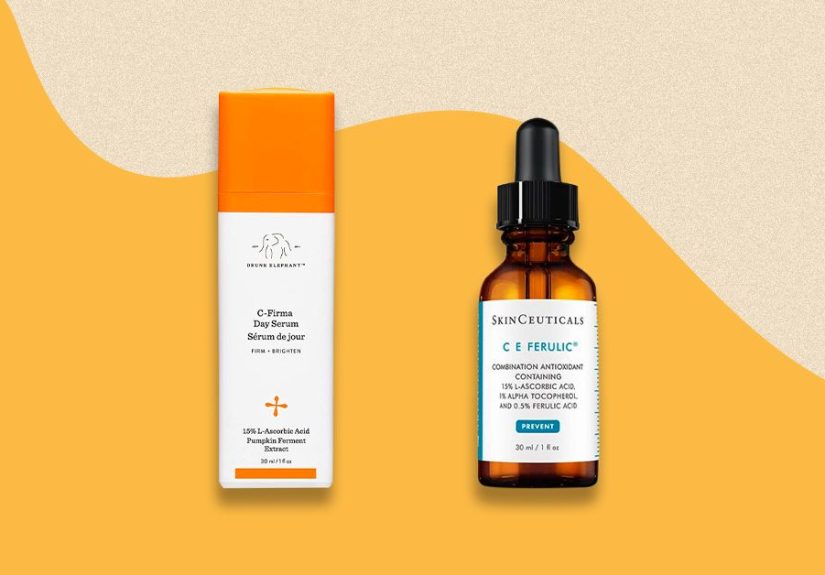
Best overall (the “gold standard” splurge): SkinCeuticals C E Ferulic
Often considered the benchmark: L-ascorbic acid paired with vitamin E and ferulic acid in a formula designed for antioxidant support and visible brightening. If your main goals are glow + signs of aging + you want a formula with a big reputation, this is the one people compare everything else to.
Best for: normal to dry skin, dullness, fine lines, environmental stress protection.
Heads up: price is spicy; scent can be “hot dog water” to some noses (beauty is pain, apparently).
Best value (high potency without luxury pricing): Timeless 20% Vitamin C + E Ferulic
A popular “results-first” pick: higher-strength L-ascorbic acid with vitamin E and ferulic acid. Many fans like it because it aims for that classic antioxidant combo at a more approachable price point.
Best for: experienced vitamin C users who want maximum brightening per dollar.
Heads up: 20% can be intense for sensitive skinstart slow.
Best for sensitive skin (gentler vibe): La Roche-Posay Pure Vitamin C (often labeled C10)
Frequently recommended for those who want vitamin C benefits with a more soothing, dermatologist-friendly positioning. The texture is typically elegant and layers well under moisturizer and sunscreen.
Best for: sensitive or reactive skin that still wants radiance and smoother texture.
Heads up: if you’re extremely sensitive, patch test“gentler” isn’t the same as “impossible to irritate anyone.”
Best for oily or combo skin (lightweight glow): Paula’s Choice C15 Super Booster
A well-known 15% L-ascorbic acid option that many people like for its lightweight feel and “mix it or wear it solo” flexibility. Great if you want a brightening serum that doesn’t feel like it’s wearing a sweater.
Best for: normal, combo, or oily skin; dullness and uneven tone.
Heads up: store it well and recap quickly; vitamin C loves to misbehave if you leave it exposed.
Best drugstore pick (easy to find, easy to use): Neutrogena Collagen Bank Vitamin C Serum
A strong “accessible” option that shows up in drugstore-focused beauty roundups. Typically designed to be user-friendly, making it a good on-ramp if you’re vitamin C–curious but not ready to go full chemistry lab.
Best for: beginners, budget shoppers, anyone who wants a brightening serum without the boutique checkout experience.
Best “all-in-one” brightening multitasker: Olay Super Serum (vitamin C + supporting actives)
If you like the idea of fewer bottles on your counter (and fewer chances to accidentally invent a new rash), multi-ingredient serums can be appealing. Options like Olay Super Serum combine vitamin C with other familiar skincare ingredients aimed at tone, texture, and hydration.
Best for: people who want a streamlined routine and prefer formulas built to play well together.
Best for “I want glow, but make it elegant”: Sunday Riley C.E.O. (Vitamin C brightening serum)
A crowd-pleaser in the “treat yourself” category, often praised for cosmetic elegance and a visible radiance boost. If you value texture, finish, and sensory experience, this kind of formula can make consistency easier (because you’ll actually use it).
Best for: dull skin, glow seekers, and anyone who wants vitamin C to feel luxurious.
Best for stubborn texture + discoloration (advanced routine option): Murad Vita-C / exfoliating vitamin C combos
Some lines pair vitamin C with gentle exfoliating support for people targeting texture and uneven tone. These can be effectivebut are better for users who already understand their skin’s limits.
Best for: experienced users focusing on texture + spots.
Heads up: don’t stack too many strong actives in one routine. Glowing skin is not the same as “chemically bullied” skin.
How to Use Vitamin C Serum (Without Starting a Face Drama)
The simplest routine that works
- Cleanse (gentle is fine).
- Apply vitamin C serum (2–4 drops or a thin layermore is not more).
- Moisturize if you need it.
- Sunscreen (AM) broad-spectrum SPF 30+ is the non-negotiable finale.
Many dermatology sources commonly recommend vitamin C in the morning to support daytime antioxidant protection, followed by sunscreen. You can also use it at night, but AM use is the classic move.
How often to use it (and when results show up)
If you’re new or sensitive, start every other day. If your skin tolerates it, move to daily use. Expect visible improvements in brightness and tone to take timeoften several weeks, and sometimes up to a few months of consistent use.
What not to mix in the same routine (keep the peace)
This part gets confusing because skincare internet loves a good argument. Here’s the practical, derm-friendly approach:
- Vitamin C + retinoids: Many people use vitamin C in the morning and retinoids at night to reduce irritation risk.
- Vitamin C + strong exfoliating acids (AHA/BHA): Can be irritating together for some. If you use acids, consider alternating days or splitting AM/PM.
- Vitamin C + benzoyl peroxide: Often better separated (e.g., benzoyl peroxide at night, vitamin C in the morning) to reduce potential irritation and ingredient interference.
- Vitamin C + niacinamide: Many modern formulations and routines use them together fine. If you’re sensitive, you can separate thembut you don’t automatically have to.
Pro tips for better results (and fewer regrets)
- Patch test on your jawline or behind your ear for a few days.
- Apply to dry skin if you’re prone to stinging (wet skin can intensify penetration).
- Wait 30–60 seconds before layering moisturizer to reduce pilling.
- Store smart: cool, dark place; cap tightly; don’t let it sunbathe on your windowsill.
Common Vitamin C Problems (And How to Fix Them)
“It tingles. Am I glowing or dissolving?”
Mild tingling can be normal, especially with acidic L-ascorbic acid formulas. But burning, persistent redness, or peeling is a sign to stop, slow down, or switch to a gentler derivative. When in doubt, ask a dermatologistyour face shouldn’t feel like it’s paying rent to your serum.
Oxidation: when your serum turns into iced tea
Vitamin C serums can darken over time. Slight yellowing may be okay, but deep orange/brown can signal significant oxidation. If it smells off, looks very dark, or seems to irritate more than usual, it’s probably time to replace it.
“I’m using vitamin C and nothing’s happening”
Three common reasons:
- You’re not using sunscreen (UV exposure can keep discoloration looking… employed).
- Your serum isn’t stable (oxidized or poorly packaged).
- You need more time (tone and spots fade slowlyconsistency is the flex).
Conclusion: Your Bright-Skin Game Plan
The best vitamin C serum is the one you’ll use consistently, that your skin can tolerate, and that stays potent long enough to do its job. If you want a classic, research-loved approach, look for L-ascorbic acid in the 10–20% range with smart packagingbonus points for vitamin E and ferulic acid. If your skin is sensitive or easily irritated, go gentler with a derivative and focus on steady use plus daily sunscreen.
Final reminder from the skincare universe: sunscreen is still the main character. Vitamin C is the amazingly helpful best friend who brings snacks and solves problemsbut SPF is the one driving the car.
Real-World Vitamin C Serum Experiences (The Unfiltered Version)
Below are the most common “vitamin C journeys” people tend to havebased on typical dermatologist guidance and what users repeatedly report across mainstream testing and reviews. Think of it as a highlight reel of what’s normal, what’s not, and what’s secretly the whole point.
Week 1: The “Is it supposed to feel like that?” era
If you start with a pure L-ascorbic acid serum, you may feel a light tingleespecially around the nose or on areas that are a little dry. This is where the smart people do two things: (1) apply to fully dry skin, and (2) start every other day instead of going full send. The not-as-smart people apply it right after a hot shower onto damp skin, then act surprised when their face feels spicy. Don’t be the spicy-face person.
Weeks 2–4: The “I look… awake?” phase
This is when many people start noticing the first real payoff: overall radiance. Not “my pores vanished and my taxes filed themselves” levels of magic, but a subtle, consistent brightnesslike you’re sleeping more than you are. Makeup (if you wear it) tends to sit nicer, and skin looks a little more even in natural light. That said, dark spots often need more time, so don’t declare vitamin C “broken” just because a stubborn post-acne mark is still paying rent on your cheek.
Month 2: The “spot-fading patience test”
Hyperpigmentation and post-inflammatory marks tend to fade gradually. Many people do best when vitamin C is paired with daily sunscreen and a barrier-friendly routine (gentle cleanser, non-stripping moisturizer). This is also when people learn that over-exfoliating “to speed things up” can backfire. If your skin is irritated, it often looks more unevennot lessso the glow strategy is ironically… calmness.
Month 3 and beyond: The “oh, this is the long game” realization
Consistent use is where vitamin C really shines. People who stick with it tend to describe a more uniform tone, less dullness, and a smoother overall look. The best compliment vitamin C can earn is: “You look well-rested.” (Even if you absolutely are not.)
What experienced users learn (so you don’t have to learn it the hard way)
- Stability is everything. A “perfect” ingredient list is useless if the serum oxidizes quickly because it lives in a sunny bathroom.
- Comfort beats intensity. A lower-strength serum used daily often outperforms a high-strength serum you avoid because it irritates you.
- Routine design matters. Many people get better results using vitamin C in the morning and saving retinoids/exfoliants for nights or alternate days.
- Sunscreen is the amplifier. Without SPF, you’re trying to brighten skin while UV keeps re-darkening it. That’s not a glow plan; that’s a tug-of-war.
- “Instant glow” is real… but it’s not the whole story. Some serums give immediate radiance from hydration and light-reflecting finish. Dark spot improvement is slower and depends on consistency.
A quick “starter setup” if you want the easiest win
If you want a low-drama routine that still delivers:
- Gentle cleanser
- Vitamin C serum (start 3–4 mornings/week, then daily if comfortable)
- Moisturizer (optional for oily skin; helpful for everyone else)
- Broad-spectrum SPF 30+ every morning
Do that consistently for 8–12 weeks before judging. Vitamin C isn’t a one-night stand; it’s a healthy relationship. Slow, steady, and weirdly satisfying.