Table of Contents >> Show >> Hide
- Why a Dark Gray Nursery Works Better Than You Think
- The Tree Mural: A Nature-Inspired Showstopper
- The Magic of Striped Curtains
- Styling Tips to Recreate the Young House Love Look
- Why Parents Are Falling in Love With Moody Nurseries
- Real-Life Examples From U.S. Homes
- Bringing Personality Into the Room
- Final Thoughts
- Additional Experiences & Insights ()
- SEO Metadata
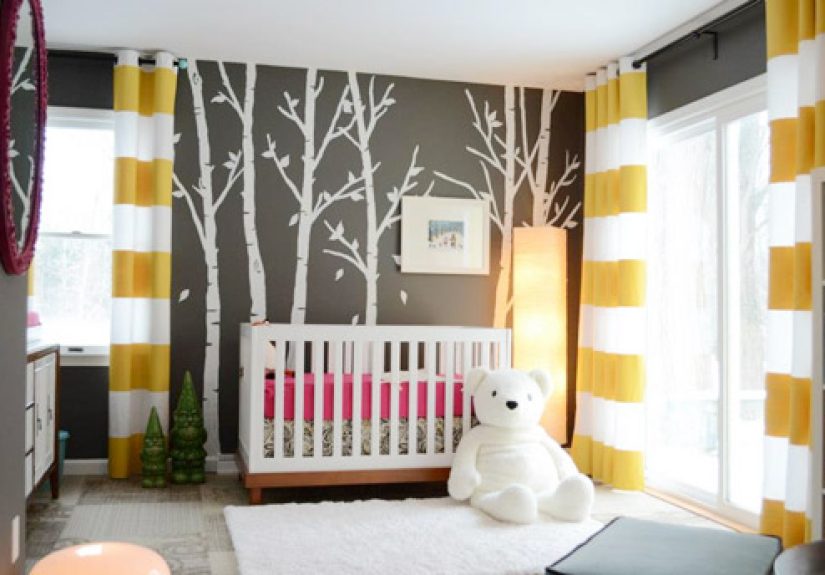
If you’ve ever browsed nursery inspiration online and thought, “Why do all the baby rooms look like pastel cotton candy clouds?”then buckle up. Today, we’re diving into a bold, moody, design-forward nursery inspired by the iconic makeover from Young House Love. This is not your typical powder-blue, bubblegum-pink situation. No. This is a dark gray nursery with a tree mural, striped curtains, and enough personality to make even the most design-savvy adults jealous.
Let’s explore how this style works, why parents across the U.S. are embracing richer tones, and how you can recreate this look without needing a master’s degree in interior design (or a bottomless renovation budget).
Why a Dark Gray Nursery Works Better Than You Think
Dark walls in a baby’s room? Absolutely. American design sitesfrom HGTV to Apartment Therapy to Better Homes & Gardenshave been championing deeper tones in nurseries for years because they create a cozy, womb-like environment. Dark gray, in particular, is beloved for its versatility. It straddles the line between being dramatic enough for a statement and neutral enough to let other elements shine.
A few reasons dark gray is winning parents over:
- It’s timeless. As your little one grows, gray doesn’t suddenly feel “babyish.” It transitions effortlessly into toddlerhood and beyond.
- It plays well with contrast. Crisp white trim? Pops of color? Natural wood? Dark gray makes everything around it look intentional.
- It instantly elevates the room. The right shade of charcoal gives the space a designer-level polishno custom cabinetry required.
If you’ve been scared to go dark, consider this your permission slip.
The Tree Mural: A Nature-Inspired Showstopper
One of the standout features in the Young House Love nursery is the oversized tree murala dreamy, calming backdrop that adds warmth without overpowering the room. Tree murals have been trending for over a decade in American nursery design because they strike the perfect balance between whimsical and sophisticated.
And don’t worryyou don’t need to be a muralist who moonlights at Disney Animation Studios. Many parents opt for one of these easier options:
- Stencil kits that guide the design for you
- Peel-and-stick wallpaper murals that transform a wall in under an hour
- Project-and-paint methods for people afraid of free-handing (no judgment!)
A tree motif works particularly well with gray walls because the contrast creates depth. The shadows of branches and the soft tones of birds or leaves turn the room into a serene mini-forestminus the bugs and humidity, thankfully.
The Magic of Striped Curtains
Black-and-white striped curtains became a signature Young House Love element years ago, and for good reason. They’re graphic, modern, and impossible to ignore. But beyond being pretty to look at, they serve several practical purposes:
- They elongate the room. Vertical stripes draw the eye upward, making the ceiling appear higher.
- They add movement. A dark gray room needs pattern to avoid feeling flat. Stripes add visual rhythm.
- They’re gender-neutral. Whether your baby is a boy, girl, or you prefer a “let’s just wait and see” approach, stripes are universal.
American design blogs often highlight stripes as a go-to choice because they pack a visual punch without requiring risky color combinations. Plus, they hide stains better than plain white curtainsa perk not spoken about enough in the parenting world.
Styling Tips to Recreate the Young House Love Look
This nursery design isn’t just pretty; it’s practical. Here are key elements to replicate the vibe while customizing it to your taste:
1. Choose the Right Gray
Not all grays are created equal. Some lean blue, others purple, and some make your walls look like wet cement. Stick with warm charcoal or deep slate tones recommended by U.S. color experts at Benjamin Moore and Sherwin-Williams.
Look for grays that pair well with white and natural wood since those materials typically pop best in nurseries.
2. Add Pops of White for Balance
Too much dark gray without relief can feel heavy. White trim, white furniture accents, and white frames can lighten the moodliterally and visually.
3. Bring in Natural Textures
A dark room doesn’t have to feel cold. Layer in warmth with:
- Rattan baskets
- Soft cotton or wool rugs
- Wooden toys and decor
Nature-inspired elements pair beautifully with the tree mural and help create a unified theme.
4. Keep Furniture Streamlined
Clean lines and modern silhouettes shine in moody rooms. Think simple cribs, minimalist shelving, and practical dressers that transition well as your child grows.
5. Add Soft Lighting
A dark nursery begs for layered lighting: a main overhead fixture, a table lamp for late-night diaper missions, and perhaps a dimmable nightlight to keep the room calm.
Warm bulbs (2700K–3000K) offer the cozy glow babies love.
Why Parents Are Falling in Love With Moody Nurseries
While traditional nurseries still have their charm, dark and moody rooms are having a moment in American interior design. Design psychologists note that deeper tones can create a grounding environment, which can be comforting for infants who are transitioning from the dark, cozy womb to the bright, loud outside world.
Meanwhile, parents love that a moody nursery doesn’t look temporary. Instead of redoing the room every few years, they can make small swapslike bedding, art, or furnitureas their child’s taste changes.
Plus, let’s be honest: dark gray walls hide scuffs, fingerprints, and mystery smudges far better than white does. And if you’ve ever spent 10 minutes trying to determine whether that spot on the wall is chocolate or something far more sinister, you know that’s a win.
Real-Life Examples From U.S. Homes
Across design communitiesfrom Pinterest to Houzz to countless Instagram home renovation accountsAmerican parents are embracing dramatic nurseries. Many feature dark walls with gold accents, rustic wood cribs, or soft botanical prints. Others lean into modern Scandinavian designs with monochrome palettes, geometric rugs, and black-and-white art.
The Young House Love approach lands comfortably in the middle: modern, warm, playful, and timeless. It’s a style that photographs beautifully but also holds up to daily usemilk spills, diaper explosions, and toddler-led “experiments” included.
Bringing Personality Into the Room
While you’re recreating this look, don’t forget to sprinkle in touches that feel uniquely “you.” Whether that means framed family photos, handmade quilts, vintage toys, or a bookshelf filled with your favorite childhood stories, the goal is to create a space that feels personal, inspiring, and comforting.
This nursery style isn’t meant to be museum-perfect. It’s designed to be lived in, rocked in, played in, and cherished for years.
Final Thoughts
A dark gray nursery with a tree mural and striped curtains proves that baby rooms don’t need to be cliché or overly sugary. They can be thoughtful, contemporary, and deeply soothingboth for the baby and the adults who spend many late nights there. With the right combination of color, pattern, lighting, and personal flair, you can create a nursery that feels like a tiny sanctuary.
Additional Experiences & Insights ()
Parents across the U.S. who have tried the dark gray nursery trend often share similar experiences: they’re surprised by how calm and grounding the room feels. One mother from Colorado described her child’s dark nursery as “the most relaxing room in the house,” even calling it her unofficial reading nook long after her son fell asleep.
Another family in North Carolina mentioned how easy the room was to maintain. Dark gray does a fantastic job hiding little imperfections that quickly accumulate in nurseriesespecially once toddlers start developing an interest in touching everything in sight. Crayon marks? Slightly hidden. Little foot kick marks? Barely noticeable.
One father in Oregon noted that the dark walls helped his baby sleep longer during daytime naps because they didn’t bounce sunlight around. Paired with blackout striped curtains, the room stayed dim and peaceful even on bright mornings. He joked that the room was “so soothing it made me sleepy during diaper changes.”
Parents who embraced murals also mentioned how much joy they got from the tree design. A mural feels special in a way that framed prints don’t. It’s immersive, larger-than-life, and meaningful. Some mentioned they enjoyed telling stories about “forest animals” during bedtime because the painted branches and birds became part of the storytelling ritual.
One practical tip that many experienced parents recommend is using washable paint finishes. Even if the walls are dark, little fingerprints can still appear glossy against matte paint. Eggshell or satin finishes are easier to wipe down without leaving streaks.
Another tip is to strategically layer lighting. Dark rooms benefit from multiple light sources so they don’t feel gloomy at night. Soft, diffused light in the corners creates a cozy glow that makes the room feel warm instead of cave-like.
Finally, many parents reflected on how the design aged gracefully. Instead of needing to repaint or redecorate the room in a few years, they only swapped out a few accessories as their children grew. A once-whimsical room easily became a “big kid” space with the addition of superhero prints or space-themed bedding.