Table of Contents >> Show >> Hide
- First: Salt vs. Sodium (Yes, They’re Related… But Not Twins)
- 1) Citrus (Juice + Zest): The “Turn Up the Lights” Trick
- 2) Vinegar (and Other Tangy Finishes): Salt’s Best Frenemy
- 3) Herbs (Fresh or Dried): Flavor Without the Sodium Bill
- 4) Aromatics (Garlic, Onion, Ginger): The Flavor Base That Does the Heavy Lifting
- 5) Pepper, Heat, and Smoke: When You Need Drama (In a Good Way)
- 6) Umami Boosters (Without Turning to Salt Bombs)
- 7) Potassium-Based Salt Substitutes (Potassium Chloride): Useful, But Not for Everyone
- Heart-Healthy Habits That Make Salt Substitutes Actually Work
- A Simple “Flavor Formula” You Can Use Tonight
- Conclusion: Lower Sodium, Bigger Flavor
- Real-Life Experiences: What It’s Like to Cook With Less Salt (About )
Salt is the culinary equivalent of a group chat: it makes everything louder, sometimes funnier, and occasionally a little out of control.
The good news? You don’t have to eat bland food to dial it back. You just need new “volume knobs” for flavor.
Most Americans get far more sodium than health experts recommend, and a lot of it comes from packaged and restaurant foodsnot the salt shaker at home.
Lowering sodium can support healthy blood pressure and long-term heart health, and it’s easier when your food still tastes like food (not like regret).
This guide shares seven salt substitutes (plus practical habits) that help you build a lower-sodium, heart-healthy routine without turning dinner into a punishment.
Note: If you have kidney disease, heart failure, or take certain medications (especially those that affect potassium), check with your clinician before using potassium-based salt substitutes.
First: Salt vs. Sodium (Yes, They’re Related… But Not Twins)
Table salt is sodium chloride. “Sodium” is the part your body uses for fluid balance and nerve/muscle functionbut too much can push blood pressure upward.
Health organizations commonly recommend keeping sodium under about 2,300 mg per day for most adults, with a lower target (around 1,500 mg) often advised for better blood pressure results.
Even a meaningful reduction (like cutting about 1,000 mg/day) can make a difference for many people.
Why salt is so sneaky
Sodium shows up in places you don’t expect: breads and wraps, deli meats, soups, sauces, frozen meals, pizza, and snacks.
So the “salt substitute” game isn’t just what you sprinkleit’s how you build flavor so you don’t need as much sodium in the first place.
1) Citrus (Juice + Zest): The “Turn Up the Lights” Trick
If salt makes flavors louder, acid makes flavors sharper. Lemon, lime, orange, and even grapefruit add brightness that can replace the “missing something” feeling when you cut salt.
Zest is especially powerful because it’s basically citrus perfume for your food.
Best uses
- Seafood + chicken: Finish with lemon juice, then add zest right before serving.
- Roasted vegetables: A squeeze of lemon wakes up carrots, broccoli, cauliflower, and Brussels sprouts.
- Soups: Add a teaspoon of lemon juice at the end instead of extra salt.
Try this
Make a “bright finish” bowl: lemon zest + chopped parsley + a little black pepper. Sprinkle on fish, potatoes, or veggies.
Your taste buds will think you worked harder than you did.
2) Vinegar (and Other Tangy Finishes): Salt’s Best Frenemy
Vinegar is the pantry MVP for low-sodium flavor. It adds punch, balances richness, and makes savory foods taste more complete.
Options include balsamic, apple cider vinegar, red wine vinegar, rice vinegar, and champagne vinegar.
Best uses
- Salads: A bold vinaigrette can reduce the need for salty toppings.
- Beans + greens: A splash of vinegar at the end makes them taste “seasoned.”
- Meats: Use vinegar in marinades to add depth without relying on salt-heavy sauces.
Try this
Quick low-sodium sauce: whisk 1 tbsp balsamic + 1 tbsp olive oil + Dijon mustard + garlic powder + pepper.
Spoon over roasted vegetables or grilled chicken.
3) Herbs (Fresh or Dried): Flavor Without the Sodium Bill
Herbs add complexity and aromatwo things salt can’t do on its own. Fresh herbs taste bright; dried herbs taste deeper and more concentrated.
The trick is matching the herb to the vibe of the dish.
Easy pairings
- Italian-ish: basil, oregano, thyme, rosemary
- Mediterranean: parsley, dill, mint, lemon zest
- Mexican-inspired: cilantro, lime, cumin
- Comfort foods: sage + thyme for chicken, soups, and roasted veggies
Try this
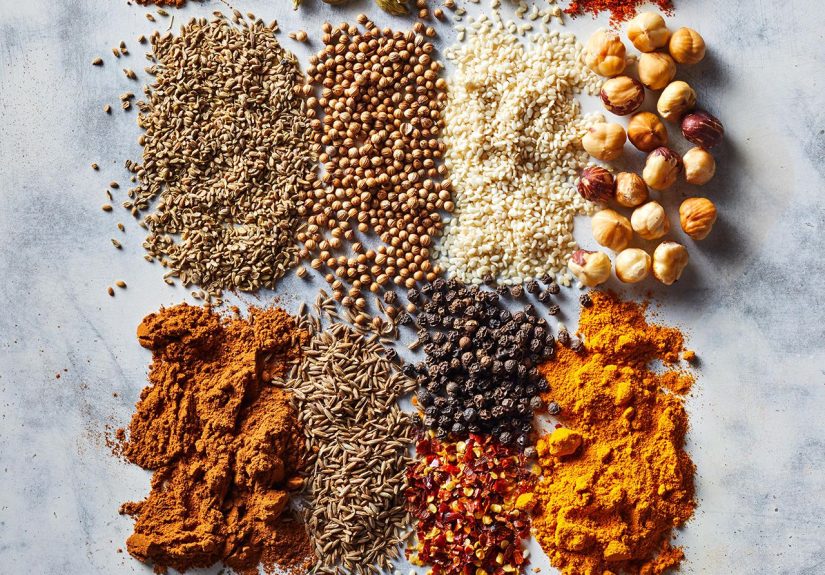
Salt-free “all-purpose” blend: 2 tbsp garlic powder + 2 tbsp onion powder + 1 tbsp paprika + 1 tbsp black pepper + 1 tbsp dried oregano.
Keep it in a jar and use it like you used salt.
4) Aromatics (Garlic, Onion, Ginger): The Flavor Base That Does the Heavy Lifting
Garlic and onion build savory depth, especially when sautéed until soft or caramelized.
Ginger adds warmth and a sweet-spicy edge, especially in stir-fries and soups.
Aromatics create a “foundation,” so your food tastes seasoned even with less sodium.
Best uses
- Soups + stews: Sauté onion/garlic first, then add your other ingredients.
- Ground meats: Mix in minced onion/garlic and herbs before cooking.
- Stir-fries: Fresh ginger + garlic + a splash of acid is a salt-reduction cheat code.
Try this
“Caramelization bonus”: Slowly cook sliced onions in a little oil for 20–30 minutes until golden-brown.
Add them to sandwiches, grains, or roasted vegetables for salty-tasting satisfaction with less sodium.
5) Pepper, Heat, and Smoke: When You Need Drama (In a Good Way)
Black pepper, crushed red pepper, chili powder, cayenne, and smoked paprika add boldness that can replace salt’s “bite.”
Heat is not the same as flavor, but it makes food feel excitingso you don’t chase salt for stimulation.
Best uses
- Eggs: Black pepper + paprika + a squeeze of lemon can replace heavy salting.
- Vegetables: Smoked paprika makes roasted veggies taste “restaurant-y.”
- Proteins: Chili rubs can carry the whole dish when sodium is low.
Try this
Make a low-sodium taco vibe: cumin + chili powder + smoked paprika + garlic powder + lime.
Use on chicken, beans, or roasted sweet potatoes.
6) Umami Boosters (Without Turning to Salt Bombs)
Umami is that savory “mmm” factor that makes food taste satisfying. Salt often gets credit for umami, but many foods supply it naturally.
The goal: build depth so you need less sodium to feel satisfied.
Low-sodium umami options
- Mushrooms: Sautéed mushrooms, dried mushroom powder, or roasted mushrooms add meaty depth.
- Tomato paste: Cook it briefly in oil to deepen flavor before adding liquids.
- Nutritional yeast: Adds a cheesy, savory note to popcorn, pasta, and veggies.
- Toasted sesame: Sesame oil (a few drops) or toasted sesame seeds can make simple dishes taste richer.
Try this
Fast umami “starter”: sauté mushrooms + a spoon of tomato paste + garlic, then fold into ground turkey, lentils, or a veggie chili.
Many people find they don’t miss the salt when the savory base is strong.
Quick caution: Some umami staples (soy sauce, miso, bouillon, many cheeses) can be very high in sodium.
If you use them, treat them like a tiny accentnot the main seasoning.
7) Potassium-Based Salt Substitutes (Potassium Chloride): Useful, But Not for Everyone
Potassium chloride (often sold as “salt substitute” or “lite salt”) mimics saltiness with far less sodium.
For some people, it’s a practical toolespecially for recipes where salt’s structure matters (like eggs, soups, and sauces).
But it can be risky if your body can’t handle extra potassium.
Who should be cautious (or avoid it unless cleared by a clinician)
- People with kidney disease or a history of high potassium
- People with certain heart or liver conditions
- People taking medications that can raise potassium (like some ACE inhibitors, ARBs, and potassium-sparing diuretics)
How to use it (if it’s safe for you)
Start small. Some people notice a slightly bitter or metallic taste if they use a lot at once.
Many “lite salt” blends mix sodium chloride and potassium chloride to smooth out flavor. The best approach is to combine a small amount
with the other substitutes on this list (acid, herbs, aromatics, and umami) so you don’t need much.
Heart-Healthy Habits That Make Salt Substitutes Actually Work
1) Use the Nutrition Facts label like a superpower
The FDA’s Daily Value for sodium is 2,300 mg. As a quick label hack, 5% DV or less per serving is considered low, and 20% DV or more is considered high.
Compare brandsyou’ll be shocked how much sodium can vary in the “same” food.
2) Rely less on packaged foods (where most sodium lives)
Cooking more at home doesn’t require becoming a chef. It can be as simple as rotating three easy meals and repeating them until your future self says thank you.
Fresh or frozen vegetables without sauce, plain proteins, and simple grains are easier to control.
3) Rinse canned beans and vegetables
If canned foods are part of your real life (same), choose “no salt added” when possible.
When that’s not available, draining and rinsing can reduce some sodiumespecially for beans.
4) Change your palate gradually
If you cut salt overnight, your taste buds may file a complaint. A gradual reduction tends to be more sustainable.
Many people adjust in a few weeks and start noticing the natural flavors in food more clearly.
5) Consider the DASH-style approach
DASH (Dietary Approaches to Stop Hypertension) emphasizes fruits, vegetables, whole grains, lean proteins, and lower sodium.
It’s widely recommended as a heart-healthy eating pattern, and it tends to work even better when sodium is kept closer to the lower targets.
A Simple “Flavor Formula” You Can Use Tonight
When food tastes flat, don’t immediately reach for salt. Run through this quick checklist:
- Acid: lemon juice or vinegar
- Aromatics: garlic/onion/ginger
- Herbs/spices: choose a theme (Italian, Mexican, Mediterranean)
- Umami: mushrooms, tomato paste, nutritional yeast
- Heat: black pepper or chili
Most dishes only need one or two of these to feel “finished.” Once you get the hang of it, you’ll season with intention instead of habit.
Conclusion: Lower Sodium, Bigger Flavor
Cutting back on salt doesn’t mean eating boring foodit means building flavor differently.
Citrus, vinegar, herbs, aromatics, heat, and umami can do a lot of the heavy lifting, and potassium-based salt substitutes can be helpful for some people
(with the right safety checks). Pair those swaps with label reading, a gradual transition, and more home cooking, and you’ll have heart-healthy habits
that actually stick.
Real-Life Experiences: What It’s Like to Cook With Less Salt (About )
People who start cutting back on sodium often describe the first week as “Wait… did I forget something?” That’s normal. Salt is a fast flavor shortcut,
and your brain is used to it. A common experience is that the first low-sodium meals can taste a little mutedlike your favorite song playing
through a wall. The trick is not to panic-salt. Instead, add a squeeze of lemon, a splash of vinegar, or a stronger spice blend and see what happens.
Many home cooks report a funny moment where the dish suddenly tastes “complete,” and they realize they weren’t craving saltthey were craving contrast.
Another frequent experience: the “restaurant hangover.” After a week or two of home cooking with less sodium, eating a salty takeout meal can taste
shockingly intense. Some people describe it as “my mouth feels thirsty,” or “I can taste the salt more than the food.” That shift is a sign your palate
is adapting. It’s also why gradual change worksyour taste buds recalibrate. Over time, foods like fresh tomatoes, roasted carrots, herbs, and even plain
chicken start tasting more interesting because your senses aren’t being drowned out by sodium.
Many people discover that their biggest salt habit wasn’t the shakerit was sauces. Soy sauce, bottled dressings, “seasoning packets,” and bouillon can
quietly stack sodium. The practical experience here is learning to build a quick sauce that’s punchy without being salty: olive oil + vinegar + mustard,
or yogurt + lemon + garlic + dill. Once someone has two or three of these go-to sauces, the whole lifestyle becomes easier. It stops feeling like
“restriction” and starts feeling like “I have options.”
There’s also a common learning curve with herbs and spices. The first attempt might be timid: a sprinkle of dried basil and hope. The second attempt is
usually bolderand better. People often say the turning point is when they start tasting as they cook and adding layers: sauté onion and garlic first,
toast spices for 30 seconds, finish with lemon or vinegar, and then add fresh herbs right at the end. That sequencing matters. It’s like building a
playlist: you can’t put all the best songs at the beginning and expect the ending to feel special.
Finally, many folks find motivation in small wins. Maybe it’s noticing less bloating after salty meals, or feeling more confident reading labels, or
realizing they can enjoy popcorn with nutritional yeast and spices instead of a salty coating. The most sustainable experience isn’t “never eat salt
again.” It’s learning that flavor has more than one doorand you get to choose the one that supports your heart without sacrificing joy.