Table of Contents >> Show >> Hide
- What Is Perimenopause, Really?
- What Is Creatine?
- Why Creatine May Be Especially Useful During Perimenopause
- Creatine for Muscle: Strength, Lean Mass, and Better Workouts
- Creatine and Mood During Perimenopause
- Creatine, Brain Fog, and Mental Energy
- Creatine and Sleep: What It Can and Cannot Do
- How Much Creatine Should Women in Perimenopause Take?
- Possible Side Effects and Safety Tips
- Creatine Myths Women Can Happily Retire
- Best Food and Lifestyle Pairings for Creatine
- Who May Benefit Most From Creatine During Perimenopause?
- A Practical Creatine Routine for Perimenopause
- Experience-Based Section: What Creatine May Feel Like in Real Perimenopause Life
- Conclusion
Perimenopause can feel like your body suddenly installed mystery software overnight. One week your workouts feel strong, the next week your legs have the enthusiasm of overcooked spaghetti. Sleep may get lighter, mood may get spicier, and muscle tone may become harder to maintain even if your habits have not changed much. Welcome to the hormonal transition zone: not exactly a vacation, but definitely something you can learn to navigate.
One supplement getting serious attention for women in midlife is creatine. Once marketed mainly to bodybuilders and college athletes carrying gallon water jugs, creatine is now being discussed for perimenopause, muscle health, strength, brain energy, mood support, and workout recovery. The exciting part? Creatine is not a trendy “detox fairy dust.” It is one of the most studied sports nutrition supplements, and creatine monohydrate is inexpensive, widely available, and generally well tolerated by healthy adults when used appropriately.
Still, creatine is not a magic wand. It works best when paired with resistance training, enough protein, quality sleep habits, hydration, and realistic expectations. Think of it less like a miracle pill and more like a helpful battery pack for muscles and possibly the brain.
What Is Perimenopause, Really?
Perimenopause is the transition leading up to menopause, when estrogen and progesterone levels begin to fluctuate. It can start in the 40s, sometimes earlier, and may last several years. Symptoms vary widely. Some women barely notice the shift, while others feel as if their internal thermostat, calendar, and patience button have all joined a garage band.
Common perimenopause symptoms include irregular periods, hot flashes, night sweats, sleep disturbances, mood swings, brain fog, fatigue, changes in body composition, and reduced exercise recovery. Many women also notice that muscle is harder to build and easier to lose. This is not because they suddenly became lazy. Hormonal changes can influence metabolism, sleep, inflammation, insulin sensitivity, and how the body responds to training.
What Is Creatine?
Creatine is a natural compound made from amino acids. Your body produces it, and you also get small amounts from foods such as meat and fish. Most creatine is stored in skeletal muscle, where it helps regenerate adenosine triphosphate, or ATP, the quick-energy molecule your cells use during short bursts of effort.
In plain English, creatine helps your muscles recycle energy faster. That matters during strength training, sprinting, climbing stairs, lifting groceries, or standing up from a low couch without making the sound effects of a haunted door. Creatine monohydrate is the most researched form and is usually the best choice for most people.
Why Creatine May Be Especially Useful During Perimenopause
Women naturally store less creatine than men on average, partly because of differences in muscle mass and dietary patterns. During perimenopause, shifting estrogen levels may influence muscle protein turnover, energy metabolism, and recovery. That does not mean every woman needs creatine, but it does explain why creatine benefits for perimenopause are attracting more attention.
Creatine may help support three areas many women care about in midlife: muscle, mood, and sleep-related energy. The research is strongest for muscle performance and strength when creatine is combined with resistance training. Evidence for mood, cognition, and sleep-related fatigue is promising but still developing. Translation: creatine deserves a seat at the table, but it should not be crowned queen of the kingdom just yet.
Creatine for Muscle: Strength, Lean Mass, and Better Workouts
Muscle is not just about looking toned in a tank top, though that is a perfectly respectable goal. Muscle helps regulate blood sugar, supports bone health, protects joints, improves balance, and keeps everyday tasks easier. During perimenopause and after menopause, preserving muscle becomes more important because age-related muscle loss can gradually affect mobility and metabolic health.
Creatine can help increase phosphocreatine stores in muscle. With more stored quick energy available, you may be able to complete one or two more reps, recover better between sets, or train with slightly more intensity. Over time, those small improvements can add up. A few extra quality reps each week can become stronger legs, better posture, and fewer dramatic negotiations with the laundry basket.
Creatine Works Best With Resistance Training
The most practical way to use creatine for perimenopause is to pair it with strength training two to four days per week. This does not mean you need to become a powerlifter unless you want to. Resistance training can include dumbbells, machines, kettlebells, resistance bands, bodyweight exercises, or a combination.
Useful exercises include squats, deadlifts, lunges, step-ups, rows, chest presses, overhead presses, and core work. Start with a level that feels challenging but manageable. Progress gradually by adding weight, reps, sets, or improved control. Creatine may help your body handle this progressive overload more effectively.
Can Creatine Help With Belly Fat?
Creatine is not a fat burner. It will not directly melt midlife belly fat, and any product claiming otherwise should be treated with the same suspicion as a “one weird trick” ad. However, creatine may indirectly support body composition by helping you train harder, build or preserve lean muscle, and improve exercise consistency.
More muscle can support a healthier metabolism, but fat loss still depends on overall lifestyle: nutrition, protein intake, sleep, stress management, strength training, and daily movement. Creatine is part of the toolbox, not the whole hardware store.
Creatine and Mood During Perimenopause
Mood changes during perimenopause are real. Irritability, anxiety, low motivation, tearfulness, and brain fog can appear even in women who previously felt emotionally steady. Hormonal fluctuations, poor sleep, stress, blood sugar swings, and life responsibilities can all pile on at once. It is hard to feel serene when your hormones are playing jazz and your calendar is playing dodgeball.
Creatine may support mood because the brain also uses ATP. Some research suggests creatine may influence brain energy metabolism and may have potential as an add-on strategy in depression treatment, especially when combined with standard care. This does not mean creatine replaces therapy, medication, sunlight, social support, or a serious conversation with a healthcare professional. It simply means creatine is being studied for more than biceps.
For perimenopausal women who feel mentally drained, creatine may be worth discussing with a clinician, especially if they are already strength training and eating enough protein. The key word is “support.” Creatine may help the foundation, but mood health usually needs a full plan.
Creatine, Brain Fog, and Mental Energy
Brain fog is one of the most frustrating perimenopause complaints. You may walk into a room and forget why, open your phone and forget what you were checking, or call the dishwasher “the plate bathtub.” It happens.
Creatine may help cognitive performance in certain situations, particularly when the brain is under stress, such as sleep deprivation or heavy mental demand. Research is still mixed, but the idea is biologically plausible: the brain needs energy, and creatine helps buffer quick energy demands. Some studies suggest possible benefits for memory, attention, or processing speed, especially in older adults or stressed conditions.
For everyday use, do not expect creatine to turn you into a human spreadsheet. But combined with sleep routines, strength training, balanced meals, and stress reduction, it may support mental stamina.
Creatine and Sleep: What It Can and Cannot Do
Creatine is not a sleeping pill. It does not sedate you, increase melatonin, or tuck you in with a tiny blanket. However, it may help with the consequences of poor sleep. That distinction matters.
Perimenopause can disrupt sleep through night sweats, temperature changes, anxiety, and early-morning waking. Poor sleep then affects hunger, mood, workout recovery, and motivation. Some early research suggests creatine may help reduce mental fatigue or cognitive decline during sleep deprivation. This does not mean you should use creatine as permission to ignore sleep. The goal is still to improve sleep quality, not become a well-supplemented zombie.
How to Pair Creatine With Better Sleep Habits
Take creatine at a time you can remember consistently. Morning, afternoon, or post-workout all work for many people. Creatine is not a stimulant, but if taking any supplement at night makes you feel uncomfortable or bloated, take it earlier in the day.
For better sleep during perimenopause, also consider a cool bedroom, consistent wake time, limited evening alcohol, a wind-down routine, strength training earlier in the day if evening workouts feel too energizing, and medical support for severe night sweats or insomnia.
How Much Creatine Should Women in Perimenopause Take?
A common daily dose is 3 to 5 grams of creatine monohydrate. Many people do not need a loading phase. Loading usually means taking about 20 grams per day divided into several doses for five to seven days, but it can cause stomach upset or bloating. A steady daily dose works more slowly but is simpler and easier on the digestive system.
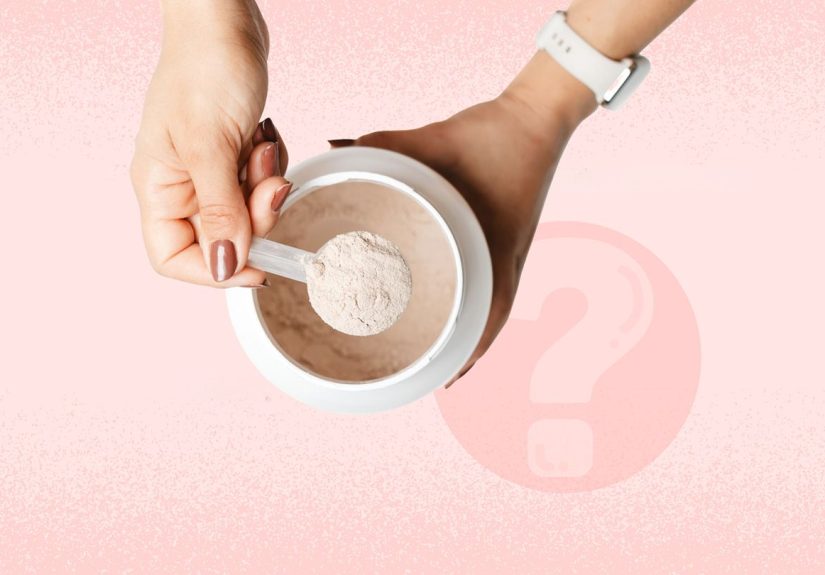
Creatine saturation takes time. Some people notice workout improvements within two to four weeks; others need longer. Consistency matters more than perfect timing. Add it to coffee, a smoothie, water, or yogurt. If it settles at the bottom like stubborn beach sand, stir again and keep living your life.
Possible Side Effects and Safety Tips
Creatine monohydrate is generally considered safe for healthy adults when used at recommended doses. The most common side effects are mild water retention, temporary weight gain, bloating, or digestive discomfort, especially with higher doses. The weight gain is usually water stored in muscle, not instant fat gain. Your jeans are not being personally attacked.
People with kidney disease, reduced kidney function, uncontrolled high blood pressure, liver disease, or complex medical conditions should speak with a healthcare professional before using creatine. Anyone who is pregnant, breastfeeding, taking medications that affect kidney function, or preparing for lab work should also ask a clinician. Creatine can raise blood creatinine levels, which may affect how kidney labs are interpreted even when kidney function is normal.
Choose a Quality Supplement
Because dietary supplements are not approved by the FDA for safety and effectiveness before they are sold, quality matters. Choose creatine monohydrate from a reputable brand. Look for third-party testing from organizations such as NSF Certified for Sport, USP, Informed Choice, or similar independent programs. Avoid proprietary blends that hide ingredient amounts. Simple is good. Creatine does not need glitter, a 19-ingredient “hormone matrix,” or a label that sounds like a superhero movie.
Creatine Myths Women Can Happily Retire
Myth 1: Creatine Is Only for Men
Nope. Women can benefit from creatine too, especially when strength, lean mass, and training performance are goals. Perimenopause may actually be a time when muscle-supportive strategies become more valuable.
Myth 2: Creatine Makes Women Bulky
Creatine does not automatically create large muscles. Building significant muscle requires progressive training, enough calories, enough protein, and time. Most women using creatine with moderate strength training notice better performance, improved muscle tone, or easier recovery rather than sudden superhero shoulders.
Myth 3: Creatine Is a Stimulant
Creatine is not caffeine. It does not directly stimulate the nervous system. It supports cellular energy recycling, mainly in muscle and possibly in the brain.
Myth 4: Creatine Damages Healthy Kidneys
Research does not support the idea that recommended creatine use damages healthy kidneys. However, people with kidney disease or risk factors should get medical guidance before taking it.
Best Food and Lifestyle Pairings for Creatine
Creatine works better when the rest of your lifestyle is not held together with iced coffee and wishful thinking. Aim for protein at each meal, especially breakfast. Many women in perimenopause under-eat protein, then wonder why strength training feels like dragging a sofa uphill.
Good protein sources include eggs, Greek yogurt, cottage cheese, fish, chicken, turkey, tofu, tempeh, lentils, beans, and lean beef. Carbohydrates also matter because they fuel training and support recovery. Add fiber-rich foods such as vegetables, fruit, oats, beans, and whole grains. Healthy fats from olive oil, avocado, nuts, seeds, and fatty fish can support heart health during midlife.
For exercise, combine strength training with walking, cycling, swimming, yoga, mobility work, or whatever movement you will actually repeat. The “best” workout is not the one that looks impressive online. It is the one you can do consistently without needing three motivational speeches and a dramatic soundtrack.
Who May Benefit Most From Creatine During Perimenopause?
Creatine may be especially useful for women who are strength training, noticing reduced power or recovery, eating little meat or fish, trying to preserve lean mass, dealing with midlife fatigue, or wanting extra support for high-demand work and family schedules. Vegetarians and vegans may respond well because their dietary creatine intake is typically lower.
Women who are not exercising at all may still take creatine, but the muscle benefits are usually strongest when paired with resistance training. If you want creatine to help your muscles, give your muscles a reason to adapt.
A Practical Creatine Routine for Perimenopause
Start with 3 grams per day for one week to assess tolerance. If digestion feels fine, increase to 5 grams daily if desired. Take it with a meal, smoothie, or post-workout drink. Drink normal fluids throughout the day. You do not need to chug water like you are preparing for a desert expedition.
Track simple markers for eight weeks: workout performance, energy, recovery, sleep quality, mood, digestion, and body measurements if that is emotionally neutral for you. Do not judge creatine only by the scale because early water weight can hide body composition improvements.
Experience-Based Section: What Creatine May Feel Like in Real Perimenopause Life
Imagine a woman in her late 40s who used to enjoy strength training but lately feels like every workout requires a committee meeting. She is sleeping lightly, waking around 3:30 a.m., and noticing that her usual dumbbells feel heavier. She starts taking 3 to 5 grams of creatine monohydrate each morning with breakfast. Nothing dramatic happens the first day. No lightning bolt. No instant abs. The powder simply disappears into her coffee, and life continues.
By week three, she notices small changes. Her legs feel less wiped out after squats. She adds one more rep on rows. Her weekend hike does not leave her as sore. She still has perimenopause symptoms, because creatine is not a hormone therapy, but her workouts feel less like punishment. That matters because consistency is the secret sauce of midlife fitness.
Another woman may try creatine during a stressful season with poor sleep. She does not sleep longer right away, but she feels slightly less mentally flattened after restless nights. She still needs better bedtime boundaries, fewer late-night emails, and maybe a conversation with her clinician about night sweats. But creatine gives her a little more training confidence, and that confidence helps her return to a routine.
Some women feel bloated at first, especially if they start with a large dose. In that case, lowering the dose, taking it with food, or splitting the amount can help. Others notice a pound or two on the scale and panic. But this early change is often water inside muscle cells, not fat. In fact, better-hydrated muscle may be part of why creatine supports training performance.
The best experience with creatine is usually boring in the best way. You take it daily. You lift weights. You eat protein. You sleep as well as your hormones allow. Slowly, your body begins giving you fewer “absolutely not” messages and more “fine, we can do this” messages. That is not flashy, but it is powerful.
Real success also means knowing when creatine is not enough. If mood changes feel severe, sleep is consistently poor, periods are extremely heavy, hot flashes are intense, or fatigue feels abnormal, it is time for medical support. Perimenopause is common, but suffering silently should not be the default setting.
Creatine can be a smart tool for perimenopause, especially for women who want to protect muscle, support training, and possibly help mental energy. It is simple, affordable, and backed by far more research than many wellness trends. Just remember: the goal is not to “hack” perimenopause like it is a faulty laptop. The goal is to support your body through a real biological transition with strength, patience, and maybe a little humor.
Conclusion
Creatine benefits for perimenopause are most convincing when it comes to muscle strength, lean mass support, and workout performance. Emerging research also suggests possible benefits for brain energy, mood support, and fatigue during poor sleep, though more studies in perimenopausal women are needed. For many healthy women, 3 to 5 grams of creatine monohydrate daily can be a practical addition to a midlife wellness routine.
The smartest approach is simple: choose creatine monohydrate, use it consistently, strength train at least twice per week, eat enough protein, prioritize sleep habits, and talk with a healthcare professional if you have medical concerns. Creatine is not a cure for perimenopause, but it may help you feel stronger while your hormones are busy improvising.
Note: This article is for educational purposes only and does not replace medical advice. Always consult a qualified healthcare professional before starting creatine if you have kidney disease, take medications affecting kidney function, are pregnant or breastfeeding, or have ongoing health concerns.