Table of Contents >> Show >> Hide
- Why the Lumberlander Camp Blanket Still Feels Like a Campfire Classic
- What Makes the Lumberlander Camp Blanket Different?
- Best Uses for the Lumberlander Camp Blanket
- Lumberlander Camp Blanket vs. Other Camping Blankets
- How Warm Is the Lumberlander Camp Blanket?
- Care Tips: How to Keep a Wool Camp Blanket Looking Great
- Who Should Buy the Lumberlander Camp Blanket?
- What to Look for When Buying a Camp Blanket Like the Lumberlander
- Real Experiences With the Lumberlander Camp Blanket
- Conclusion: A Blanket With Backbone, Warmth, and Character
Note: This article is written for web publishing and focuses on the Lumberlander Camp Blanket as a heritage-style outdoor blanket, combining real product details with practical camp-blanket buying, care, and usage guidance.
Why the Lumberlander Camp Blanket Still Feels Like a Campfire Classic
The Lumberlander Camp Blanket is not the kind of blanket that politely sits in a linen closet waiting for Thanksgiving guests. It looks like it wants to be thrown over a cabin bed, rolled into the back of a truck, wrapped around chilly shoulders beside a fire pit, and casually admired by someone holding a tin mug of coffee. In other words, it has that rare “use me hard, but please appreciate my craftsmanship” energy.
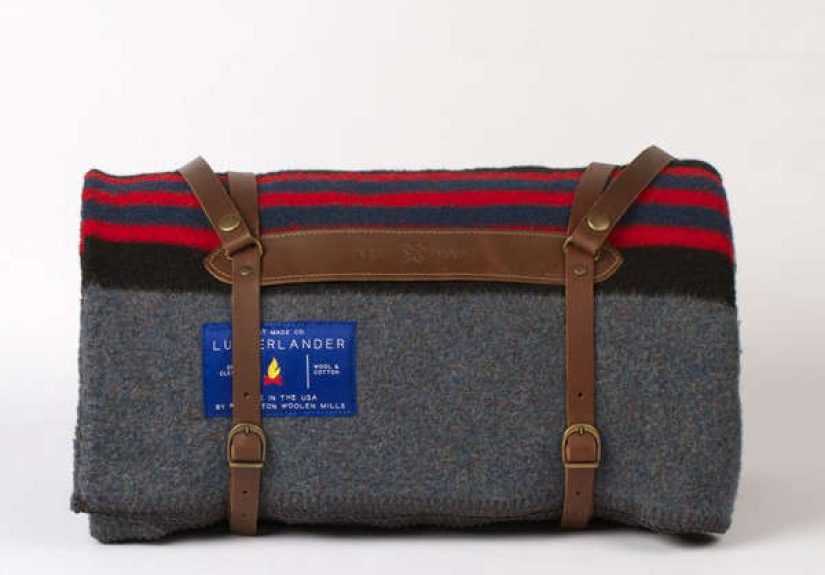
Originally released by Best Made Company, the Lumberlander Camp Blanket was designed in New York and made in the United States by Pendleton Woolen Mills. That alone gives it serious outdoor credibility. Pendleton is one of the most recognized names in American wool goods, and Best Made built its identity around durable, beautifully designed gear with a frontier-meets-modern-workshop personality. The result is a blanket that feels less like a random camping accessory and more like something your future grandkids might fight over, politely at first.
At its core, the Lumberlander is a wool camp blanket made for warmth, resilience, and old-school comfort. It measures approximately 72 inches by 66 inches, making it large enough for one person to wrap up generously or for two people to share during a cold evening outdoors. The material blend is 86% wool and 14% cotton, a combination that balances natural insulation with a softer hand-feel than many rugged wool blankets. It was woven on a dobby loom in Washougal, Washington, and finished with tucked selvage sides and whipstitched edges.
Translation? It is not just “a blanket.” It is a blanket with a résumé.
What Makes the Lumberlander Camp Blanket Different?
American-Made Craftsmanship
One of the strongest selling points of the Lumberlander Camp Blanket is its American-made construction. In an outdoor gear market full of synthetic throws, fast-fashion fleece, and mystery-material blankets that feel like they were designed by a spreadsheet, the Lumberlander stands out because it leans into traditional textile manufacturing.
The blanket was made by Pendleton Woolen Mills, a company associated with high-quality wool blankets, Native American-inspired patterns, national park blankets, and long-lasting home and outdoor textiles. The Lumberlander’s production in Washougal, Washington, gives it a sense of place. It is not trying to be the lightest blanket on Earth or compress down to the size of a sandwich. Instead, it is designed to feel substantial, dependable, and handsome enough to live on a sofa when it is not out earning pine-needle scratches.
A Practical Wool-Cotton Blend
Wool is the star of the show. It naturally insulates, handles cool weather beautifully, and performs better than many materials when conditions are damp. That matters because real camping rarely happens in perfect brochure weather. There is always fog, dew, spilled coffee, or one friend who insists the tent is “definitely waterproof” while water slowly enters like a villain in a silent movie.
The Lumberlander uses 86% wool, which gives it warmth, breathability, and that classic camp-blanket density. The 14% cotton content helps soften the feel, making it more inviting for people who love wool’s performance but do not want to feel like they are being hugged by a very judgmental sheep.
Designed for Camp, Cabin, and Home
Some outdoor products look strange indoors. A neon technical blanket may be fantastic at a trailhead, but on a living room chair it can look like a sleeping bag had a midlife crisis. The Lumberlander Camp Blanket has the opposite appeal. Its colorsgray, blue, black, and Best Made’s famous redgive it a heritage look that works in a cabin, apartment, farmhouse, van build, reading nook, or guest room.
This is one reason camp blankets remain popular: they are flexible. You can use one as a top layer over a sleeping bag, a fireside wrap, a picnic blanket, an emergency blanket in the car, or a decorative throw. The Lumberlander fits especially well into that multi-use category because it has enough style to stay visible and enough toughness to be useful.
Best Uses for the Lumberlander Camp Blanket
Car Camping and Cabin Trips
The Lumberlander is ideal for car camping and cabin weekends. Since wool blankets are usually heavier than down or synthetic puffy blankets, this is not the first item most backpackers would choose for a long-distance hike. But if you are driving to camp, staying in a cabin, sleeping in a camper, or spending the weekend at a lakeside rental, the weight becomes less of a problem and the comfort becomes the main event.
Spread it over your sleeping bag for extra warmth. Fold it at the foot of a bed. Wrap it around your shoulders while watching the fire. Use it as a barrier between you and a cold bench. It is the kind of gear that quietly solves five problems before breakfast.
Campfire Evenings
Wool has a major advantage around campfires: it is naturally more flame resistant than many synthetic materials. That does not mean you should toss the Lumberlander into sparks like a medieval warrior proving a point. But compared with polyester fleece or lightweight nylon blankets, wool is generally a smarter choice near open flames.
This makes the Lumberlander especially appealing for people who love sitting by the fire after sunset. It offers warmth without the plasticky feel of some outdoor blankets, and it carries the visual mood of classic camp life. Add a mug of cocoa and a sky full of stars, and suddenly everyone becomes philosophical. Even the person who forgot the matches.
Emergency Car Kit
A wool camp blanket also makes sense as part of a vehicle emergency kit. Cold-weather drivers often keep blankets in the trunk for breakdowns, unexpected delays, winter storms, or roadside situations. Because wool can retain insulating value even when damp, it is a practical material for unpredictable conditions.
The Lumberlander’s leather sling adds portability and makes it easy to store or carry. While it may be too handsome to hide permanently in the trunk, it is exactly the kind of item that can move between home, road trips, and outdoor adventures without feeling out of place.
Home Decor With a Useful Backbone
The best outdoor gear earns bonus points when it also improves your home. The Lumberlander Camp Blanket does that well. Its heritage pattern and rich colors make it a strong accent piece on a sofa, leather chair, daybed, or guest bed. Unlike purely decorative throws, it does not exist only to look pretty while silently judging your laundry habits. It can actually keep you warm.
For rustic, lodge, farmhouse, industrial, or modern cabin interiors, a wool camp blanket adds texture and character. It says, “Yes, I read books by the fire,” even if the book is upside down and you are actually scrolling on your phone.
Lumberlander Camp Blanket vs. Other Camping Blankets
Compared With Synthetic Puffy Blankets
Synthetic puffy blankets are popular because they are lightweight, compressible, and often water-resistant. They are excellent for backpacking, festival camping, and situations where pack size matters. However, they can feel less natural against the skin and may be vulnerable to sparks, heat, and abrasion depending on the shell fabric.
The Lumberlander Camp Blanket is heavier and less packable, but it feels more durable, timeless, and home-like. It is better for people who value warmth, aesthetics, and longevity over ultralight performance.
Compared With Fleece Blankets
Fleece blankets are affordable, soft, and easy to wash. They are great for casual use, kids, pets, and low-stress outings. But fleece is typically synthetic, and it does not offer the same heritage appeal or natural fire resistance associated with wool.
The Lumberlander is more expensive and requires more careful maintenance, but it delivers a richer texture, stronger visual identity, and better long-term character. Fleece is the friendly golden retriever of blankets. The Lumberlander is the quiet old cabin dog who knows where the good trails are.
Compared With Military-Style Wool Blankets
Military-style wool blankets are often rugged, affordable, and practical. Many are wool blends and can be useful for emergency kits or bushcraft-style camping. However, they may feel scratchier, thinner, or more utilitarian than a premium woven camp blanket.
The Lumberlander offers a more refined finish, better design appeal, and a softer feel thanks to its wool-cotton blend. It is not just a survival blanket; it is a lifestyle piece that can move from camp to couch without looking like it got lost on the way to an army surplus store.
How Warm Is the Lumberlander Camp Blanket?
The Lumberlander Camp Blanket is best understood as a cool-weather layering blanket rather than a stand-alone winter sleep system. For mild fall nights, chilly mornings, fireside lounging, and extra insulation in a cabin, it performs beautifully. For freezing temperatures, you would still want a proper sleeping bag, insulated sleeping pad, and weather-appropriate shelter.
Wool works by trapping air in its fibers while also helping manage moisture. That means the blanket can feel warm without becoming as clammy as some synthetic options. The 72-inch by 66-inch size gives enough coverage for wrapping, layering, or folding double over the lap. If you sleep cold, you will appreciate it most as an extra layer over bedding or a sleeping bag.
Care Tips: How to Keep a Wool Camp Blanket Looking Great
Follow the Care Label First
Wool blankets deserve respect. Before cleaning the Lumberlander Camp Blanket, always check the care label or manufacturer guidance. Many premium wool blankets are dry-clean-only unless specifically labeled as washable. Washing wool incorrectly can cause shrinking, felting, stiffness, color changes, or a texture shift that turns your heirloom blanket into a very expensive dog mat.
Air It Out Often
One of the easiest ways to care for wool is also one of the most overlooked: air it out. After a camping trip, shake the blanket outdoors, hang it in fresh air, and let moisture evaporate completely before storing it. This helps reduce odors and keeps the fibers fresh.
Brush and Spot Clean
For dirt, dust, or dried debris, use a soft fabric brush and move in one direction. For small spills, blot gently rather than rubbing aggressively. Rubbing can push stains deeper into the fibers and disturb the surface. If a stain is serious, professional cleaning is usually safer than experimental kitchen chemistry. Vinegar, baking soda, hot water, and panic are not a cleaning strategy.
Store It Dry and Protected
When storing a wool blanket, make sure it is completely dry. Keep it in a breathable cotton storage bag or a clean trunk with natural moth deterrents such as cedar. Avoid sealing damp wool in plastic for long periods, because trapped moisture can lead to musty smells. Wool is tough, but it is not magic. It appreciates basic manners.
Who Should Buy the Lumberlander Camp Blanket?
The Lumberlander Camp Blanket is best for people who appreciate heritage gear, American manufacturing, traditional wool textiles, and products that look as good indoors as they perform outdoors. It is especially appealing if you enjoy car camping, cabin weekends, backyard fire pits, road trips, and rustic home design.
It may not be the best choice if your priority is ultralight backpacking, machine-wash convenience, or the lowest possible price. A synthetic camping blanket will likely be lighter and easier to clean. A basic fleece throw will be cheaper. But neither will have the same combination of Pendleton craftsmanship, wool warmth, Best Made design, and collectible camp character.
What to Look for When Buying a Camp Blanket Like the Lumberlander
Material Content
Check the fiber blend. Higher wool content usually means better natural warmth, breathability, and fire resistance. Cotton can add softness, while synthetic fibers may improve durability or reduce cost. The Lumberlander’s 86% wool and 14% cotton blend gives it a strong natural-fiber identity with a more comfortable touch.
Size and Coverage
A camp blanket should be large enough to wrap around your body, cover your sleeping setup, or share in a pinch. At 72 inches by 66 inches, the Lumberlander offers practical coverage without becoming a full oversized bed blanket.
Portability
The included leather sling is a useful detail. It allows the blanket to be rolled and carried more easily, which matters for picnics, car camping, outdoor concerts, and cabin weekends. A blanket that is easy to grab is a blanket that gets used.
Finish and Durability
Details like tucked selvage sides and whipstitched edges help protect the structure of a woven blanket. These finishing touches matter because camp blankets face more friction, folding, dragging, and outdoor exposure than ordinary bed blankets.
Real Experiences With the Lumberlander Camp Blanket
The first thing you notice about a blanket like the Lumberlander is weight. Not bad weight. Good weight. The kind of weight that makes you say, “Ah, yes, this object understands responsibility.” When you pull it over your lap on a cold evening, it settles in with a comforting density that lightweight throws rarely provide. It does not float around or slide off the way slick synthetic blankets sometimes do. It stays put, which is exactly what you want when the temperature drops and your camp chair suddenly feels like it was carved from an iceberg.
On a cabin trip, the Lumberlander feels especially at home. Imagine arriving after dark, dropping your bag near the door, and finding the room colder than expected because someone forgot that “rustic charm” often means “heating with personality issues.” A wool camp blanket becomes the first thing you reach for. Tossed over the bed, it adds instant warmth. Wrapped around your shoulders, it turns a chilly kitchen coffee session into something cozy and cinematic. You may still be eating instant oatmeal from a paper cup, but emotionally, you are in a catalog.
Around the campfire, the Lumberlander shows why traditional wool blankets have never really gone out of style. It feels secure without being stuffy. It blocks the edge of the cold while still breathing enough to stay comfortable. When the fire burns low and everyone starts doing that subtle outdoor mathhow long can I stay here before admitting I am freezing?a good wool blanket extends the evening. It gives you twenty more minutes of conversation, another marshmallow, or one more attempt to identify a constellation with complete confidence and almost no accuracy.
For road trips, the blanket is equally useful. Rolled in its sling, it can sit in the back seat or cargo area, ready for scenic overlooks, picnic stops, outdoor concerts, or unexpected motel blankets that feel suspiciously thin. It is not the smallest blanket you can pack, but it brings comfort that feels intentional. There is a difference between carrying “something warm” and carrying something that makes a place feel better the moment you unfold it.
At home, the Lumberlander becomes part of the room. Many camp blankets are used hard for one season and then forgotten. This one has enough design presence to stay in rotation. Fold it over the arm of a sofa, stack it at the end of a guest bed, or keep it near a reading chair. It adds color, texture, and a subtle outdoor story without shouting. Guests may ask about it, which gives you a chance to say, very casually, “Oh, that? It’s a wool camp blanket made by Pendleton.” Try not to sound too pleased with yourself. You will fail, but try.
The only real adjustment is care. You cannot treat a wool blanket like a gym towel. After outdoor use, it should be shaken out, aired, brushed when needed, and stored dry. That small ritual is part of owning better gear. The reward is a blanket that ages with character instead of simply wearing out. Over time, the Lumberlander can become attached to memories: the first cold trip of fall, the cabin weekend that turned rainy, the backyard fire that lasted until midnight, the dog who immediately decided the blanket was community property. That is the quiet magic of a great camp blanket. It becomes less of an item and more of a witness.
Conclusion: A Blanket With Backbone, Warmth, and Character
The Lumberlander Camp Blanket is a strong example of why wool camp blankets still matter. It combines American manufacturing, Pendleton weaving, Best Made’s rugged design language, and a practical wool-cotton blend that works across camp, cabin, car, and home. It is not the lightest or cheapest option, and it asks for more careful care than a basic fleece throw. But what it gives back is warmth, durability, style, and a sense of permanence that many modern outdoor products never quite achieve.
For campers, design lovers, cabin owners, road-trippers, and anyone who believes a blanket should do more than look cute in a basket, the Lumberlander is worth knowing. It is cozy without being delicate, rugged without being ugly, and refined without acting like it is too fancy for a little dirt. That is a rare combinationand frankly, the blanket knows it.