Table of Contents >> Show >> Hide
- Why Lobster Tails Are So Good in the Oven
- What You Need Before You Start
- How to Choose Lobster Tails
- Do You Need to Thaw Lobster Tails First?
- How to Prep Lobster Tails for the Oven
- The Easiest Oven Method
- How to Tell When Lobster Tails Are Done
- Best Flavors for Oven-Baked Lobster Tails
- Mistakes to Avoid
- What to Serve with Lobster Tails
- Can You Make Lobster Tails Ahead?
- Why This Method Works for Beginners
- Real Kitchen Experience: What Cooking Lobster Tails Actually Feels Like
- Final Thoughts
If lobster tails have always seemed like the kind of thing you only order in a restaurant with cloth napkins and suspiciously tiny portions, good news: they’re actually very easy to make at home. Yes, really. You do not need a culinary degree, a yacht, or a dramatic French accent. You just need a hot oven, a little butter, and the self-control not to overcook the poor things.
Oven-cooked lobster tails are one of the easiest ways to make dinner feel special without turning your kitchen into a stress laboratory. The meat cooks quickly, the prep is simple, and the payoff is big: tender, sweet lobster with a buttery, lemony finish that tastes far fancier than the effort involved. Once you learn the basics, you can make lobster tails for date night, holidays, dinner parties, or just a random Tuesday when you want your pasta to feel a little more glamorous.
Why Lobster Tails Are So Good in the Oven
Cooking lobster tails in the oven works beautifully because the dry heat helps the shell warm quickly while keeping the meat juicy when timed correctly. It is also easier to control than boiling a whole lobster and less messy than some stovetop methods. Broiling gives you a slightly more dramatic finish on top, while baking is a little gentler and more forgiving. Either way, the oven is your friend here.
Lobster tails are also practical. You can buy them frozen, thaw what you need, and skip the full-shellfish wrestling match. That makes them ideal for home cooks who want the luxury without the chaos. In many grocery stores, frozen lobster tails are the easiest and most consistent option, and that is not a compromise. Properly frozen seafood can be excellent.
What You Need Before You Start
Before you cook lobster tails in the oven, gather the basics:
- Lobster tails, thawed if frozen
- Kitchen shears or a sharp knife
- Melted butter
- Lemon juice or lemon wedges
- Garlic, paprika, parsley, or Old Bay if you want extra flavor
- Salt and black pepper
- A baking sheet or small baking dish
- An instant-read thermometer, if you have one
You do not need a long ingredient list. Lobster has a naturally sweet, delicate flavor, so the best seasonings support it instead of trying to turn it into something else. Butter, lemon, garlic, and a light sprinkle of paprika do a lot of heavy lifting.
How to Choose Lobster Tails
If you are shopping for lobster tails, size matters because it affects cooking time. Smaller tails, around 4 to 6 ounces, cook quickly and work well for individual servings. Larger tails are impressive, but they take a bit more care to avoid overcooking. A good rule for dinner is one tail per person, with an 8-ounce tail being a generous serving for many people.
Look for tails that smell fresh and clean, not fishy. If frozen, avoid packages with heavy frost or signs of freezer burn. If the shells are cracked beyond the normal split you will make yourself, keep moving. Lobster is expensive enough without gambling.
Do You Need to Thaw Lobster Tails First?
Yes, thawing first is the easier route. If your lobster tails are frozen, let them thaw overnight in the refrigerator. This helps them cook more evenly and makes preparation much simpler. Trying to butterfly a frozen lobster tail is a great way to test your patience and possibly your scissors.
If you are short on time, you can place sealed lobster tails in cold water to speed up thawing. Change the water every 30 minutes until thawed. Once they are ready, pat them dry with paper towels so the butter and seasonings stick better and the surface cooks more cleanly.
How to Prep Lobster Tails for the Oven
1. Butterfly the shell
Place the lobster tail shell-side up. Using kitchen shears, cut straight down the center of the top shell toward the tail fin, stopping before you cut through the end. Then gently pull the shell apart with your fingers.
2. Loosen the meat
Carefully slide your fingers or a spoon under the meat to loosen it from the shell, keeping it attached near the tail end. Lift the meat slightly and rest it on top of the shell. This classic “butterflied” look helps the tail cook evenly and also makes it look restaurant-worthy, even if you are wearing pajama pants.
3. Season it
Brush the meat with melted butter, then add lemon juice, minced garlic, salt, pepper, and a pinch of paprika if you like. A little chopped parsley at the end adds freshness and makes it look like you really had a plan all along.
The Easiest Oven Method
If you want the simplest, most reliable method, use a hot oven and keep things basic.
Easy Baked Lobster Tails
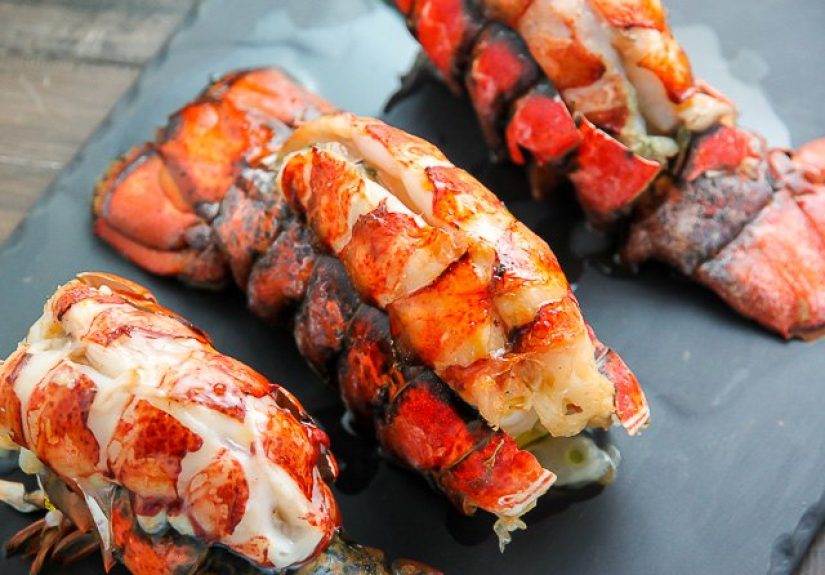
Preheat your oven to 400°F. Place the prepared lobster tails on a baking sheet or in a baking dish. Brush generously with melted garlic butter. Bake until the shells turn bright red and the meat becomes opaque, firm, and slightly pearly. For many average-sized tails, this takes about 10 to 15 minutes.
Do not wander off and start a whole side quest in another room. Lobster tails cook quickly, and the line between perfectly tender and sadly chewy is thinner than people think. Start checking early, especially if your tails are small.
Easy Broiled Lobster Tails
If you want a little more color on top, switch to broiling. Place the oven rack several inches below the broiler, then broil the prepared tails until the tops are lightly browned and the meat is opaque. Depending on size, this can take anywhere from about 5 to 10 minutes. Broiling is fast, dramatic, and excellent, but it requires attention. This is not the moment to scroll your phone.
How to Tell When Lobster Tails Are Done
This is the part that matters most. Perfect lobster tail meat should be opaque, firm, and moist. It should not look translucent in the center. If you are using an instant-read thermometer, check the thickest part of the meat. Many home cooks aim for the low 140s, while a 145°F reading is a solid food-safety benchmark for seafood.
The shell will turn bright red, but that alone does not tell the whole story. Your best clue is the meat itself. If it curls tightly, turns tough, or starts looking dry, you have gone a little too far. Overcooked lobster is still edible, but it loses that tender, buttery magic you paid for.
Best Flavors for Oven-Baked Lobster Tails
The classic combo is melted butter, garlic, lemon, and parsley, and there is a reason it never goes out of style. It works. But you can also take lobster tails in a few different directions without overwhelming the meat.
Classic Garlic Butter
Melted butter, garlic, lemon juice, parsley, salt, and pepper. This is the reliable little black dress of lobster recipes.
Cajun Style
Add Cajun seasoning or a little Old Bay with garlic butter for more personality. It brings warmth and a light kick without stealing the spotlight.
Herb Lemon Finish
Use thyme, chives, parsley, and lemon zest for a brighter, fresher result. Great for spring dinners or when you want the meal to feel lighter.
Panko Topping
For a richer baked version, top the tails with seasoned panko and butter. This creates a golden crust and makes the dish feel extra special.
Mistakes to Avoid
Skipping the thaw: Frozen centers cook unevenly and make prep annoying.
Overseasoning: Lobster does not need to be buried under a spice avalanche.
Overcooking: This is the biggest mistake by far. Set a timer. Then trust your eyes and thermometer.
Using too little butter: I am not saying you need to drown it, but lobster and butter are old friends for a reason.
Ignoring size differences: Tiny tails and giant tails are not going to cook in exactly the same time.
What to Serve with Lobster Tails
Lobster tails are rich and slightly sweet, so they pair well with simple sides that do not fight for attention. Good choices include roasted asparagus, mashed potatoes, rice pilaf, buttered corn, risotto, pasta with olive oil and herbs, or a crisp green salad. If you want full steakhouse energy, serve them with baked potatoes and drawn butter. If you want something lighter, go with lemony green beans and fluffy rice.
And yes, lobster tails also love bread. A warm loaf on the table gives everyone a way to mop up the extra butter, which is honestly just responsible planning.
Can You Make Lobster Tails Ahead?
You can prep them ahead, but cook them close to serving time for the best texture. Butterfly the tails, season them lightly, and refrigerate them until ready to bake or broil. Then finish with fresh butter and lemon just before they go into the oven. Cooked lobster is best served right away, while it is still juicy and warm.
If you have leftovers, remove the meat from the shell and refrigerate it promptly. Use it in pasta, a seafood salad, or a very luxurious grilled cheese. Leftover lobster is not common in most households, but hope is free.
Why This Method Works for Beginners
The reason oven lobster tails feel so approachable is that they combine fast cooking with obvious visual cues. You do not need to guess much once you know what to look for. The shell changes color. The meat turns opaque. The butter bubbles. Your kitchen smells amazing. It is one of those recipes that feels fancy while secretly being pretty forgiving, as long as you do not leave it in the oven for half an eternity.
For beginner cooks, that is a win. You get a dish that looks impressive, tastes expensive, and comes together without a dozen complicated steps. It is also highly adaptable. You can keep it classic, go spicy, add a breadcrumb topping, or pair it with anything from pasta to vegetables to steak.
Real Kitchen Experience: What Cooking Lobster Tails Actually Feels Like
The first time many people cook lobster tails at home, there is a weird emotional mix of excitement and panic. You spent real money on seafood. You do not want to ruin it. The tails look fancy in a way that makes them seem more difficult than they are. Then you cut through the shell, brush on some butter, slide them into the oven, and realize this is not a culinary obstacle course. It is dinner.
One of the most common experiences is discovering how quickly lobster goes from intimidating to manageable. The prep sounds technical when someone says “butterfly the lobster tail,” but in practice it is just a careful cut through the shell and a little lifting of the meat. After one or two tails, most home cooks start thinking, “That’s it?” And yes, that is pretty much it. The name sounds gourmet. The method is refreshingly normal.
Another relatable moment is learning that the oven clock is more of a guide than a dictator. A lot of people expect seafood to follow exact times down to the second, but lobster tails teach you to pay attention. You start noticing the color of the shell, the texture of the meat, and how the butter sizzles around the edges. That is actually a great cooking lesson in general: recipes matter, but observation matters more.
There is also the “wow” factor when you bring them to the table. Even if dinner itself was surprisingly simple, the presentation makes people think you worked much harder than you did. The butterflied tails perched on their shells look elegant in a slightly theatrical way. Add lemon wedges and chopped parsley, and suddenly your dining room has steakhouse confidence.
Home cooks also tend to remember their first mistake with lobster tails very clearly, and it is almost always overcooking. Maybe the tails stayed in the oven two minutes too long because someone started setting the table, answering a text, or debating side dishes. The texture becomes firmer, a little springy, and not nearly as luxurious as it could have been. Oddly enough, that mistake is useful. Once you have had slightly overcooked lobster, you become much more attentive the next time, and your results improve fast.
There is also something satisfying about how customizable the experience becomes. Some people fall in love with classic garlic butter and never leave it. Others start adding smoked paprika, herbs, or breadcrumb toppings. Some serve lobster tails with mashed potatoes and lean into full comfort-food mode. Others pair them with crisp salad and rice for something lighter. The dish feels flexible without losing its identity.
Maybe the best part of the whole experience is realizing that “special occasion food” does not have to stay locked behind restaurant menus. Cooking lobster tails in the oven gives you that little kitchen victory where effort and reward finally feel balanced. You did not spend all day cooking. You did not destroy every pan in the house. But you still ended up with something memorable, delicious, and just dramatic enough to make dinner feel like an event.
That is why this method sticks. It is easy enough for beginners, reliable enough for repeat dinners, and impressive enough to keep in your back pocket whenever you want to make a meal feel a little more exciting. Once you do it successfully, lobster tails stop being intimidating and start becoming one of those recipes you pull out when you want maximum payoff with minimum chaos.
Final Thoughts
If you have been nervous about cooking lobster tails in the oven, this is your sign to stop overthinking it. Start with thawed tails, butterfly them, add butter and lemon, and cook them just until the meat is opaque and tender. That is the whole game. Keep an eye on the oven, use a thermometer if you want extra confidence, and remember that lobster does not need much to taste great.
Once you try it, you will see why oven lobster tails have such loyal fans. They look impressive, taste luxurious, and come together far more easily than most people expect. Which is wonderful news for anyone who enjoys being complimented at dinner.
Note: Cooking time will vary based on lobster tail size and your oven, so watch the meat closely and start checking early rather than late.