Table of Contents >> Show >> Hide
- Why Siding Has Such a Big Impact on Curb Appeal
- Top Siding Design Ideas That Instantly Upgrade an Exterior
- Best Siding Styles by Home Type
- How to Choose the Right Siding Material
- The Most Effective Siding Colors for Curb Appeal
- Small Siding-Related Details That Make a Big Difference
- Common Siding Design Mistakes to Avoid
- Real-Life Experience and Practical Takeaways for Homeowners
- Conclusion
- SEO Tags
Great curb appeal is a little like good coffee: people notice it before they fully understand why. One glance at a house with well-chosen siding, balanced trim, and smart accents, and it just feels more polished. The front elevation looks intentional. The proportions make sense. The house seems to stand up straighter, like it finally remembered it has neighbors to impress.
If your exterior currently gives off “I have potential” energy, siding can change that fast. The right siding design does more than protect your home from weather. It shapes first impressions, highlights architecture, adds texture, and creates contrast that makes windows, doors, porches, and rooflines pop. In other words, siding is not just a shell. It is the outfit, the styling, and sometimes the glow-up montage.
In this guide, you will find practical siding design ideas for better curb appeal, including style combinations, color strategies, material choices, and ways to make your exterior feel custom instead of cookie-cutter. Whether you love modern farmhouse, classic cottage, Craftsman warmth, or sleek contemporary lines, there is a siding approach that can make your home look sharper from the street.
Why Siding Has Such a Big Impact on Curb Appeal
Siding covers most of your home’s visible exterior, so it naturally does a lot of visual heavy lifting. Change the siding, and you change the mood of the whole house. Even if you keep the roof, windows, landscaping, and front door exactly the same, new siding can make a dated home look more current and a plain home look more layered.
Good siding design improves curb appeal in four major ways:
1. It creates visual structure
Horizontal lap siding can make a house feel wider and more grounded. Vertical siding, such as board and batten, draws the eye upward and can make the facade feel taller. Shakes and shingles add texture and break up larger wall areas. The result is a home that feels more balanced and more interesting.
2. It highlights architectural features
Gables, dormers, bump-outs, entryways, and garage sections all benefit from thoughtful siding placement. Changing the siding style or texture in these areas can create emphasis without making the house look busy.
3. It supports the color palette
Siding sets the main exterior color story. Once you choose the body color and texture, trim, shutters, stone, and even the front door become easier to coordinate.
4. It affects maintenance and long-term appearance
Curb appeal is not just about day one. It is also about how the home looks after several seasons of sun, rain, humidity, wind, and general life. Durable, lower-maintenance siding helps your exterior stay attractive longer, which matters whether you are staying put or planning to sell.
Top Siding Design Ideas That Instantly Upgrade an Exterior
Mix horizontal and vertical siding
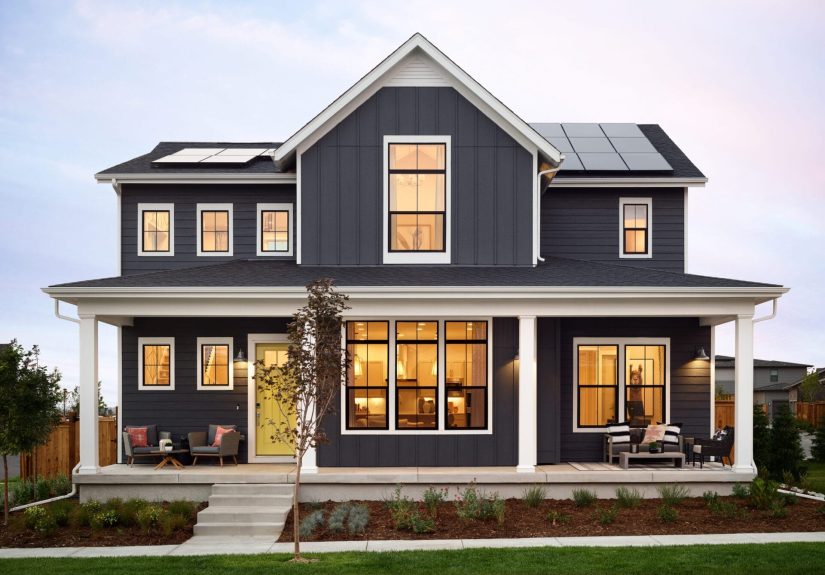
One of the easiest ways to add personality to a house is to combine lap siding with board-and-batten panels. Use horizontal siding on the main body of the home, then switch to vertical siding in the gables or above the garage. This creates contrast without chaos. It also works across a surprising number of home styles, from farmhouse to transitional suburban builds.
This is especially effective on homes with multiple rooflines. Instead of treating the entire exterior like one giant wall, you create visual zones that feel more custom-built and less builder-basic.
Use shakes or shingles as accent areas
Shake-style siding is the design equivalent of adding a textured throw pillow to a sofa. It is not the whole room, but it makes the space feel richer. Cedar-look shakes or composite shingle panels work beautifully in gables, dormers, and upper story accents. They pair especially well with cottages, Cape Cod homes, traditional styles, and Craftsman-inspired exteriors.
The trick is restraint. A small section of textured siding adds charm. Covering every surface with competing textures can make your house look like it lost an argument with a sample board.
Add a contrasting siding color to architectural focal points
If your home has a front-facing gable, bump-out, or covered porch entry, consider using a complementary accent color in that section. A white or warm greige house might use a charcoal gable accent. A sage-green exterior might pair with deeper green vertical siding over the entry. This kind of contrast creates depth and helps the best parts of the house stand out.
Strong contrast works best when the rest of the palette stays disciplined. Let the accent section do the talking while trim and secondary features play support.
Pair siding with stone, brick, or wood-look elements
Mixed materials continue to be one of the strongest curb appeal moves because they create depth and make a house feel more grounded. Siding looks especially polished when paired with a stone skirt, brick columns, wood porch posts, or even a warm stained front door and garage door.
A fiber cement or engineered wood exterior with stone at the base often feels more upscale because the materials provide both contrast and hierarchy. The heavier-looking material visually anchors the house, while the siding keeps the upper portions clean and fresh.
Use wider trim for a more finished look
Sometimes the problem is not the siding itself. It is the lack of framing around it. Wider trim around windows, corners, fascia, and doors can dramatically improve the look of siding and make the whole exterior feel more deliberate. This is especially true with board and batten, farmhouse exteriors, and homes trying to achieve a modern classic vibe.
Think of trim as eyeliner for your house. Too little, and features disappear. Too much, and things get dramatic for reasons nobody asked for.
Choose siding widths that match the scale of the house
Siding reveals and plank widths matter more than many homeowners realize. Wider lap siding often looks cleaner and more modern, especially on larger homes. Narrower profiles can feel more traditional and detailed. If your house is tall or broad, skinny siding lines may make it look visually cluttered. If your home is small and charming, overly wide panels can swallow its character.
Matching siding scale to house scale is one of those subtle design moves people notice without realizing why the exterior looks “right.”
Best Siding Styles by Home Type
Modern farmhouse
Board and batten siding remains a favorite for modern farmhouse exteriors, often paired with black window frames, natural wood accents, and simple landscaping. Horizontal lap siding on lower portions with vertical panels in the gables also works beautifully. White is classic, but soft taupe, muted green, creamy beige, and warm gray offer a more forgiving alternative if you are not interested in washing a bright white exterior forever.
Craftsman
Craftsman homes benefit from layered siding. Try lap siding on the main body, shake accents in the gables, and strong trim around windows and eaves. Earthy colors such as olive, deep blue, mushroom gray, and warm brown pair naturally with stone bases and substantial porch columns.
Cottage or Cape Cod
These homes love texture. Shingles, soft lap siding, and crisp trim create charm without trying too hard. A cottage exterior often looks best in lighter, airy colors, but darker shutters or a cheerful front door can add enough contrast to keep the facade from feeling sleepy.
Contemporary or modern
Clean lines are the goal. Vertical siding, smooth panels, minimal trim, and controlled color palettes work well here. Black, charcoal, warm white, and muted wood tones create a sharp look. Horizontal siding can still work, but the spacing should feel intentional and uncluttered.
Traditional suburban homes
If your house has a fairly standard footprint, siding is one of the best ways to make it stand out without major construction. Add a gable accent, refresh the trim color, introduce a second texture, and upgrade the front entry details. Small changes in siding layout can make a common elevation feel customized.
How to Choose the Right Siding Material
Vinyl siding
Vinyl remains popular because it is relatively affordable, widely available, and low maintenance. Today’s options include better color ranges, insulated versions, and styles that mimic wood grain more convincingly than older products. It can be a smart option for homeowners who want a clean new look without stretching the budget into outer space.
Fiber cement siding
Fiber cement is a favorite for homeowners who want durability and a more substantial appearance. It can mimic wood well, accepts paint beautifully, and works with a wide range of styles. It tends to cost more than vinyl, but many people like the premium look and long-term performance.
Engineered wood siding
Engineered wood offers the warmth of real wood style with more resistance to common exterior headaches. It is often chosen by homeowners who want authentic texture but less maintenance than traditional wood siding.
Wood siding
Real wood is hard to beat for charm, especially on cottages, historic homes, and rustic or coastal properties. The tradeoff is maintenance. If you love the natural beauty and are willing to keep up with care, wood can be stunning. If not, a high-quality wood-look product may give you the aesthetic without the annual guilt trip.
Metal or specialty siding
For modern exteriors, steel, aluminum, and other specialty cladding materials can create sleek curb appeal. These are often used selectively, as accent panels or in combination with more traditional siding materials.
The Most Effective Siding Colors for Curb Appeal
Color can make a home feel timeless, trendy, welcoming, dramatic, or suspiciously committed to a phase. For the broadest curb appeal, neutral and nature-inspired tones tend to be the safest winners.
Timeless favorites
- Warm white
- Greige
- Soft gray
- Beige or taupe
- Muted sage
- Deep blue
- Charcoal
These colors work because they play nicely with stone, brick, black accents, wood elements, and a wide variety of roof colors. They also age better than hyper-trendy tones that can feel dated once the design world chases its next obsession.
Tips for getting color right
Always test samples outdoors at different times of day. Morning light, afternoon sun, and cloudy skies can make the same color look completely different. Also pay attention to undertones. A gray that looks elegant on a sample chip can suddenly lean lavender on a full wall, which may be exciting in a throw blanket but less thrilling on a house.
Small Siding-Related Details That Make a Big Difference
Siding does not work alone. For the best curb appeal, coordinate it with the elements around it:
- Front door: Use it as a focal point with a rich paint color or natural wood finish.
- Shutters: Add them only if they fit the architecture. Decorative shutters that look randomly assigned can hurt more than help.
- Lighting: Updated sconces make siding look more elevated at night and frame the entry.
- Garage door: Since it often takes up a lot of visual space, its style should complement the siding, not fight it.
- Landscaping: Fresh plantings soften hard lines and bring the entire exterior together.
Common Siding Design Mistakes to Avoid
Using too many styles at once
Mixing siding can be beautiful, but there should be a clear hierarchy. One main siding style, one accent style, and one supporting material is often enough.
Ignoring the roof color
Your roof is a major visual player. Siding should coordinate with it, not pretend it does not exist.
Choosing trends over architecture
Just because black board and batten is having a moment does not mean it belongs on every house. The best curb appeal comes from siding that fits the architecture and setting.
Forgetting maintenance realities
Before choosing a beautiful but demanding material or color, be honest about how much upkeep you are willing to do. The prettiest exterior in the neighborhood loses points if it starts looking tired in two years.
Real-Life Experience and Practical Takeaways for Homeowners
One of the most common homeowner experiences with exterior updates is realizing that curb appeal is rarely about one giant magic fix. It is usually the result of several smart design decisions working together. Many people begin by thinking, “We just need new siding,” but what they really need is a more cohesive facade. Once the siding is reconsidered, they often notice the trim is too thin, the front door color feels disconnected, the garage door dominates the house, or the gables lack definition. In that sense, siding becomes the starting point for a bigger design conversation.
Homeowners also tend to be surprised by how much texture affects the way a house feels. A flat exterior with one siding type from top to bottom can look clean, but sometimes it also looks unfinished. Adding board and batten to a front gable, shakes to a dormer, or stone along the lower portion of the facade often makes the home feel more expensive and more complete. It is not necessarily about spending wildly. It is about placing visual interest where the eye naturally lands.
Another frequent experience is color regret caused by rushing. Exterior colors behave differently outdoors than they do on a phone screen, in a showroom, or on a tiny sample card. A homeowner may fall in love with a crisp gray online, only to see it turn icy blue in full daylight. A warm beige can suddenly read yellow. A dramatic charcoal may look sophisticated on a large two-story home but too heavy on a smaller one-story ranch. The people who end up happiest with their siding choices are usually the ones who slow down, test samples on multiple walls, and look at them in sun, shade, and cloudy weather.
There is also the budget reality, which is where many of the best design ideas become valuable. Not everyone can replace every square foot of siding at once. Some homeowners improve curb appeal by replacing only the most visible front-facing sections, repainting or re-trimming existing surfaces, and adding accent materials where they will have the most impact. A new gable treatment, stronger trim, better lighting, and a new front door can make an average exterior feel dramatically more intentional without requiring a full custom rebuild.
People living in neighborhoods with similar homes often report that subtle siding upgrades make the biggest difference. They do not need to reinvent the structure. They just need enough contrast, texture, and polish to make the house look cared for and current. That might mean switching from faded siding to a deeper, richer neutral, adding vertical panels over the garage, or bringing in a small amount of stone around the entry. These moves help the house stand out, but in a tasteful way, not a “look at me, I made sixteen design decisions in one weekend” kind of way.
Finally, the best homeowner experiences tend to come from choosing siding with both style and real life in mind. A gorgeous exterior that constantly needs repairs, repainting, or cleaning can become stressful fast. The sweet spot is a design that looks sharp from the street, fits the architecture, and still makes sense for the climate, budget, and maintenance tolerance of the people who live there. That is the real goal of better curb appeal. It is not just to impress passersby for three seconds. It is to create a home exterior that feels welcoming, lasting, and satisfying every time you pull into the driveway.
Conclusion
The best siding design ideas for better curb appeal combine beauty, proportion, and practicality. A smart mix of siding styles, a balanced color palette, quality trim, and a few well-placed accent materials can make almost any home look more refined and more inviting. Whether you choose classic lap siding, board and batten, shakes, or a mixed-material approach, the goal is the same: give your home an exterior that looks intentional, fits its architecture, and still feels great years from now. In curb appeal terms, that is the difference between “nice house” and “wait, why does this one look so good?”