Table of Contents >> Show >> Hide
- Why the First Fall Frost Matters
- 1. Pull Out Frost-Killed Annuals and Spent Vegetable Plants
- 2. Separate Healthy Debris From Diseased Debris
- 3. Weed One Last Time Before Winter
- 4. Feed the Soil With Compost, Leaves, or a Fall Cover Crop
- 5. Mulch, but Wait Until the Timing Is Right
- 6. Cut Back Selectively and Leave Some Habitat for Pollinators
- 7. Plant Garlic and Spring-Flowering Bulbs While the Soil Is Still Workable
- 8. Dig Up Tender Bulbs and Protect Plants That Cannot Handle Winter
- 9. Water Trees and Evergreens, Then Winterize Tools and Equipment
- Common Mistakes to Avoid After a Fall Frost
- Final Thoughts
- Experience Notes: What Fall Frost Has Taught Gardeners Year After Year
- SEO Tags
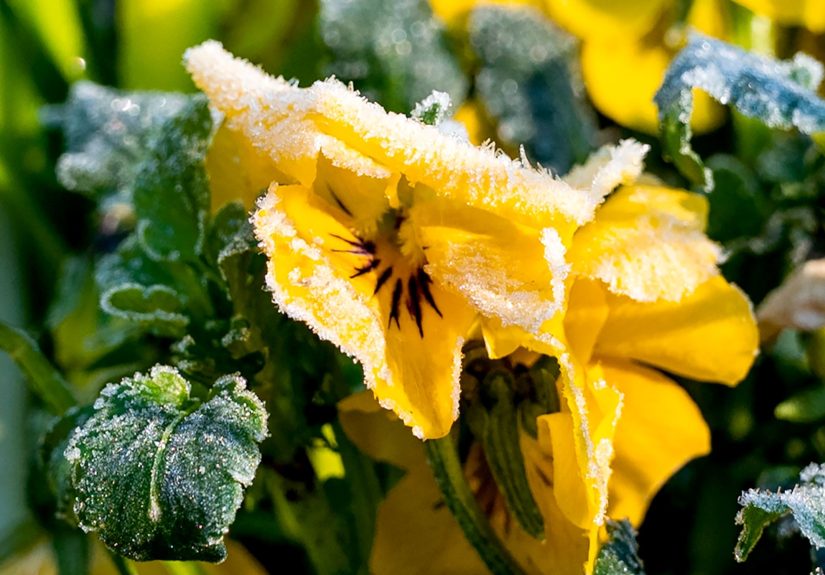
That first fall frost has a way of making a garden look like it stayed up too late at a costume party. One chilly night, your zinnias are cheerful, your basil is smug, and your tomato vines are still pretending they have a plan. The next morning? Everything looks dramatically over it. But while a fall frost can feel like the season’s mic-drop moment, it is actually one of the most useful signals a gardener gets all year.
If you move quickly and do the right jobs in the right order, your garden will head into winter cleaner, healthier, and much easier to manage next spring. Better yet, a smart post-frost routine can reduce pests, lower disease pressure, protect roots, improve soil, and help pollinators survive the cold months. In other words, the work you do after a fall frost is not gloomy cleanup. It is future-you insurance.
Below are nine practical gardening tasks to tackle right after a fall frost, plus the small details that make each one count.
Why the First Fall Frost Matters
A fall frost does more than knock the confidence out of tender annuals. It tells you which plants are finished, which crops need harvesting, and when it is safe to shift into winter-prep mode. It is also the point when many garden problems become easier to manage. Diseased foliage is easier to spot. Frost-killed annuals are easy to remove. Beds that looked “still kind of busy” suddenly become obvious candidates for cleanup, mulching, and replanting.
The key is not to treat every part of the yard the same way. Vegetable beds, perennial borders, bulbs, shrubs, and trees all respond differently after frost. A great gardener knows when to pull, when to protect, when to plant, and when to leave well enough alone.
1. Pull Out Frost-Killed Annuals and Spent Vegetable Plants
The first task after a fall frost is also the most satisfying: remove plants that are clearly done. Frost-blackened basil, collapsed marigolds, mushy impatiens, and exhausted tomato vines are not making a comeback. Once tender annuals and warm-season vegetables are killed, leaving them in place mostly turns your beds into a winter motel for pests and pathogens.
Start with obvious goners. Pull up annual flowers, bean vines, pepper plants, cucumber vines, squash vines, and tomato plants that have finished producing. If you have any usable produce left, harvest it first. Green tomatoes can ripen indoors. Winter squash should be brought in before extended cold. Herbs like basil should be harvested immediately, because frost turns them from fragrant to tragic in record time.
This one job instantly cleans the garden and gives you a much better view of what still needs attention. It also prevents soggy plant material from collapsing over the soil surface and creating a lovely little hideout for insects and disease spores.
2. Separate Healthy Debris From Diseased Debris
Not all plant leftovers deserve the same fate. Healthy plant material can often be composted, chopped, or worked back into the garden. Diseased plant material should be removed and disposed of instead of tossed casually into a home compost pile like it is innocent. It is not innocent.
If you dealt with powdery mildew, blight, leaf spot, rust, or insect-heavy plants during the season, be ruthless. Bag and discard those stems, leaves, fruit, and fallen plant parts. The same goes for dropped fruit under trees if pests or disease were a problem. Home compost piles often do not get hot enough to kill every pathogen, so “maybe it will be fine” is not a strategy. It is a sequel nobody asked for.
Healthy debris is another story. Chopped leaves, spent disease-free vegetable tops, and clean plant residue can become valuable organic matter. The rule is simple: compost the good stuff, remove the suspect stuff, and do not let sentimentality turn next year’s beds into a rerun of this year’s problems.
3. Weed One Last Time Before Winter
If you are tempted to skip weeding because the season feels “basically over,” this is the moment to gently laugh at that idea and grab your gloves. Fall weeds are sneaky. Some are setting seed, while others are preparing to overwinter and explode in spring before you have even found your pruners.
Pull weeds while the soil is still workable. Focus on weeds in vegetable beds, around young perennials, and at garden edges where weeds love to establish a little suburban sprawl. Remove seed heads, roots, and any creeping stems you can find. A single thorough weeding session now can save multiple rounds of frustration later.
This is also a good time to neaten pathways, bed lines, and corners where windblown debris collects. Clean edges make it easier to spot problems next spring and give the whole garden a cared-for look, even when winter strips away the glamour.
4. Feed the Soil With Compost, Leaves, or a Fall Cover Crop
Once the frost has cleared out finished crops, you have a golden opportunity to improve the soil. Bare dirt should not sit exposed all winter if you can help it. Open beds lose moisture, erode, crust over, and invite weeds. Your job is to cover and enrich them.
One option is to spread finished compost, shredded leaves, or other well-aged organic matter over empty beds. This helps feed soil life, improves texture, and gives next year’s roots a better home. If your soil is heavy clay, fall amendments can be especially helpful. If your soil already has great structure, you can simply top-dress instead of aggressively tilling.
Another smart move is to sow a cover crop in time for some fall growth. Oats, winter rye, winter wheat, and certain legumes are popular choices depending on your region and planting window. Cover crops help protect the soil surface, add organic matter, and improve structure over time. Even a simple winter-killed cover can do a lot of work while you are inside pretending not to think about seed catalogs.
5. Mulch, but Wait Until the Timing Is Right
Mulch is one of the best tools in the garden after a fall frost, but timing matters. Applying winter mulch too early can keep plants from going fully dormant and may trap too much warmth around crowns. The goal is protection, not confusion.
Once the soil has cooled significantly and plants are truly going dormant, add mulch around perennials, strawberries, garlic, and other vulnerable plantings as needed. Shredded leaves, straw, pine needles, and other loose organic mulches can help reduce freeze-thaw damage, conserve moisture, and protect shallow roots from frost heaving.
Keep mulch off stems and trunks. Piling it directly against crowns, bark, or woody bases invites rot and rodent damage. Think doughnut, not volcano. A calm, even layer is what you want. Mulch should look like a winter coat, not a panic attack.
6. Cut Back Selectively and Leave Some Habitat for Pollinators
One of the biggest mistakes gardeners make after a fall frost is assuming everything should be cut to the ground. That might make the garden look tidy for about five minutes, but it is not always the best move for plants, pollinators, or winter interest.
Cut back perennials that had serious disease issues, collapsed into a mess, or are likely to cause trouble if left standing. Hostas, peonies with foliar disease, and badly mildewed or pest-ridden plants are good candidates for cleanup. On the other hand, many sturdy stems, seed heads, and dried flower stalks can stay. They provide shelter and food for beneficial insects, birds, and overwintering pollinators.
If you want a balanced approach, leave some standing stems in the 12- to 24-inch range and keep a few seed heads for wildlife. Let leaves remain in garden beds where practical, or move them into beds instead of hauling them all away. Your garden does not need to look abandoned, but it also does not need to resemble a hotel lobby. A little wildness is useful.
7. Plant Garlic and Spring-Flowering Bulbs While the Soil Is Still Workable
Post-frost gardening is not all cleanup. It is also prime planting time. In many regions, right after a fall frost is the sweet spot for planting garlic and spring-flowering bulbs such as tulips, daffodils, crocuses, and hyacinths.
Garlic especially loves a fall start. Plant individual cloves pointy side up in loose, well-drained soil, then mulch after planting. Fall-planted garlic develops roots before winter and uses that head start to produce bigger bulbs the following year. It is one of the most satisfying “do it now, thank yourself later” jobs in the garden.
Spring bulbs also need time in cool soil to establish roots before blooming season. Group them in drifts for a natural look, tuck them among perennials, or use them to fill bare spots that need spring drama. The soil may be cold, but it is still working behind the scenes. Think of this as planting optimism with a trowel.
8. Dig Up Tender Bulbs and Protect Plants That Cannot Handle Winter
If you grow dahlias, cannas, gladiolus, caladiums, elephant ears, or other tender bulbs and tubers, do not leave them in the ground and hope for the best unless you live in a climate where they are reliably hardy. In colder regions, a fall frost is your cue to act.
Wait until the foliage is damaged or begins to dry, then carefully dig several inches away from the plant to avoid slicing into the storage structure. Brush or wash off excess soil as appropriate, discard damaged pieces, and let them cure in a dry, airy place if the crop requires it. Label everything. Every gardener thinks they will remember what is what. Every spring proves otherwise.
This is also a good time to protect marginally hardy plants with extra mulch or a protective cage of loose material once dormancy is set in. The goal is not to baby everything. It is to save the plants that genuinely need help and let the tough ones do what they were born to do.
9. Water Trees and Evergreens, Then Winterize Tools and Equipment
When people think “after frost,” they often think watering season is over. Not necessarily. Trees, shrubs, and especially evergreens can head into winter stressed if the soil is dry. If fall has been dry, water woody plants deeply while temperatures are still above freezing and the ground is still able to absorb moisture.
Newly planted trees and shrubs deserve extra attention. Evergreens lose moisture during winter and benefit from going into the cold season well hydrated. Water slowly at the drip line, not right against the trunk, and stop once the ground freezes. This is one of those quiet chores that rarely makes a pretty social media post but often makes a real difference in spring survival.
Then finish strong by cleaning and storing tools, cages, hoses, and supports. Remove soil from shovels and pruners, disinfect tools that touched diseased plants, dry everything well, and oil metal parts if needed. Drain hoses, empty watering cans, and store stakes and tomato cages where they are easy to find. Future-you deserves a clean start, not a scavenger hunt in March.
Common Mistakes to Avoid After a Fall Frost
Cleaning everything too aggressively
A spotless garden may look impressive, but stripping out every leaf and stem can remove valuable winter habitat and natural insulation.
Mulching too early
Mulch is protective only when used at the right time. Applied too soon, it can interfere with dormancy and encourage rot.
Composting diseased plants without thinking
Unless you know your compost pile gets hot enough, diseased material is better removed than recycled.
Ignoring soil improvement
Empty beds are an invitation to erosion, weeds, and lost opportunity. Compost, leaves, or cover crops can do real work through the off-season.
Forgetting the woody plants
Perennials and vegetables get all the attention, but trees and evergreens also need fall care, especially in dry years.
Final Thoughts
A fall frost may look like the end of the garden, but it is really the start of your next success. The right post-frost gardening tasks reduce problems, protect what matters, and set the stage for healthier growth in spring. Pull the goners, save the good stuff, protect the roots, feed the soil, and resist the urge to over-clean. A garden that heads into winter thoughtfully prepared almost always wakes up stronger.
And that is the real magic of gardening in late fall: the landscape may look sleepy, but a lot of smart work is happening under the surface. Your job is simply to help it along without making things harder than they need to be.
Experience Notes: What Fall Frost Has Taught Gardeners Year After Year
If there is one thing experienced gardeners learn after a few years of dealing with fall frost, it is that the morning after the first hard chill can be strangely clarifying. Before frost, there is always temptation to keep negotiating with summer. Maybe the basil still has a chance. Maybe the tomatoes just need one more warm week. Maybe the zinnias are “going for an artistic look.” Then frost arrives and ends the debate. Suddenly, you can see the garden honestly, and that honesty is useful.
Many gardeners describe that moment as the official shift from growing season to stewardship season. The work changes. You stop trying to squeeze out one more blossom and start thinking like a caretaker. You notice which beds performed well, which corners stayed too wet, which plants fought disease all summer, and which varieties earned a permanent place next year. Frost slows the garden down enough for you to pay attention.
There is also a practical rhythm that comes with experience. Seasoned gardeners rarely try to do every single job in one dramatic weekend. They know the smartest gardens are often prepared in stages. First comes harvest and removal of frost-killed annuals. Then comes debris sorting, weeding, compost spreading, bulb planting, mulching, and tool storage. Breaking the work into sensible rounds keeps it from becoming overwhelming and helps each task get done at the right time.
Another common lesson is that tidy is not always healthy. Newer gardeners often cut everything down, bag every leaf, and leave the soil bare because it looks neat. More experienced gardeners tend to become selective instead. They remove disease pressure, yes, but they also leave habitat, save useful organic matter, and let some stems and seed heads remain. That shift usually comes after seeing the difference in spring: better soil, more pollinator activity, fewer surprise bare patches, and less frantic scrambling.
Then there is the emotional side. Fall frost has a reputation for ending things, but many gardeners eventually start seeing it as a planning tool instead of a loss. It is the moment when the garden starts teaching again. You remember that the bed by the fence dried out too fast. You realize the garlic should go where the onions were not. You finally admit the dahlias were gorgeous but absolutely required labels this year because “pink-ish one near the path” is not a storage system.
And maybe that is the best part of post-frost gardening: it rewards attention more than perfection. You do not need a flawless landscape. You need a garden that is cleaner, wiser, and better set up than it was the day before the frost. Over time, those small decisions stack up. The gardener who mulches at the right time, removes diseased debris, waters young evergreens in a dry fall, and plants garlic before the ground freezes is usually the same gardener who has an easier, more beautiful spring.
So yes, the first fall frost can make the garden look a little dramatic. But it also hands you a checklist, a fresh perspective, and a chance to do some of the most valuable work of the year. That is not the end of the story. It is just the season when the garden gets quieter and the gardener gets smarter.