Table of Contents >> Show >> Hide
- The Tiny Bowl That Made Us All Slightly Better People
- What Is a Take a Penny, Leave a Penny Bowl?
- Why the Penny Bowl Became an Everyday American Classic
- The Psychology of a Few Pennies
- How the Bowl Works as a Micro-Community
- The Penny Bowl in a Digital Payment World
- Why #819 From 1000 Awesome Things Still Hits Home
- Small Examples That Show the Bowl’s Big Charm
- What the Penny Bowl Teaches About Generosity
- How Businesses Can Keep the Spirit Alive
- Why We Miss Things Like This
- Experiences Related to the Take a Penny, Leave a Penny Bowl
- Conclusion
Note: This article is an original, web-ready interpretation of the charming everyday idea behind the Take a Penny, Leave a Penny bowl, written in standard American English for publication.
The Tiny Bowl That Made Us All Slightly Better People
Some inventions arrive with fireworks, patents, press conferences, and someone in a suit saying “disruption” too many times. Others sit quietly beside a cash register, holding three pennies, a bent paper clip, and the moral framework of civilization.
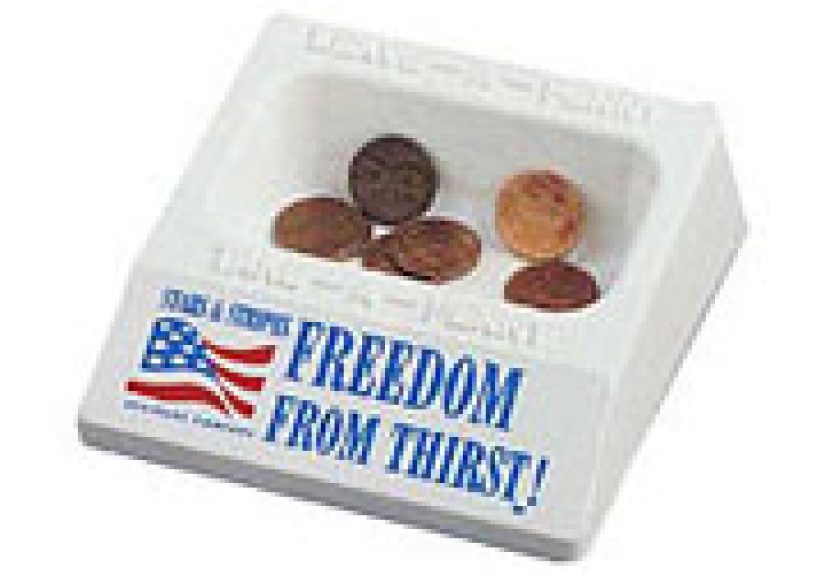
The Take a Penny, Leave a Penny bowl is one of those tiny everyday miracles. It is not glamorous. It does not have Bluetooth. It cannot sync with your calendar or remind you to hydrate. Yet for decades, this humble little tray at gas stations, diners, convenience stores, coffee shops, and corner markets solved one of life’s most annoying problems: being one cent short.
The idea is beautifully simple. If you are short a penny, take one. If you receive a penny you do not want jingling around in your pocket like a tiny copper alarm bell, leave one. No paperwork. No committee. No “terms and conditions.” Just a miniature honor system sitting between the gum rack and the lottery tickets.
That is why #819 The Take a Penny, Leave a Penny bowl from 1000 Awesome Things works so well as a celebration of ordinary goodness. It takes something people usually ignore and points out the soft little glow inside it. The bowl is not really about pennies. It is about trust, timing, generosity, embarrassment prevention, and the satisfying feeling of watching society function for six whole seconds.
What Is a Take a Penny, Leave a Penny Bowl?
A Take a Penny, Leave a Penny bowl is a small container placed near a cash register where customers can leave unwanted pennies or take a few pennies when they are short on change. It is also called a penny tray, penny cup, penny dish, or “that little thing by the register that saves you from breaking a twenty.”
Its job is not to replace money. Its job is to smooth out the rough edges of cash transactions. Imagine you buy a coffee and the total is $2.01. You hand the cashier three dollars. Without the bowl, you get ninety-nine cents back, which immediately becomes pocket gravel. With the bowl, the cashier can grab one penny, call it even, and everyone walks away happier.
Now flip the situation. Your total is $4.99. You pay with a five-dollar bill and receive one penny in change. You could carry it around all day until it migrates into your washing machine, your car cup holder, or the mysterious coin swamp at the bottom of your backpack. Or you could drop it into the bowl and quietly become a local philanthropist.
That is the whole magic: take when you need, leave when you can. It is capitalism wearing a cardigan.
Why the Penny Bowl Became an Everyday American Classic
The Take a Penny, Leave a Penny bowl became common because the penny itself became awkward. The U.S. one-cent coin has a long history, stretching back to the early days of American coinage. For generations, pennies helped make exact change possible. But as prices rose and payment habits changed, the penny became less powerful and more annoying.
People still used pennies, but not always with enthusiasm. Pennies piled up in jars, drawers, ashtrays, glove compartments, couch cushions, and “I’ll roll these someday” containers that were absolutely never rolled. The penny bowl offered a public escape hatch. It let people unload small change while helping the next person avoid a tiny inconvenience.
That is what made it feel so neighborly. The bowl was not charity in a dramatic, violin-music sense. It was practical kindness. Nobody posed for a photo while leaving three cents. Nobody wrote a press release titled “Local Hero Deposits Lincoln Trio.” The act was too small to brag about, which made it feel even more sincere.
In a world where many transactions are automated, tracked, optimized, and reviewed with star ratings, the penny bowl felt refreshingly human. It said, “We trust you not to rob this container of seventy-four cents.” That is not a giant compliment, but on a bad day, we will take it.
The Psychology of a Few Pennies
On paper, a penny is almost nothing. In real life, a penny can become the difference between a smooth checkout and a small social panic. Anyone who has ever stood in line while digging through pockets for exact change knows the feeling. Your fingers find lint, an old receipt, one mysterious button, and suddenly everyone behind you seems to be aging visibly.
The penny bowl removes that pressure. It gives customers permission to need a tiny favor without making a scene. That matters because small embarrassments are still embarrassments. Nobody wants to hold up a line over one cent. Nobody wants the cashier to sigh. Nobody wants the person behind them buying one energy drink and fourteen scratch-off tickets to make eye contact.
At the same time, leaving a penny creates a small emotional reward. It tells your brain, “Look at us, contributing to society.” The amount is tiny, but the gesture is real. Behavioral research on kindness and prosocial behavior has long suggested that helping others can support well-being, especially when the action feels voluntary, social, and meaningful. A penny bowl checks all three boxes, even if the “meaningful” part costs less than the gum stuck under the counter.
This is why the bowl feels bigger than its contents. It turns spare change into shared change. It transforms a coin nobody wants into a little public service.
How the Bowl Works as a Micro-Community
A good Take a Penny, Leave a Penny bowl is a tiny economy with no manager. It depends on people making small, decent choices. If everyone only takes, the bowl dies. If everyone only leaves, the bowl becomes a penny mountain. The magic is balance.
That balance is created by memory and identity. You take a penny today because you remember leaving pennies before. You leave pennies today because you imagine needing one later. The bowl quietly connects your past self, present self, and future stranger. That is a pretty impressive résumé for a plastic dish with a bank logo on it.
It also creates a sense of local familiarity. These bowls often appeared in places where regular customers came and went: gas stations, diners, hardware stores, delis, bakeries, and neighborhood markets. They were part of the scenery, like the squeaky door, the handwritten “no bills over $50” sign, or the cashier who somehow knew everyone’s cigarette brand from memory.
In that setting, the bowl became a small promise: this place still has room for ordinary people doing ordinary favors.
The Penny Bowl in a Digital Payment World
Today, many people tap, swipe, scan, or wave their phones at payment terminals like they are casting spells. Digital payments are fast and convenient, and for many purchases, cash is no longer the default. Still, cash has not disappeared. Millions of Americans continue to use it for budgeting, privacy, emergencies, small purchases, tips, and everyday flexibility.
That makes the Take a Penny, Leave a Penny bowl feel both nostalgic and relevant. It belongs to the cash era, but its spirit fits any era. The bowl is a reminder that not every transaction needs to be frictionless, faceless, and perfectly optimized. Sometimes the human part is the best part.
The recent end of circulating penny production in the United States adds another layer of meaning. Existing pennies remain legal tender, but the country is clearly moving into a new chapter. As pennies become less common, the old penny bowl may become rarer too. Some stores may shift toward rounding cash transactions, asking for exact change, or handling penny shortages with posted policies. The bowl may slowly become a retail artifact, like paper road maps, handwritten carbon receipts, or video rental late fees.
But even if the penny bowl fades, the idea should not. We still need low-drama ways to help each other. We still need tiny social cushions. We still need places where generosity does not require an app, a password, or a minimum donation amount.
Why #819 From 1000 Awesome Things Still Hits Home
The genius of 1000 Awesome Things has always been its ability to spot delight hiding in plain sight. The project celebrates everyday moments most people rush past: clean sheets, perfect timing, small victories, and the oddly satisfying mechanics of normal life. The Take a Penny, Leave a Penny bowl fits that theme perfectly because it is ordinary, funny, useful, and quietly meaningful.
The bowl represents one of the smallest possible forms of social trust. Nobody signs in. Nobody asks for proof that you once donated. Nobody audits the bowl at closing time and declares, “We are down four cents, people.” The system works because most people understand the unwritten rule. Take a little. Leave a little. Do not be weird.
And yes, there is always someone who tests the limits. Somewhere, at some point, a person has probably treated a penny bowl like a retirement account. But the existence of a few penny pirates does not ruin the bigger point. Most people use the bowl exactly as intended. That is the awesome part.
In a culture that often focuses on fraud, conflict, outrage, and someone yelling in a parking lot, the penny bowl offers quiet evidence that people can cooperate. Not always. Not perfectly. But enough.
Small Examples That Show the Bowl’s Big Charm
The Coffee Shop Save
You order a black coffee. The total is $2.03. You have two dollars and a heroic amount of confidence. The cashier glances at the penny bowl, scoops three cents, and suddenly your morning continues without financial theater. The bowl has saved the day before your caffeine even kicks in.
The Gas Station Rescue
You buy a bottle of water on a road trip. The total is $1.01. You are already holding a line of travelers, truckers, and one child who has selected a candy bar the size of a dictionary. A penny from the dish keeps traffic moving. Civilization exhales.
The Full-Circle Moment
Last week, you took two pennies. Today, you leave five. This is not a financial strategy recommended by anyone with a calculator, but emotionally, it feels like compound interest.
The Cashier’s Secret Weapon
Cashiers use the bowl to avoid handing customers a ridiculous pile of coins. If the change is twenty-four cents, a penny from the tray can turn four pennies into a single quarter. That is efficiency. That is elegance. That is the retail version of folding a fitted sheet correctly.
What the Penny Bowl Teaches About Generosity
The biggest lesson of the Take a Penny, Leave a Penny bowl is that generosity does not need to be grand to matter. Most people cannot solve every problem they see. But many people can make one moment easier for one stranger.
That is the bowl’s philosophy in one sentence: make the next person’s day slightly less annoying.
It is a powerful idea because it scales. Holding the door, returning a shopping cart, letting someone merge, refilling the office coffee pot, leaving the good parking spot for someone who needs it more, or dropping spare change in a penny bowl all belong to the same family of behavior. They are small acts that say, “I was here, and I did not make things worse.” On some days, that is practically a Nobel Prize.
The bowl also challenges the assumption that value is only financial. A penny is worth one cent, but at the right moment, it is worth convenience, relief, speed, and a tiny shot of human connection. That is a strong return on investment for the smallest coin in the register.
How Businesses Can Keep the Spirit Alive
As pennies become less common, businesses can still preserve the spirit of the penny bowl. The exact object may change, but the customer-friendly idea behind it can remain.
Use Clear Cash Rounding Policies
If a business rounds cash totals, it should explain the policy clearly at the register. Customers do not enjoy surprises when money is involved, even when the surprise is only two cents. A simple sign can prevent confusion and keep checkout lines calm.
Encourage Exact Change Without Scolding
Stores can ask for exact change in a friendly way. There is a big difference between “Exact change appreciated” and “Failure to provide pennies will bring shame upon your household.” Tone matters.
Create a Small Kindness Jar
Some shops may replace penny bowls with a community change jar, a donation cup, or a “round down when possible” policy. The goal is not to preserve the penny forever. The goal is to preserve the feeling that customers and businesses are working together.
Train Cashiers to Handle Odd Totals Gracefully
The best cashiers are part mathematician, part diplomat, and part emotional support professional. Giving them clear rules helps everyone. When staff know how to handle pennies, rounding, and exact change, customers feel less awkward.
Why We Miss Things Like This
We miss the Take a Penny, Leave a Penny bowl because it belonged to a slower kind of public life. It lived in the space between strangers. It was not efficient in the modern sense, but it was effective in the human sense.
It reminded us that trust can be casual. It showed that a store could be more than a point of sale. It turned a cash register into a small meeting place where people helped each other without ever meeting.
That is why the bowl deserves its spot among awesome things. It made everyday life a little smoother. It rescued us from math, jingling pockets, and the humiliation of being defeated by one cent. It was humble, funny, and useful.
And maybe that is the best kind of awesome: not the giant, life-changing kind, but the tiny kind that appears right when you need it.
Experiences Related to the Take a Penny, Leave a Penny Bowl
The Take a Penny, Leave a Penny bowl has a way of turning ordinary errands into tiny stories. You may not remember every coffee you have ever bought, but you might remember the day a penny bowl saved you from breaking a twenty-dollar bill for a one-cent problem. That is the strange beauty of it. The amount is forgettable; the feeling is not.
One of the most relatable experiences happens at the convenience store. You are buying something small, maybe a bottle of iced tea, a pack of gum, or a snack that looked healthier before you read the label. The total comes to $3.01. You hand over three dollars, then freeze. The cashier looks at you. You look at the tiny display. The line behind you grows a heartbeat longer. Then the cashier reaches into the penny bowl and says, “You’re good.” Suddenly, this plastic tray has become a hero. Not a cape-wearing hero, but definitely a hero with strong customer service energy.
Another familiar moment is leaving pennies behind without thinking about it. Maybe you get three cents back from a diner bill and drop them into the bowl on your way out. There is no ceremony. No one claps. The cashier might not even notice. But later, those pennies might help a teenager buying a soda, a parent juggling groceries and a toddler, or an older customer who wants exact change because old habits have excellent posture. Your tiny deposit disappears into the day and becomes useful somewhere else.
There is also the road trip version. Gas stations and highway stops used to be prime penny bowl territory. You would walk in tired, thirsty, and slightly suspicious of the restroom situation. You would buy coffee, water, or a candy bar you promised yourself was “for the road.” At the counter, the penny bowl sat there like a little roadside community center. Travelers from different towns, states, and schedules all contributed to the same dish. Nobody knew each other, but everyone understood the system. Leave a penny today, save a stranger tomorrow.
Cashiers probably have the richest experiences with penny bowls. For them, the bowl was not just cute; it was practical. It helped keep lines moving. It reduced coin chaos. It softened awkward moments. A skilled cashier could use one penny from the tray to turn a messy handful of change into a clean quarter, and that kind of move deserves more respect than it gets. Somewhere, a cashier has done this perfectly and received nothing but a distracted nod. Let the record show: that was art.
Then there is the childhood experience. Many kids first noticed penny bowls because coins felt exciting. A penny was shiny, official, and somehow important, even if adults treated it like pocket lint with a president on it. The bowl taught a quiet lesson: money could be shared. You could put something in and not get anything back right away. You could take something and trust that it was allowed. For a child, that is a surprisingly big idea hiding in a very small place.
The best experience, though, is the full-circle one. You take from the bowl once when you need it. Later, when you have extra change, you leave more than you took. Not because anyone is watching, but because the system worked for you and now you want it to work for someone else. That little moment contains the whole philosophy of the bowl. Take a favor. Leave a favor. Keep the tiny kindness moving.
In the end, the Take a Penny, Leave a Penny bowl is not really about coins. It is about the relief of being helped in a small way, the pleasure of helping in return, and the comforting evidence that strangers can still cooperate over almost nothing. That may sound sentimental, but come on: if a bowl of pennies can make humanity look a little better, we should probably let it have the win.
Conclusion
The Take a Penny, Leave a Penny bowl deserves its place in the world of awesome things because it proves that small kindness still counts. It solved tiny problems with tiny coins, but the meaning was much bigger. It helped customers avoid awkward moments, gave cashiers a simple tool, and turned spare change into a shared public resource.
As the penny becomes less common in everyday American commerce, the old bowl may become a nostalgic symbol of a more tactile payment culture. But its message remains useful: take what you need, give what you can, and leave the next person’s day a little easier than you found it. That is not just awesome. That is one cent’s worth of wisdom with a million-dollar personality.