Table of Contents >> Show >> Hide
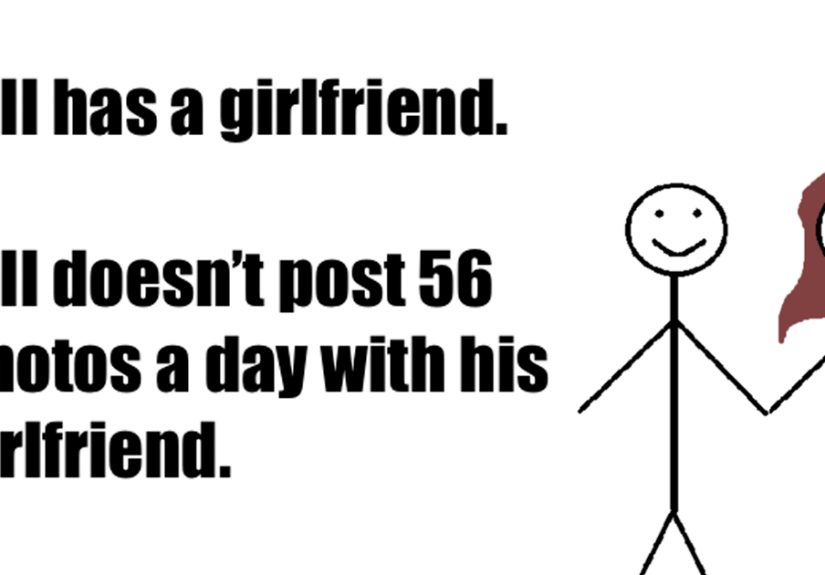
Bill is a stick figure, a meme legend, and somehow the calmest life coach the internet accidentally hired.
Why Bill Still Feels Weirdly Wise
Every generation gets the philosopher it deserves. Ancient Greece had Socrates. The Renaissance had Leonardo da Vinci. The internet got Bill: a plain stick figure who quietly refuses to overshare, argue with trolls, post every sandwich, or turn a minor inconvenience into a 900-word public announcement.
The “Be Like Bill” meme became popular because it made everyday social behavior look hilariously obvious. Bill was not flashy. Bill did not shout. Bill simply noticed that life gets easier when people use common sense, respect others, and occasionally put the phone down before typing something that should have stayed between them and their toaster.
Of course, Bill is not perfect. Nobody is. The joke works because Bill represents the tiny better choice: scroll past drama, protect your privacy, laugh at yourself, avoid fake confidence, and remember that not every thought needs a press release. In a noisy world, Bill is the tiny cartoon reminder that clever living often looks boring from the outsideand peaceful on the inside.
The 80 Hilarious Yet Clever Life Lessons From Bill
Lessons About Social Media Sanity
- Bill sees a political argument under a recipe video. Bill keeps scrolling. Bill wants lasagna, not a civil war.
- Bill goes on vacation. Bill posts photos after he gets home. Bill does not advertise an empty house to strangers with Wi-Fi.
- Bill eats lunch. Bill enjoys it. Bill does not upload twelve angles of soup like it signed a modeling contract.
- Bill reads a headline. Bill checks the source. Bill knows “my cousin’s barber shared it” is not journalism.
- Bill gets a weird message promising free money. Bill deletes it. Bill has met reality before.
- Bill disagrees online. Bill stays polite. Bill understands caps lock is not a personality.
- Bill does not post every private emotion in public. Bill has friends, a notebook, and occasional self-control.
- Bill updates his privacy settings. Bill knows future Bill will appreciate present Bill’s caution.
- Bill sees drama. Bill brings no popcorn, no comments, and no screenshots. Bill has errands.
- Bill does not compare his normal Tuesday to someone else’s filtered vacation. Bill knows Instagram is not a medical chart for happiness.
- Bill listens before replying. Bill discovers conversations work better when both people appear in them.
- Bill says “please” and “thank you.” Bill is not old-fashioned; Bill is house-trained.
- Bill answers messages when he can. Bill does not pretend he was kidnapped by bad reception for six business days.
- Bill apologizes clearly. Bill does not say, “I’m sorry you felt that way,” because Bill has met accountability.
- Bill asks questions. Bill knows guessing is how people accidentally buy almond milk for someone with a nut allergy.
- Bill keeps secrets. Bill is not a human push notification.
- Bill gives compliments without needing one back immediately. Bill is generous, not fishing.
- Bill does not interrupt. Bill waits. Bill survives the terrifying silence of three seconds.
- Bill texts like punctuation still exists. Bill respects the humble comma.
- Bill knows sarcasm does not always travel well in writing. Bill adds kindness before the joke needs a lawyer.
- Bill makes a to-do list. Bill does not call it “manifesting” when he means “I forgot everything.”
- Bill starts small. Bill knows cleaning one drawer beats planning a theoretical mansion of productivity.
- Bill takes breaks. Bill is productive, not a haunted printer.
- Bill shows up on time. Bill respects clocks and the people trapped near them.
- Bill asks for help early. Bill does not wait until the project is on fire and wearing sunglasses.
- Bill proofreads emails. Bill knows “public” and “pubic” are one letter apart and worlds away.
- Bill does not confuse being busy with being effective. Bill has seen people sprint in circles.
- Bill saves his files. Bill has suffered once and learned forever.
- Bill celebrates progress. Bill does not wait for perfection, because perfection keeps rescheduling.
- Bill says no when necessary. Bill knows boundaries are not rude; they are emotional seatbelts.
- Bill reads reviews before buying. Bill has loved a discount and feared a delivery box.
- Bill does not buy things because a countdown timer yelled at him. Bill is not controlled by digital panic.
- Bill saves a little money when he can. Bill calls it “future snacks and emergencies.”
- Bill avoids get-rich-quick schemes. Bill knows wealth rarely arrives through a stranger named CryptoKing472.
- Bill compares prices. Bill enjoys keeping dollars in captivity.
- Bill does not lend money he cannot afford to lose. Bill values both friendship and rent.
- Bill understands “free trial” often means “surprise monthly subscription.” Bill sets reminders.
- Bill buys useful things, not just impressive things. Bill’s vacuum has more daily value than a decorative sword.
- Bill checks his bank statements. Bill wants to know when a sandwich subscription has become a lifestyle.
- Bill treats money like a tool. Bill does not worship it, fear it, or let it choose his haircut.
- Bill drinks water. Bill is not a cactus with Wi-Fi.
- Bill sleeps enough when possible. Bill knows “I’ll be fine” at 2 a.m. becomes “why is my shoe in the fridge?” by morning.
- Bill walks outside. Bill remembers the sun is not just a loading icon for plants.
- Bill laughs often. Bill understands humor is cheaper than therapy and pairs nicely with therapy too.
- Bill rests before burnout. Bill does not wait until his soul starts buffering.
- Bill eats vegetables sometimes. Bill is not dramatic about it; Bill has met broccoli and survived.
- Bill does not diagnose himself after one search result. Bill knows the internet thinks every sneeze is a historical event.
- Bill moves his body. Bill does not need a heroic montage; a walk counts.
- Bill checks on friends. Bill knows mental health is not always visible from someone’s profile picture.
- Bill forgives imperfect days. Bill is a person, not a productivity app.
- Bill remembers birthdays. Bill uses reminders because love is sincere but memory is suspicious.
- Bill respects other people’s time. Bill does not say “quick question” before opening a three-act opera.
- Bill does not keep score in kindness. Bill is not running a friendship spreadsheet.
- Bill admits when he is wrong. Bill discovers the floor does not swallow him.
- Bill gives people room to grow. Bill does not frame their worst day and hang it in the hallway.
- Bill chooses friends who clap when he wins. Bill avoids people who treat joy like a parking violation.
- Bill knows love is shown in small habits. Bill takes out the trash without expecting a parade.
- Bill does not confuse attention with affection. Bill has learned that fireworks are loud and lamps are useful.
- Bill sets boundaries kindly. Bill says what he means before resentment grows a mustache.
- Bill checks his tone. Bill knows the right words can still arrive wearing muddy boots.
- Bill tries new things. Bill accepts looking silly as the entrance fee to learning.
- Bill reads. Bill likes having more thoughts than the algorithm assigned him.
- Bill changes his mind when facts change. Bill is not emotionally married to being wrong.
- Bill asks, “Will this matter next week?” Bill has saved himself from many dramatic emails.
- Bill keeps promises to himself. Bill knows self-trust is built in tiny deposits.
- Bill does not chase everyone’s approval. Bill has limited battery and better hobbies.
- Bill practices gratitude. Bill is not ignoring problems; he is refusing to let them rent the whole house.
- Bill learns from criticism. Bill does not build a throne out of defensiveness.
- Bill avoids gossip. Bill knows borrowed drama charges interest.
- Bill makes mistakes. Bill learns. Bill does not start a personal branding crisis over being human.
- Bill returns the shopping cart. Bill understands civilization is built on tiny metal acts of decency.
- Bill holds the door. Bill does not need a medal; Bill has arms.
- Bill cleans up after himself. Bill is not leaving archaeological evidence for roommates.
- Bill waits his turn. Bill knows lines are society’s way of preventing soup-based combat.
- Bill brings an umbrella when the forecast says rain. Bill does not argue with clouds.
- Bill keeps a charger handy. Bill respects the modern food chain.
- Bill reads instructions. Bill has assembled furniture emotionally before and has regrets.
- Bill tips when appropriate. Bill understands service work is real work.
- Bill does not make everything about himself. Bill lets other people have main-character moments.
- Bill enjoys simple pleasures. Bill knows happiness can be coffee, clean sheets, and nobody asking for a password reset.
Lessons About Communication
Lessons About Work and Productivity
Lessons About Money and Common Sense
Lessons About Health and Balance
Lessons About Relationships
Lessons About Personal Growth
Lessons About Everyday Wisdom
What Makes Bill’s Lessons So Clever?
The genius of Bill is that he does not teach by yelling. He teaches by being painfully reasonable. Most of his lessons are not revolutionary. They are the things people already know but conveniently misplace when a notification appears. Do not overshare. Do not feed arguments. Do not believe every shiny claim online. Do not turn your personal life into a public customer-service ticket.
That is why the meme became both loved and mocked. Some people saw Bill as funny common sense. Others saw him as smug, passive-aggressive, and a little too proud of knowing how to behave at a digital dinner table. Both reactions are fair. The best version of Bill is not the one that judges everyone else; it is the one that quietly asks, “Could I make this situation less annoying?”
In real life, that question is powerful. Before posting, Bill pauses. Before buying, Bill checks. Before reacting, Bill breathes. Before speaking, Bill considers whether his words are helpful, true, or just spicy little chaos nuggets. The lesson is not to become perfect. The lesson is to become slightly less exhaustingto yourself and to everyone else.
of Real-Life Experience: Trying to Be More Like Bill
The funny thing about Bill’s life lessons is that they sound obvious until Monday morning arrives carrying three problems, six notifications, and a mysterious email marked “urgent” by someone who thinks urgency is a seasoning. In daily life, being like Bill is less about being wise and more about catching yourself right before you do the ridiculous thing.
For example, imagine standing in line at a coffee shop while the person ahead of you orders a drink with the complexity of a NASA launch sequence. The non-Bill reaction is to sigh loudly, roll your eyes, and mentally write a courtroom speech about oat milk. The Bill reaction is to breathe, check your messages, and remember that five extra minutes will not destroy your destiny. Maybe it will even save you from arriving too early to a meeting where someone says, “Let’s circle back.”
Or picture scrolling social media late at night. Someone posts an opinion so wrong that your thumbs begin stretching like athletes before a race. You could reply. You could write a beautiful paragraph filled with logic, punctuation, and the emotional heat of a microwave burrito. But Bill knows the truth: most online arguments are not debates; they are treadmills with comments. You run hard, sweat emotionally, and end up exactly where you started. So Bill closes the app. Bill sleeps. Bill wakes up with fewer enemies and better skin.
There is also the private victory of not oversharing. Everyone has moments when they want to post a dramatic update that begins with “Some people need to learn…” Bill does not post it. Bill writes it in notes, laughs at how theatrical it sounds, deletes it, and drinks water. This is not weakness. This is digital adulthood. The internet does not need every thunderstorm inside your head.
The best Bill-style experience, however, happens in relationships. When someone forgets to reply, Bill does not immediately build a conspiracy board with red string. When a friend succeeds, Bill congratulates them without measuring his own life against theirs. When Bill makes a mistake, he apologizes instead of hiring his ego as a defense attorney. These little choices do not make life perfect, but they make it lighter.
Being like Bill is not about becoming quiet, boring, or emotionless. It is about being funny without being cruel, clever without being arrogant, and careful without being afraid. It is knowing when to speak and when to let silence do a surprisingly professional job. It is choosing peace when drama offers free admission. And sometimes, it is simply returning the shopping cart because somewhere, somehow, society depends on people doing tiny decent things when nobody is applauding.
Conclusion: Bill Is a Joke, But the Lessons Are Real
“80 Hilarious Yet Clever Life Lessons From Bill” works because Bill is both silly and useful. He is a stick figure with the emotional range of a coat hanger, yet he reminds us of something important: most wisdom is not complicated. It is common sense practiced consistently.
Bill teaches us to laugh before we lecture, pause before we post, verify before we share, and rest before we collapse. He reminds us that kindness is still stylish, privacy is still valuable, and not every situation deserves our loudest opinion. In a world where everyone is encouraged to react instantly, Bill’s quiet little superpower is restraint.
So be funny. Be thoughtful. Be honest. Be careful online. Be generous offline. Be willing to learn, willing to apologize, and willing to close the app when the app starts turning you into a raccoon with Wi-Fi. In other words, be a little more like Bill.