Table of Contents >> Show >> Hide
Fall has a way of making gardeners feel wildly productive. The air turns crisp, the mosquitoes finally lose their confidence, and suddenly it seems like the perfect time to tidy everything in sight. That is exactly when pruning mistakes happen. A shrub drops a few leaves, looks a little shaggy, and before you know it, you are out there with pruners in one hand and misplaced optimism in the other.
Here is the catch: fall is not the best time to prune a lot of popular landscape plants. In many cases, pruning in fall removes the flower buds those plants already formed for next year. In others, it encourages tender new growth that does not have enough time to harden off before frost. The result is fewer blooms, more winter damage, and a springtime realization that your “help” was not actually helpful.
If you want a healthier yard and a better flower show next year, learn which plants should be left alone when autumn rolls in. Below are seven of the biggest no-prune-in-fall offenders, plus what to do instead.
Why Fall Pruning Can Backfire
Before we get to the list, it helps to know why fall pruning is such a gamble. Many flowering shrubs produce buds on what gardeners call old wood, meaning stems that grew during the previous season. By the time fall arrives, those future flowers are already sitting on the plant, quietly waiting for spring. Snip now, and you are not just shaping the shrub. You are cutting off next year’s bloom display.
There is also the issue of timing. Pruning is stimulating. When you cut a plant back, it often responds by pushing new growth. That is great in spring or early summer. In fall, though, that fresh growth may not toughen up before cold weather arrives. Frost can damage it, winter wind can stress it, and the plant heads into dormancy with wounds and soft tissue it did not need.
One important exception: you can usually remove the “Four Ds” at any time of yeardead, diseased, damaged, or crossing branches. That is maintenance. What you want to avoid in fall is major shaping, thinning, or rejuvenation pruning on the wrong plants.
1) Old-Wood Hydrangeas
Why you should not prune them in fall
Hydrangeas are the reason half the internet is confused about pruning. Some hydrangeas bloom on new wood and tolerate late winter or early spring pruning just fine. Others do not. The troublemakers here are old-wood hydrangeas, especially bigleaf hydrangeas and oakleaf hydrangeas. These set their flower buds well before spring, so a fall haircut can wipe out next season’s blooms.
This is why gardeners sometimes swear their hydrangea “never flowers anymore.” It is not always the weather. Sometimes the poor shrub got a fall trim because it looked messy, and now its flower buds are somewhere in a yard-waste bag living a very short afterlife.
What to do instead
In fall, resist the urge to shape old-wood hydrangeas. Leave the stems in place through winter, especially in colder regions where buds can already be vulnerable. In spring, remove only wood that is clearly dead after new growth begins to appear. If you need to size the shrub down, do it right after it flowers.
Good rule: If you are not sure what type of hydrangea you have, do not prune it in fall. Uncertainty and pruners are a dangerous combination.
2) Azaleas
Why you should not prune them in fall
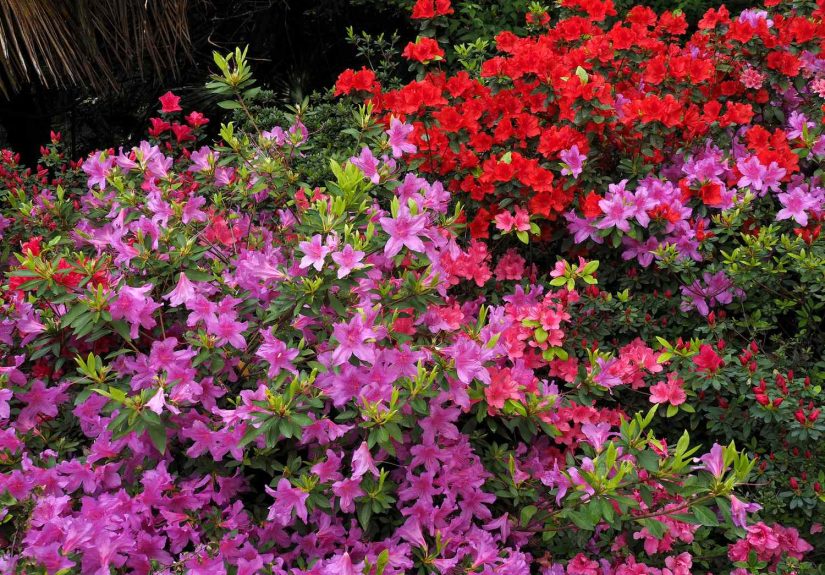
Azaleas are famous for exploding into color in spring, which is exactly why fall pruning is such a bad idea. These shrubs start preparing for next year’s bloom season earlier than many gardeners realize. By fall, the buds are already in place. Cut them off, and spring becomes a lot less dramatic.
Fall pruning can also trigger new growth on azaleas, and that growth is vulnerable to cold injury. So you are risking both fewer flowers and more winter stress. That is an impressively bad return on a single afternoon of yard work.
What to do instead
Prune azaleas soon after they finish blooming in spring if they need shaping or size control. If your azalea is healthy and fits the space, you may not need to prune it much at all. In fall, focus on watering during dry spells, mulching appropriately, and letting the plant settle in for winter.
3) Lilacs
Why you should not prune them in fall
Lilacs are another classic spring-blooming shrub that flowers on old wood. The big fragrant blooms people wait all year for are tied directly to the plant’s growth cycle. Prune in fall, and you can remove the flower buds before they ever get a chance to open.
Lilacs also tend to get pruned for the wrong reason: they look tall, leggy, or overgrown by late summer. That makes them tempting. But cutting them back in fall usually trades one problem for another. Yes, the shrub may look neater for winter. No, you will not enjoy the consequences next May.
What to do instead
Prune lilacs immediately after flowering. That gives the plant time to produce new growth and set buds for next year. If the shrub is old and woody, rejuvenation pruning can help, but timing still matters. Take out a portion of the oldest stems after bloom instead of giving the whole plant a dramatic autumn buzz cut.
Pro tip: If your lilac has plenty of leaves but disappointing flowers, bad timing may be the culprit just as much as poor sunlight.
4) Forsythia
Why you should not prune it in fall
Forsythia is often one of the first shrubs to bloom in spring, which makes it a bright yellow reminder that winter does eventually end. Like lilac, it blooms on old wood. That means the flower buds for next spring are formed on stems produced during the prior growing season. Prune in fall, and you remove the very branches that would have carried those cheerful blooms.
Forsythia also grows quickly, so gardeners often cut it back when it gets a little wild. Understandable. It is not exactly known for a naturally restrained personality. But fall is still the wrong season for heavy pruning.
What to do instead
Prune forsythia right after flowering. Thin out older stems at the base to keep the shrub vigorous and shapely, rather than shearing the top into a random green meatball. Natural form looks better, and the shrub will reward you with more flowers.
5) Camellias
Why you should not prune them in fall
Camellias are elegant, glossy-leaved shrubs that often seem too polished to need much pruning at all. In most cases, that instinct is correct. They are relatively slow growers, and heavy pruning in fall can remove developing flower buds or stimulate ill-timed growth, depending on the variety and your climate.
Because camellias bloom in the cool season or early spring, gardeners sometimes assume a fall trim will tidy them up before the floral show begins. Unfortunately, the plant may already be carrying the buds you are hoping to enjoy. That neat shape can come at the cost of actual flowers, which is a little like polishing the silverware and forgetting to make dinner.
What to do instead
Prune camellias after flowering if they truly need shaping. Otherwise, keep fall pruning minimal. Remove dead or damaged branches if necessary, but save major cuts for the appropriate post-bloom window. Camellias generally look and perform better when they are lightly guided, not aggressively managed.
6) Weigela
Why you should not prune it in fall
Weigela is beloved for its arching branches and trumpet-shaped flowers, and it follows the same basic rule as many spring-flowering shrubs: it blooms on old wood. In other words, the framework for next year’s flowers is already in place by the time fall arrives.
Cutting it back in autumn can reduce blooming and spoil the plant’s graceful form. Weigela is one of those shrubs that suffers when gardeners try too hard to make it look “tidy.” A naturally fountain-shaped weigela is charming. A heavily clipped weigela often looks like it lost an argument with hedge shears.
What to do instead
Prune weigela just after it blooms. Remove a few of the oldest stems at the base if the shrub needs thinning, and avoid turning it into a stiff geometric object unless your yard is secretly a topiary competition.
7) Roses
Why you should not heavily prune them in fall
Roses are a little more nuanced than the other plants on this list, but the basic message is still important: avoid heavy fall pruning. Major pruning can stimulate tender new growth that is susceptible to winter damage, and in colder climates it may leave the plant more exposed than it should be heading into dormancy.
Some gardeners do make small cuts in late fall to reduce wind whip on very tall canes, especially in exposed locations. That is not the same thing as a full pruning session. The real structural pruning for most bush roses is better saved for late winter or early spring, once the worst of winter has passed and you can see what survived.
What to do instead
In fall, focus on cleanup and protection. Remove diseased foliage, clear debris around the base, and in colder regions prepare roses for winter according to local conditions. If a few extra-long canes need shortening to prevent breakage, keep it conservative. Save the serious shaping for spring.
What You Should Do in Fall Instead of Pruning Everything
If you are determined to do something useful in the garden during fall, good news: there is plenty to do that does not involve questionable pruning decisions.
Smarter fall garden tasks
Start by removing dead, diseased, or broken branches where needed. Water shrubs during dry autumn weather so they enter winter better hydrated. Refresh mulch, but do not pile it against stems like you are trying to bury evidence. Clean up diseased leaves around susceptible plants. Label shrubs you always forget about. And if you absolutely must wield pruners for emotional reasons, point them toward plants that genuinely benefit from dormant-season or early-spring pruning.
The goal in fall is not to make every shrub look salon-ready. It is to help plants enter winter healthy, stable, and ready for a strong return in spring.
Final Thoughts
When it comes to fall pruning, restraint is often the most intelligent gardening move you can make. Old-wood hydrangeas, azaleas, lilacs, forsythia, camellias, weigela, and roses all have reasons to be left mostly alone once the growing season winds down. Some already carry next year’s flower buds. Others are vulnerable to cold damage if pruning sparks fresh growth too late in the season. Either way, the message is the same: not every untidy shrub is asking to be cut back.
A better garden often comes from better timing, not more effort. So this fall, before you start “cleaning things up,” pause and ask one question: Am I improving this plant, or am I just making myself feel productive? Your spring blooms will answer honestly.
What Gardeners Learn the Hard Way: Real-World Fall Pruning Experiences
Almost every gardener has a fall-pruning story, and most of them begin with confidence and end with confusion. The usual pattern goes something like this: the weather feels perfect, the yard looks a little unruly, and a shrub that seemed charming in May now looks like it could use a stern talking-to. So the gardener trims it, steps back, admires the cleaner lines, and feels deeply accomplished. Then spring arrives, and the plant either flowers poorly, flowers unevenly, or stares back in leafy silence like it is holding a grudge.
Hydrangeas are famous for this lesson. Gardeners see faded flower heads and assume they are helping by cutting them off in fall. Months later, the plant leafs out beautifully but produces few blooms, which leads to theories involving fertilizer, moon phases, neighborhood cats, and bad luck. In reality, the flower buds were already there, and the pruning removed them. It is a classic gardening mistake because it feels so reasonable in the moment.
Azaleas and lilacs teach a similar lesson, but with extra emotional damage because their spring blooms are such a big event. When those flowers fail to appear after a fall trim, people tend to notice. A lilac without flowers is not subtle. It is like planning a parade and getting one person with a kazoo. That disappointment is often what finally convinces gardeners to learn the bloom cycle of their shrubs instead of treating every plant like it follows the same schedule.
Roses create a different kind of experience. Many gardeners assume a hard fall cut will prepare roses for winter and make spring easier. Instead, they may see tender late growth get zapped by cold, or they discover in spring that the plant would have been better off with a lighter touch. Experienced rose growers often talk about the value of patience here. Fall is for sanitation, observation, and protection. Spring is for judgment, pruning, and occasional dramatic speeches delivered while wearing garden gloves.
Camellias and weigela tend to teach a subtler lesson: just because a plant can be pruned does not mean it wants to be. Some of the best-looking shrubs are the ones that were only lightly guided over time instead of relentlessly shaped. Gardeners who stop over-pruning often notice better structure, fuller bloom, and healthier regrowth. That is a useful shift in mindset. Good pruning is not about proving who is in charge. It is about understanding how the plant grows and working with that habit instead of against it.
The best gardening experience, in the end, is not the one where every shrub is perfectly trimmed by November. It is the one where spring arrives and the yard delivers exactly what it promised: buds opening where they should, branches carrying flowers instead of regrets, and a gardener who has finally learned that sometimes the smartest thing to do with pruners is put them down and go inside for cider.