Table of Contents >> Show >> Hide
If your living room feels a little “meh,” it might not be your furniture’s faultit might just be the paint. Color has the power to make your space feel brighter, cozier, airier, or more dramatic in a single weekend. Designers are seeing a big shift toward warm whites, earthy neutrals, soothing blues and greens, and rich browns that make a room feel like a hug. At the same time, classic navy, charcoal, and even soft black are still go-to paint colors for a sophisticated living room that looks designer on a realistic budget.
This guide breaks down 55 of the best living room paint color ideas, grouped by mood and style. Whether your vibe is airy and minimal, cozy and cocoon-like, or bold and dramatic, you’ll find a shade category that makes your space feel intentionaland very much “you.”
How to Choose the Best Living Room Paint Color
Think About Light, Size, and Direction
Before you fall in love with a paint chip, look at your living room’s light. North-facing rooms can lean cool and shadowy, so they often benefit from warm whites, creamy neutrals, and golden undertones. South-facing rooms get a lot of warm light, so cool blues, greens, and grays usually feel balanced instead of chilly. If your living room is small or has little natural light, lighter shades with a higher light reflectance value (LRV) can help it feel more open, while darker hues will create a cozy, den-like feel.
Match the Color to How You Use the Room
If your living room is where you unwind after work, softer, calmer colorslike warm neutrals, muted blues, and sage greenstend to work well. If it’s more of an entertaining hub, you can lean into richer colors and contrast: navy, charcoal, deep greens, or even a dramatic accent wall. The right paint color should support the mood you want, not fight it.
Work with What You Already Own
Look at your big-ticket items: the sofa, rug, flooring, and any built-ins. Are they cool (gray, blue, black) or warm (beige, tan, wood, brass)? Choose living room paint colors that share the same temperature. For example, warm greige walls flatter honey oak floors, while cooler blue-grays look great with gray sofas, black metal, and chrome finishes.
Don’t Forget Undertones and Finish
Every neutral has an undertonepink, yellow, green, or violet. Test samples on multiple walls and look at them morning, afternoon, and evening. A “simple” white might look blue in the morning and dingy in the evening. As for finish, most designers favor eggshell or matte for living room walls because they hide imperfections but still feel soft and sophisticated. Save semi-gloss for trim and doors.
55 Best Living Room Paint Colors by Mood and Style
Below are 55 paint color ideas grouped into categories. You don’t need the exact brand name to use the ideaany good paint store can match the tone if you bring photos or inspiration.
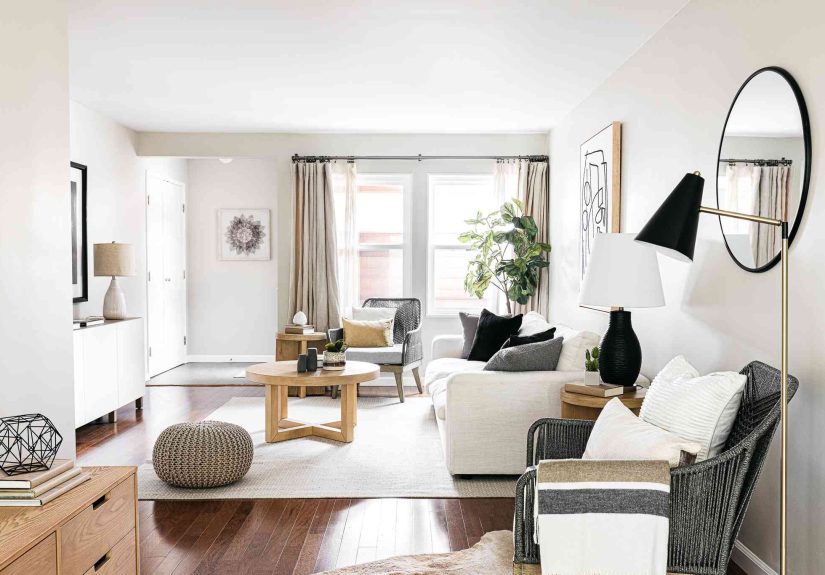
- Soft gallery white – A clean but not stark white that makes art and furniture pop. Perfect for modern or minimalist living rooms where you want the decor to lead.
- Warm milk white – A milky, warm white that flatters wood floors and beige furniture. It reads cozy instead of cold, especially in north-facing rooms.
- Creamy ivory – Slightly deeper than white but lighter than beige, ivory wraps the living room in a soft glow and pairs well with black accents.
- Subtle linen white – Think of the tone of unbleached linen. This white has a faint beige undertone that makes a room feel relaxed and effortless.
- Pale greige whisper – A whisper of gray mixed with beige. This is a crowd-pleaser for open-concept homes where the living room flows into the kitchen.
- Feather gray – A very light gray that doesn’t feel cold. Use it when you want just enough contrast with white trim but still a bright, light-filled space.
- Blue-tinted white – A crisp, cool white with the tiniest hint of blue. Great for sunny living rooms where you want a coastal, airy feel.
- Greige with green undertone – A neutral that quietly leans green can help your space feel connected to nature and plays nicely with plants and natural fibers.
- Stone white – Off-white with a hint of gray, like smooth river stones. It’s sophisticated and pairs well with charcoal, navy, and deep wood tones.
- Pale mushroom – A subtle mix of gray and beige with a soft brown base. A “no-drama” wall color that still looks layered and interesting.
- Classic greige – The beloved gray-beige hybrid that works with almost anything. Ideal if you frequently update pillows and decor but don’t want to repaint.
- Warm taupe – A slightly deeper, richer neutral that feels cozy without going fully brown. Perfect for a living room that doubles as a TV room.
- Sand beige – The color of a warm beach, sand beige brings instant comfort and pairs beautifully with crisp white trim and ocean-inspired blues or greens.
- Café au lait – A milky coffee tone that looks chic with black metal, leather, and wood. It’s great for transitional and modern farmhouse styles.
- Greige with violet undertone – A soft greige that leans just a touch toward plum, giving the walls a sophisticated, almost “gallery” feel.
- Camel tan – The color of your favorite camel coat, this warm tan makes a living room feel upscale yet comfortable and plays well with navy and forest green.
- Oatmeal beige – Light, creamy, and slightly textured in feel, oatmeal beige is ideal if you love Scandinavian or Japandi style.
- Mushroom taupe – A cozy, mid-tone neutral that looks amazing in rooms with big windows, rich wood, and layered textiles.
- Light mocha – A gentle brown that offers more depth than beige but isn’t too dark. It can make a large, open living room feel more intimate.
- Walnut brown – Inspired by walnut wood, this brown works well on accent walls or for color-drenched rooms with lots of light.
- Chocolate truffle – A rich, dark brown that’s surprisingly elegant in a living room when paired with cream and brass.
- Caramel latte – Warm, golden brown that gives cozy coffee-shop energy. Pair with black window frames and linen curtains for a modern look.
- Smoky espresso – Nearly-black brown that’s fantastic for moody spaces with layered lighting and soft fabrics.
- Spiced cinnamon brown – A brown with a hint of red-orange, great for rustic, boho, or global-inspired living rooms.
- Soft sky blue – A gentle blue that makes a room feel breezy and open. Ideal if you want a relaxing, coastal-inspired living room.
- Misty blue-gray – A blue with gray mixed in for a more grown-up, sophisticated vibe. Works wonderfully with white slipcovered sofas and pale woods.
- Classic navy – Forever in style, navy adds depth and elegance. Use it on all four walls in a large living room or as an accent behind the sofa.
- Deep ink blue – Darker than navy, this dramatic blue looks luxurious with velvet, leather, and metallic accents.
- Dusty denim blue – A medium blue that feels casual and approachable, perfect for family rooms and laid-back spaces.
- Blue with green undertone – A quiet blue-green that mimics the color of still water. Ideal for serene, spa-like living rooms.
- Periwinkle blue – A blue with a hint of purple that feels playful without being childish. Great in eclectic or artistic spaces.
- Stormy blue – A gray-blue with a moody, atmospheric vibe. Use it in rooms with plenty of light and warm textiles.
- Blue-black – Almost black with a hint of blue that reveals itself in daylight. Sleek and dramatic, especially with white trim and minimal decor.
- Sage green – The hero of relaxed living rooms, sage is soft, calm, and endlessly versatile, pairing well with whites, woods, and black accents.
- Silver green – A pale, silvery green that reads almost neutral. Perfect for small living rooms where you want color without heaviness.
- Olive drab – Earthy and grounded, olive works beautifully with leather, natural linen, and vintage pieces.
- Forest green – Deep and dramatic, but still cozy. Use it in a well-lit living room for a polished, library-like feel.
- Blue-green teal – Saturated and bold, teal is a great choice if you want your living room to feel energetic and creative.
- Pistachio – A playful, slightly retro green that feels fresh and fun. Pair with white and wood for a lighthearted, modern look.
- Deep moss green – Darker than sage, moss green feels grounded and organic, especially with stone, jute, and dark wood.
- Muted eucalyptus – A soft, gray-green that looks especially good with black accents and warm wood tones.
- Barely-there blush – A whisper of pink that reads more like a warm neutral than a “pink” room. Ideal for bright apartments.
- Rosy beige – Beige with a hint of rose that adds warmth and softness. Works well with warm metals and textured fabrics.
- Dusty mauve – A muted purple-pink that feels romantic yet sophisticated. Perfect for living rooms that double as reading nooks.
- Terracotta blush – A softened terracotta that brings in warmth without overwhelming the space.
- Clay pink – Earthy pink with brown undertones, great in boho, Mediterranean, or southwestern-inspired living rooms.
- Sunset coral – Cheerful and energetic, coral works best as an accent wall or above wainscoting.
- Charcoal gray – A modern classic that adds instant sophistication. It’s especially striking with white trim and light furniture.
- Soft black – Not a true jet black, but a deep charcoal that feels chic and cozy. Works beautifully in smaller living rooms for a cocoon effect.
- Ink charcoal – Almost-black gray with blue undertones, perfect for high-contrast spaces with light floors and ceilings.
- Plum wine – A deep purple with red undertones that feels luxe and moody. Best in rooms with layered lighting.
- Oxblood red – A sophisticated, brownish red that pairs beautifully with leather, brass, and dark wood.
- Muted mustard – A deep, earthy yellow that brings warmth and personality. Ideal for accent walls or color blocking.
- Sun-washed yellow – Soft and buttery, sun-washed yellow makes darker rooms feel lighter and more cheerful.
- Soft orange terracotta – A gentle, clay-like orange perfect for creating a cozy, inviting living room with Mediterranean flair.
Tips for Using These Living Room Paint Colors
Test Large Swatches, Not Just Tiny Chips
Paint a big square (at least 2×2 feet) on multiple walls and live with it for a few days. Look at the color in morning light, afternoon sun, and evening lamplight. This is the only reliable way to see undertones and determine if a color really suits your space.
Balance Walls with Trim and Ceiling Color
Don’t forget the supporting players. Warm white walls might look best with a slightly creamier trim, while cool blue walls often prefer a crisp, clean white. For a designer look, consider painting the ceiling a softer version of your wall color instead of defaulting to bright white.
Use Color Zoning in Open-Concept Spaces
If your living room is part of an open layout, you can still define the space with color. Use one of the richer huesnavy, forest green, or charcoalon the living room walls, and keep adjoining areas lighter. The change in color will subtly mark zones without needing physical dividers.
Layer Textures to Keep Dark Colors Cozy
Dark colors like ink charcoal, soft black, or deep moss green can feel wonderfully snug, but they need balance. Add a light rug, textured throws, woven baskets, and warm metals so the room feels inviting, not heavy.
Remember That Paint Is the Easiest Thing to Change
If you’re nervous about committing, remind yourself that paint is one of the most flexible changes you can make at home. Start with a single accent wall or paint a smaller room first, then work up to color-drenching your living room once you’re more confident.
Real-Life Experiences Choosing Living Room Paint Colors
Most people don’t nail their living room paint color on the first tryand that’s okay. Choosing the right shade is part science, part art, and a little bit of therapy. Picture this: someone falls in love with a dramatic navy on social media, paints their dim, north-facing living room, and suddenly the space feels like a cave. The solution isn’t “never use dark colors,” but rather understanding how light, furnishings, and finish interact with that color.
One common experience is underestimating how strong a color will feel on all four walls. A tiny chip of sage or terracotta might look subtle in the store, but once it’s covering an entire room, it reads much bolder. That’s why designers constantly preach the gospel of sample boards and test patches. Homeowners who take the time to test three or four options on the wall almost always end up happier with the final result than those who grab the first can that looks “close enough.”
Another recurring lesson is that neutrals are not automatically “safe.” Plenty of people have painted their living room a trendy cool gray only to discover that, in their space, it looks flat, cold, or slightly like an office lobby. The living rooms that feel timeless usually have neutrals tailored to the home’s existing featureswarm beiges and greiges with traditional wood trim, softer whites in bright modern condos, and more saturated neutrals in homes with tall ceilings and lots of natural light. Matching undertones to floors, furniture, and even your favorite decor pieces makes a huge difference.
Lighting makes or breaks a color, and it’s something homeowners often learn the hard way. Overhead lighting alone can make any color feel harsh, especially at night. People who end up loving their living room paint usually layer table lamps, floor lamps, sconces, and even string lights to soften the color and create different moods. The same charcoal wall that feels intense under a single bright overhead bulb can feel rich and elegant under warm, diffused lighting.
There’s also the emotional side of picking living room paint. Because this is the space where you host friends, binge-watch shows, and unwind after long days, the color has to feel good to younot just look good in a magazine. Some folks realize they crave calm and end up happiest with soft whites, sages, and muted blues. Others feel most energized in rooms with bold navy, deep green, or warm terracotta. The “best” living room paint color is the one you enjoy seeing every day, not the one that simply matches a trend list.
Finally, many people find that embracing imperfection makes the process more fun. Maybe the first color was too yellow or the second one too graythat’s still useful information. Each attempt helps you narrow down what truly works for your home. Over time, you start to see patterns: you might prefer warmer undertones, richer saturation, or lighter colors across the board. Once you’ve lived through a few painting experiments, you’ll walk into the paint store or scroll through inspiration photos with a much clearer sense of what will actually boost your space instead of just changing it.
The real win isn’t finding a mythical “perfect” paint color on the first try; it’s creating a living room that reflects your taste, feels comfortable in real life, and makes you smile every time you walk in. With the 55 ideas above as a starting pointand a willingness to test, tweak, and layeryou’ll be well on your way there.