Table of Contents >> Show >> Hide
- Quick Jump
- 1) Eat Like You’re Fueling a Growing Human (Because You Are)
- 2) Move Every Day (Not as Punishment)
- 3) Sleep Like It’s Your Superpower
- 4) Protect Your Mental Health (It’s Health)
- 5) Build “Future You” Habits: Prevention, Hygiene, and Smart Choices
- Conclusion
- Real-Life Experiences: What Teens Say Actually Works (Extra ~)
Being a teen is basically like running a major operating-system update while still using your phone, doing homework, and trying to look normal in public. Your body is growing, your brain is rewiring, your schedule is chaotic, and somehow you’re expected to make “healthy choices” when the cafeteria is serving mystery nuggets.
The good news: staying healthy as a teen doesn’t require waking up at 4 a.m., drinking celery juice, or pretending you love burpees. It’s about a few simple habitsdone consistentlythat help you feel better now and set you up for the future. Let’s build a teen wellness plan that actually fits real life.
1) Eat Like You’re Fueling a Growing Human (Because You Are)
Teen bodies are building muscle, bone, hormones, and brain connections at a high speed. That means your nutrition needs are realand yes, sometimes that looks like being hungry again 45 minutes after eating. You’re not “broken.” You’re under construction.
Use the “good-enough plate” method
You don’t need to track every gram of anything. A simple way to make meals healthier is to aim for variety across food groups: fruits, veggies, grains (especially whole grains), protein foods, and dairy (or fortified alternatives). The point isn’t perfection it’s giving your body different nutrients so you have energy, stronger bones, and better focus.
Upgrade your breakfast (even if it’s tiny)
If mornings feel like a sprint, think “portable.” The goal is to combine protein + fiber so you don’t crash in second period. Try one of these:
- Greek yogurt + fruit + granola (or cereal)
- Peanut butter on whole-grain toast + banana
- Egg sandwich (microwave egg counts; we’re not judging)
- Overnight oats with milk and berries
Snack smarter: the “2-part snack” rule
When you’re starving after school, snacks can either help your body recoveror accidentally become “a whole bag of chips while scrolling.” A simple rule: pick two partsone protein/healthy fat + one fiber/fruit/veg.
- Apple + cheese stick
- Hummus + carrots or pita
- Trail mix (nuts + dried fruit) + a few crackers
- Tuna or chicken salad + whole-grain crackers
Hydration that doesn’t taste like sadness
Water helps with energy, mood, digestion, and even how clearly you think. If you’re not a “plain water” person, you can still win: add lemon, cucumber, berries, or try sparkling water. Keep sugary drinks as an occasional thing, not your default.
A practical target for many teens is “sip all day” and check your pee color (yep, we’re going there): pale yellow usually means you’re doing fine. If you’re active, sweating, or it’s hot out, you’ll need more.
One more thing: don’t fall for extreme diets
Teens are still growing. Super restrictive diets can backfiremore cravings, low energy, mood swings, and not enough nutrients to support growth. If you’re worried about your weight, body image, or eating habits, talk to a trusted adult and a healthcare professional who understands teen development.
2) Move Every Day (Not as Punishment)
Exercise isn’t a “summer body” thing. It’s a brain, sleep, mood, and energy thingplus it strengthens your heart, muscles, and bones while you’re still building them.
A teen-friendly target: 60 minutes a day (but it can be broken up)
Many health guidelines recommend that kids and teens get about an hour of moderate-to-vigorous activity daily. Before you panic: that can be split into chunks. Three 20-minute bursts still count.
What counts as “real” exercise?
If your heart rate goes up and you’re a little out of breath, it counts. Examples:
- Sports practice, games, or drills
- Brisk walking with a friend (bonus points for gossip-powered speed)
- Dancing in your room like you’re the main character
- Bike rides, skateboarding, swimming
- YouTube workouts (pick ones that don’t make you hate life)
Don’t skip strength: it’s not just for bodybuilders
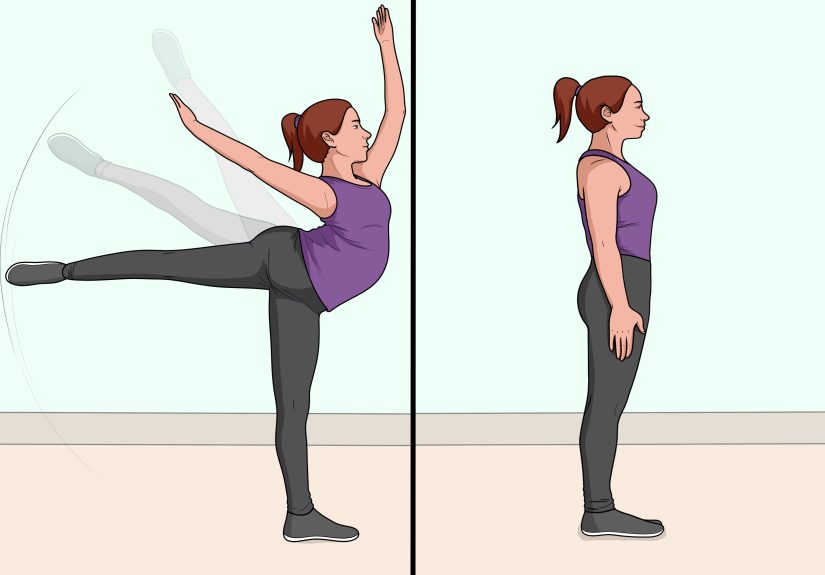
Strength training supports posture, joint health, and sports performanceand it can be done safely with bodyweight moves: push-ups, squats, lunges, planks, pull-ups, resistance bands, or light dumbbells with good form.
Make it stick with the “fun-first” strategy
The best workout is the one you’ll actually do. If you hate running, don’t choose running as your personality. Choose something you enjoy and make it easy to repeat:
- Social: walk after school with a friend, join a club sport
- Convenient: 10-minute mini-workouts between homework blocks
- Rewarding: track progress (more reps, longer plank, faster mileyour call)
Extra benefit: physical activity can lower stress and improve moodsometimes faster than you’d expect. If your brain feels like a browser with 47 tabs open, moving your body helps close a few.
3) Sleep Like It’s Your Superpower
If there’s one “health hack” teens are most likely to ignore, it’s sleepmostly because school starts early and life is loud. But sleep is where your body repairs muscles, your brain files memories, and your mood gets stabilized.
How much sleep do teens need?
Many experts recommend that teens (ages 13–18) aim for about 8–10 hours per night. That’s not “lazy.” That’s biology. Teen circadian rhythms shift later, so you naturally feel sleepy laterthen you still have to wake up early. Rude, but true.
The “sleep triangle”: schedule, screen habits, and caffeine
If sleep is messy, these are usually the culprits:
- Schedule: wildly different bedtimes = your body never knows what’s happening
- Screens: doomscrolling in bed = your brain thinks it’s daytime
- Caffeine: late coffee/energy drinks can sabotage sleep (and anxiety)
A realistic sleep routine that doesn’t require becoming a monk
- Set a “lights-out range” (not one exact minute): for example, 10:30–11:00 p.m.
- Power down screens about an hour before bed when possible; if not, dim brightness and avoid intense content
- Do a wind-down cue: shower, stretching, reading, calm music, or a short journal entry
- Keep weekends reasonable: sleeping in a little is fine; shifting by half the day makes Monday feel like jet lag
If you’re always exhausted despite trying, talk to a healthcare professional. Sleep problems can be real medical issues, not a “try harder” situation.
4) Protect Your Mental Health (It’s Health)
Teen mental health matters as much as physical health. Stress, anxiety, sadness, and overwhelm aren’t “dramatic” or “just teen stuff.” They’re signals. Sometimes they’re normal and manageable; sometimes they mean you need support.
Know the difference: stress vs. anxiety vs. “I need help”
Stress is often linked to a situation (tests, conflict, schedules). Anxiety can stick around even when nothing is actively on fire. If you’re feeling hopeless, constantly on edge, or your emotions are interfering with school, sleep, relationships, or eating, that’s a sign to talk to someone.
Build a coping toolbox (so you don’t rely on panic and vibes)
Healthy coping skills are like muscles: awkward at first, useful forever. Try these options and keep the ones that work:
- Move your body: even a walk can shift your mood and calm your nervous system
- Breathing reset: inhale for 4, hold for 2, exhale for 6 (repeat 5 times)
- Journal: dump thoughts on paper so they stop bouncing in your skull
- Mindfulness: short guided meditations, body scans, or prayerwhatever fits your values
- Gratitude: write 3 specific things (not “oxygen,” unless you’re feeling poetic)
- Nature break: being outside helps more than it gets credit for
Use your people (even if you’re “not a feelings person”)
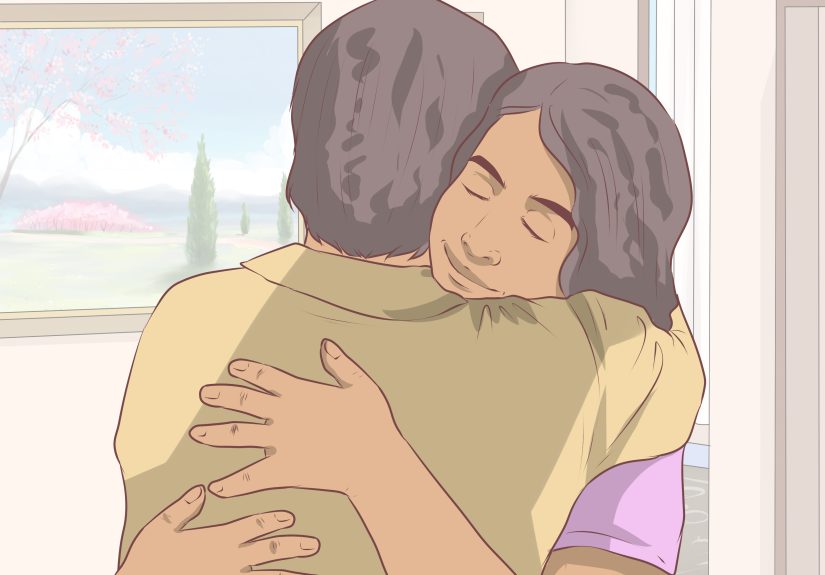
Talk to someone you trust: a parent/guardian, school counselor, coach, teacher, older sibling, or a friend who can be steady. You don’t need a perfect speech. Try:
“I’ve been feeling overwhelmed a lot lately. Can I talk to you about it?”
When it’s urgent
If you or someone you know is in immediate danger or thinking about self-harm, reach out right away. In the U.S., you can call or text 988 to reach the Suicide & Crisis Lifeline, or use their chat option. If it’s an emergency, call local emergency services.
Bottom line: mental health support is not weakness. It’s maintenancelike taking your car in before the engine light becomes a smoke signal.
5) Build “Future You” Habits: Prevention, Hygiene, and Smart Choices
Some health wins are quiet. They don’t show up in a mirror tomorrow, but they protect your energy, your confidence, and your long-term health. This is the “boring” stuff that secretly makes life easier.
Limit screen time in the moments it matters most
You don’t need to delete every app and move to a cabin. But boundaries help your sleep, focus, and mood. Two high-impact moves:
- Create tech-free zones: meals, during homework blocks, and the last hour before bed
- Set a screen curfew: a time you stop scrolling so your brain can downshift
Protect your lungs and brain: avoid nicotine and vaping
Vapes aren’t harmless. Many contain nicotine, which is highly addictive and can affect parts of the adolescent brain involved in attention, learning, mood, and impulse control. If you’re already using nicotine and want to stop, talk to a healthcare professional or a trusted adultquitting support exists, and you deserve it.
Brush, floss, repeat (yes, it’s that important)
Oral health is health. A strong baseline: brush twice a day and clean between teeth daily (like floss or another interdental cleaner). It’s not glamorous, but it saves you pain, money, and awkward smiling-with-your-mouth-closed moments later.
Get preventive care (not just “sick care”)
Annual checkups help catch issues early, answer questions you might not want to Google, and make sure you’re up to date on preventive care (including vaccines, screenings, and guidance that’s appropriate for your age). If you play sports, remember: a sports physical isn’t always the same thing as a full well-visitboth can matter.
Bonus: small safety habits that protect your future
- Wear a seatbelt every ride. Every time.
- Use helmets for bikes, scooters, and skatingyour brain is not replaceable hardware.
- Practice safer choices around substances and relationships; ask a trusted adult for accurate info.
- If something feels “off” in your body (or mood), speak up early.
Conclusion
Staying healthy as a teen isn’t about being perfectit’s about building a few repeatable habits that keep you energized, strong, and steady. If you do nothing else, remember this: eat a variety of real foods, move daily, protect your sleep, care for your mental health, and practice prevention. That combination is ridiculously powerful over time.
Start small. Pick one change you can actually keep for two weeks. Let it become normal. Then add the next. That’s how “healthy” stops being a project and becomes your default.
Real-Life Experiences: What Teens Say Actually Works (Extra ~)
Advice is great, but real life is messyespecially when you’re balancing school, sports, friends, family, and the mysterious time vortex known as “homework.” Here are patterns that show up again and again in teen experiences, along with what tends to work.
The “I’m too busy to be healthy” season
A lot of teens hit a stretch where everything ramps up at once: a tougher class load, practices, a part-time job, college prep, or family responsibilities. The healthiest teens in those seasons usually don’t do morethey do simpler. They switch from “perfect meal plans” to “backup basics”:
- Keep two fast breakfasts on rotation (yogurt + fruit; toast + peanut butter).
- Pack one dependable snack every day (trail mix, cheese + apple, hummus cup).
- Schedule movement like a meeting: a 20-minute walk after school counts.
The key lesson: consistency beats intensity. When life is packed, “good enough” wins.
The sleep comeback story
Many teens describe the same cycle: stay up late, feel awful, chug caffeine, repeat. The ones who break it usually pick one change that feels almost too easylike charging the phone across the room or setting a “scroll stop” alarm. At first, it feels dramatic (“But what if I miss a meme?”). Then they notice something wild: better mood, fewer headaches, and less snapping at people they actually like.
A common “aha” moment is realizing that sleep isn’t just restit’s emotional regulation. When you’re rested, problems don’t feel like emergencies. They feel like… problems you can solve.
Finding an exercise you don’t hate
Teens who stay active long-term often stop forcing themselves into workouts that feel like punishment. Instead, they build a movement identity that fits them:
- The social mover: walks with friends, team sports, dance class.
- The solo recharger: lifting, biking with music, swimming, yoga.
- The “micro-workout” person: 10 minutes between homework blocks.
One teen-described trick that works surprisingly well: link movement to a reward you already lovelike a favorite playlist, podcast, or calling a friend. Your brain starts craving the routine because it feels good, not because you “should.”
Mental health: the quiet support that changes everything
Teens often say the turning point wasn’t one magic techniqueit was telling one safe person the truth. Sometimes that’s a school counselor. Sometimes it’s a coach. Sometimes it’s a friend’s parent. The relief isn’t just emotional; it’s physical. Shoulders drop. Breathing gets easier. And from there, coping skills actually start working because you’re not doing everything alone.
The experience-based takeaway: if you’re struggling, don’t wait until you’re “bad enough” to deserve help. Support is easier and more effective early.