Table of Contents >> Show >> Hide
- Why Calming Drinks Can Help With Stress in the First Place
- 1. Chamomile Tea
- 2. Tart Cherry Juice
- 3. Warm Milk
- 4. Lemon Balm Tea
- 5. Low-Caffeine Green Tea
- How to Get the Most Out of These Stress-Relief Drinks
- Common Mistakes People Make With “Relaxing Drinks”
- The Bottom Line
- Everyday Experiences With Calming Drinks: What They Feel Like in Real Life
- SEO Tags
Note: This article is for general wellness education. It is not a substitute for medical advice, diagnosis or treatment.
Some days, stress shows up politely. Other days, it barges in like it pays rent, steals your concentration, and turns your shoulders into concrete. When that happens, a calming drink can feel like a tiny peace treaty between your brain and the rest of your body.
Now, let’s be honest before the internet invents another miracle potion with glitter and false promises: no beverage can magically erase chronic stress, fix burnout, or transform your nervous system into a spa playlist. But health experts do say that certain drinks may support relaxation, improve sleep quality, or make it easier to unwind when paired with healthy habits. And that matters, because stress relief is often less about one dramatic fix and more about a series of small, steady choices.
Below are five calming drinks experts often point to when the goal is to relax, sleep better, or take the edge off a rough day. Some work because of naturally occurring compounds like apigenin, tryptophan, melatonin, magnesium, or L-theanine. Others help because the ritual itself sends your body an important message: the day is slowing down now, and you are allowed to do the same.
Why Calming Drinks Can Help With Stress in the First Place
Stress affects far more than your mood. It can mess with sleep, appetite, focus, digestion, and even how tense your muscles feel. That is why the right relaxing drink can be surprisingly helpful. Not because it performs wizardry, but because it can support a better wind-down routine, encourage hydration, and deliver compounds that may promote a calmer state.
Experts also emphasize something people forget when chasing “stress relief drinks”: timing matters. A low-sugar, low-caffeine drink in the evening can support relaxation. A huge, sugary beverage with hidden caffeine at 9:30 p.m.? That is less “self-care” and more “surprise plot twist.”
1. Chamomile Tea
If calming drinks had a hall of fame, chamomile tea would already have a statue. It is probably the best-known bedtime beverage for a reason. Chamomile contains apigenin, a plant compound associated with a mild sedative effect, which is why it is so often recommended for winding down after a stressful day.
Health experts generally describe chamomile as a gentle option, not a knockout punch in a mug. That distinction matters. Chamomile is not meant to feel like a tranquilizer dart for your inbox anxiety. Instead, it may help take the sharp edges off your stress, making it easier to relax and transition into rest.
Why chamomile stands out
Chamomile is one of the most talked-about herbal teas for mild anxiety and bedtime relaxation. Research on sleep is not perfectly consistent, but it is one of the better-known herbs for people who want a softer, more natural-feeling evening ritual. It is especially appealing for those who do not want caffeine sneaking into the party uninvited.
Best time to drink it
About 30 to 60 minutes before bed is ideal. You can also use it in the late afternoon after a tense work block, an exam, a hard commute, or a day that felt like it lasted six business weeks.
A practical tip
Skip the sugar overload. If you want more flavor, add a slice of apple, a bit of cinnamon, or a small spoonful of honey. The goal is “calm,” not “dessert disguised as tea.”
What to watch for
Chamomile may not be a great choice for people with ragweed-related allergies, and it can interact with certain medications, including blood thinners. If you are pregnant, breastfeeding, or taking regular medication, check with a healthcare professional first.
2. Tart Cherry Juice
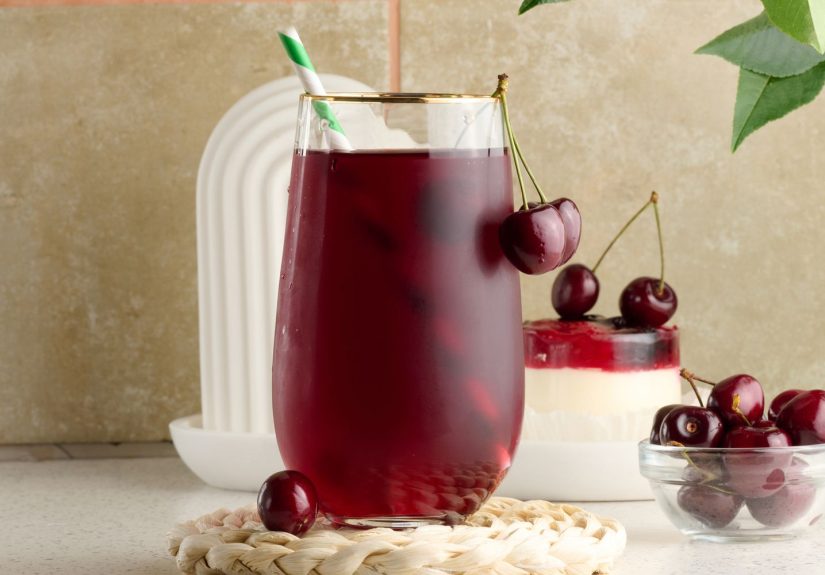
Tart cherry juice has quietly become the overachiever of the relaxing-drink world. It does not have the cozy reputation of tea, but experts are interested in it because tart cherries naturally contain melatonin and tryptophan, both of which are connected to sleep and mood regulation.
That does not mean tart cherry juice is a guaranteed off-switch for stress. What it may do is support better sleep quality and help your body slide into a calmer evening rhythm. And since stress and poor sleep tend to team up like villains in a buddy movie, anything that supports better rest can indirectly help you feel less frazzled.
Why tart cherry juice gets expert attention
Among natural beverages, tart cherry juice has some of the more interesting early sleep-related research behind it. Experts still say the studies are small and far from definitive, but it is one of the few drinks that keeps showing up in conversations about nutrition and better sleep.
How to drink it
A small serving, often around 4 ounces, is usually enough to start with. Choose unsweetened tart cherry juice if possible. Otherwise, you may end up giving your body a sugar rush while asking it to relax. That is like trying to meditate inside a fireworks factory.
Who may like it most
People who want an evening drink that feels less herbal and more fruit-forward often prefer tart cherry juice. It also works well for anyone who wants a non-caffeinated option that feels different from standard tea.
What to watch for
Tart cherry juice can contain natural sugars, so portion size matters, especially if you are watching blood sugar or overall calorie intake. It is better as a small, intentional nightcap than a full tumbler the size of a flower vase.
3. Warm Milk
Yes, your grandmother may have been onto something. Warm milk has long been associated with bedtime, and while it is not a miracle cure, there is a sensible reason it keeps surviving every generation’s wellness trends. Milk contains tryptophan, and that amino acid plays a role in producing serotonin and melatonin.
Warm milk also has another advantage that wellness culture sometimes forgets: comfort. Sometimes what helps most is not a trendy ingredient but a familiar ritual. A warm drink held in both hands, sipped slowly in dim lighting, can cue the body to settle down. That combination of warmth, habit, and nutritional support is part of why milk remains an expert-approved classic.
Why it works for some people
The science on warm milk is limited but promising enough to keep it in the conversation. In practical terms, it may help certain people feel sleepier, more settled, and less restless before bed. The comforting routine may be just as important as the drink itself.
How to make it better
Keep it simple. Warm it gently, not to lava level, and consider adding cinnamon or a splash of vanilla. If you tolerate dairy poorly, a fortified plant-based milk may still create a similar soothing ritual, though the research is stronger for dairy milk itself.
What to watch for
If you are lactose intolerant, have a dairy allergy, or know milk upsets your stomach, this is not your stress-relief soulmate. A calming drink should not come with digestive drama.
4. Lemon Balm Tea
Lemon balm tea is less famous than chamomile, but it deserves more credit. Lemon balm is an herb in the mint family that experts often mention for mild stress, worry, and restlessness. It has a gentle citrusy, slightly herbal flavor that feels fresher than some heavier bedtime teas.
What makes lemon balm interesting is that it may support calm without feeling overly sleepy for everyone. That means it can work as an evening drink, but it may also fit earlier in the day when you want to relax without immediately face-planting into a couch pillow.
Why experts like lemon balm
Small studies suggest lemon balm may help lessen some symptoms of anxiety, such as worry and excitability. It is not a treatment for an anxiety disorder, and experts are very clear about that. But for everyday stress, it can be a thoughtful addition to a calming routine.
How it tastes
Think light, lemony, and mellow rather than sharp or sour. It is a good choice for people who find chamomile too floral or green tea too grassy.
How to use it
Drink it in the evening or during a stressful afternoon slump. It also pairs well with a short walk, gentle stretching, journaling, or the radical act of putting your phone face down for 20 minutes.
What to watch for
Lemon balm is usually considered well tolerated for short-term use, but it is still an herb, not just fancy leaf water. If you are pregnant, breastfeeding, or taking medications, get professional guidance before making it a nightly habit.
5. Low-Caffeine Green Tea
Green tea may sound like an odd pick for a list about calming drinks because, yes, it contains caffeine. But lower-caffeine green tea can still make sense, thanks to L-theanine, an amino acid associated with relaxation, improved focus, and a smoother mental state.
This is where nuance matters. Green tea is not the best bedtime drink for everyone. If you are highly sensitive to caffeine, even a modest amount may keep your brain composing imaginary arguments at 1:14 a.m. But in earlier evening or late afternoon settings, a low-caffeine green tea can offer a calm-but-clear effect rather than a sleepy one.
Why green tea makes the list
Experts often point to L-theanine as the star here. It may help soften the stimulating effect of caffeine and promote a more relaxed mental state. That makes low-caffeine green tea useful for people whose stress looks more like tension, scattered thoughts, or overstimulation than physical exhaustion.
Who should choose it
This is a smart option for people who want to feel less edgy but still functional. Think “I need my nervous system to calm down, but I also still need to answer one last email without sounding like a raccoon typed it.”
What to watch for
Timing is everything. Drink it earlier than chamomile or warm milk. If sleep is already a struggle, choose a decaf or lower-caffeine version and avoid it too close to bedtime.
How to Get the Most Out of These Stress-Relief Drinks
The drink matters, but the routine matters more than people think. Experts regularly remind us that good sleep and better stress management are built around habits. A calming beverage works best when it is part of a larger wind-down pattern, not a desperate last-minute rescue mission after three hours of doomscrolling.
- Choose drinks with little or no caffeine in the evening.
- Keep added sugar low.
- Drink them slowly, not like you are late for a train.
- Pair them with a consistent bedtime or unwind routine.
- Avoid large meals, alcohol, and too much fluid right before bed.
If stress is severe, long-lasting, or affecting your daily life, a drink should be the sidekick, not the whole strategy. That is the moment to consider professional support, better sleep hygiene, therapy, or medical care.
Common Mistakes People Make With “Relaxing Drinks”
Assuming natural means harmless
Herbal does not automatically mean risk-free. Chamomile and lemon balm can interact with medications or cause issues for certain people.
Choosing sugar bombs
A heavily sweetened beverage can work against your goal, especially before bed.
Ignoring caffeine labels
Green tea is gentler than coffee for many people, but “gentler” is not the same as “caffeine-free.”
Expecting instant transformation
One mug will not fix weeks of poor sleep, nonstop stress, and a screen-lit bedtime routine. Helpful? Maybe. Magical? Please see your nearest fairy tale section.
The Bottom Line
If you want calming drinks that may actually support relaxation, the best bets are chamomile tea, tart cherry juice, warm milk, lemon balm tea, and low-caffeine green tea. Each one brings something different to the table, whether it is gentle herbal calm, melatonin support, comforting warmth, or the focus-softening effects of L-theanine.
The smartest approach is to pick the one that fits your body, your taste, and your schedule. Chamomile and warm milk are classic bedtime companions. Tart cherry juice is a strong evening contender. Lemon balm is a mellow under-the-radar option. Low-caffeine green tea is better when you want calm without feeling half-asleep.
In other words, the best anti-stress drink is not the trendiest one on social media. It is the one you will actually enjoy, tolerate well, and use consistently as part of a healthier rhythm. Calm, after all, usually arrives in small sips.
Everyday Experiences With Calming Drinks: What They Feel Like in Real Life
There is the science side of calming drinks, and then there is the very human side. The human side usually begins with a day that went sideways. Maybe your calendar looked like a game of Tetris. Maybe your group chat was active in the most emotionally exhausting way possible. Maybe you were not even in a bad mood, exactly, but your brain felt crowded. That is often where a calming drink becomes less about nutrition and more about transition.
Take chamomile tea. For many people, it is not dramatic. It does not hit like a sedative or create some movie-scene moment where the room instantly becomes peaceful and soft piano music starts playing from nowhere. What it does feel like is a gentle exhale. You make the tea, sit down, and suddenly stop moving for the first time all day. Your shoulders drop about half an inch. Your thoughts stop running quite so fast. It is subtle, but subtle is underrated when your nervous system has been acting like it drank three iced coffees and read the news at the same time.
Tart cherry juice feels different. It is less cozy and more intentional. You pour a small glass, and it feels like you are doing something practical for your evening rather than just indulging in a comforting ritual. People who like tart cherry juice often describe it as part of a “serious wind-down routine.” It fits the nights when you know stress and bad sleep are about to team up against you, and you want to give yourself a little backup before bed.
Warm milk is almost entirely about emotional memory for some people. Even if you did not grow up drinking it, the experience has a familiar, old-fashioned softness to it. Warm cup, slower pace, quiet kitchen, lights lower than usual. It can feel grounding in a way that modern wellness trends rarely do. No powders with names that sound like Wi-Fi passwords. No mystery ingredients. Just something warm, simple, and reassuring.
Lemon balm tea often appeals to people who want calm without feeling overly sleepy. It is the kind of drink that fits an early evening reset. You have finished school, work, or a mentally draining task, but you are not ready for bed yet. You just want your brain to stop replaying awkward conversations from 2019. Lemon balm can feel light, refreshing, and mentally tidying, like opening a window in a stuffy room.
Low-caffeine green tea has its own personality. It is less “curl up under a blanket” and more “collect yourself.” This is the drink for when you feel overstimulated, distracted, or mentally buzzy but still need to function. It can support a calmer focus rather than deep drowsiness. In real life, that means it often fits late afternoon better than bedtime.
What all of these drinks share is the experience of pause. You cannot chug calm. You cannot multitask your way into serenity while refreshing five tabs and answering notifications. The experience only works when you let the drink interrupt the momentum of stress. That interruption may last 10 minutes or 30, but it matters.
And maybe that is the most useful part of all. These drinks are not just liquids. They are cues. They tell your body, “We are done sprinting for the moment.” In a world that rarely stops asking for more, that message can be surprisingly powerful.