Table of Contents >> Show >> Hide
- Why Fuel Tank Removal Is a Bigger Deal Than It Sounds
- Way #1: Lower the Tank from Under the Vehicle
- Way #2: Lower the Tank Slightly to Access the Top Components
- Way #3: Skip the Full Drop and Use the Factory Access Panel
- Way #4: On Some Pickups, Move the Bed Instead
- Common Reasons a Gas Tank Needs to Come Down
- When You Should Not Treat This Like a DIY Adventure
- Fuel Tank Removal Costs and Time
- Experience Section: What People Learn the Hard Way About Gas Tank Jobs
- Final Thoughts
There are easy car jobs, there are annoying car jobs, and then there is dropping a gas tank a task that sits somewhere between “mechanical puzzle” and “please don’t let that smell be gasoline.” If you have ever dealt with a failing fuel pump, a rusty tank strap, a mysterious fuel smell, or a leak that makes your wallet cry at every stoplight, you already know why this topic matters.
Still, let’s get one thing straight right away: gas tank removal is not a casual weekend experiment. Gasoline is flammable, fumes can ignite, and the job often requires lifting the vehicle, supporting a bulky tank, and working around fuel lines, electrical connectors, and EVAP components. That means the smartest approach is not always “How do I do it fastest?” but “What is the safest, cleanest, most vehicle-appropriate method?”
In real-world shop settings, there is no one-size-fits-all answer. The best way to drop a gas tank depends on the vehicle layout, fuel level, why the tank needs to come down, and whether the fuel pump or sending unit can be accessed another way. Below are four common ways professionals approach the job, plus the signs that suggest fuel tank service may be needed, the mistakes that cause trouble, and the lessons people usually learn the hard way.
Why Fuel Tank Removal Is a Bigger Deal Than It Sounds
A gas tank is not just a metal or plastic box full of fuel. It is part of a system that includes the fuel pump, fuel sending unit, filler neck, vent lines, EVAP hoses, electrical connectors, and mounting straps. On many vehicles, the fuel pump lives inside the tank, which is why fuel pump replacement and gas tank removal are so closely linked.
That also explains why symptoms often overlap. Difficulty starting, sputtering under load, power surges, rough running, decreased fuel economy, whining sounds from the tank area, and a gasoline smell can all point to fuel-system trouble. Sometimes the issue is the pump. Sometimes it is a leak. Sometimes it is a damaged hose, bad seal, or corroded component. And sometimes the car is politely suggesting that your next stop should be a repair shop, not a road trip.
Safety note: The sections below explain the main professional approaches used to access or lower a fuel tank. They are not step-by-step removal instructions. If your vehicle smells strongly of gas, is leaking fuel, or has an active fire-risk recall, stop driving it and have it inspected or towed.
Way #1: Lower the Tank from Under the Vehicle
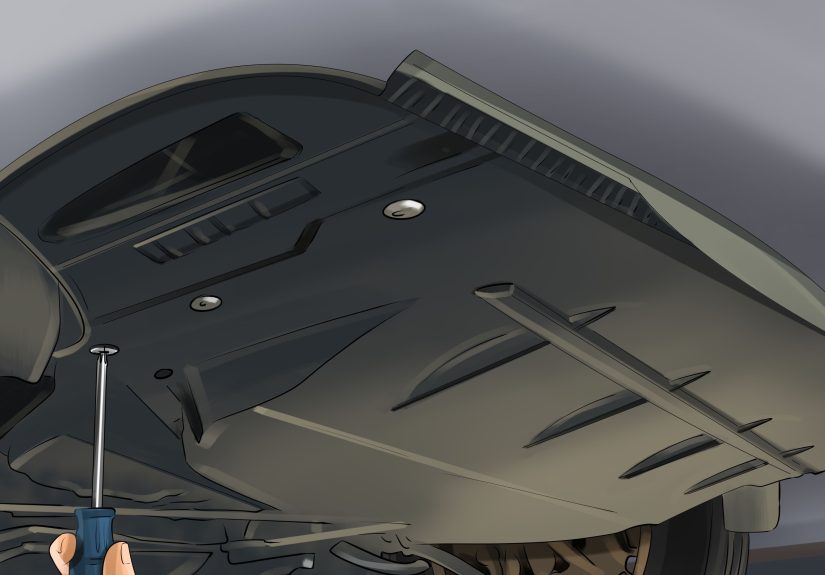
This is the classic fuel tank removal method and the one most people picture first. The vehicle is raised, the tank is supported from below, and the tank is lowered from under the chassis after the connected parts are safely addressed. On many passenger cars, SUVs, and older trucks, this is the default approach because the tank is mounted underneath the vehicle and there is no direct interior access to the fuel pump module.
When this method makes sense
This is usually the go-to approach when the tank itself is damaged, when the mounting straps are rusty or failing, when a leak must be inspected from the top side of the tank, or when the vehicle simply does not offer a cabin access door. It is also common when the tank needs to come fully out for replacement rather than just being lowered enough to inspect a component.
Why shops like it
It gives full access to the tank and everything mounted to it. If the repair involves the tank shell, filler neck connections, vent hoses, or surrounding hardware, complete removal is often the cleanest option. It also allows a technician to inspect hidden corrosion, damaged straps, cracked plastic, and worn seals that are hard to evaluate any other way.
The catch
The tank can be awkward, heavy, and unpredictable, especially when it is not nearly empty. Even when fuel has been reduced, a tank is still a bulky object with hoses and wires attached in inconvenient places. Translation: gravity is not your helper here. This is where professional lifting equipment and stable support make all the difference.
Way #2: Lower the Tank Slightly to Access the Top Components
Sometimes the tank does not have to come all the way out. In many cases, the goal is not full tank replacement but access to the top-mounted fuel pump, sending unit, lock ring, or electrical connector. In that situation, technicians may lower the tank just enough to reach the upper side, disconnect components, and complete the needed repair without fully removing the entire assembly.
When this method makes sense
This approach is common when the main problem is a failed in-tank fuel pump, a bad connector, a leaking seal, or a service issue at the top of the tank. If the tank itself is still in good shape, partial lowering can save time and reduce how much surrounding hardware needs to be disturbed.
Why it can be smarter
It limits unnecessary disassembly. Rather than treating the vehicle like a giant mechanical onion and peeling everything away, the technician creates enough working room to access what actually failed. That can reduce labor time, especially on vehicles where removing the tank completely is more tedious than difficult.
The catch
This method sounds simpler than it is. There still has to be enough clearance to reach lines, wiring, and locking hardware safely. If the tank hangs too little, access is poor. If it hangs too much, connectors can be stretched or damaged. So yes, it is a “middle path,” but it is still a path with fumes, cramped space, and zero tolerance for sparks.
Way #3: Skip the Full Drop and Use the Factory Access Panel
Here is the plot twist many vehicle owners love to hear: some cars and SUVs have a fuel pump access panel under the rear seat, cargo floor, or rear interior section. In those vehicles, the pump can often be reached from inside the cabin area instead of dropping the fuel tank at all. That means the phrase “drop a gas tank” is not always literal. Sometimes the best way to “drop” it is to not drop it in the first place.
When this method makes sense
If the issue is limited to the fuel pump or sending unit and the vehicle includes a service opening, this is often the fastest and least invasive approach. It can dramatically reduce labor because the shop avoids dealing with tank straps, underbody rust, and the awkward job of balancing a large fuel container under the vehicle.
Why owners love it
Because it usually means less labor, less mess, and less time. A vehicle with a factory access panel is the mechanical equivalent of finding out your apartment has an elevator after carrying furniture up two flights of stairs. Same destination, far less suffering.
The catch
Not every vehicle has this design, and even when it does, access may still be tight. Also, an access panel helps with pump service, not with every tank-related problem. If the tank is cracked, the straps are rotted, or the leak is elsewhere, the tank may still need to be lowered or removed for a proper repair.
Way #4: On Some Pickups, Move the Bed Instead
This one surprises people, but it is a well-known strategy on certain pickups: instead of fighting the tank from underneath, a shop may loosen or lift the truck bed to gain top-side access to the fuel pump area. This does not apply to every truck, and it certainly is not the default for every repair, but on some platforms it is quicker and cleaner than wrestling with the tank itself.
When this method makes sense
It is most useful when the repair is focused on the fuel pump assembly and the vehicle design makes top access easier through the bed area than from below. On the right truck, this can avoid unnecessary struggle with underbody clearance, rusty fasteners, and cramped connector access.
Why some technicians prefer it
Because vehicle design matters more than tradition. A good technician does not pick a repair path based on ego. They pick the path that creates the safest working conditions and the best access. If lifting the bed is more efficient than dropping the tank, that becomes the sensible move.
The catch
This method is highly vehicle-specific. It is not some universal “secret shortcut” that works on every pickup parked in America. It depends on bed design, fastener condition, shop equipment, and exactly what component needs service.
Common Reasons a Gas Tank Needs to Come Down
Fuel tank removal usually happens for one of five reasons: fuel pump replacement, fuel leak diagnosis, tank replacement, strap replacement, or contamination inside the tank. In older vehicles, rust and corroded straps are frequent troublemakers. In newer vehicles, the issue is more often pump failure, wiring, or access to a top-mounted module.
Drivers often notice the warning signs before they know the cause. The engine may be hard to start. The vehicle may hesitate, sputter, surge, or lose power. There may be a whining sound from near the tank, a fuel smell near the rear of the vehicle, or visible leakage. Sometimes the repair starts as “I think the fuel pump is going out” and ends as “Actually, the tank seal is leaking and the straps look like they fought a losing battle with winter road salt.”
When You Should Not Treat This Like a DIY Adventure
You should not attempt this as a casual at-home project if the tank is actively leaking, the vehicle smells strongly of gas, the job requires major lifting equipment you do not have, or your area is not properly ventilated. The same goes for vehicles with heavy corrosion, seized hardware, or uncertain recall history.
There is also the simple reality that fuel-related jobs have a low margin for sloppy work. A badly installed seal, damaged connector, pinched hose, or improperly secured line can turn into poor drivability, repeat labor, or a serious safety issue. Saving a few bucks is great. Accidentally creating a rolling fire hazard is less great.
Fuel Tank Removal Costs and Time
Cost varies widely because access is everything. On vehicles with a convenient access panel, the bill may be far lower than on a model that requires major underbody disassembly. When fuel pump replacement is involved, total costs can range from a few hundred dollars to well over a thousand, depending on parts, labor, and vehicle design. Time also varies. A relatively straightforward fuel pump job may take only a few hours, while a stubborn, rust-prone setup can drag the repair into a much more expensive afternoon.
That is why the smartest move is often diagnosis first, wrenching second. Before anyone starts talking about dropping a gas tank, confirm whether the problem is really the tank, the pump, the seal, the lines, or even a recall-related issue. A little diagnosis can save a lot of unnecessary labor.
Experience Section: What People Learn the Hard Way About Gas Tank Jobs
If you talk to enough vehicle owners, DIYers, and technicians, you start hearing the same stories. The first lesson is that everyone underestimates how awkward a gas tank is. People imagine “heavy,” but what they get is “heavy, wide, slippery, full of fumes, and attached to things you cannot quite see.” It is rarely the weight alone that makes the job memorable. It is the shape, the tight space, and the fact that the tank never seems to be centered exactly where you want it.
The second lesson is that fuel smell changes the mood immediately. A squeaky brake job is annoying. A stubborn alternator is frustrating. But the second gasoline fumes enter the conversation, everybody gets serious. Even experienced mechanics tend to slow down, check ventilation, double-check ignition sources, and rethink anything that could create a spark. That is not drama. That is experience talking.
Another common story is that the “real problem” is often discovered only after access is gained. Someone starts out convinced the fuel pump is dead. Then the tank comes down and the actual culprit is a cracked connector, a failing seal, a rusted strap, or a vent line issue. In other words, fuel tank work has a way of humbling confident diagnoses. It is like opening a mystery box that smells expensive.
Truck owners often share a different kind of experience: the surprise of learning that moving the bed can be easier than dropping the tank. The first reaction is usually disbelief. The second is relief. The third is a story that begins with, “I wish I had known that before I spent half a day under the truck.” Vehicle-specific knowledge matters more here than brute force, and that is a theme repeated across nearly every fuel system repair.
Then there is the rust-belt experience, which deserves its own category. In dry climates, fuel tank service can be a straightforward mechanical job. In snowy states, the straps, bolts, and surrounding hardware may look like they have been aging in pirate ship conditions. Owners who have been through it often say the repair itself was not the worst part it was the corroded fasteners turning a normal service visit into a saga.
What experienced people remember most, though, is not the drama. It is the value of doing the job once and doing it right. When a fuel tank repair is completed properly, the payoff is immediate: no gas smell, normal starts, smoother running, and peace of mind. That last part matters more than most people expect. There is something deeply satisfying about driving a vehicle that no longer feels like it is auditioning for an action movie.
Final Thoughts
“4 Ways to Drop a Gas Tank” sounds like a simple how-to headline, but in the real world it is really a lesson in vehicle design, safety, and choosing the right access strategy. Sometimes the tank comes fully down from underneath. Sometimes it only needs to be lowered partway. Sometimes a factory access panel saves the day. And on some pickups, moving the bed is the smarter play.
The main takeaway is simple: the best method depends on the vehicle and the problem. If you are dealing with fuel leaks, pump symptoms, tank corrosion, or a mystery gas smell, resist the urge to guess. Get the issue diagnosed correctly, check for recalls, and choose the repair path that solves the problem without creating a new one. With fuel system work, calm judgment beats courage every time.