Table of Contents >> Show >> Hide
- Quick Table of Contents
- 1) Caffeine Can Be Higher (or Weirder) Than You Think
- 2) Sugar and Calories Can Turn “Energy” Into “Dessert”
- 3) Ingredients and Combos Matter More Than the Marketing
- 4) Timing, Tolerance, and Sleep: The Hidden Bill Comes Due
- One-Minute Drive-Thru Energy Drink Checklist
- Bonus: Real Drive-Thru Energy Drink Experiences ( You’ll Recognize)
- Conclusion
Drive-thru energy drinks are the modern miracle we didn’t know we needed: one minute you’re a sleepy human being,
the next you’re a productive, blink-fast creature who suddenly believes they could reorganize the entire garage.
But here’s the catchthese drinks can be sneaky. The drive-thru makes it feel casual (“Just a quick pick-me-up!”),
while the ingredients, caffeine level, and sugar load can be anything but casual.
This guide breaks down the four biggest things to know before you order a drive-thru energy drinkespecially
the custom “energy + flavors + mixers + toppings” kind. Expect practical tips, real-world examples, and a little
humor (because if we can’t laugh at our 4 p.m. decisions, what can we laugh at?).
Quick Table of Contents
- 1) Caffeine can be higher (or weirder) than you think
- 2) Sugar and calories can turn “energy” into “dessert”
- 3) Ingredients and combos matter more than the marketing
- 4) Timing, tolerance, and sleep: the hidden bill comes due
- Bonus: of drive-thru energy drink “been there” moments
1) Caffeine Can Be Higher (or Weirder) Than You Think
The biggest misconception with a drive-thru energy drink is assuming it’s “about the same” as a cup of coffee.
In reality, caffeine can vary wildly depending on:
- Size (small vs. large can mean a completely different caffeine dose)
- Base (energy drink base, coffee/espresso, tea, or a combo)
- Add-ins (extra shots, concentrate, or “boosts”)
- Hidden caffeine sources (like guarana, which contains caffeine)
Here’s why drive-thru energy drinks are especially tricky: many are custom-built. You’re not just
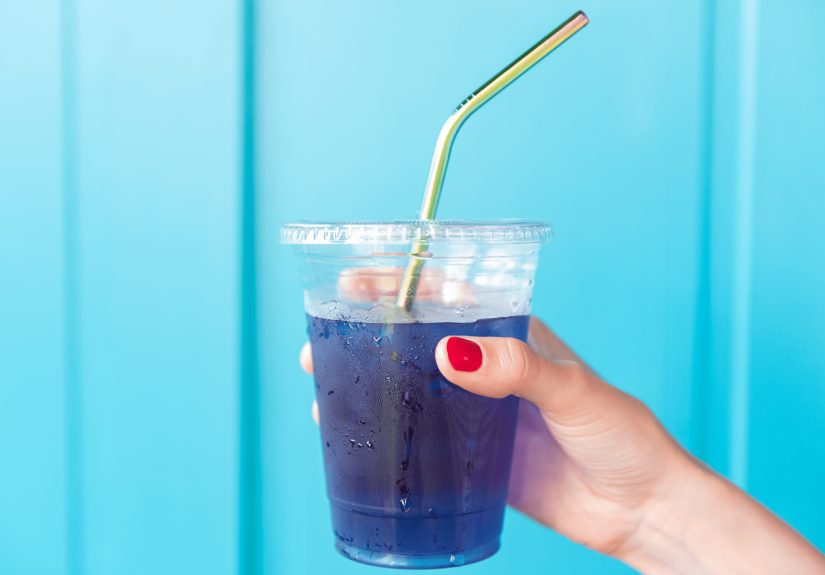
buying “an energy drink”you’re buying a formula. A “blue raspberry + coconut + lime” drink might sound like a
beach vacation, but the caffeine content is still doing work behind the scenes.
A real menu example: caffeine is size-dependent
One major drive-thru chain’s published nutrition guide lists caffeine amounts that change with size and style. For
example, it shows a small iced energy drink around 75 mg caffeine and a medium iced version around
115 mg, while some large blended versions are listed around 130 mg caffeine. That’s
before you even start “leveling up” the order with extras.
What’s a “normal” caffeine limit?
For most healthy adults, U.S. health guidance commonly cites about 400 mg/day of caffeine as a level
not generally associated with negative effects. But sensitivity varies a lotsome people feel jittery at 80 mg,
while others can drink coffee after dinner and sleep like a baby (a very confusing baby).
Who should be extra cautious?
-
Pregnant people: common medical guidance recommends keeping caffeine under about
200 mg/day. -
Kids and teens: pediatric guidance warns that stimulant-containing energy drinks aren’t appropriate
for children and adolescents. -
People with heart rhythm issues, anxiety, or sleep problems: caffeine can make symptoms worse,
depending on the person and dose.
Drive-thru script: what to ask in 10 seconds
If you’re ordering something new (or “secret menu-ish”), these questions can save you from accidental over-caffeination:
- “How much caffeine is in this size?”
- “Is there caffeine from anything besides the energy base?”
- “Can you do half-caf / a smaller size?”
- “Is the sugar-free version truly sugar-free, or just sugar-free syrup?”
Translation: you’re not being “difficult.” You’re being the CEO of your own nervous system.
2) Sugar and Calories Can Turn “Energy” Into “Dessert”
If caffeine is the loud roommate, sugar is the quiet one who moves in without telling you and then eats all your
groceries. Many drive-thru energy drinks are built with:
- Flavored syrups (often sweetened unless you request sugar-free)
- Lemonade or sweet mixers (tasty, but typically sugar-forward)
- Foams/toppings (creams, “soft tops,” drizzles)
- Boba or add-ons (fun texture, additional carbs/sugars)
What sugar numbers can look like
In the same published drive-thru nutrition guide mentioned earlier, some flavored energy drinks show sugar amounts
that can be eye-popping. One medium iced flavor is listed with roughly 58 grams of sugar. Some
blended large versions are listed with far moreone example shows over 100 grams of sugar.
For perspective, the American Heart Association suggests keeping added sugar relatively lowoften cited as about
25 grams/day for women and 36 grams/day for men. Meanwhile, U.S. dietary guidance
also recommends limiting added sugars to under 10% of daily calories. When a single drink can meet
(or blow past) those numbers, it’s worth paying attention.
Why this matters beyond “calories”
Sugar hits differently in a beverage because it’s easy to consume quickly. A sweet, cold energy drink goes down fast,
and your body absorbs it fast. For some people, that means a quick spike and crashespecially if the drink replaces
a meal or shows up on an empty stomach.
How to order a drive-thru energy drink that doesn’t act like cake
- Choose the smallest size that does the job. Most people don’t need the “bucket.”
- Ask for “half sweet” (or fewer pumps/scoops of flavor).
- Go sugar-free… carefully. Ask what’s sugar-free: the syrup, the base, or both.
- Skip the heavy toppings (foams, drizzles, soft tops) if you’re watching calories/sugar.
- Swap mixers (e.g., sparkling water instead of lemonade, when available).
You can still get a fun flavor profilejust without accidentally ordering what is basically a liquid candy buffet.
3) Ingredients and Combos Matter More Than the Marketing
Energy drinks are often sold like they’re a personality trait (“unstoppable,” “extreme,” “turbo,” etc.). But your body
doesn’t care about slogansit cares about ingredients.
Caffeine isn’t always just “caffeine”
Some energy drinks include ingredients like guarana, and guarana contains caffeinemeaning it can
raise the total caffeine content. That’s one reason two drinks with similar vibes can have very different effects.
Common effects when you overdo it
Large amounts of caffeine can cause unpleasant (and sometimes concerning) symptomslike rapid heartbeat, anxiety,
sleep disruption, and digestive issues. Some health sources also warn that high caffeine intake can raise heart rate
and blood pressure, and that children’s developing bodies may be especially vulnerable.
The combo people forget: caffeine + alcohol
This matters even if you’re ordering at a drive-thru in the afternoon. A classic scenario is:
energy drink now, happy hour later. Public health guidance warns that caffeine does not “cancel out” alcohol
impairment and may lead to more drinking, more risk-taking, and more injury.
Bottom line: if there’s alcohol in your evening plans, consider making your afternoon “pick-me-up” something milderor
at least smallerso you’re not stacking stimulants and depressants in the same day like it’s a chemistry experiment.
When to check with a clinician
If you have a heart condition, high blood pressure, panic attacks/anxiety, migraines triggered by caffeine, or you’re
pregnant/breastfeeding, it’s smart to ask a healthcare professional what caffeine level makes sense for you. Drive-thru
energy drinks can be “normal” for one person and a total system overload for another.
4) Timing, Tolerance, and Sleep: The Hidden Bill Comes Due
The drive-thru makes energy feel instant. Sleep consequences are… less instant. Caffeine can stay in your body for
hours, and workplace health guidance notes that caffeine’s half-life is often around several hours (meaning you still
have a meaningful amount in your system long after your drink is gone).
That’s why “one quick energy drink” at 4 p.m. can quietly become “why am I reorganizing my sock drawer at midnight?”
Sleep research has also found that caffeine taken even hours before bedtime can reduce sleep time and quality.
Three timing rules that actually work in real life
- Don’t use caffeine to replace sleep. It can help alertness, but it can’t replace restorative rest.
-
Cut off earlier than you think. Many people do better avoiding substantial caffeine within several
hours of bedtime. -
Be mindful of “stacking.” Coffee at noon + drive-thru energy drink at 3 + soda at dinner can
quietly snowball.
Tolerance is real (and sneaky)
If you drink caffeine daily, the “buzz” may fadeleading people to size up or add extra boosts. That’s where accidental
overconsumption happens. If you notice you need more and more just to feel normal, it may be time to scale back for a
bit rather than turning your afternoon drink into a personal science fair.
If you feel “too caffeinated,” do this
- Stop caffeine for the rest of the day.
- Hydrate and eat something. Especially if you ordered on an empty stomach.
- Go easy on exercise right away if your heart is racing.
-
Seek urgent help if you have chest pain, fainting, severe shortness of breath, or scary heart
symptoms.
You don’t need to fear caffeineyou just want it on your team, not running your life like an unlicensed motivational
speaker.
One-Minute Drive-Thru Energy Drink Checklist
- Know your caffeine: ask for the mg, especially when ordering a larger size.
- Watch the sugar: flavored + blended + topped often means high sugar.
- Avoid risky combos: especially mixing caffeine and alcohol later in the day.
- Time it wisely: caffeine can linger and mess with sleep for hours.
Bonus: Real Drive-Thru Energy Drink Experiences ( You’ll Recognize)
Let’s talk about the part nobody puts on the menu board: the experience of ordering a drive-thru energy drink.
Not the glamorous commercial version where you sip it and instantly become a better person. The real-life version.
Experience #1: The “I’ll just get a large” trap.
You’re tired. You’ve earned it. The line is long, and you’re feeling bold. You order a large because you want it to
“last longer.” Ten minutes later you realize “lasting longer” isn’t the same as “working better.” The first half of
the drink hits like productivity fireworks. The second half hits like a jittery TED Talk delivered inside your chest.
Lesson: if you need more later, it’s usually better to order smaller and reassess than to commit to a mega-size up
front.
Experience #2: The “it tastes like candy, so it can’t be intense” illusion.
Some drive-thru energy drinks taste like a melted popsicle in the best way. That flavor can trick your brain into
thinking it’s a harmless treat. But the caffeine is still caffeining, and the sugar is still sugaring. This is where
people get surprised: “Why am I anxious? I basically ordered a fruit punch.” Exactly. It’s a fruit punch with a
engine.
Experience #3: The customization spiral.
You start simple: “strawberry.” Then you hear yourself adding: “plus blue raspberry… and coconut… and a float… and
maybe boba.” Suddenly you’ve built a drink with the complexity of a small mortgage. Customization is fun, but it can
quietly increase caffeine (if there are add-ins), increase sugar (if syrups and sweet mixers stack), and increase
calories (if toppings enter the chat). The fix isn’t to stop customizingit’s to pick one “extra” you truly
want and skip the rest.
Experience #4: The late-afternoon regret.
The drive-thru energy drink is the hero of the 3 p.m. slump. It is also the villain of the 10 p.m. “why can’t I sleep?”
moment. You lie there doing mental math: “If I drank it at 4:12… and caffeine lasts for hours… then technically I’m
still in the relationship.” The practical move: set a personal caffeine cutoff time and treat it like a boundary.
Your pillow will thank you.
Experience #5: The “I didn’t eat all day” surprise.
Energy drinks on an empty stomach can feel stronger and weirder. People often describe a sharper jitter, a faster
heart thump, or a sudden nausea that arrives uninvited. If you’re using a drive-thru energy drink as lunch, your body
may respond like, “This is not what I meant.” A small snackprotein, fiber, or bothcan make the experience smoother.
The theme here isn’t “never order a drive-thru energy drink.” It’s: order like someone who has met their nervous system
before and would like to remain on friendly terms.
Conclusion
A drive-thru energy drink can be a convenient boostespecially when you treat it like a tool, not a personality.
Before you order, check the caffeine, keep an eye on sugar and add-ons, avoid risky combinations (especially with
alcohol), and time it so your sleep doesn’t pay the price later. Small changeslike sizing down or going half-sweet
can turn a chaotic “zoomies” drink into a genuinely helpful pick-me-up.