Table of Contents >> Show >> Hide
- What Exactly Is Topsoil, and Why Does It Matter So Much?
- Mistake 1: Assuming All Topsoil Is Basically the Same
- Mistake 2: Planting Directly into “Builder’s Dirt” Without Improving It
- Mistake 3: Treating Topsoil Like a Tilling Workout
- Mistake 4: Believing Rich, Dark Soil Never Needs Fertilizer or Care
- How to Use Topsoil the Right Way
- Real-World Lessons: Experiences with Topsoil Mistakes
- Bringing It All Together
If you’ve ever planted a bed with high hopes and then stared at sad, stunted plants
wondering what went wrong, there’s a good chance the real culprit isn’t your watering
schedule or even your choice of plants. It’s your topsoil. Yep, the “boring” brown
stuff under your feet can quietly make or break your garden.
The tricky part? Topsoil looks simple but behaves like a diva. Choose it wrong, pile
it on incorrectly, or assume it’s a one-and-done job, and you can stall plant growth
for seasons. The good news is that a few small changes in how you buy, use, and care
for topsoil can transform your garden from “meh” to “WOW.”
What Exactly Is Topsoil, and Why Does It Matter So Much?
Topsoil is the uppermost layer of soil, usually the first 2–8 inches of earth where
most plant roots live. It holds organic matter, air pockets, water, and nutrients
basically, everything your plants need to eat, drink, and breathe. Healthy topsoil
has:
- A balanced mix of sand, silt, and clay (often called loam)
- Plenty of organic matter (composted plant material and microbes)
- Good drainage and good moisture-holding capacity
- A neutral to slightly acidic pH for most garden plants
When that balance is offtoo compacted, too sandy, stripped of organic matter, or
chronically underfedyour plants struggle. They may survive, but they won’t thrive.
Let’s walk through four common topsoil mistakes that quietly sabotage plant growth,
plus what to do instead.
Mistake 1: Assuming All Topsoil Is Basically the Same
Why This Trips Up So Many Gardeners
One of the biggest myths in gardening is that “dirt is dirt.” You go to the garden
center, see a big pile or pallet labeled “topsoil,” and assume it’s all standard
issue. Not even close.
Topsoil can vary wildly from one supplieror even one part of your yardto another.
Some loads are heavy clay that hold water like a bathtub. Others are so sandy that
water and nutrients slide through before roots can use them. Some are rich and
dark; others are pale, lifeless, and low in organic matter.
To make things more confusing, bagged “topsoil” at big-box stores is often a mix of
low-grade soil plus a little compost or wood fines. Bulk topsoil from a local pit
might be native soil scraped from a construction site with rocks, weed seeds, and
who-knows-what mixed in.
Red Flags Your Topsoil Is Holding Plants Back
- Your soil crusts over and cracks after watering or rain.
- Puddles linger on the surface long after the hose is off.
- Roots grow shallow and sideways instead of deep and down.
- Plants look pale or stunted even when you’re watering regularly.
- You see lots of rocks, rubble, or un-decomposed wood chunks.
How to Choose Better Topsoil
Before you buy a truckload, do a quick “mini soil inspection”:
-
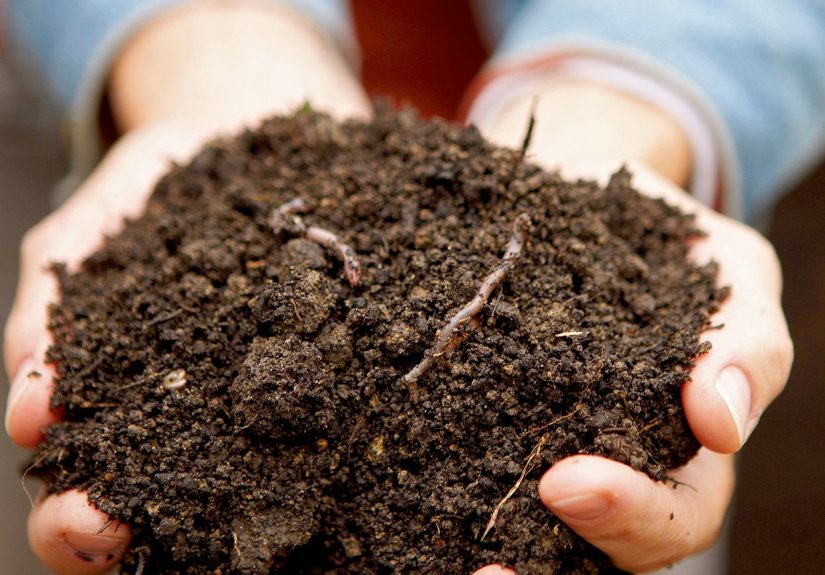
Look at the color. Dark brown or black often indicates more
organic matter. Pale or gray soils may be low in nutrients. -
Do the squeeze test. Grab a handful of moist soil and squeeze.
It should form a crumbly ball that breaks apart easily, not a hard brick or dry,
shifting sand. -
Ask if it’s screened. Screened topsoil has been run through a
mesh to remove big rocks, roots, and construction debris. -
Know the pH. For most plants, a pH between about 6.0 and 7.5
works well. If you’re investing in a lot of soil, a simple lab soil test is cheap
insurance.
If your topsoil is already in place and less than ideal, don’t panic. You can still
improve it by layering and mixing in organic matter like compost, leaf mold, or
well-aged manure, which help fix both heavy clay and overly sandy soil over time.
Mistake 2: Planting Directly into “Builder’s Dirt” Without Improving It
What Happens When You Plant in Abused Soil
New homes and major renovations are famous for wrecking topsoil. Construction
equipment scrapes away the best top layer and compacts what’s left. Then, if you’re
lucky, a thin skim of topsoil is spread over dense subsoil and sod is rolled out on
top. It looks good for a season, but roots quickly hit a wall.
When plants have only a shallow layer of decent soil over rock-hard subsoil, they:
- Grow shallow roots that dry out quickly
- Struggle with standing water after storms because water can’t drain downward
- Show nutrient deficiencies even if you fertilize
- Are more vulnerable to heat, drought, and disease
How to Rehab Compacted or Stripped Topsoil
If you’re dealing with “builder’s special” soil, your mission is to rebuild the
top layer and improve structurenot just spread more dirt on top and hope for the
best. Here’s a practical approach:
-
Start with a soil test. It tells you pH, major nutrients, and
organic matter levels so you’re not guessing. -
Loosen the subsoil where possible. Use a digging fork, broadfork,
or mechanical aerator to break up compaction 6–10 inches deep, especially in beds
and key planting areas. -
Add organic matter generously. Spread 2–4 inches of compost,
shredded leaves, or well-rotted manure over the surface, then mix it into the
top 8–12 inches of soil where you’re planting. -
Build depth, not just surface fluff. For lawns and most beds,
aim for at least 4–6 inches of reasonably good topsoil. For shrubs and deep-rooted
perennials, more is better. -
Avoid working soil when it’s wet. Digging or tilling saturated
soil makes compaction worse and destroys its crumbly structure.
Think of this as an investment phase. Once you’ve rebuilt your soil foundation, it’s
much easier to maintain with lighter annual touch-ups.
Quick Pre-Planting Checklist
- Have I checked the soil texture and drainage?
- Do roots have more than a couple inches of decent soil to grow into?
- Has some form of compost or organic matter been added?
- Did I avoid heavy traffic and digging when the soil was wet?
If you can say “yes” to those questions, your plants will thank you with better
growth, fewer problems, and a lot less gardener frustration.
Mistake 3: Treating Topsoil Like a Tilling Workout
When Tilling Helpsand When It Hurts
Many of us grew up watching rototillers chew through garden beds like it was an
annual ritual. Freshly turned soil looks amazingfluffy, smooth, and ready
for planting. The problem is that over-tilling can quietly damage soil structure.
Here’s what happens when you till too often or too deeply:
-
You break apart the natural aggregates that help soil hold air and water in the
right balance. - You create a fine powder that can collapse and compact when it gets wet.
- You slice up earthworms and disrupt beneficial fungi and microbes.
-
You bring buried weed seeds to the surface, where they suddenly have light and
warmth to germinate.
None of that is great news for plant roots. Over time, overworked soil can become
more compacted, not less, leading to slower root growth and poor water movement.
Smarter Ways to Work with Your Topsoil
Tilling isn’t evilthere’s a time and place for it, especially when you’re creating
a new bed or mixing in large amounts of compost for the first time. But after that
initial setup, it’s better to switch to gentler practices:
-
Use a “no-dig” or minimal-till approach. Add compost to the top
of the soil each year and let worms and microbes pull it down naturally. -
Protect the soil surface. Keep beds mulched with shredded leaves,
straw, or bark mulch to prevent crusting and erosion. -
Provide stepping stones or paths. Concentrate foot traffic on
paths to avoid compacting root zones. -
Break up compaction selectively. If you have a problem area,
use a garden fork to loosen small sections instead of churning the whole bed.
Think of your topsoil as a layered sponge full of life. Every time you aggressively
churn it, you rip that sponge apart. The less you disturb it, the more stable and
fertile it becomes over time.
Mistake 4: Believing Rich, Dark Soil Never Needs Fertilizer or Care
Why Great-Looking Soil Still Gets “Tired”
That deep, chocolate-brown soil you worked so hard to build? It’s wonderfulbut
it’s not an endless buffet. Plants constantly pull nutrients like nitrogen,
phosphorus, and potassium out of the soil to grow leaves, roots, flowers, and fruit.
When you harvest vegetables or cut flowers, a lot of those nutrients are literally
leaving the garden in your basket.
Annual flowers and vegetables are especially hungry. Without regular replenishment,
even gorgeous topsoil can slowly become less fertile. The symptoms are sneaky at
first: smaller leaves, weaker stems, fewer flowers, and reduced yields.
How to Keep Topsoil Fertile Long-Term
Instead of throwing synthetic fertilizer at every problem, focus on feeding the soil
itself:
-
Add compost annually. Spread 1–2 inches of compost on beds in
fall or early spring and gently mix it into the top layer or leave it under mulch. -
Use targeted fertilizers, not random ones. Base fertilizer
choices on soil test results. Sometimes you only need phosphorus, potassium, or a
bit of lime rather than a full “all-purpose” product. -
Rotate crops. Don’t plant the same heavy-feeding crops in the
same spot every year. Rotation helps balance nutrient demands and reduce disease
pressure. -
Grow cover crops where you can. In empty beds, plant clover,
rye, or other cover crops to add organic matter and protect bare soil.
The goal is simple: keep your topsoil in “deposit mode” more often than
“withdrawal mode.” A little steady care outperforms occasional rescue fertilizing.
How to Use Topsoil the Right Way
Beyond avoiding those four big mistakes, it helps to know where topsoil shines and
where it falls short.
Good Uses for Topsoil
- Building and filling raised beds and berms
- Creating new planting beds over poor subsoil
- Establishing or repairing lawns (with sufficient depth)
- Smoothing low spots and lightly topdressing established beds
When Topsoil Is the Wrong Choice
-
Containers and pots. Topsoil is too dense and poorly aerated
for container gardening. Use potting mix instead. -
Leveling without amending. Dumping topsoil over a compacted,
lifeless base just hides the problem temporarily. -
Overly deep soft layers. Extremely thick layers of fluffy
organic-rich soil over a dense layer can cause waterlogging and unstable footing.
A simple rule of thumb: topsoil is fantastic as a growing layer when it’s
well-matched to your plants and blended into the existing soil, not just dumped on
top like frosting.
Real-World Lessons: Experiences with Topsoil Mistakes
Theory is great, but nothing sticks in your brain quite like a painful gardening
memory. Here are some common “I’ll never do that again” experiences that many
gardeners shareand what you can take from them.
“I Bought a Cheap Truckload of Topsoil… and My Plants Hated It”
It’s a classic story: a bargain ad for “premium topsoil,” a delivery truck, and a
huge brown mountain in your driveway. You spread it in new beds, plant perennials,
and wait for the lush growth you imagined. Instead, plants sulk. Water sits on the
surface after rain. Weeds explode.
In many real-world cases, that “bargain” soil turns out to be fill dirt with a
fancy labelheavy, compact-prone, and low in organic matter. The fix usually
involves adding compost year after year, loosening the soil with a fork, and
slowly turning that disappointing layer into something roots can actually move
through.
Lesson learned: always look at and handle topsoil before buying large quantities.
If a supplier won’t let you inspect their soil or provide basic info about it,
that’s your cue to walk away.
“My New Lawn Looked Great… Until the First Heavy Rain”
Another familiar scenario: the new lawn looks gorgeous at move-in, but after the
first big storm, you start seeing puddles. The turf turns yellow in patches. When
you peel back a small section, you discover only a thin layer of soil over dense
clay or even construction rubble.
In situations like this, the short-term fix might be aeration, topdressing with
compost, and reseeding thin spots. Long-term, though, the real solution is
gradually building deeper topsoil. Regularly adding thin layers of compost and
topsoil, aerating to help them penetrate, and avoiding heavy traffic on wet ground
can slowly transform that lawn from a soggy mess into a healthier root zone.
Lesson learned: before you accept a lawn or start one from scratch, check what’s
under the surface. A measuring tape, a narrow shovel, and five minutes of digging
can save you years of frustration.
“I Over-Tilled My Garden and It Got Worse Every Year”
Many gardeners have had the experience of rototilling every spring, only to notice
that beds seem to settle lower, get harder, and become dustier over time. The
first year or two look fine; by year three or four, it’s a different story.
What’s happening is that repeated tilling is grinding down natural soil crumbs and
disrupting the underground “architecture” that roots and water depend on. Once you
switch to a gentler systemadding compost on top, using a fork instead of a
tiller, and keeping beds mulchedyou start to see longer-lasting structure, fewer
weeds, and better moisture balance.
Lesson learned: your soil doesn’t need to be turned completely upside-down every
year. Think “massage,” not “jackhammer.”
“I Thought My Dark Soil Was PerfectUntil My Veggies Stalled”
One more common experience: you’ve been adding compost for years, your soil is
beautifully dark and crumbly, but suddenly your tomatoes and peppers just don’t
perform. Growth slows, leaves look a little washed out, and fruit production drops.
Often, this is the moment gardeners discover soil testing. A test might reveal low
phosphorus or potassium, a pH that’s crept out of the ideal zone, or specific
micronutrient imbalances. Once those issues are addressed with the right
amendmentssometimes as simple as a targeted organic fertilizer or a pH adjustment
the same soil that looked great and now tests great supports vigorous
growth again.
Lesson learned: appearance is a clue, not a lab report. Healthy topsoil still needs
periodic testing and fine-tuning to keep delivering peak performance.
Bringing It All Together
Topsoil doesn’t look glamorous, but it’s the stage on which your entire garden
performs. When you understand that not all topsoil is equal, that compacted or
stripped soil needs real rehab, that over-tilling can backfire, and that even rich
soil needs ongoing nourishment, you unlock better growth across your yard.
Give your topsoil the same attention you give plant tags and seed packets, and
you’ll see the difference in faster establishment, stronger roots, and more
resilient plantsseason after season.