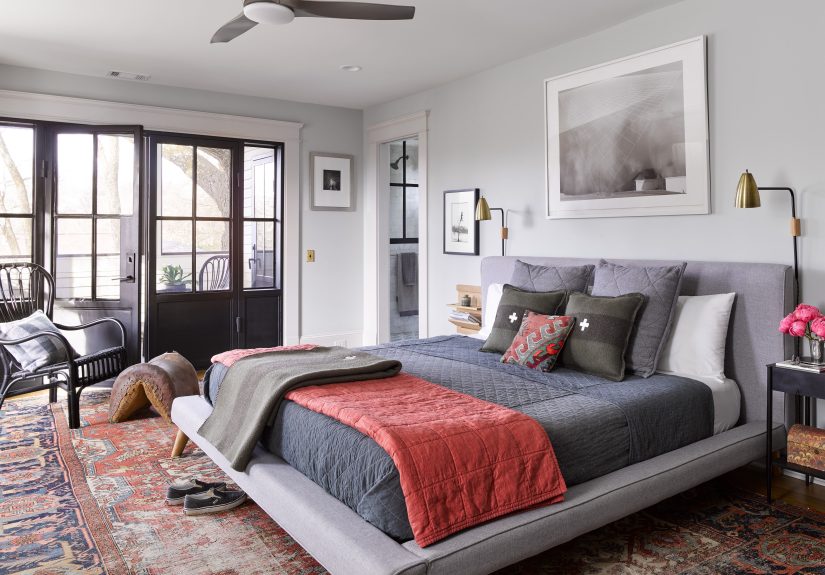
Table of Contents >> Show >> Hide
- Why Gray Works So Well in Bedrooms
- 37 Gray Bedroom Ideas to Inspire Your Space
- 1. Start with a warm greige wall color
- 2. Pair light gray walls with crisp white trim
- 3. Try a charcoal accent wall behind the bed
- 4. Layer multiple shades of gray
- 5. Bring in soft blue accents
- 6. Warm it up with natural wood
- 7. Add brass for a little glow
- 8. Choose a gray upholstered headboard
- 9. Use gray wallpaper instead of paint
- 10. Keep the ceiling white
- 11. Go all in on a moody charcoal cocoon
- 12. Mix gray with blush pink
- 13. Use black accents for a tailored look
- 14. Add creamy ivory bedding
- 15. Try a green-gray paint color
- 16. Use gray only in the textiles
- 17. Add a patterned gray rug
- 18. Mix in linen and boucle
- 19. Try weathered gray wood furniture
- 20. Add a bench at the foot of the bed
- 21. Use silver accents sparingly
- 22. Pair gray with navy
- 23. Introduce soft lavender-gray tones
- 24. Balance gray with warm beige layers
- 25. Use oversized art above the bed
- 26. Add curtains in a slightly deeper gray
- 27. Try a gray canopy or four-poster bed
- 28. Bring in woven accents
- 29. Use mirrored furniture carefully
- 30. Create contrast with a white bed
- 31. Add rust or terracotta accents
- 32. Paint built-ins or nightstands gray
- 33. Use subtle gray stripes
- 34. Let plants break up the palette
- 35. Choose warm lighting
- 36. Style the bed with restraint
- 37. Make it personal with meaningful decor
- How to Make a Gray Bedroom Feel Relaxing Instead of Flat
- Extra Inspiration: Real Experiences With Gray Bedrooms
- SEO Tags
Gray bedrooms have come a long way from the old “office waiting room, but make it sleepy” stereotype. Today, gray is one of the most flexible decorating colors around. It can feel soft and airy, rich and dramatic, cozy and cocooning, or crisp and tailored. In other words, gray is not the problem. A boring room is the problem.
If you want a bedroom that feels restful without looking flat, gray is a smart place to start. The trick is choosing the right undertone, layering textures, and mixing in materials that keep the room warm and personal. A pale silver-gray can brighten a small bedroom, while a charcoal wall can make a larger room feel intimate and luxurious. Add white trim, natural wood, brass lighting, blue accents, or blush textiles, and suddenly gray stops whispering and starts singing.
This guide rounds up 37 gray bedroom ideas that can help you create a space that feels like a retreat instead of a room where laundry happens to take naps. Whether your style leans modern, farmhouse, classic, minimalist, or somewhere between “Pinterest board” and “I just want it to look put together,” these ideas can help you design a gray bedroom that feels calm, layered, and seriously inviting.
Why Gray Works So Well in Bedrooms
Gray is a design chameleon. Warm grays with beige or taupe undertones feel cozy and grounded. Cool grays with blue notes create a cleaner, calmer mood. Green-gray shades feel organic and relaxed. And deep charcoal can bring drama without the full commitment of black. Because gray plays well with other colors, it gives you room to experiment with bedding, art, rugs, and lighting without turning the room into visual chaos.
The best gray bedrooms also rely on contrast. That might mean a white ceiling against gray walls, warm wood furniture against a pale wall color, or soft linen bedding layered over a dark upholstered bed. Gray is the backdrop, not the whole performance. Once you treat it that way, the room becomes much easier to style.
37 Gray Bedroom Ideas to Inspire Your Space
1. Start with a warm greige wall color
If you want gray to feel welcoming instead of chilly, choose a greige tone with soft beige undertones. It creates a gentle backdrop that works especially well with cream bedding, oak furniture, and woven textures.
2. Pair light gray walls with crisp white trim
This classic combination keeps a bedroom looking bright and clean. White trim helps the gray read more intentionally, which is useful when the wall color is so pale it could otherwise drift into “accidental off-white.”
3. Try a charcoal accent wall behind the bed
A dark gray accent wall can anchor the room and make the bed feel more substantial. It is a great move if you want moody style without committing to four dark walls and a dramatic monologue.
4. Layer multiple shades of gray
Use pale gray on the walls, medium gray in the bedding, and deep gray in a rug or headboard. The variation adds depth and keeps a monochromatic room from looking flat.
5. Bring in soft blue accents
Blue and gray are one of the easiest pairings for a restful bedroom. Powder blue pillows, a slate-blue throw, or muted artwork can make the room feel airy and serene.
6. Warm it up with natural wood
Gray can sometimes feel cool, so natural wood furniture is an easy fix. Walnut, oak, and weathered wood tones add warmth and balance without fighting the neutral palette.
7. Add brass for a little glow
Gray loves warm metallics. Brass sconces, drawer pulls, or a simple bedside lamp can add just enough shine to make the room feel polished and less like a cloud forgot to decorate.
8. Choose a gray upholstered headboard
A padded gray headboard introduces softness and texture in one move. It also works with nearly any wall color, so it is a safe investment if you like changing your decor over time.
9. Use gray wallpaper instead of paint
Wallpaper with gray florals, stripes, or subtle geometric prints adds personality while keeping the palette calm. It is especially effective in a bedroom that needs pattern but not visual chaos.
10. Keep the ceiling white
When the walls are gray, a white ceiling can make the room feel taller and brighter. This contrast also gives the eye a clear break, which helps the overall design feel fresh.
11. Go all in on a moody charcoal cocoon
If your room gets good natural light, dark gray on all four walls can feel incredibly intimate and luxurious. Finish the look with plush bedding and soft lighting for hotel-suite energy.
12. Mix gray with blush pink
Blush softens gray beautifully. A dusty pink blanket, velvet cushion, or art print can warm the room without making it feel overly sweet.
13. Use black accents for a tailored look
Black-framed art, matte black lighting, or a black bed frame gives a gray bedroom structure. This pairing works especially well in modern and minimalist spaces.
14. Add creamy ivory bedding
Gray and ivory feel softer than gray and bright white. This is a great trick if you want the room to feel calm, layered, and just a little more expensive than your actual bedding budget.
15. Try a green-gray paint color
A gray with green undertones can feel earthy and relaxed. Pair it with plants, natural fibers, and warm brass to lean into that subtle organic vibe.
16. Use gray only in the textiles
You do not need gray walls to have a gray bedroom. Start with a white or cream room, then add gray through bedding, curtains, and a rug for a lighter look.
17. Add a patterned gray rug
A rug grounds the room and introduces movement. Choose a soft pattern in gray and ivory to add dimension without making the space feel busy.
18. Mix in linen and boucle
Texture is what keeps gray from looking flat. Linen bedding, a boucle bench, or a knit throw can make even the simplest palette feel inviting and layered.
19. Try weathered gray wood furniture
Gray-stained wood nightstands or dressers can echo the wall color without matching too perfectly. The result feels cohesive and a little more collected than a full furniture set.
20. Add a bench at the foot of the bed
A gray or greige bench adds function and elegance. It also gives you a place to toss decorative pillows at night instead of building a nightly textile avalanche on the floor.
21. Use silver accents sparingly
Silver mirrors, hardware, or lamp bases can reinforce a cooler gray palette. Keep them minimal so the room stays soft instead of turning icy.
22. Pair gray with navy
Navy adds depth and sophistication to gray bedrooms. Try navy pillows, curtains, or artwork if you want a richer, slightly more dramatic look.
23. Introduce soft lavender-gray tones
If standard gray feels too plain, look for shades with a whisper of lilac. These colors bring personality while still reading as restful and understated.
24. Balance gray with warm beige layers
Gray and beige are no longer rivals. When combined thoughtfully, they create a warm, modern neutral palette that feels relaxed rather than rigid.
25. Use oversized art above the bed
Large-scale art in gray, white, and muted accent colors can make the room feel taller and more curated. It also helps soften a low headboard or a simple wall.
26. Add curtains in a slightly deeper gray
When the walls are pale gray, deeper gray curtains add contrast without overpowering the room. This is an easy way to create dimension from floor to ceiling.
27. Try a gray canopy or four-poster bed
A statement bed frame in gray-painted wood or upholstered fabric brings the palette front and center. It looks especially striking in a room with minimal decor.
28. Bring in woven accents
Rattan lamps, baskets, or cane furniture keep a gray bedroom from feeling too sleek. These natural materials add warmth, texture, and a slightly relaxed coastal feel.
29. Use mirrored furniture carefully
In a gray bedroom, mirrored nightstands or a mirrored dresser can bounce light around and keep darker shades from feeling heavy. Just do not overdo it unless your goal is “glam dressing room.”
30. Create contrast with a white bed
A white bed frame or white bedding pops beautifully against medium or dark gray walls. This pairing feels clean, timeless, and especially effective in smaller rooms.
31. Add rust or terracotta accents
Gray becomes instantly cozier when paired with earthy reds, rust, or terracotta. A throw pillow or blanket in these shades can make the whole room feel warmer.
32. Paint built-ins or nightstands gray
If you want a quieter way to use color, paint storage furniture gray while leaving the walls light. This creates depth without making the room feel enclosed.
33. Use subtle gray stripes
Striped wallpaper, bedding, or even a striped rug introduces pattern without disturbing the calm mood. It is a particularly good choice for classic or coastal bedrooms.
34. Let plants break up the palette
Greenery adds life to gray. Even one plant on a dresser or windowsill can make the room feel fresher and more balanced.
35. Choose warm lighting
The wrong bulb can make a gray bedroom look cold in a hurry. Warm white lighting helps soften the palette and makes evening hours feel more relaxing.
36. Style the bed with restraint
Gray bedrooms usually look best when the bedding feels plush but not overstuffed. A duvet, two or three accent pillows, and a textured throw are often enough.
37. Make it personal with meaningful decor
Gray is a great backdrop for art, books, heirlooms, and collected objects. The room should feel calming, yes, but also like it belongs to an actual human and not a furniture catalog.
How to Make a Gray Bedroom Feel Relaxing Instead of Flat
The difference between a beautiful gray bedroom and a dull one usually comes down to layering. Start with the undertone: warm gray for coziness, cool gray for crisp calm, green-gray for softness, charcoal for mood. Then add contrast through trim, bedding, lighting, wood tones, and art. Texture matters just as much as color. A room with linen sheets, a woven rug, velvet pillows, and a warm lamp will feel far richer than one painted gray from wall to wall with no variation at all.
Most importantly, remember that gray is the foundation, not the finish line. Use it to support the atmosphere you want. If your dream bedroom feels bright and airy, choose soft gray and white with pale wood. If you want something dramatic and cozy, go deeper with charcoal and brass. Either way, gray gives you a reliable, stylish base for creating a bedroom that actually helps you exhale.
Extra Inspiration: Real Experiences With Gray Bedrooms
One of the reasons gray bedrooms remain so popular is that they adapt well to real life. In many homes, a bedroom has to do more than just look pretty for five minutes after the bed is made. It has to feel calm in the morning, restful at night, and forgiving when life gets messy. Gray tends to handle all of that surprisingly well.
People who switch from beige or bright white to a soft gray often notice that the room feels more settled right away. The walls seem to recede a little, which can make the bedroom feel less visually demanding. That is especially helpful for anyone who wants their room to feel like a break from screens, noise, and constant stimulation. Gray can create that quieter backdrop without feeling dark or gloomy when the undertone is chosen carefully.
In small bedrooms, light gray is often a favorite because it keeps the space open while still adding more personality than plain white. A tiny room with a pale gray wall, white bedding, and one warm wood nightstand can feel intentional and polished even on a modest budget. In larger bedrooms, deeper grays tend to shine because they make the room feel more intimate and less echoey. That bigger space suddenly feels like a retreat instead of a room you are still trying to “finish someday.”
Another common experience is that gray makes seasonal decorating easier. In summer, it looks fresh with white linens and airy curtains. In fall and winter, the same room can feel cozy with heavier throws, knit textures, and richer accent colors like rust, navy, or olive. You are not locked into one mood. Gray lets the room evolve.
Many homeowners also find that gray works well with furniture they already own. It can connect dark wood pieces, black metal frames, cream textiles, and brass lighting in a way that feels deliberate instead of mismatched. That flexibility is part of the appeal. You do not have to replace everything just to create a cohesive room.
Of course, the most successful gray bedrooms are usually the ones that avoid going too matchy-matchy. When every single surface is the exact same shade, the room can feel sleepy in the wrong way. But when gray is mixed with texture, contrast, and a few personal touches, it becomes incredibly livable. That is the real charm of it. Gray is not flashy. It does not beg for attention. It simply makes it easier to build a bedroom that feels calm, stylish, and comfortable enough to actually enjoy every day.