Table of Contents >> Show >> Hide
The best ’90s nostalgia pages do more than post old-school photos. They reopen a decade that felt both innocent and slightly chaotic: dial-up internet, mall hangouts, Saturday morning cartoons, blockbuster rentals, and toys that somehow became life-sized obsessions. The ’90s were also the decade when the web, cable TV, and portable gadgets started reshaping everyday life, which is a big reason the era still hits so hard today. Social platforms have only accelerated that longing, turning memory into a shared hobby.
What makes a dedicated Instagram page about the ’90s so addictive is the balance it strikes: the moments are wild enough to feel funny, but wholesome enough to feel safe. You are not just looking at old products and hairstyles. You are looking at a world where people had to wait for a page to load, wait for a show to air, wait for a tape to rewind, and somehow enjoyed the waiting. That slower rhythm is part of the charm.
1. The Tech Moments That Sound Like Childhood
- The modem handshake that announced the whole internet. A simple connection sound could feel like a small miracle, because getting online in the ’90s was still an event, not a background activity.
- “You’ve got mail.” AOL made email feel personal and exciting, and that tiny message became one of the era’s most recognizable pop-culture signals.
- Saving schoolwork on a floppy disk like your future depended on it. The fragile little disk was a symbol of trust, panic, and victory all at once.
- Rewinding a VHS tape before handing it back. The whole ritual of watching, rewinding, and returning a tape was part of the home-video experience that defined the decade.
- The Friday night Blockbuster run. By the early ’90s, Blockbuster had become a retail giant, and the weekend hunt for the right movie became a family tradition.
- Carrying a Game Boy like it was a passport to another universe. Nintendo’s handheld hit the U.S. in 1989 and helped make portable play a normal part of childhood in the ’90s.
- Checking a Tamagotchi between classes. The digital pet turned ordinary kids into tiny, anxious caretakers, and its nostalgic appeal has never really gone away.
- Collecting Beanie Babies with serious, almost investment-level intensity. What started as a cute toy craze quickly became one of the decade’s most memorable collecting frenzies.
- The pager that made you feel important. Before smartphones, pagers were one of the fastest ways to stay reachable, and by the mid-’90s they were everywhere.
- The Power Glove, a toy that promised the future and delivered pure legend. Even when it was awkward to use, it became a perfect example of the decade’s bold toy design.
- Furbies, Pogs, and other objects that seemed to spread by rumor faster than by advertising. The late ’90s loved toys that felt a little mysterious, a little collectible, and completely impossible to ignore.
- PalmPilots and early smart-organizers. The decade was already testing the idea that pockets could hold your calendar, contacts, and plans for the day.
2. The TV, Music, and School-Life Rituals Everyone Remembers
- Saturday morning cartoons that felt like a weekly holiday. Broadcast kids’ blocks were a real event, and Fox Kids became one of the most beloved examples of that ritual.
- The couch-side family TV night. In the ’90s, a handful of shows still pulled huge shared audiences before the era fully fractured into endless channels and niche viewing.
- Friends and Seinfeld becoming cultural conversation starters. These shows helped define the decade’s TV mood: funny, urban, talky, and instantly quotable without feeling try-hard.
- Boy bands on every wall, backpack, and radio countdown. The Backstreet Boys were part of a larger ’90s boy-band machine, and their popularity gave the decade a very specific kind of sing-along joy.
- Spending entire afternoons inside a cassette mixtape. The mixtape was a DIY form of affection, letting people build a soundtrack for a friend, a crush, or a road trip.
- Burning a late-’90s CD and pretending it was “casual.” The era moved from tapes to digital discs, but the emotional logic stayed the same: curate, label, share, repeat.
- WordArt homework and glittery clip art. School projects in the ’90s often looked slightly ridiculous, which is exactly why they were fun. The decade’s computer sounds, software, and desktop tools are still instantly recognizable.
- Muzzy and other educational TV oddities that were weirdly unforgettable. A lot of kids’ learning media in that era had a low-budget charm that made it stick in memory for life.
- MTV, music videos, and the feeling that pop culture was always in motion. The decade’s music and TV worlds fed each other constantly, which helped make style, sound, and personality feel inseparable.
- Alt-rock and grunge wearing the decade like a mood ring. The ’90s gave mainstream culture a more casual, sometimes scruffier musical identity, and that relaxed energy still reads as iconic.
3. The Places, Styles, and Little Everyday Habits That Made the Decade Feel Real
- The mall as a social universe. Smithsonian has described the mall as a place that created its own micro-cultures, and the ’90s were peak mall era.
- Food courts, fountain drinks, and endless wandering. For many teens, the point was not what you bought. The point was being seen, being bored together, and buying fries.
- The Gap basics that made plain clothes feel aspirational. Even simple denim and T-shirts had a polished, logo-light confidence in the early and mid-’90s.
- American Girl catalogs that looked like treasure maps. The brand’s early-’90s popularity turned books, dolls, and accessories into a full-on wish list culture.
- Troll dolls, glitter, and a weirdly sincere love of tiny collectibles. Nostalgia gave these toys a second life, especially as the early ’90s kept revisiting late-’80s and retro toy trends.
- Newspapers, paperbacks, and the old-school joy of printed design. The decade still felt tactile, from magazine layouts to the kind of graphic book covers that now read like instant time capsules.
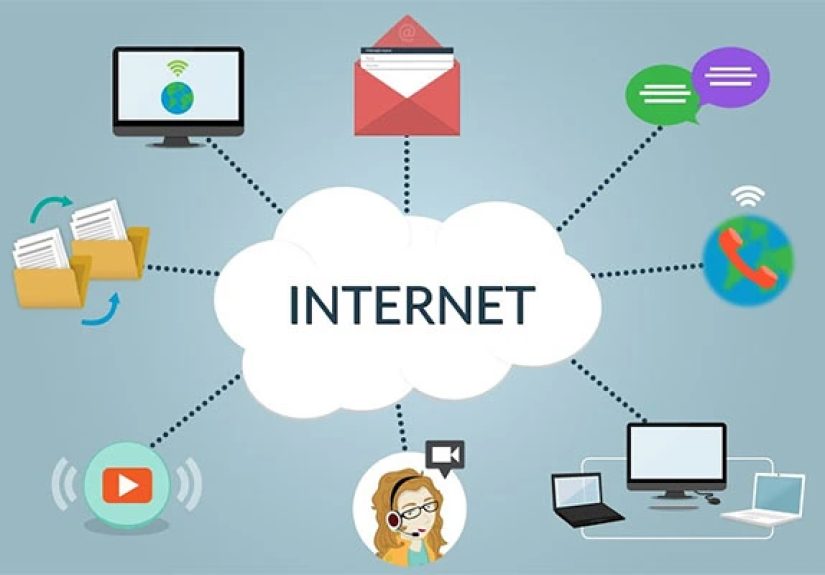
- That first home internet page loading at a speed that forced patience. The web was only just entering American life in the early ’90s, which made every successful connection feel brand new.
- The sense that technology was getting personal, but not yet invasive. Email, pagers, handheld games, and early web tools were changing life fast, yet they still felt novel enough to be exciting rather than exhausting.
- Fashion that kept cycling between playful and practical. The ’90s mixed basics, denim, flannel, and pop-star glam in a way that still inspires return visits today.
- The overall mood: shared, simple, and strangely comforting. The decade may have fragmented culture in the long run, but at the time it still felt like a place where many people were watching, listening, and discovering together.
What It Felt Like To Live Through Those Moments
The real magic of the ’90s was not any single object. It was the rhythm around them. You waited for the modem to connect. You waited for Saturday morning cartoons. You waited for your favorite song to come on the radio so you could tape it. You waited for the Blockbuster clerk to say the movie you wanted was finally back on the shelf. Waiting was not a bug in the system; it was part of the experience. That slower pace gave ordinary things more weight, which is why people still remember them so vividly now.
Another reason these memories endure is that they were shared in public. Friends argued over TV shows at school. Families watched the same sitcoms. Kids compared Game Boy batteries, traded Beanie Babies, and showed off pager numbers like they meant something. The decade had plenty of contradictions, but it also had rituals that made people feel plugged into the same cultural current. Even when life was ordinary, it felt a little communal.
There is also a reason the Instagram version of the decade works so well. Social media loves shorthand, and the ’90s are packed with shorthand: a rewind button, a neon logo, a mall food court tray, a chunky computer monitor, a cassette tape, a paper catalog, a cartoon block, a tiny pet on a screen. Each image instantly says more than a long explanation ever could. That is why these posts are more than cute throwbacks. They are compressed emotional memory.
For anyone who grew up during that decade, these memories usually come with sound. The buzz of a TV turning on. The whir of a tape rewinding. The click of a plastic game cartridge. The beeping of a pager. The chirp of a connection tone before the screen finally opened to the web. Sound is one reason nostalgia lands so hard: the brain stores these signals alongside the feelings they produced, so one glimpse of an old toy or a mall photo can bring back a whole afternoon in a second.
There is also something charmingly wholesome about how low-stakes many of these moments were. A good day could be as simple as finding the right cassette, winning a small game on a handheld console, or getting permission to stay at the mall a little longer. Kids still had big feelings, of course, but the world of the ’90s often let those feelings live inside small, tangible objects. That makes the decade feel warm in hindsight, even when the fashion choices were bold enough to start arguments at family dinner.
The “wild” part of the decade came from how quickly everything changed. The internet went from novelty to necessity. Pop culture moved from appointment viewing to fragmentation. Toys, music, and style all carried this sense that the future was arriving faster than expected. But the “wholesome” part came from the fact that many people were still meeting that future with curiosity instead of cynicism. That mix is what makes a nostalgia page about the ’90s feel so satisfying now: it reminds you of a time when the next thing was new, but not yet tiring.
And maybe that is the best part of revisiting the decade through an Instagram page. It is not really about declaring the ’90s better than now. It is about remembering how it felt to live inside a world where a mall trip could be an outing, a toy could become a craze, a TV block could feel sacred, and a single email tone could make your whole day. Those memories still work because they are specific, playful, and human. They are small enough to laugh at, and warm enough to keep.
Note: This piece is designed as a nostalgia-driven web article and keeps the focus on real cultural touchpoints from the ’90s.