Table of Contents >> Show >> Hide
- Why Vintage Photos Of Famous People Still Fascinate Us
- The Facebook Page Effect: How Old Hollywood Found A New Audience
- What The 30 Stunning Pics Reveal About Fame
- Specific Examples That Make The Collection Memorable
- Fashion, Hair, And The Glorious Drama Of Looking Famous
- Why Candid And Behind-The-Scenes Photos Feel More Personal
- The Nostalgia Factor: Remembering Eras We Never Lived Through
- How These Photos Help Keep Cultural Memory Alive
- Experience: What It Feels Like To Scroll Through These Famous Faces From The Past
- Conclusion
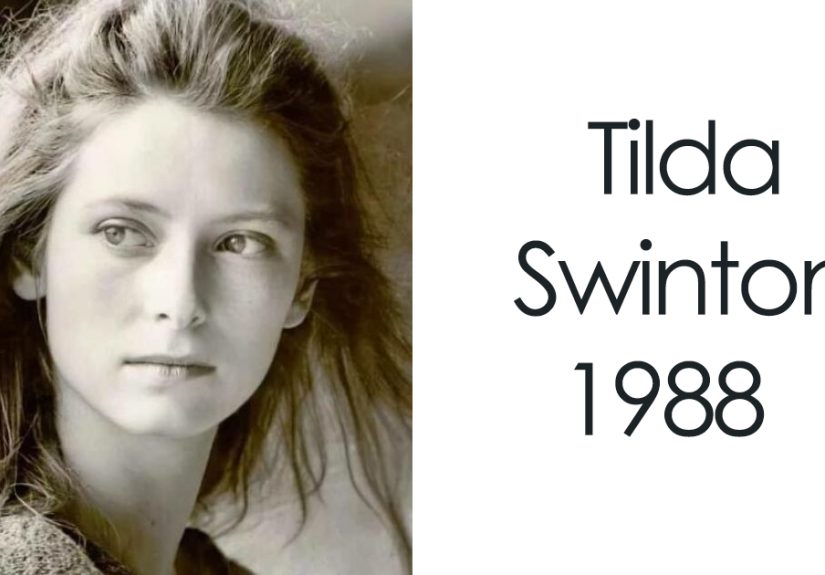
There is something oddly powerful about seeing a famous person before they became a permanent resident of pop culture history. A vintage photo can do what a polished documentary sometimes cannot: it catches a legend between poses, before the mythology fully hardened. One minute, you are looking at Tilda Swinton in 1988 with her already-otherworldly stare. The next, Goldie Hawn is glowing in the mid-1960s, Betty White is reminding everyone that television history had a favorite grandmother long before streaming existed, and Ella Fitzgerald looks so alive in a 1954 portrait that you can almost hear the room hush.
That is the charm behind “30 Stunning Pics Of Famous People From The Past, As Shared On This Facebook Page.” The collection, originally centered around the Facebook page “Things of the Past,” taps into a very modern obsession: rediscovering old celebrity photographs and treating them like tiny time machines. These are not just pretty pictures. They are cultural evidence, style documents, emotional souvenirs, and, occasionally, proof that some people were born with better lighting than the rest of us.
Vintage celebrity portraits give readers a rare chance to meet famous people as human beings rather than statues. They show Audrey Hepburn between takes, David Bowie beside Debbie Harry, Marlon Brando and Al Pacino on the set of The Godfather, and the cast of M*A*S*H celebrating like coworkers who just happen to be television royalty. The images are glamorous, yes, but their real magic is intimacy. They let the past lean over and say, “I was real, you know.”
Why Vintage Photos Of Famous People Still Fascinate Us
Old photos of famous people work because they collapse distance. Most of us know Marilyn Monroe as an icon, Audrey Hepburn as elegance in human form, and David Bowie as the patron saint of reinvention. But a vintage image can briefly remove the museum glass. Suddenly, a star is not just a brand, a poster, or a Halloween costume. They are a person caught in a specific year, wearing specific clothes, standing in a real room, living through a moment they could not know would become historically interesting.
This is why nostalgic celebrity photos perform so well online. They combine several irresistible ingredients: fame, mystery, fashion, beauty, memory, and the pleasure of saying, “Wait, is that really them?” A young Goldie Hawn before her full Hollywood explosion feels different from the Goldie Hawn we know from decades of comedies. Tilda Swinton in 1988 already looks like she has arrived from a stylish planet where everyone understands avant-garde cinema and nobody owns sweatpants.
There is also the simple fact that old photography has texture. Film grain, dramatic shadows, imperfect focus, and analog lighting create a mood that modern smartphone images rarely capture. Today, celebrities are photographed from every angle, every hour, often filtered until they resemble expensive candles. Older portraits feel scarcer. They ask us to slow down. They are not shouting for engagement; they are quietly waiting to be noticed.
The Facebook Page Effect: How Old Hollywood Found A New Audience
Pages like “Things of the Past” have become digital scrapbooks for people who love history but do not necessarily want to read a 600-page biography before breakfast. By sharing vintage celebrity portraits, behind-the-scenes film photos, rare publicity shots, and nostalgic entertainment moments, these pages make cultural history feel friendly and scrollable.
That matters. Not everyone discovers history through museums, archives, or academic books. Some discover it because a photo of Betty White from the 1950s appears in their feed while they are supposed to be answering emails. One click leads to another, and suddenly they are learning about early television, women in production, Golden Age Hollywood, jazz legends, silent film actresses, and the strange durability of a great hairstyle.
The appeal is especially strong because the photos are often mixed together without the strict categories of a textbook. A viewer may move from Ella Fitzgerald to Sophia Loren, from Debbie Harry and David Bowie to The Brady Bunch meeting the Jackson 5. That combination feels chaotic, but it mirrors how memory works. Culture does not live in neat folders. It lives in associations, surprises, and “Oh wow, I forgot about them” moments.
What The 30 Stunning Pics Reveal About Fame
The best vintage celebrity photographs do not just show us what stars looked like. They show us how fame used to be constructed. In the early and mid-20th century, a public image was carefully built through studio portraits, magazine spreads, publicity stills, and press events. Before Instagram Stories and red-carpet livestreams, a single photograph could shape how audiences imagined a performer for years.
Take Marilyn Monroe. Her image has been reproduced so often that it is easy to forget how deliberately photographed she was. A Monroe portrait is rarely just a picture of a woman; it is a study in lighting, vulnerability, humor, glamour, and performance. The camera helped create Marilyn, but it also trapped her in a role the world never stopped replaying.
Audrey Hepburn offers a different kind of visual language. In photos from the 1950s, especially around films like Sabrina, she represents lightness, grace, and modern elegance. She is stylish without seeming heavy-handed. Her appeal is not only beauty but restraint. Even when she is dressed for a film, she looks like someone who accidentally invented good taste while waiting for coffee.
Then there is David Bowie, whose entire career was a conversation with the camera. A photo of Bowie beside Debbie Harry is not merely a meeting of two musicians. It is a collision of New York cool, art-rock theater, punk glamour, and pop intelligence. Both understood that image could be sound’s mischievous twin. Their faces, clothes, hair, and posture all say something before a single note plays.
Specific Examples That Make The Collection Memorable
Tilda Swinton In 1988
A young Tilda Swinton does not look like a future movie star in the conventional sense. She looks like a future question mark, which is far more interesting. Her early image reflects the artistic boldness that would define her career: unconventional roles, fearless styling, and a screen presence that feels both icy and deeply human. The 1988 portrait stands out because it already contains the ingredients of her later legend.
Goldie Hawn In 1964
Goldie Hawn’s early photographs radiate the kind of charm that cannot be manufactured by a studio memo. Before becoming one of America’s most beloved comic actresses, she had the energy of someone who could walk into a room and improve the weather. Her 1960s look also captures a moment when television comedy, youth culture, and bright visual style were beginning to merge in new ways.
Betty White In The 1950s
Betty White’s vintage portraits are especially meaningful because they remind us that she was not merely a late-career national treasure. She was a television pioneer. In the 1950s, she was already acting, producing, hosting, and helping shape the medium when TV itself was still learning how to stand upright without bumping into the furniture. A 1954 Betty White image is not just sweet nostalgia; it is evidence of a woman building a career with uncommon stamina.
Ella Fitzgerald In 1954
A portrait of Ella Fitzgerald from 1954 carries musical weight even in silence. Fitzgerald’s voice was famous for clarity, swing, and astonishing control, and the still image seems to preserve some of that discipline. Viewers respond because the photo hints at sound. It becomes almost interactive: you look, and your memory supplies the music.
Marlon Brando And Al Pacino On The Set Of The Godfather
Behind-the-scenes photos from The Godfather remain fascinating because they reveal legends at work before the film became untouchable. Brando and Pacino are now associated with some of the most studied performances in American cinema, but a set photo restores the uncertainty of production. At that moment, they were actors making choices, not icons sealed in film history forever.
The Cast Of M*A*S*H Celebrating Together
A photo of Mike Farrell, Loretta Swit, Alan Alda, Harry Morgan, and David Ogden Stiers raising a toast captures why ensemble television matters. M*A*S*H balanced comedy, grief, satire, friendship, and wartime absurdity. Seeing the cast in a celebratory off-screen moment gives fans the pleasure of imagining that the bond they felt through the show had roots in real camaraderie.
Fashion, Hair, And The Glorious Drama Of Looking Famous
One reason vintage celebrity images are so addictive is fashion. These pictures preserve clothing and styling choices that might otherwise disappear into the fog of “old stuff.” Wide lapels, sculpted curls, sharp suits, satin gowns, soft studio lighting, dramatic eyeliner, and suspiciously perfect posture all become part of the story.
Fashion in these photos does more than decorate the subject. It places them in time. Raquel Welch’s look speaks to late-1960s and 1970s ideals of screen beauty. Sophia Loren’s portraits carry European glamour with a confidence that could probably stop traffic in three countries. Sean Connery and Michael Caine photographed together create a masterclass in masculine screen presence: one eyebrow lift away from sounding like a very expensive whiskey commercial.
Hair is practically a supporting character. Debbie Harry’s blonde punk style, Bowie’s evolving silhouettes, Goldie Hawn’s sunny 1960s look, and Audrey Hepburn’s polished elegance all show how celebrity hair becomes cultural shorthand. Sometimes a hairstyle survives longer in public memory than an entire movie plot. That may not be fair, but neither is perfect bone structure.
Why Candid And Behind-The-Scenes Photos Feel More Personal
Formal portraits are beautiful, but candid and behind-the-scenes photos often hit harder. They suggest access. A production still from The Deer Hunter, a moment with the Jackson 5 and The Brady Bunch, or a casual image of actors at a cast party gives viewers the feeling of being allowed into the hallway of history instead of only the grand ballroom.
These images are powerful because they reveal context. They show artists as collaborators, coworkers, friends, parents, mentors, and sometimes tired professionals standing around between takes. That ordinariness does not reduce their magic. It increases it. The more human they seem, the more impressive their public achievements become.
For modern audiences, this kind of image also feels refreshing because celebrity culture today is often aggressively managed. Even “candid” moments can look negotiated by six publicists and a ring light. Older behind-the-scenes photos feel less polished. They have rough edges, and those rough edges make them believable.
The Nostalgia Factor: Remembering Eras We Never Lived Through
Many people who love these photos were not alive when they were taken. That does not weaken the nostalgia; it makes it stranger and more interesting. We can feel nostalgic for eras we know mainly through movies, music, magazines, and family stories. A 1950s portrait of Ella Fitzgerald, a 1960s shot of Goldie Hawn, or a 1970s image of Jack Nicholson in Paris becomes a doorway into an imagined past.
Of course, nostalgia can be sneaky. It tends to polish away the difficult parts of history and leave only the good lighting. The past was not simpler for everyone, and celebrity images often hide as much as they reveal. Still, that does not make them useless. It means we should enjoy them with curiosity rather than blind worship. A beautiful old photo is a starting point, not the whole story.
The best way to view these images is with two reactions at once: wonder and questions. Wonder at the style, charisma, and artistry. Questions about who took the photo, why it was staged, what was happening around it, and what the image leaves outside the frame.
How These Photos Help Keep Cultural Memory Alive
Vintage photos of famous people are more than entertainment. They are a form of cultural memory. They help younger audiences recognize names that shaped music, film, television, comedy, fashion, and public life. A person might first click because Marilyn Monroe looks stunning, then stay to learn about studio-era Hollywood. They might admire Ella Fitzgerald’s portrait and later discover her recordings. They might see Betty White in the 1950s and realize her career was not long by accident; it was long because she kept adapting.
This is one of the underrated benefits of social media nostalgia pages. At their best, they make history approachable. They do not replace archives, museums, or biographies, but they can lead people toward them. A single photo can become the spark that sends someone searching for a film, album, interview, or memoir.
That spark matters because history competes with endless distractions. If an old celebrity portrait can make someone pause mid-scroll and ask, “Who was this person really?” then the image has done something valuable.
Experience: What It Feels Like To Scroll Through These Famous Faces From The Past
Scrolling through a collection like “30 Stunning Pics Of Famous People From The Past” feels a little like wandering into an attic that belongs to the entire internet. You are not looking for anything specific at first. You are just browsing. Then a face appears and stops you. Maybe it is Audrey Hepburn, impossibly composed. Maybe it is David Bowie looking like he has already seen the future and found it slightly underdressed. Maybe it is Betty White, young and bright, reminding you that every elderly legend was once a beginner with excellent timing.
The experience is emotional because it plays with recognition. Sometimes you know the person instantly. Sometimes you need the caption. Sometimes the caption surprises you so much that you lean closer to the screen, as if proximity will explain genetics, lighting, and the passage of time. That small shock is part of the fun. Famous people from the past often look different from the versions of them fixed in our minds. Younger, softer, sharper, stranger, more casual, more alive.
There is also a quiet intimacy in seeing icons outside their most famous roles. A film star on a set, a singer in a studio portrait, a comedian before their signature character, a cast celebrating off-camerathese moments feel like borrowed memories. You know they are not yours, but they still produce warmth. They remind you of watching old movies with family, hearing classic songs in the car, or recognizing a familiar face in a rerun long after midnight.
For writers, fans, and pop culture lovers, these photos offer creative fuel. They inspire questions that can become stories: What was happening the day this was taken? Who was behind the camera? Did the subject know this image would travel decades into the future? Did they like how they looked? Did they think the outfit was a good idea, or was everyone in the room too polite to mention the collar?
The experience is also humbling. Celebrity can make people seem permanent, but old photos remind us that fame is built from passing moments. The people in these images aged, changed, struggled, succeeded, failed, reinvented themselves, and left behind work that outlived the original circumstances. A photograph freezes them, but it cannot freeze the full life around them.
That may be why these collections are so satisfying. They let us appreciate beauty and glamour while also sensing time moving underneath. We get the sparkle and the melancholy together. We laugh at the fashion, admire the charisma, and feel a small ache because the moment is gone. Then we keep scrolling, because the next photo might be even better.
Conclusion
“30 Stunning Pics Of Famous People From The Past, As Shared On This Facebook Page” succeeds because it understands a simple truth: people love seeing legends before, behind, and beyond the legend. Vintage celebrity portraits connect entertainment history with human curiosity. They show us style, fame, performance, friendship, reinvention, and the strange magic of a camera pointed at exactly the right person at exactly the right time.
Whether the subject is Ella Fitzgerald, Betty White, Audrey Hepburn, Tilda Swinton, Goldie Hawn, Marilyn Monroe, David Bowie, Debbie Harry, Marlon Brando, Al Pacino, or another unforgettable face, each image works like a small invitation. Look closer. Remember differently. Ask what came before and what happened after. The past may be gone, but in these photos, it still knows how to pose.
Note: This article is written as original web content in standard American English and synthesizes publicly available historical, entertainment, museum, archive, and biographical information about vintage celebrity photography, film history, music history, and cultural memory.