Table of Contents >> Show >> Hide
- Before You Start: Safety First
- Way 1: Soak and Gently Scrub with a Pumice Stone or Foot File
- Way 2: Use Foot Soaks and Scrubs to Lift Dead Skin
- Way 3: Soften and Prevent Dead Skin with Moisturizers and Peels
- Habits That Keep Your Feet Soft Over Time
- Real-Life Style Experiences and Practical Tips
- Conclusion
If your heels look like they’ve been trekking across the Sahara (barefoot) and your socks catch on every rough patch, you are definitely not alone. Dead skin on the feet is extremely common, especially around the heels, toes, and ball of the foot. The good news? With a little consistency and the right tools, you can soften that thick, dry skin and help prevent it from coming back.
This guide walks you through three practical, dermatologist-informed ways to remove dead skin from feet at home. You’ll learn how to exfoliate safely, which products actually help, what to avoid, and when it’s time to call in a podiatrist. Think of it as a mini spa day for your feetwith less cucumber water and more real-world results.
Before You Start: Safety First
Before you grab a pumice stone and go to town on your heels, it’s important to know when home treatments are not a good idea. If you have diabetes, poor circulation, peripheral artery disease, or neuropathy, even small cuts on your feet can turn into big problems. In those cases, always talk with a doctor or podiatrist before trying any at-home dead skin removal.
You should also skip DIY foot treatments and seek medical care if you notice:
- Redness, warmth, or swelling around a callus or cracked heel
- Open sores, bleeding, or oozing
- Severe pain when you walk or touch the area
- Signs of infection like pus, streaking, or fever
Everything below is meant for generally healthy adults with mild to moderate dry skin, calluses, or rough heels. When in doubt, it’s always safest to ask a professional to take a look.
Way 1: Soak and Gently Scrub with a Pumice Stone or Foot File
One of the classic ways to remove dead skin from feet is simple: soak, soften, and gently file. It’s low-tech, inexpensive, andwhen done rightvery effective.
Step 1: Give Your Feet a Warm Soak
Start by filling a basin or bathtub with warm (not hot) water. Hot water strips natural oils and can actually make dryness worse. Add a mild, fragrance-free soap or a splash of gentle body wash to help loosen dirt and sweat.
Soak your feet for about 10–20 minutes. This helps soften the outer layer of dead skin so it’s easier to remove without aggressive scrubbing. You can toss in a handful of Epsom salt if you like the spa vibe, but plain warm water works just fine for most people.
Step 2: Use a Pumice Stone or Foot FileGently
Once the skin is soft and wrinkly (in a good way), it’s time to exfoliate:
- Wet the tool first. A damp pumice stone or foot file glides more easily and is less likely to scratch.
- Work in small circles or short strokes. Focus on areas with noticeable roughness: heels, the sides of the big toe, and the ball of the foot.
- Use light to moderate pressure. You’re not sanding a piece of furniture. If your hand gets tired quickly, you’re probably pressing too hard.
- Stop as soon as the area looks smoother. A thin layer of slightly thick skin is protective; you don’t want to remove all of it.
If your skin starts to burn, sting, or turn very red, take a break. Overdoing it can lead to micro-tears, bleeding, and even infection. A few gentle sessions over several days are much safer than one intense “I’m going to fix this all at once” attack.
Step 3: Rinse, Pat Dry, and Moisturize
After exfoliating, rinse your feet thoroughly to remove any leftover dead skin and product. Pat (don’t rub) them dry with a clean towel, especially between the toes.
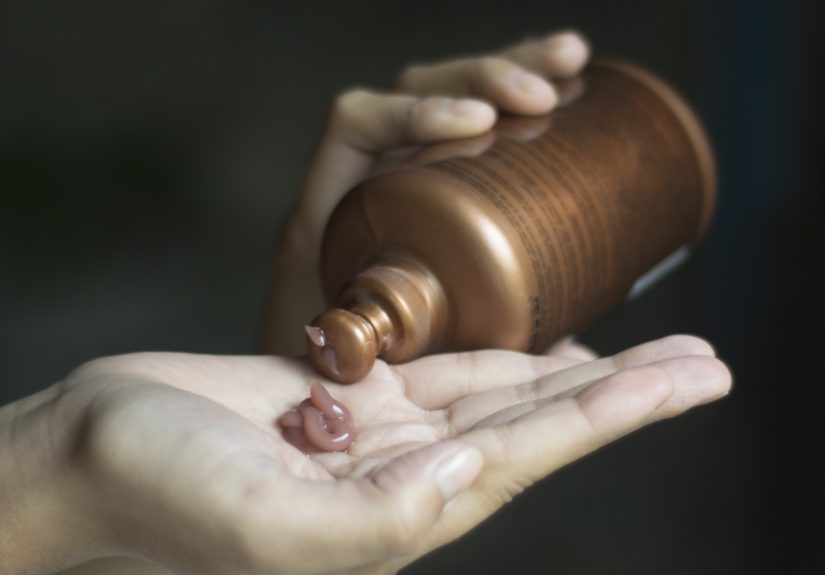
Then immediately apply a rich foot cream or thick moisturizer. Products that contain urea, lactic acid, or salicylic acid can help gradually soften stubborn thick skin and keep heels smoother over time. Finish with a pair of clean cotton socks to lock in moisture if you’re heading to bed.
How Often to Exfoliate
Most people do well exfoliating with a pumice stone or foot file one to three times per week, depending on how fast their skin thickens. If your feet feel sore after a session, give them a few days off. Consistency over time beats a once-a-month marathon scrub.
Way 2: Use Foot Soaks and Scrubs to Lift Dead Skin
If you like a more “spa-inspired” routine, you can use foot soaks and scrubs to help loosen and remove dead skin. The key is to keep things gentle and avoid harsh, trendy recipes that can irritate or damage your skin.
Option A: Simple Exfoliating Foot Scrubs
Foot scrubs pair a grainy texture (to physically lift dead skin) with oils or creams (to soften and hydrate). You can use a store-bought scrub or make a simple DIY version at home. For example:
- Sugar and oil scrub: Mix granulated sugar with a bit of olive oil, coconut oil, or another mild oil until it forms a thick paste.
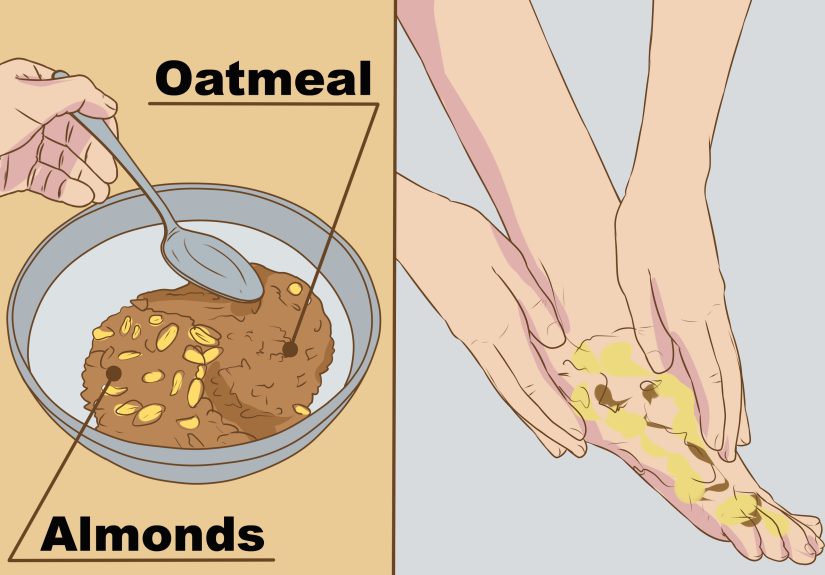
- Oatmeal scrub: Blend oats into a coarse powder and mix with yogurt or honey for a gentler scrub.
Massage the scrub over damp feet using small circles, paying attention to rough spots. Rinse thoroughly, pat dry, and follow with moisturizer.
Option B: Hydrating Foot Soaks
Foot soaks can also help soften dead skin so it comes off more easily when you gently rub with your hands, a washcloth, or a soft brush. Some ideas:
- Epsom salt soak: Dissolve a few tablespoons of Epsom salt in warm water. This may help with mild swelling and discomfort while softening the skin.
- Oatmeal soak: Put a handful of colloidal oatmeal (or finely blended oats in a cloth bag) into warm water for a soothing, skin-friendly soak.
You’ll find plenty of online recipes involving vinegar, mouthwash, or strong antiseptics. These can be too harsh for many people and may irritate small cracks or sensitive skin. When in doubt, keep it simple and gentle.
How to Use Soaks and Scrubs Safely
- Limit soaks to about 10–20 minutes to avoid over-drying your skin.
- Scrub no more than a few times a week, and avoid broken or irritated skin.
- Always moisturize afterward to lock in hydration.
- If your skin burns, stings, or peels excessively, stop using that product and switch to something milder.
Think of soaks and scrubs as supporting players: they help loosen dead skin, but they work best when paired with good daily moisturizing and well-fitting shoes.
Way 3: Soften and Prevent Dead Skin with Moisturizers and Peels
Sometimes the best way to “remove” dead skin is to prevent it from building up in the first place. That’s where smart moisturizing and, in some cases, chemical exfoliants (peels) come in.
Daily and Nightly Moisturizers
If your heels are constantly dry and flaky, a regular moisturizing routine is your new best friend. Look for foot creams or ointments that contain:
- Urea: Helps soften thick, hard skin and draws in moisture.
- Lactic acid or alpha hydroxy acids (AHAs): Gently dissolve the bonds between dead skin cells.
- Petroleum jelly or thick emollients: Create a protective barrier that helps keep moisture from escaping.
Apply a lighter lotion during the day and a thicker cream or ointment at night. For a “sleep mask” for your feet, slather on a generous layer before bed, then put on clean cotton socks. By morning, your feet often feel noticeably softer and smoother.
Using Foot Peels with Caution
Foot peelsthose booties soaked in exfoliating acids that make layers of dead skin shed over daysare popular online, but they’re not for everyone. Many use ingredients like glycolic, lactic, or salicylic acid to break down dead skin. While they can be effective, they can also cause irritation, burning, or unexpected peeling.
Keep these precautions in mind:
- Do not use foot peels if you have open cuts, cracked skin that bleeds, infections, or eczema on your feet.
- Avoid them if you have diabetes or poor circulation unless a doctor specifically approves.
- Follow the directions exactly and don’t leave them on longer than recommended, even if you’re “not feeling anything.”
- Moisturize regularly after the peeling phase startsdo not pick or peel off skin manually.
For many people, a combo of gentle mechanical exfoliation (like a pumice stone) and consistent moisturizing works just as well as foot peels, without the surprise molting phase.
Habits That Keep Your Feet Soft Over Time
Removing dead skin is only half the story. To keep calluses and cracked heels from making a dramatic comeback, build some healthy foot-care habits into your routine.
Choose the Right Shoes and Socks
Rubbing and pressure are huge triggers for calluses and thickened skin. Shoes that are too tight, too loose, or poorly cushioned can all create friction.
- Pick shoes with enough room for your toes to wiggle.
- Avoid wearing high heels or stiff shoes for long periods.
- Use cushioned insoles or pads if pressure points are unavoidable.
- Wear moisture-wicking socks to reduce sweat and friction.
Give Your Feet a Quick Daily Check
After your shower, take 30 seconds to look at the bottoms of your feet and heels. If you notice dry, dull, or white patches thickening, you can start gentle care right away before they turn into deep cracks or painful calluses.
Avoid Harsh Tools and Cutting
It can be tempting to use razor blades, callus shavers, or scissors to slice away thick skin. That’s a big no for at-home care. These tools can easily remove too much skin, cause injury, and invite infection. Leave cutting and debridement to a podiatrist or healthcare professional.
Real-Life Style Experiences and Practical Tips
To make this more than just a list of instructions, let’s talk about what the process actually feels like in everyday life. Many people discover that their feet don’t become baby-soft overnightand that’s okay. Your skin has been working hard, often for years, to protect you from pressure and friction. Asking it to transform in a single weekend is a bit unrealistic.
One common experience is the “vacation feet surprise.” You walk more than usual on a trip, wear sandals that aren’t broken in, and suddenly notice rough, thick pads forming under your toes. If you catch it early, a simple routinesoak, gentle pumice, and moisturizer every nightcan make a big difference by the end of the week. The key is doing a little bit consistently, not punishing your skin with aggressive filing all at once.
Another familiar story is the “winter heel saga.” When the air gets dry, so does your skin. Long, hot showers feel great but strip moisture, leaving heels cracked and chalky. People often find that switching to shorter, warm showers, using a gentle cleanser, and applying a thick cream or petroleum jelly right after bathing can turn things around in a few weeks. It’s less about fancy products and more about making small changes that protect your skin barrier every day.
Then there’s the “over-scrubber.” Maybe you finally commit to fixing your dry feet and go all in: daily scrubs, long soaks, and serious elbow grease with a foot file. At first, the skin seems smoother. But then it starts to feel tender, red, and even more sensitive than before. This happens because over-exfoliating strips away too much protective skin and can actually signal your body to build it back thicker. The lesson: when your feet start complaining, listen. Gentle, regular care beats aggressive scrubbing every time.
People who stick with a simple routine often report the best results. A few nights a week, they soak their feet while watching TV or scrolling their phone, use a pumice stone for a couple of minutes, and finish with a rich cream and socks. After two to four weeks, they usually notice their heels don’t snag on sheets as much, calluses feel flatter, and walking barefoot is more comfortable.
Another practical tip is to tie foot care to a habit you already have. For example, you might keep your foot cream next to your toothbrush so you remember to apply it after brushing your teeth at night. Or you might store your pumice stone in the shower where you’ll see it a few times a week. The less you have to “remember” a brand-new routine, the more likely you are to actually do it.
Finally, it’s worth viewing foot care as basic self-care, not a vanity project. Your feet carry you everywherework, the grocery store, your favorite walk in the park. Spending a few minutes a week helping them stay comfortable and healthy is a small investment with a big payoff. Soft, smooth heels are nice; happy, pain-free steps are even better.
Conclusion
Dead skin on your feet may be annoying, but it’s usually very manageable with the right approach. Start by soaking and gently exfoliating with a pumice stone or foot file, then support your efforts with soothing soaks, scrubs, and consistent moisturizing. Pay attention to how your feet respond, be patient with the process, and avoid harsh tools or extreme DIY “hacks.”
Most importantly, remember that your feet are not supposed to hurt. If calluses, cracks, or rough patches become painful, bleed, or just don’t improve despite your efforts, it’s time to let a medical professional take a look. With smart, steady care, you can trade scratchy, sandpaper heels for comfortable, confident stepsno spa membership required.