Table of Contents >> Show >> Hide
- Why Sand in the Eye Feels So Awful
- Before You Try Anything: What Not to Do
- Way #1: Let Your Tears and Blinking Do the First Round of Cleanup
- Way #2: Flush the Eye With Clean Water or Sterile Saline
- Way #3: Check Under the Eyelid and Know When to Stop DIY Efforts
- What If It Still Feels Like Sand Is in Your Eye?
- How to Prevent Sand in the Eye Next Time
- When Sand in the Eye Is an Emergency
- Final Thoughts
- Real-Life Experiences: What Sand in the Eye Actually Feels Like
Few things can ruin a beautiful beach day faster than getting sand in your eye. One second you are enjoying the ocean breeze like the star of a summer movie, and the next second your eye feels like it has been personally insulted by a tiny grain of the earth. The good news is that most cases of sand in the eye are minor and can be handled with calm, gentle eye first aid at home. The less-good news is that panic, rubbing, and random bathroom experiments are exactly how a tiny problem turns into a much crankier one.
If you are trying to figure out how to get sand out of your eyes safely, the main rule is simple: be gentle. Sand can irritate the surface of the eye, and if you rub too hard, you can scratch the cornea and create a bigger problem than the original beach invasion. Below are three safe, practical ways to remove sand from your eye, plus what to avoid, when to see a doctor, and how to keep this annoying little problem from coming back the next time the wind decides to get dramatic.
Why Sand in the Eye Feels So Awful
Your eyes are excellent at many things, including seeing sunsets, reading small print, and crying during commercials you swear did not get to you. What they are not excellent at is pretending a grain of sand belongs there. Even a tiny particle can irritate the clear front surface of the eye and the inner eyelid. That irritation can cause tearing, blinking, redness, discomfort, and the classic feeling that something is still in your eye even when you desperately want it gone.
Sometimes the sand sits loosely in the tear film and washes out quickly. Other times it gets trapped under the upper lid and scratches the eye with each blink. That is why the right response matters. A gentle, patient approach often works. A rough, rushed approach can turn eye irritation into a corneal abrasion, which is basically your eye saying, “Well, this escalated.”
Before You Try Anything: What Not to Do
Before we get into the three best ways to remove sand from your eye, let us talk about what not to do:
- Do not rub your eye. Yes, it is tempting. No, it is not helpful.
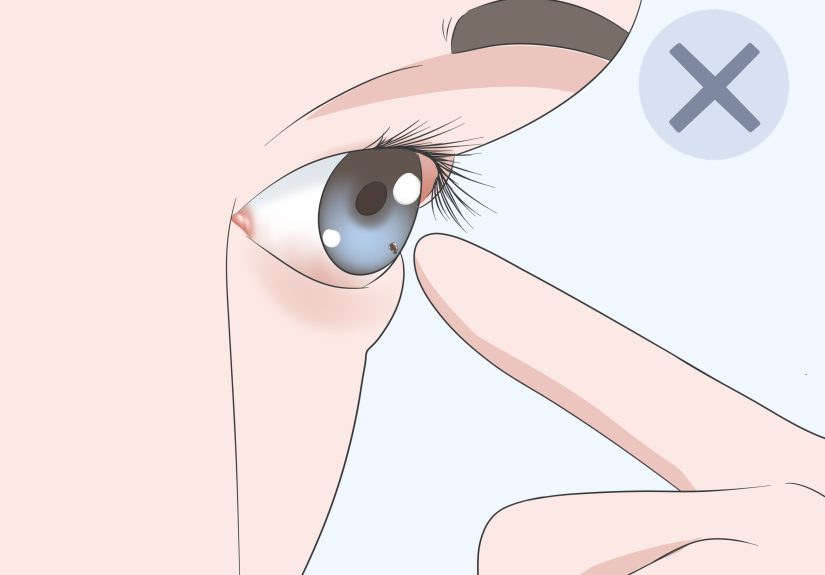
- Do not dig around with tweezers, fingernails, cotton swabs, or the corner of a towel.
- Do not keep wearing contact lenses if sand gets trapped in your eye.
- Do not try to remove anything that looks embedded in the eye.
- Do not ignore pain, blurry vision, light sensitivity, or redness that lingers.
Now that we have politely asked chaos to leave the room, here are the safest methods.
Way #1: Let Your Tears and Blinking Do the First Round of Cleanup
The first and easiest way to get sand out of your eyes is to let your own tears do their job. Your eyes already have a built-in rinse cycle, which is very convenient and much cheaper than any gadget marketed on social media.
How to do it
- Wash your hands before touching anywhere near your eye.
- Look in a mirror if possible and see whether the sand seems loosely stuck or if your eye is simply tearing.
- Blink several times slowly.
- Let your eyes water naturally.
- Try looking up, down, and side to side while blinking to help the tear film move the particle.
- If you can, gently pull your upper lid over your lower lashes once or twice. This may help shift the grain and encourage tears to flush it out.
This method works best for tiny particles that are floating on the surface of the eye rather than wedged under the lid. If the grain is small, your eye may remove it within a few minutes. If you feel relief and the gritty sensation fades, congratulations: your eye has handled the situation like a tiny overachiever.
When this method is enough
If the irritation improves quickly, your vision stays normal, and the redness starts to calm down, you may not need anything more than blinking and patience. Mild discomfort can linger briefly even after the particle is gone, but it should continue improving rather than getting worse.
Way #2: Flush the Eye With Clean Water or Sterile Saline
If blinking alone is not enough, flushing the eye is the next best move. This is the gold-standard home method for getting sand out of your eye safely. Clean, lukewarm water or sterile saline solution can wash away debris without forcing you to poke around like an amateur eye mechanic.
How to flush your eye safely
- Wash your hands thoroughly.
- Remove your contact lens first if you wear one. Sometimes the sand is trapped against the lens, and the lens itself can keep the irritation going.
- Use sterile saline eye wash if you have it. If not, use clean, lukewarm tap water.
- Lean over a sink, tilt your head so the affected eye is down and to the side, and gently hold the eyelids open.
- Let a gentle stream of water run across the eye, or pour water from a clean cup across the surface.
- You can also stand in the shower and let lukewarm water flow gently over your forehead into the eye while you keep the lid open.
- Blink during the rinse to help the sand move out.
Do not blast your eye with hard water pressure. This is an eye, not a driveway. Gentle irrigation is the goal. If you are helping someone else, have them sit in a well-lit area and rinse carefully while avoiding direct pressure on the eye.
How long should you rinse?
There is no prize for speed here. Rinse for several minutes. If the eye still feels gritty, keep going a little longer. Tiny grains can be surprisingly clingy. A careful saline rinse often works better than a dramatic but rushed splash-and-hope routine.
Helpful tip for beach days
If you are headed to the beach, pool, or volleyball court, throwing a small bottle of sterile saline in your bag is a smart move. It takes up less space than a snack and may save you from spending half the day blinking like a malfunctioning robot.
Way #3: Check Under the Eyelid and Know When to Stop DIY Efforts
If the gritty feeling will not quit after blinking and rinsing, the sand may be trapped under the eyelid. This is common, especially under the upper lid, where a tiny particle can scrape the eye with each blink and convince you it has rented the place. A gentle inspection can help, but this is where you need to stay calm and not get overly ambitious.
How to inspect the eye gently
- Wash your hands again.
- Stand in front of a mirror in good light.
- Pull the lower lid down and look up to see whether any visible particle is resting there.
- Lift the upper lid gently while looking down to see whether something is caught near the lashes or lid margin.
- If you spot a loose particle on the eyelid margin or lashes, a fresh rinse may wash it out.
What you should not do is start touching the colored part of the eye with cotton swabs, tissues, or tools. If the sand appears stuck on the eye itself, if you cannot see it clearly, or if you are unsure whether it is embedded, that is your cue to stop and get medical help.
Signs you may need an eye doctor
- The sensation does not improve after flushing.
- Your eye is very red or increasingly painful.
- You have blurry vision or trouble keeping the eye open.
- Bright light suddenly feels unbearable.
- You think the eye may be scratched.
- You see something embedded in the eye.
- You removed the sand, but discomfort lasts more than a day.
A persistent foreign body sensation can mean there is still sand in the eye, or it can mean the particle already left but scratched the cornea on the way out. Either way, continuing to poke at it is not the winning strategy. An ophthalmologist or urgent care clinician can examine the eye, stain the surface if needed, and treat a corneal abrasion properly.
What If It Still Feels Like Sand Is in Your Eye?
This is one of the most confusing parts. Sometimes the grain is gone, but your eye still feels scratchy. That can happen because the surface of the eye is irritated or lightly scratched. In mild cases, the feeling improves over the next day or two. In not-so-mild cases, you may need prescription treatment, especially if the eye becomes more painful, more red, or more sensitive to light.
If you wear contact lenses, skip them until your eye feels fully normal and a clinician says it is safe if symptoms were significant. Sliding a contact lens onto an already irritated eye is like putting skinny jeans on a sunburn. Technically possible, emotionally regrettable.
How to Prevent Sand in the Eye Next Time
Prevention is not glamorous, but it does let you enjoy the beach without performing emergency eye irrigation next to a snack cooler.
Smart prevention tips
- Wear sunglasses or protective eyewear on windy days.
- Use sports goggles for beach volleyball, biking, or dusty outdoor activities.
- Avoid facing directly into blowing sand when possible.
- Keep contact lenses clean and consider wearing glasses on especially windy days.
- Carry saline eye wash in your beach bag, car, or sports bag.
Protective eyewear is especially helpful for people who work outdoors, play sports, ride ATVs, garden, or spend time around dust, debris, or fast-moving particles. Your eyes are excellent, but they are not tiny vacuum cleaners.
When Sand in the Eye Is an Emergency
Most cases are minor. A few are not. Get urgent medical help right away if:
- Something is embedded in the eye.
- The injury happened at high speed, such as from grinding, drilling, or machinery.
- You have significant vision changes.
- The pain is severe.
- You have ongoing redness, tearing, or the feeling of something in the eye after 24 hours.
- You suspect a puncture injury.
Sand from the beach is annoying. A high-speed foreign body is a completely different story. When in doubt, let a professional take over.
Final Thoughts
If you need to get sand out of your eyes, the safest approach is also the least dramatic: do not rub, let tears and blinking try first, flush with clean water or sterile saline, and stop your DIY efforts if the discomfort keeps going. That combination solves most ordinary cases and lowers the risk of turning a tiny grain into a full-blown eye injury.
Think of it this way: your eye is not asking for heroics. It is asking for patience, gentle rinsing, and maybe a little respect. And possibly an apology for taking it to a windy beach in the first place.
Real-Life Experiences: What Sand in the Eye Actually Feels Like
One of the trickiest things about sand in the eye is that it can feel wildly dramatic even when the actual particle is tiny. A lot of people assume that if the grain is small, the problem should be small too. Your eye strongly disagrees. A single speck can feel like a whole teaspoon of beach has moved in and started redecorating.
Take the classic beach scenario. Someone is laying out a towel, a gust of wind picks the absolute worst possible moment, and suddenly one eye starts watering like it just watched the final scene of a sad movie. The natural reaction is usually to rub first and think later. That almost always makes things worse. People often say that the moment they stop rubbing and start blinking slowly, the discomfort becomes more manageable. Then, after a gentle rinse with water or saline, the eye settles down surprisingly fast.
Another common experience happens during beach sports. Volleyball players, runners, and kids chasing each other near the shoreline tend to get sand blown upward while they are already moving and sweating. In those moments, the eye may slam shut automatically, which feels alarming but is actually protective. The best move is to step out of the wind, wash your hands, and rinse calmly instead of trying to “fight through it.” That action-hero approach works better in movies than in ophthalmology.
Contact lens wearers often describe a different kind of misery. When sand gets between the lens and the eye, the irritation can feel sharper and more persistent. Many people say the discomfort does not improve until the contact lens comes out. That is why removing the lens before flushing is such an important step. Sometimes the lens itself is holding the particle in place like an unhelpful little sandwich.
Parents also run into this problem with children, especially after playground time, beach vacations, or windy afternoons outside. Kids may not say, “I think I have a superficial foreign body causing ocular irritation.” They usually say something more like, “My eye feels weird,” followed by dramatic blinking and increasingly suspicious tears. In those situations, a calm rinse and a no-rubbing rule make a huge difference. The adult staying relaxed is half the treatment.
Then there is the sneaky aftermath: the grain is gone, but the eye still feels scratchy. This can convince people that the sand is still there, when what they may really have is a mild corneal abrasion or lingering irritation. That is where patience matters. If the feeling steadily improves, great. If it sticks around, gets worse, or comes with blurry vision or light sensitivity, it is time for professional help. Real-life experience teaches the same lesson again and again: gentle first aid works for simple cases, but stubborn symptoms deserve an eye exam, not more guessing.