Table of Contents >> Show >> Hide
- First: Is It Actually Rust… or Just Rust’s Cousins?
- Why Rings “Rust” Faster Than You’d Expect
- 1) Keep It Dry (and Don’t Let Chemicals Ambush It)
- 2) Add a Barrier Layer (The “Invisible Raincoat” Method)
- 3) Store It Like You Actually Want It to Survive
- Quick Rescue: If Your Ring Already Has Rust or Spots
- FAQ: The Questions People Whisper to Their Rings
- Real-World Experiences: 3 “Ring Rescue” Stories (500+ Words)
- Final Thoughts
Your ring is supposed to sparkle. Not cosplay as a tiny piece of “vintage industrial hardware” that’s been left out in the rain.
If you’ve ever taken off a ring and found orange-brown spots, dull gray patches, or a mysterious green-ish “finger souvenir,”
you’re not alone. The good news: preventing ring rust (and the look-alikes that get called “rust”) is usually simple, cheap,
and takes less time than making coffee.
This guide breaks down what’s really happening when rings “rust,” why it’s more common with certain materials, and
three simple ways to stop rings from rustingwithout turning your bathroom into a chemistry lab.
We’ll keep it practical, a little funny, and very wearable.
First: Is It Actually Rust… or Just Rust’s Cousins?
“Rust” has a very specific meaning: it’s the orange-brown corrosion that forms when iron (or iron-based steel)
reacts with oxygen and moisture. Many fine ringsgold, platinum, sterling silverdon’t rust in the true sense.
But they can still discolor, tarnish, or corrode in ways that look rust-adjacent.
Quick “What Am I Looking At?” Cheat Sheet
- Orange-brown spots: likely true rust (iron/steel under plating, or low-grade metal).
- Black/dull gray film: often tarnish (common with sterling silver).
- Green stains: typically copper/brass reacting with sweat, water, lotions, or humidity.
- Flaky or bubbling finish: plating wearing off, exposing a reactive base metal.
Translation: your ring isn’t “bad,” but its material (or coating) may be having a dramatic reaction to everyday life:
handwashing, sweat, lotion, pool water, salty air, cleaning sprays, and the humidity of a bathroom that thinks it’s a rainforest.
Why Rings “Rust” Faster Than You’d Expect
Rings are worn in the roughest neighborhood of your body: your hands. They get dunked in water, rubbed against surfaces,
coated in soaps and skincare, and exposed to sweat (which contains salts that speed corrosion). Add chemicals like chlorine,
bleach, or harsh cleaners and you’ve got the perfect recipe for discoloration.
The biggest accelerators are:
- Moisture (especially if the ring stays wet for a long time).
- Salts (sweat, seawater, some soaps).
- Chemicals (pool/hot tub water, bleach, some cleaners, perfumes, bug spray, sunscreen).
- Friction (wearing down plating so the reactive base metal gets exposed).
- Storage (leaving jewelry in humid airhello, bathroom counter).
Now let’s fix it with three simple, repeatable habits.
1) Keep It Dry (and Don’t Let Chemicals Ambush It)
If you only do one thing: reduce wet time. Corrosion needs moisture. Cut the moisture, and you cut the drama.
This is the easiest way to stop rings from rustingespecially costume jewelry and plated rings.
The “Two-Minute Rule” After Water
Any time your ring gets wethandwashing, shower splash, dishes, raindo this:
- Rinse (optional): If it was pool/ocean/sweat-heavy, a quick fresh-water rinse helps.
- Dry thoroughly: Use a soft cloth. Don’t forget the underside and crevices.
- Air out: Give it a minute off your finger if moisture is trapped underneath.
When to Take Your Ring Off
You don’t have to baby your ring like it’s a rare museum artifact. But you should remove it for these high-risk situations:
- Swimming, hot tubs, and pools (chlorine and chemicals can discolor and weaken some metals).
- Cleaning (bleach and harsh cleaners are not jewelry’s friends).
- Applying lotions, sunscreen, bug spray, perfume (they can leave films and speed tarnish/corrosion).
- Gym time (sweat + friction is a corrosion combo meal).
- Showering (soap scum + trapped moisture = dull, cloudy, unhappy ring).
A practical hack: keep a small ring dish somewhere you’ll actually use itbathroom vanity, kitchen window ledge,
or near your gym bagso you’re not balancing your ring on the edge of a sink like you’re auditioning for a suspense movie.
Gentle Cleaning That Won’t Make Things Worse
Regular cleaning removes oils and grime that hold moisture against the metal.
For many rings, a safe default is warm water + mild dish soap + a soft brush, then rinse and dry completely.
If your ring has delicate stones, glued settings, or special finishes, go gentler and consider professional cleaning.
What to avoid for “rust prevention” purposes:
harsh chemicals, abrasive scrubs, and “internet science experiments” that can scratch plating or damage finishes.
If you’re not sure what your ring is made of, assume it’s sensitive and keep it mild.
2) Add a Barrier Layer (The “Invisible Raincoat” Method)
Moisture and oxygen can’t corrode what they can’t reach. That’s why barrier coatings work so well for:
costume jewelry, plated rings, and rings that turn fingers green.
Option A: Clear Nail Polish (Fast, Cheap, Surprisingly Effective)
Yes, really. Clear nail polish can act as a temporary seal that slows tarnish and corrosion.
It’s not permanent (it wears off), but it’s simple, accessible, and often good enough to extend the life of a reactive ring.
How to Do It Without Making a Mess
- Clean first: Remove oils and residue with mild soap and water. Dry fully.
- Paint only the contact areas: Focus on the inner band and underside (where sweat sits).
- Apply thin coats: One thin coat is better than one gloopy coat.
- Let it cure: Give it time to dry completely before wearing.
- Reapply as needed: If you feel rough spots or see discoloration starting, refresh the coating.
Important: if you’re dealing with a valuable ring or stones that could be sensitive, do a small patch test first,
or skip nail polish and ask a jeweler about safer protective options.
Option B: Jewelry Sealants (Made for This Exact Job)
If nail polish feels too “DIY,” there are clear jewelry coatings sold specifically to protect metal from tarnish/corrosion
and create a skin barrier. These can be especially helpful for people with metal sensitivity
or for frequently worn fashion rings.
The same rules apply: clean first, apply thinly, let it cure, and reapply when wear shows up.
Think of it like screen protector logicreplace it when it’s scratched, not when your ring has already suffered.
Option C: Upgrade the Surface (When the Ring Is Worth It)
If you love the ring and want a longer-term solution:
- Replating: Gold-plated or rhodium-plated rings can often be replated by a jeweler.
- Refinishing: Jewelers can polish and restore surfaces, then advise on care.
- Material choice: If you’re shopping, pick rust-resistant metals for daily wear (solid gold, platinum,
higher-quality stainless steel, titaniumdepending on the style and budget).
Simple idea: when your ring’s “skin” is strong (coating intact), it behaves. When the coating wears off, the base metal
reacts. Protect the skin, and you protect the ring.
3) Store It Like You Actually Want It to Survive
Rings don’t just corrode while you’re wearing them. Many rings “rust” or tarnish while sitting around,
especially in humid rooms. The fix is boringbut it works: dry, sealed, separated storage.
The Best Storage Setup (Simple and Low-Cost)
- Keep rings dry: Don’t store jewelry damp. Dry it first.
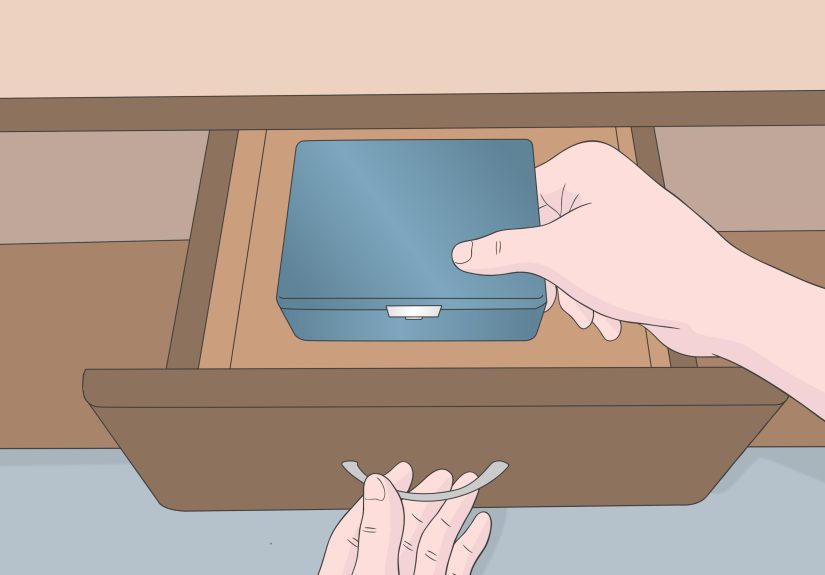
- Use a closed container: A jewelry box with a lid, a pouch, or a small case.
- Add a moisture absorber: Silica gel packets help keep the environment dry.
- Use anti-tarnish materials: Anti-tarnish strips or cloth can reduce tarnish for certain metals.
- Separate pieces: Rings rubbing together can scratch plating and speed wear.
Where Not to Store Rings
The bathroom is basically a steam room with a sink. If your rings live next to your shower,
humidity is quietly doing push-ups on your ring’s finish.
Better spots: a bedroom drawer, a closed jewelry box, or a travel caseanywhere dry and consistent.
Travel Tip: Avoid the “Wet Pouch Trap”
If you toss rings into a pouch after the beach, then zip it up while everything is still damp,
you’ve created a tiny corrosion greenhouse. Dry everything before packing. If you can’t, keep rings ventilated until you can.
Quick Rescue: If Your Ring Already Has Rust or Spots
If the ring is inexpensive costume jewelry, you can often improve it with gentle cleaning, thorough drying,
and a barrier coat. For fine jewelry (or anything sentimental), skip aggressive DIY methods and consider a jewelerespecially if:
- The finish is flaking or bubbling.
- Stones are loose or settings look worn.
- You suspect chemical damage (pool/hot tub/bleach exposure).
For light discoloration on many everyday rings:
clean gently with mild soap and warm water, rinse, dry completely, then store dry with moisture control.
If the discoloration returns quickly, your ring may be reacting from underneath (base metal exposed),
which is where replating or sealing helps.
FAQ: The Questions People Whisper to Their Rings
Can a gold ring rust?
Solid gold doesn’t rust like iron. But gold alloys can discolor or get damaged by harsh chemicals,
and plated gold can wear down, exposing a reactive base metal that can corrode.
Why does my ring turn my finger green?
Usually it’s a copper-based metal reacting with moisture, sweat, or products on your skin.
A barrier coating on the inner band can help a lot.
Do stainless steel rings rust?
Many stainless steel rings are highly corrosion-resistant, but lower-quality mixes, surface scratches,
and heavy exposure to saltwater/chemicals can still cause corrosion over time.
Keeping it clean and dry is still your best baseline.
What’s the simplest routine that actually works?
Take it off for pool/cleaning/lotion, dry it after water exposure, store it dry in a closed container,
and seal the inner band if it’s plated or reactive. That’s the whole game.
Real-World Experiences: 3 “Ring Rescue” Stories (500+ Words)
Let’s make this painfully relatable with a few real-world scenarios (composite examples based on common jewelry-care situations).
If any of these sound like you, congratsyou’re human, and your ring has been through things.
1) The “I Only Wore It in the Pool for a Minute” Summer
Someone buys a cute, affordable gold-tone ring and wears it everywhere. Then summer hits.
They do the classic “just one quick dip” in a chlorinated poolexcept it’s never one dip. It’s a season.
By August, the ring looks dull, a little blotchy, and somehow older than the person wearing it.
What happened? Repeated chemical exposure plus moisture probably wore down the coating.
The fix wasn’t fancy: they started taking the ring off before swimming, rinsed and dried it after accidental wear,
and stored it in a dry case instead of leaving it on a bathroom counter.
For extra protection, they sealed the inner band with a thin barrier coat. The ring didn’t become indestructible,
but it stopped “aging in dog years.”
2) The Gym Ring That Met Its Match: Sweat + Friction
Another person wears a stainless steel or plated ring to the gym because it feels “tough.”
And it isuntil it isn’t. Between gripping weights, wiping hands on a towel, and sweat sitting under the band,
the ring starts to show discoloration near the underside. Nothing dramatic, but enough to make them squint like:
“Is my ring… rusting?”
The adjustment was simple: the ring came off before workouts (or at least got wiped down right after),
and they started a tiny routinequick clean with mild soap once a week, thorough dry, then storage in a dry spot.
The biggest difference-maker was cutting down “wet time” trapped under the ring.
Once sweat stopped camping out under the band, the discoloration slowed way down.
3) The Bathroom Counter Betrayal
This one is a classic. Someone takes off their rings to wash their face and leaves them “just for a second”
on the bathroom counter. That second becomes days. The bathroom turns into a daily steam festival.
Suddenly, a ring that looked fine last month now has weird spots, dullness, or a faint tarnish haze.
The fix was almost comically easy: the ring moved to a closed jewelry box in a dry room,
plus a couple silica gel packets to keep humidity down. They also added a small ring dish near the sink
for temporary usethen made a rule: rings go from finger to dish to box, not finger to counter to “mystery humidity.”
If the ring was plated or costume jewelry, they added a protective barrier to the inner band.
If it was valuable, they had it professionally cleaned and checked once, then stuck to gentle care.
The moral: your ring doesn’t need a luxury spa. It needs a dry home and fewer chemical encounters.
Final Thoughts
Stopping rings from rusting is less about buying “perfect” jewelry and more about creating a small system:
keep it dry, add a barrier when needed, and store it smart.
Do those three things and most ringsespecially the ones prone to corrosionlast dramatically longer.
Your ring can still live a full life. It just doesn’t need to shower, swim, and clean the bathtub with you.