Table of Contents >> Show >> Hide
- Why Aloe Vera Often Refuses to Bloom
- 1. Give It More Light Than You Think It Needs
- 2. Water Less, Not More, and Let Winter Feel Like Winter
- 3. Keep the Roots Snug, the Soil Fast-Draining, and the Feeding Light
- Signs Your Aloe Vera May Bloom Soon
- Common Mistakes That Prevent Aloe Vera Flowers
- Conclusion
- Experience and Practical Lessons From Growing Aloe Vera for Blooms
- SEO Tags
If your aloe vera looks healthy, spiky, and smug but refuses to bloom, welcome to the club. Many gardeners keep aloe alive for years and never see a single flower stalk. It is a little like hosting a talented musician who refuses to perform unless the lighting is right, the room temperature is perfect, and the audience promises not to overwater anything.
The truth is this: you cannot truly force an aloe vera to flower on command. You can, however, create the conditions that make blooming much more likely. Aloe vera flowers when it is mature, healthy, and growing in an environment that feels close to its natural habitat. That means strong light, dry roots, seasonal rhythm, and just enough stress to make the plant think, “All right, this seems like a good time to show off.”
In this guide, you will learn three simple ways to encourage aloe vera blooms, plus the common mistakes that keep flower spikes from appearing. If your goal is to turn your quiet succulent into a dramatic, flower-producing overachiever, this is where to start.
Why Aloe Vera Often Refuses to Bloom
Before we get to the three methods, it helps to understand why aloe vera stays stubbornly flowerless. In many homes, the plant gets enough care to survive but not enough of the right care to bloom. Aloe vera usually needs several things working together:
- A mature age, usually several years old
- Very bright light for much of the year
- Fast-draining soil and a pot that does not stay wet
- A dry-rest pattern instead of constant watering
- Stable health without root rot, weak growth, or chronic low light
That last point matters more than people think. A plant can look “fine” and still be nowhere near blooming condition. A leggy aloe with pale leaves and damp soil is basically surviving on coffee and panic. It is not planning a floral finale.
1. Give It More Light Than You Think It Needs
If there is one factor that most often separates blooming aloe vera from non-blooming aloe vera, it is light. Mature aloes need strong light to build the energy required for flowering. Without enough light, the plant focuses on basic survival and leaf growth instead of producing a flower stalk.
What strong light really means
For indoor growers, “bright light” should not mean a dim corner across the room from a window. It should mean a spot right near a bright south- or west-facing window, or the brightest window available in your home. If your aloe is stretching, leaning, or looking washed out, it is asking for a better seat.
Outdoor time can also help tremendously. In warm weather, many gardeners move aloe vera outside to a brighter location. This often improves bloom chances because outdoor light is dramatically stronger than indoor light, even when a room seems sunny. The key is acclimation. Do not take an indoor aloe from a comfortable windowsill and throw it into all-day blazing sun like it has been training for the desert Olympics. Move it gradually over one to two weeks.
How to improve light without frying the plant
- Place aloe as close to your brightest window as possible.
- Rotate the pot every week or two so growth stays even.
- Move it outdoors gradually in late spring or summer if your climate allows.
- Use a grow light if your home does not provide enough natural light.
If you use a grow light, consistency matters. Aloe vera does not need nightclub lighting twenty-four hours a day, but it does appreciate a reliable bright period. A steady light routine can help the plant stay compact, healthy, and strong enough to bloom later.
Bottom line: if your aloe is not getting serious light, you are not forcing blooms. You are negotiating with a succulent that knows it has the upper hand.
2. Water Less, Not More, and Let Winter Feel Like Winter
Many aloe owners treat their plant like a thirsty fern. Aloe vera is not a thirsty fern. It is a succulent that stores water in its leaves and prefers a dry cycle between waterings. Overwatering is one of the fastest ways to prevent blooms because it weakens roots, encourages rot, and keeps the plant in a soft, overly lush state.
Create a dry-rest rhythm
During the active growing season, water deeply and then let the soil dry out completely before watering again. That means you do not add a polite splash every few days. You drench the soil thoroughly, let excess water drain out, and then leave the plant alone until the mix is dry again.
In fall and winter, reduce watering even more. Aloe vera often slows down when days are shorter and light levels drop. This lighter winter routine matters because seasonal change can help signal the plant to shift from leafy maintenance mode into a more natural growth cycle. Think of it as giving your aloe a proper off-season rather than an endless spa treatment.
How to tell whether your watering is helping or hurting
A happy aloe usually has firm leaves and steady growth. An overwatered aloe may develop mushy leaves, droopiness, or a sad, collapsed look. An underwatered aloe can wrinkle slightly, but that is often easier to fix than soggy roots. Succulents forgive drought faster than they forgive swamp conditions.
Ways to use watering to encourage blooms
- Water thoroughly, then allow the soil to dry completely.
- Reduce watering significantly in winter.
- Never let the pot sit in a saucer full of water.
- Do not water on a strict calendar if the soil is still damp.
Some growers also find that slightly cooler nights during the non-growing season help aloe behave more naturally. You do not need to make your house feel like a cave in the mountains. You just want to avoid keeping the plant constantly warm, constantly wet, and constantly coddled.
Bottom line: aloe vera blooms better when it experiences a realistic dry cycle. Too much water equals lots of leaves, possible root trouble, and zero flowers.
3. Keep the Roots Snug, the Soil Fast-Draining, and the Feeding Light
If your aloe lives in a giant pot of dense soil that stays moist forever, blooming is not the main issue. Survival is. Root conditions matter because healthy roots support everything above the soil line, including flower production.
Choose the right pot and mix
Aloe vera prefers a container with drainage holes and a gritty, fast-draining mix designed for cacti or succulents. Many gardeners like terra-cotta pots because they dry out faster than plastic. That can be especially helpful if you tend to water a little too enthusiastically.
Do not rush to give aloe a giant new pot “for room to grow.” Oversized containers hold excess moisture and can keep roots wet too long. In many cases, a slightly snug pot is better for overall plant health and may improve bloom potential because the root zone stays more balanced.
Repot only when necessary
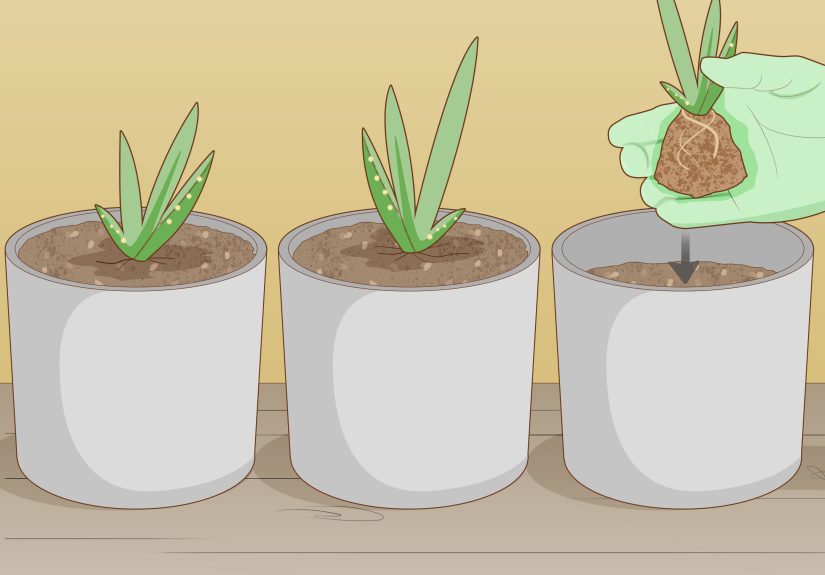
If roots are packed tightly, pushing the plant upward, or circling heavily inside the pot, it may be time to size up slightly. Slightly is the key word. Go only a little bigger, not dramatically larger. Repotting into a pot that is much too big often backfires.
Feed with restraint
Aloe vera is not a heavy feeder. Too much fertilizer, especially high-nitrogen fertilizer, can push soft leafy growth instead of bloom production. A light feeding during active growth can be useful, but do not turn your aloe into a protein shake experiment. Less is better.
If you want to nudge the plant toward flowering, use a diluted fertilizer sparingly during the brighter months and skip feeding in winter. The goal is to support a healthy mature plant, not create a giant floppy aloe with ambitions but no flowers.
Simple root-zone rules
- Use cactus or succulent potting mix.
- Make sure the container has drainage holes.
- Choose a pot only slightly larger when repotting.
- Fertilize lightly during active growth, not heavily year-round.
Bottom line: flower-friendly aloe care starts below the leaves. Healthy roots in dry, airy soil make blooming much more realistic.
Signs Your Aloe Vera May Bloom Soon
Once conditions improve, patience becomes part of the deal. Aloe vera does not send calendar invites before blooming, but it can give hints. Watch for:
- A mature rosette with strong, thick leaves
- Compact growth instead of stretching
- Consistent health through the growing season
- A central stalk beginning to rise from the middle of the plant
When that stalk appears, resist the urge to repot, move, overfeed, or otherwise celebrate too aggressively. This is not the moment for major changes. Let the plant do its thing.
Common Mistakes That Prevent Aloe Vera Flowers
- Keeping it in low light: the plant survives, but bloom energy never builds.
- Overwatering: soggy roots and weak growth are bloom killers.
- Using a pot that is too large: extra soil holds extra moisture.
- Feeding too much fertilizer: lush leaves can come at the expense of flowers.
- Expecting a young plant to bloom: immature aloe vera usually will not flower yet.
- Changing conditions too often: frequent moves can stress the plant without helping it bloom.
Conclusion
If you want to force bloom on aloe vera, the smartest strategy is not brute force. It is better timing, better light, better drainage, and less fussing. Give your plant stronger sun, a drier seasonal rhythm, and a root environment that stays healthy and lean. In other words, make life a little more like the aloe’s natural habitat and a little less like a well-meaning indoor overprotection program.
Will these three simple methods guarantee flowers? No. Aloe vera still needs maturity and a bit of patience. But they dramatically improve your odds. And when that flower spike finally rises from the center, it feels less like luck and more like a well-earned victory. Your aloe was not being dramatic after all. It just had standards.
Experience and Practical Lessons From Growing Aloe Vera for Blooms
One of the most useful lessons growers learn is that aloe vera often blooms only after a long stretch of boringly good care. That sounds almost rude, but it is true. People expect some secret trick, some magical ingredient, or one dramatic hack that makes flowers appear overnight. In practice, blooming usually happens after months of steady conditions. The plant gets strong light, the roots stay healthy, the watering stays restrained, and suddenly one season it decides to bloom. The biggest surprise is that success often looks uneventful until the flower stalk shows up.
Another common experience is realizing that indoor light is weaker than it seems. A room may feel bright to humans, but aloe vera has higher standards. Many gardeners report that their plant changed dramatically after being moved closer to a window or outdoors for summer. Leaves became thicker, growth became more compact, and the plant looked sturdier overall. Even before any flowers appeared, the aloe seemed more “awake.” That stronger, tighter growth is often the first sign that the plant is finally getting enough energy to do something extra.
Watering is also where people learn the hardest lessons. Aloe vera punishes kindness when that kindness comes in the form of frequent watering. Many beginners see dry soil and assume the plant is desperate. Then they water again, and again, and again, until the roots sit in a damp pot and the leaves begin to look soft or tired. Experienced growers usually become calmer with aloe over time. They stop watering on habit and start checking the soil first. That small change makes a huge difference. With aloe vera, restraint often works better than enthusiasm.
Pot choice can be a quiet game-changer too. Growers often talk about the difference between an aloe planted in a breathable terra-cotta pot with gritty mix and one stuck in a decorative container with heavy soil. The first plant tends to dry faster, stay sturdier, and develop more reliable roots. The second may look fine for a while but often struggles with excess moisture. It is not glamorous advice, but a practical setup beats a pretty problem every time.
Perhaps the most encouraging experience is this: even if your aloe vera has never bloomed before, that does not mean it never will. Plenty of gardeners spend years with a flowerless aloe and assume the moment has passed. Then they improve the light, reduce watering in winter, repot into a better mix, and the plant finally sends up a bloom stalk. The takeaway is simple. Aloe vera is not impossible. It is just specific. Once you learn its preferences, the plant becomes much easier to read, and blooming stops feeling mysterious.