Table of Contents >> Show >> Hide
- What Is Schisandra?
- Benefit #1: Schisandra May Help the Body Handle Stress Better
- Benefit #2: Schisandra May Support Liver Health
- Benefit #3: Schisandra May Help Calm Inflammation and Oxidative Stress
- How to Take Schisandra
- Possible Side Effects, Interactions, and Who Should Be Careful
- What Real-World Experiences With Schisandra Often Look Like
- Final Thoughts on Schisandra Health Benefits
- SEO Metadata
Schisandra may not be a household name in the United States yet, but this little red berry has been building a very big reputation. In traditional medicine, it has been used for centuries as a tonic for energy, resilience, and overall vitality. In modern wellness circles, it often gets labeled an adaptogenwhich is a fancy way of saying people hope it helps the body deal with stress without turning them into a jittery espresso bean.
So, does schisandra deserve the hype? Kind of. But with a healthy asterisk.
The research around schisandra health benefits is intriguing, especially in areas like stress response, liver support, and protection against oxidative stress. At the same time, this isn’t a magic berry, a miracle detox, or a substitute for actual medical care. Human studies exist, but they’re still fairly limited compared with the bold claims you’ll see on supplement bottles trying very hard to impress you.
In other words: schisandra is promising, not proven. That makes it interestingand worth discussing carefully.
What Is Schisandra?
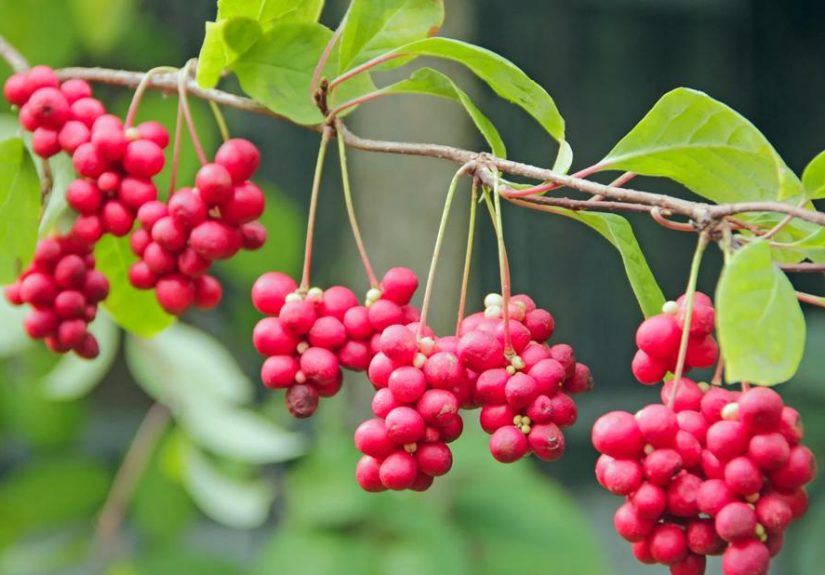
Schisandra chinensis is a fruit-bearing vine native to parts of Asia. The dried berries are commonly used in teas, powders, tinctures, and capsules. It’s sometimes called the “five-flavor fruit” because it has a surprisingly complicated taste profile: sweet, sour, salty, bitter, and pungent all at once. Yes, one berry somehow decided to become a whole tasting menu.
From a nutrition and phytochemical standpoint, schisandra contains plant compounds such as lignans, polyphenols, and other antioxidant-like constituents. These compounds are thought to explain many of the herb’s potential effects, especially those related to inflammation, cellular stress, and metabolism.
Today, schisandra is most often marketed as an herbal supplement for stress support, liver health, energy, and overall wellness. The trick is separating traditional use and modern marketing from what actual evidence suggests.
Benefit #1: Schisandra May Help the Body Handle Stress Better
The most talked-about schisandra benefit is its role as an adaptogen. Adaptogens are herbs and plant substances that may help the body respond more efficiently to physical and emotional stressors. That doesn’t mean schisandra erases your deadlines, fixes your inbox, or makes your group chat less chaotic. It means it may help support the body’s stress response in a more balanced way.
Why this matters
Chronic stress affects more than mood. It can influence sleep, concentration, energy, appetite, immune function, and even inflammation levels. That’s why herbs that may support resilience tend to get so much attention.
Some clinical and review data suggest schisandra may support mental performance, attention, and endurance in people experiencing fatigue or stress-related depletion. In short, it may help you feel a little more steady and a little less fried. That is not the same thing as being invincible, but it is a respectable goal.
What the evidence suggests
Research on adaptogens has linked schisandra to improved mental endurance and better performance under strain, especially when fatigue is part of the picture. Some studies have looked at schisandra alone, while others examined it in combination formulas with other adaptogenic herbs. That makes the data interesting, but also a little messy. When an herb shows up in a blend, it’s harder to give it all the credit without sounding like a supplement ad written by a poet.
Still, the broader picture is consistent enough to be useful: schisandra appears to have the most believable support in the area of stress resilience and mental stamina.
How people typically use it
People interested in this benefit often take schisandra as part of a morning tea, an adaptogenic powder blend, or a capsule. The appeal is usually not a dramatic “feel it in 10 minutes” effect. It’s more about whether daily stress feels a bit less draining over time.
That said, if you’re dealing with severe anxiety, burnout, panic symptoms, or insomnia, schisandra should not be your only plan. Herbs can play a supporting role, but they do not replace proper diagnosis, therapy, sleep habits, or evidence-based treatment.
Benefit #2: Schisandra May Support Liver Health
If schisandra had a résumé, “possible liver support” would definitely be near the top. Traditional use has long linked the berry to liver wellness, and modern research has explored whether its compounds may help protect liver cells from oxidative damage and fat buildup.
Why the liver angle gets attention
Your liver is busy. It helps process nutrients, break down substances, support metabolism, and manage a long list of chemical tasks you probably never thank it for. Because of that, researchers are very interested in compounds that may help protect liver tissue from inflammation and oxidative stress.
Schisandra’s lignans appear to be especially relevant here. These compounds have been studied for antioxidant and hepatoprotective activity, which is a science-y way of saying they may help defend liver cells under certain conditions.
What human studies show
Some human research has found improvements in liver-related markers such as ALT and AST, along with signs of improved antioxidant status. One randomized trial involving a schisandra-containing formulation also reported improvement in fatty liver findings. That’s encouraging, especially because real human data matter more than a thousand dramatic supplement labels featuring leaves and vague promises.
But let’s keep our feet on the ground: these studies are still limited, and schisandra is not an established treatment for liver disease. It should never be used as a DIY substitute for medical evaluation if you have abnormal liver tests, hepatitis, fatty liver disease, or symptoms such as jaundice, abdominal pain, nausea, or unusual fatigue.
What this benefit likely means in real life
For a generally healthy person, schisandra’s liver-support reputation probably fits best into the category of possible supportive wellness tool, not cure-all. Think of it as a “maybe helpful addition” to a bigger picture that includes balanced nutrition, moderate alcohol intake, movement, sleep, and follow-up care when needed.
In other words, adding schisandra while ignoring everything else is a bit like polishing your car while the check-engine light is on.
Benefit #3: Schisandra May Help Calm Inflammation and Oxidative Stress
The third major schisandra benefit is less flashy but arguably more important: it may help the body deal with oxidative stress and inflammation. These processes are involved in aging, recovery, metabolic health, and many chronic conditions.
What oxidative stress actually is
Oxidative stress happens when unstable moleculesoften called free radicalsoutnumber the body’s defenses. Over time, this can contribute to cell damage. Inflammation is part of the body’s normal defense system, but when it becomes persistent or poorly regulated, it can create problems of its own.
Schisandra berries contain antioxidant-rich compounds that may help the body respond to this kind of stress. That does not make schisandra the fountain of youth. It does mean the berry may have a reasonable place in conversations about cellular protection and long-term wellness.
Where this may show up
Researchers have looked at schisandra in relation to physical performance, muscle function, and recovery. Some human studies suggest it may support muscle strength or reduce fatigue-related markers in certain groups, including older adults and postmenopausal women. The likely explanation is not that schisandra suddenly transforms anyone into an action hero. It’s that antioxidant and anti-inflammatory activity may support how tissues respond to stress over time.
This broader effect may also help explain why schisandra gets mentioned in discussions of healthy aging, resilience, and whole-body wellness. When an herb appears to support how the body handles wear and tear, people tend to get excited. Sometimes too excited. But stillexcited for a reason.
The practical takeaway
If you’re interested in schisandra for general wellness, this may be the most sensible way to think about it: not as a miracle anti-aging shortcut, but as a plant compound source that may support the body’s defense systems against everyday stressors.
How to Take Schisandra
Schisandra is commonly sold in several forms:
- Capsules or tablets
- Powdered berry or extract
- Tinctures
- Tea blends
- Adaptogenic supplement formulas
There is no single universally accepted dose that works for everyone, partly because products vary so much. Some contain whole berry powder, others use concentrated extracts, and some are blended with other herbs. That means label reading matters. A lot.
Choose products from reputable brands that use third-party testing when possible. That won’t make a supplement perfect, but it improves the odds that what’s on the label is actually in the bottle, which is a remarkably reasonable standard to ask for.
Possible Side Effects, Interactions, and Who Should Be Careful
Just because schisandra is a plant does not mean it is automatically harmless. Herbal supplements can cause side effects and may interact with medications by affecting how the body processes them.
Schisandra may be a poor choice for people who are pregnant or breastfeeding, as safety data are not strong enough. It also deserves extra caution if you take prescription medications, especially drugs affected by liver enzyme pathways. This includes people using blood thinners, immunosuppressants, or other medicines where small changes in drug levels can matter.
If you have a liver condition, take transplant medication, manage a chronic illness, or use multiple supplements already, talk to a healthcare professional before trying schisandra. Mixing herbs and medications without guidance is not a wellness routine. It’s chemistry class with higher stakes.
What Real-World Experiences With Schisandra Often Look Like
One of the most useful ways to understand schisandra is to look at how people tend to experience it in everyday lifenot as a miracle cure, but as a supplement they fit into real routines. And real routines, unlike social media wellness montages, usually involve deadlines, laundry, weird sleep schedules, and drinking lukewarm coffee because life got busy.
A common first experience with schisandra is the taste. People trying the dried berry or tea for the first time often expect something fruity and friendly. What they get instead is a flavor profile that feels like several opinions happening at once. Some people love that earthy, tart, slightly bitter complexity. Others make the face of someone who has accidentally sipped salad dressing. That alone is why many users prefer capsules.
When people do stick with schisandra, the most commonly described experience is not a dramatic jolt of energy. It’s more subtle. They may report feeling a bit more even, a bit less wrung out, or slightly better able to get through stressful days without feeling completely flattened by them. That kind of effect can be easy to miss at first because it doesn’t arrive with fireworks. It tends to show up as, “Huh, I’m handling this week better than usual.”
Others take schisandra as part of a broader wellness plan for recovery, focus, or general resilience. For example, someone juggling work stress, poor sleep habits, and a growing dependence on afternoon caffeine might add schisandra tea to a morning routine alongside better sleep hygiene and regular meals. In that setting, the herb may feel helpfulbut it’s also part of a team effort. Schisandra works best in reality when people stop expecting one supplement to do the job of eight healthy habits.
There are also people who try schisandra for liver support or “detox” goals and expect a fast, obvious transformation. Usually, that’s where disappointment enters the chat. Schisandra is not something most people physically “feel” in a clear liver-specific way. If someone has meaningful liver concerns, they need lab work and medical guidance, not guesswork based on whether a berry tea made them feel virtuous.
Some users also discover the less glamorous side of supplements: side effects or interactions. A person taking several medications may learn that “natural” and “neutral” are not the same word. Others find that certain formulas upset their stomach, feel too stimulating, or simply don’t suit them. That’s not failure. It’s a reminder that herbal products affect people differently, and responsible use means paying attention.
Overall, the most realistic experience with schisandra is this: for some people, it becomes a useful supporting player in a larger health routine. For others, it’s an interesting herb they try once and never buy again. Both outcomes are normal. The smartest expectation is not “this will change my life,” but “this may offer modest support if it fits my body, my goals, and my healthcare plan.”
Final Thoughts on Schisandra Health Benefits
Schisandra is a fascinating herb with a long traditional history and a growing modern reputation. The three most credible schisandra health benefits are its potential to support the body’s stress response, promote liver health, and help defend against oxidative stress and inflammation.
That said, “promising” is not the same as “proven.” The research is encouraging, especially in specific areas like stress resilience, liver-related markers, and muscle strength, but the evidence is not strong enough to justify overblown claims. Schisandra is best viewed as a potentially useful supplementnot a medical treatment, not a detox miracle, and definitely not permission to ignore the basics of health.
If you’re curious about trying it, do it the sensible way: choose a quality product, keep expectations realistic, and check with a healthcare professional if you take medications or have an underlying condition. Tiny berry, big personality, moderate promises. Honestly, that’s a much more trustworthy package anyway.