Table of Contents >> Show >> Hide
- Why a Pollinator Garden Has to Function Like a Habitat
- Attraction #1: Food That Supports the Whole Life Cycle
- Attraction #2: Shelter and Nesting Sites That Invite Pollinators to Stay
- Attraction #3: Clean Water and a Low-Chemical Environment
- How to Build These Three Attractions Into One Cohesive Garden
- Real-World Experience: What It Actually Feels Like When a Pollinator Garden Starts Working
- Conclusion
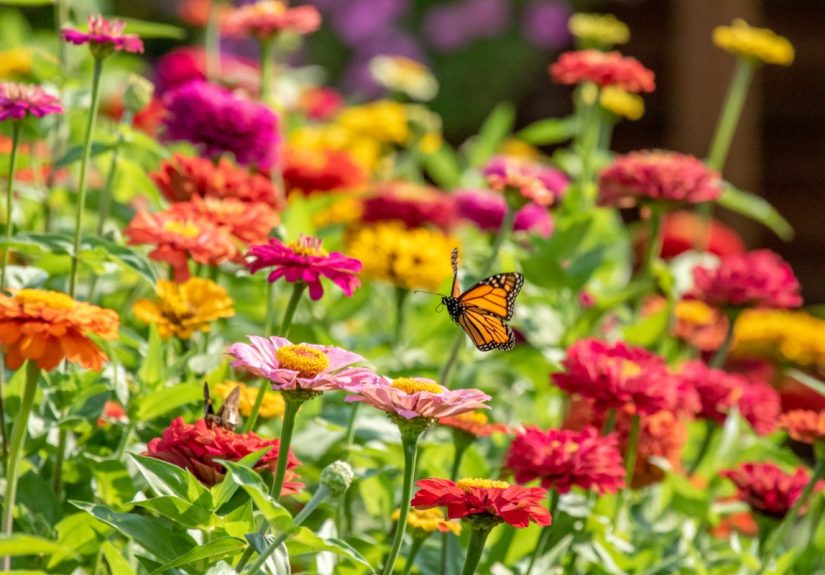
A successful pollinator garden is not just a flower bed that happens to be busy. It is a working habitat. That sounds serious, but do not worry, your backyard does not need to become a botanical research station with a clipboard and a lab coat. It simply needs to offer the things pollinators actually look for: reliable food, safe shelter, and clean water. Once those basics are in place, the magic starts. Bees show up first like they own the place. Butterflies drift in with theatrical timing. Hummingbirds make a cameo and act like you planned the whole thing just for them.
The best part is that a pollinator garden does not need to be huge or expensive. A small city yard, a suburban border, a corner near the mailbox, or even a few well-chosen containers can support pollinators when designed with purpose. The difference between a pretty planting and a truly useful pollinator garden comes down to what it offers over time. A few flashy blooms in June are nice. A season-long habitat that feeds adults, supports caterpillars, protects nesting bees, and gives insects a safe drink is much better.
Inspired by the Bob Vila angle on what makes these gardens succeed, this article breaks down the three most important attractions in every pollinator garden that actually works: food, shelter, and water. Along the way, we will cover why native plants matter so much, why “tidy” is sometimes the enemy of biodiversity, and how to build a garden that looks good without becoming a full-time job. In other words, this is the pollinator garden guide for people who want more butterflies and fewer gardening mistakes.
Why a Pollinator Garden Has to Function Like a Habitat
Many gardeners start with the obvious idea: plant flowers, attract pollinators. That is not wrong, but it is incomplete. Adult bees, butterflies, moths, beetles, flies, and hummingbirds need nectar and pollen, but many species also need specific host plants for egg-laying and larval development. A butterfly may sip from one flower and then search for an entirely different plant where her caterpillars can eat. Native bees may visit your blooms and then ignore the yard if every inch of ground is mulched like a hotel lobby. Pollinators are not looking for a bouquet. They are looking for a neighborhood.
That is why the best pollinator gardens feel layered and alive. They include perennials, shrubs, and sometimes small trees. They bloom in sequence from early spring to late fall. They leave a few rough edges. They are less about perfection and more about usefulness. Ironically, once you stop trying to make a pollinator garden look overly controlled, it often starts looking richer, fuller, and more beautiful anyway.
Attraction #1: Food That Supports the Whole Life Cycle
Nectar and Pollen Are the Main Event
If your garden does not provide food, pollinators may stop by, nod politely, and move on. The goal is to create a steady buffet, not a one-week brunch special. That means choosing plants with overlapping bloom periods so something is flowering from spring into fall. Early flowers help emerging queens and early native bees. Summer flowers keep the garden buzzing when activity peaks. Fall bloomers matter because many bees and butterflies still need fuel late in the season, and some species are preparing for overwintering or migration.
Plant choice matters, but so does plant arrangement. Pollinators find clumps of the same species more easily than single scattered plants. A drift of bee balm is easier to notice than one lonely stem looking brave near the driveway. Flower shape matters too. A diverse planting with open daisy-like blooms, tubular flowers, and clustered blossoms serves more pollinator species than a one-note planting ever could. Think of it as building a menu with appetizers, entrees, and dessert instead of serving everyone the same cracker.
Good food plants for many regions include coneflowers, bee balm, blazing star, mountain mint, asters, goldenrods, Joe-Pye weed, native salvias, and milkweeds. Flowering trees and shrubs also deserve more credit than they usually get. Serviceberry, native viburnums, blueberry, and other spring bloomers can feed pollinators at a time when many gardens are still waking up and pretending mulch is a design feature.
Larval Host Plants Turn a Garden Into Real Habitat
This is where many otherwise lovely gardens fall short. Adult butterflies may drink nectar from a range of flowers, but their caterpillars often need very specific host plants. No host plant, no caterpillars. No caterpillars, no next generation. That is why a garden that attracts butterflies for photos but does not support their life cycle is basically a snack bar, not a nursery.
Milkweed is the classic example because monarch caterpillars depend on it. Violets support fritillary butterflies. Turtlehead supports Baltimore checkerspots. Native grasses and sedges matter too, because many moths and butterflies use them as host plants. Trees and shrubs also do heavy ecological lifting. In many landscapes, native woody plants are among the most valuable larval host plants available. They feed far more insects than most gardeners realize, which then helps birds and the wider food web too.
In practical terms, a successful pollinator garden should include plants for both adult pollinators and their young. That means nectar plants plus host plants. Beauty plus biology. Color plus consequences. Once you start gardening this way, you stop asking only, “What is blooming?” and start asking, “Who can live here?” That question changes everything.
Native Plants Are the Foundation, Not a Trend
If there is one principle repeated again and again by experts, it is this: native plants are the backbone of a successful pollinator garden. Local pollinators and local native plants have developed side by side over long periods, which means bloom timing, flower structure, and ecological relationships often line up beautifully. Native plants are also generally better adapted to local soils, rainfall, and temperatures, which makes them easier to maintain once established.
That does not mean every non-native plant is useless. It does mean that a garden built mostly from regionally native species is far more likely to provide meaningful support. When possible, choose straight species or open-pollinated native plants instead of heavily modified cultivars, especially those bred for extra petals or unusual forms. Double flowers may look glamorous, but some are poor nectar and pollen sources. They are the floral equivalent of a fancy storefront with the lights off.
A simple rule works well: start local, add diversity, and favor natives for the biggest roles in the garden. Once that structure is in place, small additions become a supplement rather than the entire strategy.
Attraction #2: Shelter and Nesting Sites That Invite Pollinators to Stay
Pollinators Need More Than a Drive-Through
A successful pollinator garden is not just a feeding station. It is a place where insects can rest, hide, nest, and overwinter. This is the piece many tidy landscapes accidentally erase. If every fallen stem gets chopped, every leaf gets bagged, every log disappears, and every inch of soil is covered with thick mulch, you may have a neat yard but a lousy habitat.
Many native bees nest in the ground. That means they need small patches of bare, dry, undisturbed soil. Not the whole yard. Just some accessible space. Other bees nest in hollow stems, soft pithy plant material, or old beetle tunnels in dead wood. Leaf litter also matters because it offers insulation and shelter for overwintering insects. In short, the stuff gardeners often clean up in the name of order is exactly the stuff pollinators may need most.
What to Leave in Place
Leave some stems standing through winter and cut them back in late spring rather than the moment autumn looks vaguely untidy. Keep a few patches of bare ground unmulched. Let leaf litter remain in some beds, especially under shrubs or along edges. Add bunch grasses, which can provide cover for bumble bees. If you have room, a small brush pile or a chunk of decaying wood can do more ecological good than another ceramic frog ever will.
This does not mean turning your yard into chaos. A good pollinator garden can still look intentional. Frame wilder sections with edging, paths, or repeated plant groupings so the garden reads as designed rather than abandoned. The secret is to be strategic with your mess. Ecological mess inside visual order is one of the smartest design tricks in wildlife gardening.
Why Fall Cleanup Is Overrated
Gardeners are often told to clean everything up in fall like they are preparing for a royal inspection. Pollinators would strongly disagree if they held meetings. Stems, seed heads, grasses, and leaf litter can all shelter insects over winter. Delaying cleanup until late spring gives many beneficial insects a chance to emerge safely.
There is also a side benefit: winter structure can be beautiful. Frost on seed heads, grasses catching low light, birds visiting spent flowers for seeds, and dried stems adding texture all give the garden a second season of interest. So yes, leaving the garden standing is good for pollinators, but it is also good for anyone who wants a yard that does not look flat and lifeless from November to March.
Attraction #3: Clean Water and a Low-Chemical Environment
Water Matters More Than Most Gardeners Realize
Water is often the forgotten part of pollinator habitat. Nectar provides some moisture, but pollinators still benefit from access to clean water. The trick is to make water safe. Deep water with steep sides can be risky for small insects, so shallow dishes, birdbaths with stones, puddling areas, or water gardens with easy landing spots work better.
A simple saucer filled with fresh water and a few flat stones can do the job. The stones give insects a place to land without drowning. Keep the water clean and refill it regularly. A slimy mosquito nursery is not a pollinator feature. It is a neighborhood complaint waiting to happen. If you use a birdbath, make sure the water is shallow enough or includes rocks so small pollinators can drink safely.
The Best Pollinator Garden Is Also a Safer Garden
Even a gorgeous planting loses ecological value fast if it is treated with products that harm pollinators. Avoid routine pesticide and herbicide use whenever possible. Choose untreated plants from nurseries, especially if you are buying plants marketed for pollinators. Neonicotinoids and other insecticides can move through plant tissues, including pollen and nectar, which is about as helpful as putting a “Welcome” mat over a trap door.
That does not mean you must accept total garden chaos. It means using smarter management. Start with healthy soil, strong site-appropriate plants, hand removal of pests when practical, and integrated pest management methods before reaching for sprays. Also rethink the obsession with spotless lawns and sterile borders. A little tolerance goes a long way in a garden meant for living things.
How to Build These Three Attractions Into One Cohesive Garden
A Simple Recipe for Success
Start with a sunny site if possible, since many pollinator plants thrive in full sun. Choose a mix of native plants that bloom in early, mid, and late season. Plant in clumps rather than single specimens. Include at least one shrub or small tree if you have the room. Add a few larval host plants on purpose, not by accident. Leave patches of bare ground. Keep stems standing through winter. Add a shallow water source. Reduce chemical inputs. That is the core recipe.
For plant selection, think in layers. Use shrubs and small trees for structure and early bloom. Use medium-height perennials like coneflower, bee balm, mountain mint, and milkweed for the main show. Add late bloomers like asters and goldenrods so the buffet stays open. If you want a more meadow-like look, include native grasses for habitat and texture. If your space is tiny, do the same thing on a smaller scale instead of giving up and planting three petunias in a panic.
Common Mistakes to Avoid
The biggest mistakes are predictable. Planting only for summer bloom. Choosing flowers with showy double petals but little usable nectar. Over-mulching every inch of soil. Cleaning up too early. Skipping host plants. Depending on treated nursery stock. Making the entire yard a lawn and then wondering why the butterflies did not RSVP.
The good news is that pollinator gardens are forgiving. You do not need perfection on day one. Add a few more natives this year. Leave more stems next winter. Swap one patch of lawn for perennials. Replace a thirsty ornamental with a local native shrub. Every small improvement makes the garden more useful.
Real-World Experience: What It Actually Feels Like When a Pollinator Garden Starts Working
The first thing many gardeners notice is that a real pollinator garden feels different before it looks different. In the beginning, it may just seem like a promising patch of plants with a lot of hope attached to it. Then one warm morning, the sound changes. There is a low hum near the mountain mint. Something flickers over the milkweed. A bumble bee disappears into the bee balm like it paid rent there. That is when the garden stops being a project and starts becoming a place.
There is also a learning curve, and it is humbling in the best possible way. Many people discover that the “pretty” plants they once loved are not the ones doing the most work. A flashy annual might get admiring comments from neighbors, while a less glamorous native aster in the corner becomes the busiest restaurant in the yard. Goldenrod is another classic surprise. It is not always the plant people brag about in spring, but in late season it can be absolutely loaded with life. Suddenly the garden is not being judged only by color. It is being judged by traffic.
Another common experience is learning to let go a little. The first time you leave stems standing through winter, it can feel like cheating on everything the tidy-garden culture ever taught you. The first time you intentionally leave bare ground for nesting bees, you may worry it looks unfinished. Then spring comes, insects emerge, birds forage, and the whole idea of a perfectly cleaned-up landscape starts to seem a little ridiculous. You realize that what looked “messy” was often just habitat wearing work clothes.
Pollinator gardening also teaches patience. The first year is often about roots, not applause. Some native perennials spend their early energy establishing underground before they put on a real show. Gardeners used to instant color can find this mildly insulting. But by year two or three, the garden usually gains confidence. Clumps expand. Bloom times overlap more naturally. Wildlife use becomes more noticeable. The place starts to look less like a planting plan and more like an ecosystem with opinions.
There are funny moments too. You will probably become the kind of person who gets excited about seeing caterpillar damage on a host plant. You may find yourself defending dead sticks as premium insect real estate. You may begin sentences with, “Actually, that weed is useful,” which is a risky thing to say at neighborhood gatherings. At some point you will almost certainly stop mid-conversation to point out a swallowtail, a tiny metallic sweat bee, or a hummingbird hovering like it missed the exit.
Perhaps the most rewarding part is that success becomes visible in layers. First come the flower visitors. Then the signs of nesting and overwintering. Then more birds, because insects are there. Then the sense that the yard is not just decorated but alive. A successful pollinator garden is not valuable only because it helps bees and butterflies, though it certainly does. It is valuable because it changes the relationship between gardener and garden. You stop controlling every inch and start collaborating with living systems. And honestly, that is a lot more interesting than another rectangle of turf.
Conclusion
If you remember only one thing, make it this: the most successful pollinator gardens are built around habitat, not decoration. Food brings pollinators in, shelter convinces them to stay, and clean water helps complete the picture. Add native plants, host plants, bloom succession, and a lighter hand with cleanup and chemicals, and your garden becomes more than attractive. It becomes useful. That is the real secret behind every successful pollinator garden. It is not trying to impress pollinators with flowers alone. It is giving them a reason to call your yard home.