Table of Contents >> Show >> Hide
- Before You Hack: The “Be Cool” Travel Rulebook
- 25 Hotel Hacks That Make Travel Feel Like You Know What You’re Doing
- 1) Ask for the room you actually want (politely and specifically)
- 2) Use the hotel’s app for contactless check-in and digital keys (when available)
- 3) Screenshot your reservation confirmation and policies
- 4) Do a two-minute “room safety scan” before you unpack
- 5) Keep luggage off the bed until you do a fast bed-bug check
- 6) Use the luggage rack (or the bathtub trick) to reduce “mystery contact”
- 7) Wipe down high-touch surfaces in 60 seconds
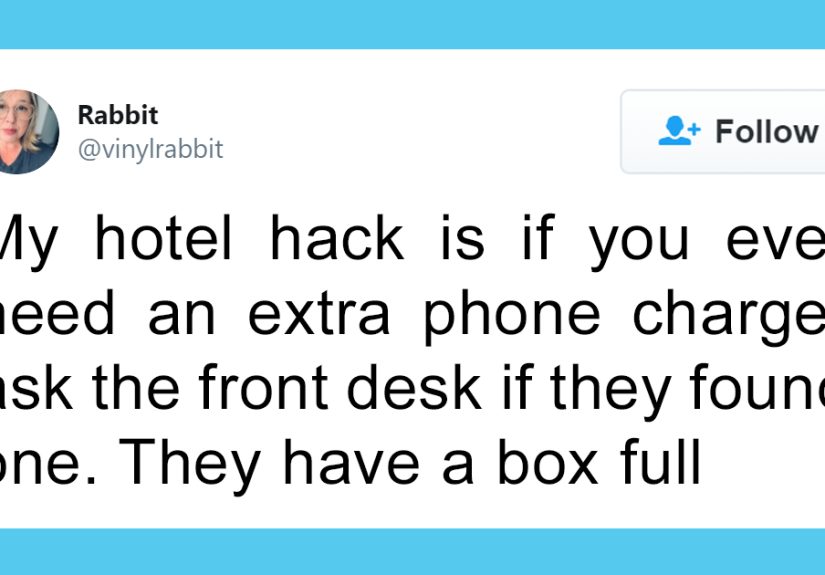
- 8) Pack a tiny power strip (or at least a multi-USB charger)
- 9) Use a binder clip (or clothespin) to defeat the “gap in the curtains” problem
- 10) Make the room darker and quieter with the towel roll trick
- 11) Add a simple extra layer of door security
- 12) Keep your room key within reach at night
- 13) Learn the exits like you’re in a heist movie (minus the heist)
- 14) Don’t do sensitive logins on public hotel Wi-Fi
- 15) Watch for booking scams and copycat hotel sites
- 16) Check total price earlyfees love to hide
- 17) Use the fridge strategically (and ask if it’s minibar-controlled)
- 18) Turn the ironing board into a bonus table
- 19) Use hangers and the closet to organize cables and accessories
- 20) Create a “leaving checklist” spot on day one
- 21) Request housekeeping on your schedule (or opt out intentionally)
- 22) Use towel and linen reuse programs thoughtfully
- 23) Use loyalty programs for easy wins (even at the free tier)
- 24) Stack perks when it makes sense (credit card programs and partner benefits)
- 25) If something is wrong, report it early (and calmly)
- Build a Tiny “Hotel Hack Kit” (No Overpacking Required)
- When to Skip the Hack and Just Ask the Front Desk
- Experiences From the Road: How These Hotel Hacks Actually Save the Day (Extra )
Hotels are weird little universes. You walk into a room that looks like every other room you’ve ever stayed inyet somehow the outlets are in the least convenient
place possible, the nightstand is just far enough away to make charging your phone feel like an Olympic sport, and the thermostat appears to be controlled by a
mischievous ghost named “Energy Saving Mode.”
That’s why “hotel hacks” have become the unofficial folk wisdom of travel: small, clever moves that make a stay smoother, safer, and honestly a little more fun.
Inspired by Bored Panda’s crowdsourced vibe, this guide gathers 25 practical hotel room tips that real travelers swear bythen adds context so you can use them
without annoying housekeeping, breaking hotel rules, or accidentally starting a feud with a motion-sensor minibar.
These travel hacks aren’t about being sneaky. They’re about being smart: saving time at check-in, protecting your stuff, sleeping better, and keeping “unexpected
fees” from showing up like an uninvited guest.
Before You Hack: The “Be Cool” Travel Rulebook
The best hotel hacks follow three principles:
- Don’t damage the room. If it would leave a mark, a stain, or a maintenance ticket, it’s not a hackit’s a bad decision with consequences.
- Don’t break policies. You can ask for perks. You can’t “lifehack” your way into violating occupancy rules or safety regulations.
- Make life easier for staff. The kindness boomerang is real. Be respectful and you’ll be shocked how often the universe upgrades you.
25 Hotel Hacks That Make Travel Feel Like You Know What You’re Doing
1) Ask for the room you actually want (politely and specifically)
“Any room is fine” is how you end up next to the elevator with a view of the HVAC unit. A better approach: request what mattershigher floor, away from elevators,
quiet side, or near the pool if you’re traveling with kids and your goal is “maximum splash, minimum walking.” The trick is being specific and flexible:
“If possible, could I be on a higher floor away from the elevator?” is magical phrasing.
2) Use the hotel’s app for contactless check-in and digital keys (when available)
Many major brands push mobile check-in and phone-based room access. When it works, it’s glorious: fewer front-desk lines, fewer lost keycards, and the smug joy
of walking straight to your room like you own the place (you don’t, but let your confidence live). Keep a backup plan, thoughsome properties still require an ID
check or app activation at the desk.
3) Screenshot your reservation confirmation and policies
Travel Wi-Fi can be spotty, and third-party booking sites can be… let’s call them “creative” with details. Save screenshots of your confirmation number, room type,
cancellation window, included breakfast, and any promised perks. If there’s confusion at check-in, you’ll be calm, prepared, and annoyingly correct.
4) Do a two-minute “room safety scan” before you unpack
Think of it like landing a plane: you don’t fling your suitcase open mid-runway. Do a quick scancheck that door locks work, windows latch, and the room feels
normal. If something’s off (broken lock, weird noise, suspicious devices), ask to switch rooms earlybefore you’ve built a sock civilization in the dresser.
5) Keep luggage off the bed until you do a fast bed-bug check
It’s not paranoid. It’s practical. Place your bag on the luggage rack or a hard surface while you inspect the bed area quicklyespecially mattress seams and the
headboard zone. If you notice signs you don’t like, you can request a new room immediately without wondering whether your suitcase is now a tiny rental property.
6) Use the luggage rack (or the bathtub trick) to reduce “mystery contact”
Veteran travelers love the luggage rack because it keeps your bag off carpet and upholstery. In a pinch, the bathtub (dry, obviously) is a hard-surface staging
area that’s easier to inspect and less likely to hide surprises. It’s not glamorous, but neither is discovering your suitcase has picked up unwanted souvenirs.
7) Wipe down high-touch surfaces in 60 seconds
Hotels clean, but “high-touch surfaces” get… highly touched. A quick wipe of the remote, door handles, light switches, and faucet handles can help you feel more
comfortable. If you travel with disinfecting wipes, this is the moment they become the hero of your toiletry kit. Bonus: you’ll feel instantly more settled.
8) Pack a tiny power strip (or at least a multi-USB charger)
Hotel outlet placement is a mystery even science can’t solve. A compact power strip or multi-port USB charger turns one awkward outlet behind a lamp into a
functional charging station for phones, watches, tablets, and the emotional support earbuds that keep your sanity intact.
9) Use a binder clip (or clothespin) to defeat the “gap in the curtains” problem
Every traveler has met That Curtain: it closes like it’s trying, but leaves a bright laser seam of streetlight aimed directly at your face. A simple binder clip or
clothespin can pinch curtains together. It’s the cheapest blackout upgrade you’ll ever own.
10) Make the room darker and quieter with the towel roll trick
If light leaks under the door or hallway noise makes the room feel like a subway platform, roll a towel and place it along the bottom door gap. This can reduce
light and muffle sound. It’s not soundproofing, but it’s an improvementlike turning down the volume on chaos.
11) Add a simple extra layer of door security
Use the deadbolt and latch every time. If you want extra peace of mind, some travelers bring a rubber door wedge or a portable door-lock device designed for
travel. The goal isn’t to turn your hotel room into a fortress; it’s to sleep without imagining every hallway footstep is a plot twist.
12) Keep your room key within reach at night
Here’s a hack that’s less “clever” and more “smart adulting”: keep your key (or phone, if it’s your key) by the bed. In an emergency evacuation, you may need it.
It’s the simplest safety tip that most people ignore until they’re fumbling around at 2 a.m. like a raccoon looking for snacks.
13) Learn the exits like you’re in a heist movie (minus the heist)
When you enter the room, glance at the evacuation map and identify the nearest stairwell. Some safety guidance suggests counting doors to the exit so you can find
your way even in low visibility. It takes 15 seconds and costs nothingunlike a panic-fueled wrong turn into a dead-end hallway.
14) Don’t do sensitive logins on public hotel Wi-Fi
Public Wi-Fi is convenient, not sacred. If you can avoid banking, sensitive work, or shopping on open networks, do it. Use your phone hotspot when possible, or
at least stick to trusted, encrypted websites and disable auto-connect. Convenience is great, but so is not spending your vacation resetting passwords.
15) Watch for booking scams and copycat hotel sites
If you’re booking on the fly, slow down enough to confirm you’re on a legitimate site (or book directly with the hotel). Scam listings and look-alike websites are
a real problem in travel. A quick search for reviews and complaints can save you from paying for a room that exists only in the imagination of a scammer.
16) Check total price earlyfees love to hide
Resort fees, destination fees, facility fees… these little add-ons can turn a “great deal” into a “why is my credit card sweating” moment. Always compare the
total price across booking options. If something seems confusing, call the property and ask what mandatory fees will be charged.
17) Use the fridge strategically (and ask if it’s minibar-controlled)
Not every in-room fridge is a friendly fridge. Some are minibars with sensors that charge you if you so much as breathe near a tiny bottle of water. If you’re not
sure, ask. If it’s safe, use it to chill snacks, keep medicine temperature-stable, or store breakfast leftovers for an easy morning.
18) Turn the ironing board into a bonus table
Need a standing desk? A travel snack bar? A place to lay out tomorrow’s outfit like you’re planning a runway show? The ironing board adjusts height and folds away.
It’s basically the Swiss Army knife of hotel furniture.
19) Use hangers and the closet to organize cables and accessories
Those clip hangers meant for pants can become cable managers, headphone holders, or a way to keep a small bag visible so you don’t leave it behind. The goal is a
“launchpad” system: keys, wallet, charger, and room key always live in the same spot.
20) Create a “leaving checklist” spot on day one
Pick one placedesk corner, nightstand, or a trayand designate it as the home base for essentials. It reduces the odds of leaving a phone charger in the outlet
behind the bed, where it will live forever as a donation to the next traveler.
21) Request housekeeping on your schedule (or opt out intentionally)
Many hotels now offer flexible housekeepingdaily, on request, or limited unless you ask. If you want fresh towels or a quick tidy, request it early in the day.
If you prefer privacy, use the “Do Not Disturb” sign appropriately and communicate your needs (like trash pickup) so staff isn’t forced to guess.
22) Use towel and linen reuse programs thoughtfully
Reusing towels can reduce water and energy use, and many hotels offer clear instructions. If you want fresh towels daily, askjust be direct. If you’re fine reusing,
hang towels neatly. It’s a small habit that can reduce waste without sacrificing comfort.
23) Use loyalty programs for easy wins (even at the free tier)
Hotel loyalty programs aren’t only for road warriors who basically live in lobbies. Even basic membership can unlock perks like member rates, Wi-Fi, or easier
check-in. Higher tiers can bring late checkout or upgrades, but the simplest win is consistency: pick a couple of brands and build points over time.
24) Stack perks when it makes sense (credit card programs and partner benefits)
Some travel credit cards and booking programs bundle benefits that feel like “elite-lite”: breakfast, late checkout, property credits, and room upgrades when
available. If you already have access through a card perk, it can be a legitimate way to make a stay feel more luxuriouswithout paying “suite money.”
25) If something is wrong, report it early (and calmly)
The best hotel hack might be the least dramatic: tell the front desk quickly if there’s an issueno hot water, a loud neighbor, a broken AC, or a room that’s not
what you booked. Most hotels would rather fix it immediately than read about it later in a review that begins with “So, here’s what happened…”
Build a Tiny “Hotel Hack Kit” (No Overpacking Required)
You don’t need a suitcase full of gadgets. A few small items cover most hotel room problems:
- Binder clips or clothespins (curtains, snack bags, organization)
- Disinfecting wipes (quick high-touch wipe-down)
- Multi-port charger or compact power strip
- Door wedge (optional extra security and peace of mind)
- Sleep kit: earplugs + eye mask (the unbeatable combo)
- Small zip bags (chargers, toiletries, “where did my earrings go?” emergencies)
When to Skip the Hack and Just Ask the Front Desk
Some issues are better solved with a 20-second conversation than a 20-minute DIY mission:
- Temperature problems: Ask for help rather than trying to outsmart the thermostat.
- Noise: Request a quieter room or white-noise options if available.
- Fees and policies: Ask what’s mandatory, what’s optional, and what you can decline.
- Accessibility needs: Confirm shower type, bed height, and room layout early.
Experiences From the Road: How These Hotel Hacks Actually Save the Day (Extra )
Picture this: you arrive late after a flight delay that turned your “quick hop” into an unintended airport residency. You finally get to your room, and your brain is
already in sleep modeuntil you notice the curtains don’t quite close. There’s a neon sign outside doing its best impression of a lighthouse beam aimed directly at
your pillow. Past-you packed binder clips. Present-you feels like a genius. Two clips later, the room is actually dark, and you fall asleep before your phone can
remind you that you forgot to eat dinner.
Or imagine a different kind of trip: a work conference where every second matters. You’re juggling laptop, badge, and coffee, and the last thing you want is a long
front-desk line full of people negotiating early check-in like it’s a high-stakes hostage situation. You open the hotel app, complete mobile check-in, and head
upstairs the moment your room is ready. Even if you still have to swing by the desk for an ID check, you’ve cut the friction. The real “hack” isn’t skipping humans;
it’s reducing the number of steps between you and a shower.
Then there are the small safety moments that don’t feel dramaticuntil they do. A traveler gets to a room, does the quick “locks and latches” scan, and finds the
deadbolt doesn’t catch properly. It’s probably a simple maintenance issue. But instead of trying to “make it work,” they call down and get moved to a different room.
The rest of the trip is calm, and that’s the point: good travel safety isn’t fear-based, it’s friction-based. You eliminate the little problems before they become big
distractions.
Fee surprises are another classic travel villain. You book a “deal,” then notice a resort fee lurking at checkout like it pays rent. Experienced travelers don’t just
accept the first price they seethey compare totals, read the fee line items, and, when needed, call the property to confirm what’s mandatory. The result isn’t just
saving money; it’s saving the emotional energy of feeling tricked. That emotional energy is better spent on vacation dessert.
Finally, there’s the post-trip win: not bringing home unwanted hitchhikers. The quick luggage-rack habit and the fast bed-area inspection take minutes, but they’re
the kind of routine that keeps travel from turning into a home-cleaning saga later. You can’t control everything on the road, but you can control your process.
And once you have a process, travel feels less like chaos and more like you have a secret playbookexcept the secret is just being prepared.