Table of Contents >> Show >> Hide
- Why a Modern Entryway Matters
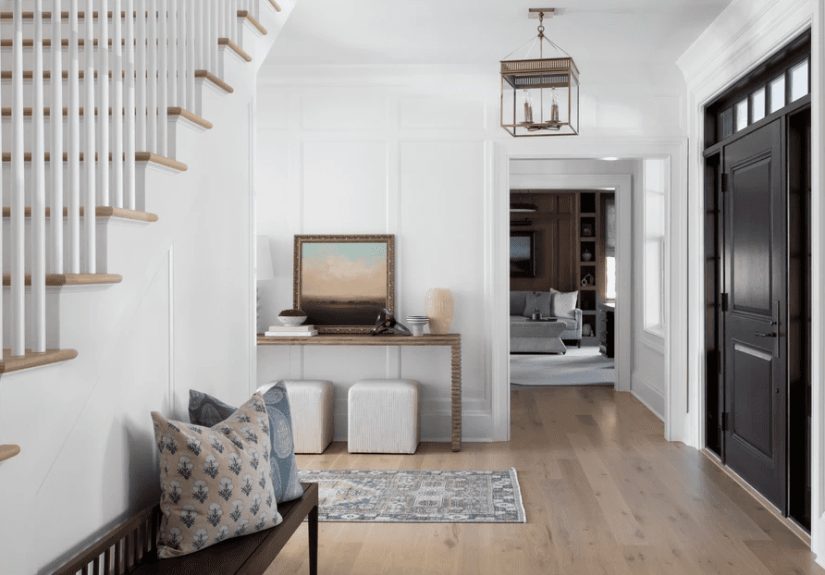
- 22 Modern Entryway Ideas to Leave a Lasting Impression
- 1. Start with a Slim Console Table
- 2. Add a Statement Mirror
- 3. Use a Bench for Beauty and Function
- 4. Install Wall Hooks That Look Intentional
- 5. Choose Closed Storage for a Cleaner Look
- 6. Define the Entry with a Rug
- 7. Bring in Warm Wood Tones
- 8. Add Sculptural Lighting
- 9. Create a Gallery Wall
- 10. Paint the Door a Bold Color
- 11. Use Wallpaper for Instant Drama
- 12. Incorporate a Catchall Tray or Bowl
- 13. Add Greenery for Life and Movement
- 14. Try a Floating Shelf in a Tiny Entry
- 15. Layer Textures Instead of Adding Clutter
- 16. Use Built-Ins for a Custom Look
- 17. Add a Small Stool or Accent Chair
- 18. Make the Floor Part of the Design
- 19. Mix Metals Thoughtfully
- 20. Create Symmetry for a Polished Feel
- 21. Personalize with One Memorable Piece
- 22. Keep the Final Edit Clean
- Modern Entryway Styling Tips for Different Spaces
- Common Entryway Mistakes to Avoid
- Conclusion
- Personal Experience: What Actually Makes an Entryway Work in Real Life
Note: This publish-ready article synthesizes current entryway design best practices from reputable U.S. home and interior design publications, with no source links inserted as requested.
Your entryway is the handshake of your home. It is the first place guests see, the last place you check yourself before leaving, and the silent witness to every “Where are my keys?” crisis. A modern entryway should look polished, feel welcoming, and work hard behind the scenes. In other words, it should be beautiful enough for compliments and practical enough to survive backpacks, wet shoes, dog leashes, delivery packages, and the mysterious single sock that somehow appears by the door.
The best modern entryway ideas blend clean lines, thoughtful storage, warm textures, smart lighting, and personal style. Whether you have a grand foyer, a narrow hallway, a tiny apartment landing, or a front door that opens directly into the living room, you can create a stylish entrance that feels intentional. The secret is not filling the space with more things. It is choosing the right things: a slim console, a hardworking bench, a mirror with presence, art that says something, lighting that flatters, and storage that quietly hides the chaos.
Below are 22 modern entryway ideas designed to leave a lasting impression without making your front door area feel like a furniture showroom. Think of this as your friendly blueprint for turning “just a pass-through space” into a moment.
Why a Modern Entryway Matters
A modern entryway sets the visual tone for the rest of your home. It gives guests a quick preview of your style, helps your household stay organized, and creates a smoother daily routine. When designed well, the entryway does three jobs at once: it welcomes, stores, and guides. It welcomes people with warmth, stores everyday essentials in a tidy way, and guides the eye toward the rest of the home.
Modern design does not have to mean cold, empty, or overly perfect. Today’s best modern entryways often include natural wood, woven baskets, stone trays, soft rugs, sculptural lighting, statement mirrors, and plants. The result feels clean but not sterile, stylish but not stiff, and practical but not boring. Basically, it is the design equivalent of someone who looks effortlessly put together while secretly having a very organized calendar.
22 Modern Entryway Ideas to Leave a Lasting Impression
1. Start with a Slim Console Table
A slim console table is one of the easiest ways to define a modern entryway. It creates a landing zone for keys, sunglasses, mail, and decorative accents without eating up valuable floor space. Choose a design with clean lines, such as black metal, light oak, walnut, white lacquer, or natural rattan. If your entryway is narrow, look for a console that is 10 to 14 inches deep so people can move through comfortably.
Style it with a tray for small items, a ceramic vase, a stack of books, and one sculptural object. Keep the surface edited. A modern console should whisper “curated,” not shout “I emptied my pockets here three weeks ago.”
2. Add a Statement Mirror
A mirror is a modern entryway classic for good reason. It reflects light, makes small spaces feel larger, and gives everyone one final chance to remove spinach from their teeth before leaving the house. Round mirrors soften sharp architecture, arched mirrors add elegance, and oversized rectangular mirrors create a bold contemporary look.
For a polished design, hang the mirror centered above a console or bench. Leave a little breathing room between the mirror and furniture so the arrangement feels intentional. A black metal frame, brass frame, wood frame, or frameless design can all work depending on your home’s style.
3. Use a Bench for Beauty and Function
An entryway bench is practical, welcoming, and perfect for anyone who has ever tried to put on boots while balancing like a flamingo. Modern benches come in many forms: upholstered, wood, leather, woven, curved, or built-in. A bench gives people a place to sit, set bags, or pause as they come in.
For extra storage, choose a bench with drawers, cubbies, or an open shelf below. Tuck baskets underneath for shoes, pet gear, scarves, or seasonal items. This keeps daily essentials close without turning the entryway into a visual traffic jam.
4. Install Wall Hooks That Look Intentional
Hooks are entryway heroes. They handle coats, hats, bags, dog leashes, umbrellas, and the occasional tote that appears to contain someone’s entire life. To keep them modern, skip random plastic hooks and choose a coordinated set in matte black, brushed brass, wood, or stainless steel.
Install hooks in a straight line for a clean look, or stagger them at different heights for families with kids. Pair them with a narrow shelf above for baskets or framed art. The key is to make storage feel like part of the design rather than an emergency response to clutter.
5. Choose Closed Storage for a Cleaner Look
Open storage is convenient, but too much of it can make an entryway look busy. Closed storage is ideal for a modern space because it hides the less photogenic parts of daily life: mismatched shoes, reusable bags, sports gear, and mail that definitely should have been opened already.
Consider a floating cabinet, slim shoe cabinet, storage chest, or console with doors. Floating storage is especially useful in small entryways because it keeps the floor visible, which makes the area feel lighter and more spacious.
6. Define the Entry with a Rug
A rug instantly makes an entryway feel finished. It adds color, texture, softness, and a clear boundary between the outside world and your home. For modern entryways, try a low-pile wool rug, washable runner, vintage-inspired pattern, geometric design, or natural fiber rug.
Choose a rug that is durable and easy to clean. Entryways deal with dirt, rain, pets, and shoes, so this is not the place for a delicate rug that panics at the sight of a footprint. A rug pad is also important because sliding rugs are charming only in cartoons.
7. Bring in Warm Wood Tones
Modern design becomes much more inviting when you add wood. A wood bench, console, frame, door, shelf, or stool brings natural warmth to the entryway. Light oak feels airy and Scandinavian. Walnut feels rich and sophisticated. Reclaimed wood adds character and texture.
If your entryway has white walls, black accents, or cool tile floors, wood can keep the space from feeling too stark. It creates balance, especially when paired with greenery, woven baskets, or soft textiles.
8. Add Sculptural Lighting
Lighting is one of the fastest ways to make an entryway feel designed. A modern pendant, globe fixture, lantern, chandelier, or pair of sconces can completely change the mood. If the ceiling is high, go bold with a statement pendant. If the ceiling is low, use a flush-mount fixture with an interesting shape or finish.
For smaller entryways, wall sconces can add style without taking up floor or table space. Warm bulbs are usually more flattering than cool bulbs, unless your goal is “doctor’s office lobby,” which hopefully it is not.
9. Create a Gallery Wall
A gallery wall can turn a plain entryway into a personal introduction. Use family photos, black-and-white prints, abstract art, travel photography, or framed sketches. For a modern look, keep frames consistent in color or shape. Black frames create contrast, wood frames add warmth, and thin brass frames feel elegant.
If you prefer a cleaner design, use three large frames instead of many small ones. A simple grid arrangement can feel organized and sophisticated while still showing personality.
10. Paint the Door a Bold Color
The inside of your front door is an underrated design opportunity. Painting it black, navy, forest green, charcoal, terracotta, deep red, or warm taupe can give the entryway instant personality. A bold door works especially well when the surrounding walls are neutral.
For a modern effect, repeat the door color in small accents nearby, such as a vase, artwork, pillow, or rug pattern. This makes the color feel deliberate rather than random.
11. Use Wallpaper for Instant Drama
Entryways are perfect for wallpaper because they are usually smaller spaces where a pattern can shine without overwhelming the whole home. Modern wallpaper options include subtle grasscloth, graphic lines, botanical prints, murals, textured neutrals, and bold geometric patterns.
If full wallpaper feels too adventurous, try it on one accent wall, inside a niche, or above board-and-batten trim. Peel-and-stick wallpaper is a great option for renters or design commitment-phobes.
12. Incorporate a Catchall Tray or Bowl
A modern entryway should help you leave the house faster, not send you on a scavenger hunt. A tray, bowl, or small dish gives keys, wallets, earbuds, and sunglasses a designated home. Choose a material that adds texture: stone, marble, ceramic, wood, leather, or metal.
Place the catchall on a console table, floating shelf, or small wall-mounted cabinet. This tiny detail can prevent daily clutter from spreading like gossip at a family reunion.
13. Add Greenery for Life and Movement
Plants make modern entryways feel fresh and alive. A tall plant in a corner, a small potted plant on a console, or branches in a vase can soften the space and add organic shape. Good entryway options include snake plants, pothos, ZZ plants, olive trees, fiddle leaf figs, or faux stems if natural light is limited.
Use planters that match your style. Matte ceramic feels minimal, woven baskets feel relaxed, and metal planters add a polished touch. Even one plant can make the area feel more welcoming.
14. Try a Floating Shelf in a Tiny Entry
If your entryway is basically a wall and a dream, a floating shelf can work wonders. It provides a landing spot without requiring a full piece of furniture. Pair it with hooks underneath, a mirror above, and a small basket nearby for shoes or umbrellas.
Choose a shelf with a drawer if you want hidden storage. In apartments, studios, and compact homes, this setup creates a mini foyer where none existed before.
15. Layer Textures Instead of Adding Clutter
A modern entryway should feel interesting, but that does not mean piling on accessories. Texture is the secret. Combine smooth walls with a woven basket, a wood console, a ceramic lamp, a linen shade, a wool rug, or a leather bench cushion. The space feels rich without becoming crowded.
This approach works especially well for neutral entryways. Instead of relying on bright colors, texture gives the eye something to enjoy. It is subtle, sophisticated, and much easier to live with than a neon orange wall chosen during a burst of midnight confidence.
16. Use Built-Ins for a Custom Look
Built-in storage can transform an entryway into a highly functional drop zone. Think cabinets, cubbies, drawers, lockers, benches, and overhead shelves. Built-ins are especially useful for families because each person can have a designated space for shoes, bags, coats, and accessories.
For a modern look, keep the fronts simple and hardware minimal. Flat-panel doors, slim pulls, painted finishes, and natural wood details all work beautifully. Built-ins can be expensive, but even semi-custom cabinets or modular units can create a similar effect.
17. Add a Small Stool or Accent Chair
If a bench is too large, try a small stool or accent chair. A sculptural stool adds function without taking up much room. Look for wood, boucle, leather, metal, or woven designs. In a larger foyer, a single accent chair can create a quiet, elegant pause near the door.
This is also a great way to add shape. If the entryway has many straight lines, choose a rounded stool. If the space is soft and neutral, choose a chair with a sharper silhouette for contrast.
18. Make the Floor Part of the Design
Flooring has a major impact on entryway style. Modern options include large-format tile, slate, terrazzo, herringbone wood, checkerboard tile, polished concrete, or patterned cement tile. If replacing floors is not possible, a strong rug can still create a designer look.
Durability matters here. The entryway floor takes daily abuse from shoes, weather, pets, and bags. Choose materials that are attractive but realistic. A stunning floor that cannot handle life is just stress with grout lines.
19. Mix Metals Thoughtfully
Modern entryways often look more elevated when metals are mixed instead of perfectly matched. Matte black hooks can pair beautifully with brass lighting. Chrome hardware can work with a black-framed mirror. Bronze accents can warm up a neutral palette.
The trick is to repeat each metal at least once so the mix feels intentional. For example, use brass in the light fixture and picture frame, then black in the mirror frame and door hardware.
20. Create Symmetry for a Polished Feel
Symmetry instantly makes an entryway feel calm and organized. Try matching sconces on either side of a mirror, two baskets under a bench, a pair of plants near the door, or matching artwork above a console. Symmetry is especially helpful in formal foyers because it gives the space a sense of balance.
That said, modern symmetry does not need to feel stiff. You can balance a lamp on one side of a console with a tall vase on the other. The pieces do not have to match exactly; they just need similar visual weight.
21. Personalize with One Memorable Piece
The most stylish entryways usually include one piece that feels personal. It might be a painting, vintage mirror, family heirloom, handmade bench, travel find, oversized vase, or dramatic light fixture. This prevents the space from looking like it was copied straight from a catalog.
Modern design works best when it includes personality. Clean lines and hidden storage are wonderful, but a little soul makes the space memorable. Guests may not remember every detail, but they will remember the feeling.
22. Keep the Final Edit Clean
The final step is editing. Modern entryways need breathing room. Remove anything that does not serve a purpose or add beauty. Keep surfaces mostly clear, hide everyday clutter, and rotate seasonal items instead of displaying everything at once.
A good rule: before you add something, ask whether it improves the space. If the answer is no, let it live somewhere else. Your entryway should feel like a welcome, not a storage unit with better lighting.
Modern Entryway Styling Tips for Different Spaces
For Small Apartments
Use vertical space. Add hooks, a floating shelf, a mirror, and a slim shoe cabinet. Choose light colors and reflective surfaces to make the area feel larger. A washable runner can define the entry even if the door opens directly into the living room.
For Family Homes
Prioritize durable storage. Use labeled baskets, cubbies, hooks at different heights, and a bench with hidden compartments. Add one decorative element, such as art or lighting, so the area feels styled rather than purely practical.
For Large Foyers
Scale up. Use an oversized mirror, round center table, large pendant, dramatic rug, or tall branches. Large entryways need furniture and decor with enough presence to avoid feeling empty.
For Narrow Hallways
Choose slim furniture, wall-mounted storage, and narrow runners. Use mirrors to reflect light and avoid bulky pieces that block the walkway. A gallery wall can add personality without taking up floor space.
Common Entryway Mistakes to Avoid
Even beautiful entryways can go wrong when function is ignored. One common mistake is choosing furniture that is too deep for the space. Another is using too many small accessories, which can make the area feel cluttered. Poor lighting is also a problem because entryways often lack natural light. Finally, skipping storage almost always leads to mess. A modern entryway should not only look good on day one; it should still work on day one hundred.
Avoid placing delicate decor where bags, coats, or kids can knock it over. Avoid rugs that slide. Avoid open shoe piles. And please, for the sake of everyone leaving the house on time, avoid having no designated place for keys.
Conclusion
A modern entryway is more than a pretty pass-through. It is a hardworking design moment that can make your home feel calmer, cleaner, and more welcoming from the second the door opens. The best entryway ideas combine practical storage with visual impact: a mirror that brightens the space, a bench that makes daily routines easier, hooks that control clutter, a rug that defines the area, and lighting that creates atmosphere.
Whether your style leans minimalist, organic modern, contemporary, Scandinavian, modern farmhouse, or quietly luxurious, the goal is the same: create an entrance that feels intentional. Start with function, layer in texture, add one memorable design piece, and edit with confidence. Your entryway does not need to be huge to be impressive. It simply needs to say, “Welcome in,” while also quietly handling the shoes.
Personal Experience: What Actually Makes an Entryway Work in Real Life
Designing a modern entryway on paper is easy. Living with one every day is where the truth comes out. The biggest lesson from real homes is that an entryway must match the habits of the people who use it. A beautiful console table is lovely, but if everyone drops shoes by the door, the entryway needs shoe storage before it needs another vase. A sculptural chair may look amazing, but if nobody sits there and it blocks the hallway, it becomes expensive scenery.
One of the most practical entryway upgrades is creating a “drop zone” for the exact items that cause daily clutter. In many homes, that means keys, wallets, mail, bags, sunglasses, pet leashes, and shoes. When these items have a specific place to land, the whole home feels more organized. A small tray on a console can solve the key problem. A wall hook can solve the bag problem. A basket under a bench can solve the shoe problem. None of these solutions are dramatic, but together they make mornings much less chaotic.
Another real-life lesson is that lighting changes everything. Many entryways feel dull not because the decor is wrong, but because the lighting is weak or too harsh. Replacing a basic fixture with a warm, modern pendant or flush mount can make the space feel instantly more expensive. Adding a small lamp on a console also creates a softer glow in the evening. It is a tiny hospitality trick: when guests arrive, warm light makes the home feel more welcoming before anyone says a word.
Durability also matters more than people expect. Entryways are hardworking spaces, not museum corners. Rugs should be easy to clean. Benches should handle daily use. Baskets should be sturdy. Wall paint should be wipeable if the area gets fingerprints, scuffs, or pet traffic. A modern entryway can still look elegant, but the materials need to respect reality. There is no glory in owning a pale rug that makes you nervous every time someone walks in wearing shoes.
The best entryways also include a little personality. In real homes, the most memorable entrances are rarely the most expensive ones. They are the ones with a great piece of art, a vintage mirror, a bold door color, a family photo wall, or a plant that gives the space life. Modern design can sometimes become too controlled, so one personal element keeps it warm. Guests should feel like they are entering your home, not a boutique hotel lobby that sells candles for suspicious prices.
Finally, editing is an ongoing habit. Entryways collect things naturally because they sit between outside life and inside life. Once a week, take two minutes to reset the area. Put away extra shoes, clear mail, straighten the rug, empty the tray, and return random items to their proper homes. This small routine keeps the entryway looking designed instead of defeated.
In the end, a successful modern entryway is not about perfection. It is about rhythm. It supports how you leave, how you return, and how guests experience your home. When beauty and function work together, the entryway becomes more than a doorway. It becomes a first impression worth remembering.