Table of Contents >> Show >> Hide
- 1. Start with a Clean, Curved Flower Bed
- 2. Use Foundation Shrubs for Year-Round Structure
- 3. Add a Welcoming Pathway
- 4. Plant a Pollinator Patch
- 5. Try a Low-Maintenance Native Plant Border
- 6. Use Containers for Fast Color
- 7. Frame the Front Door with Symmetry
- 8. Add Mulch for a Finished Look
- 9. Create a Simple Rain Garden
- 10. Replace a Tricky Lawn Strip with Groundcovers
- 11. Design Around a Small Ornamental Tree
- 12. Add Edging for Crisp Definition
- 13. Mix Perennials and Annuals for Reliable Color
- 14. Make the Mailbox a Mini Garden Moment
- Beginner Front Yard Garden Design Tips
- Common Front Yard Gardening Mistakes Newbies Should Avoid
- Extra Experience: What New Gardeners Learn After Actually Starting
- Conclusion
Your front yard is basically your home’s handshake. Before guests ring the bell, before delivery drivers judge your porch snack situation, and before neighbors decide whether your house has “main character energy,” the garden is already speaking. The good news? You do not need a landscape architecture degree, a truckload of rare plants, or the patience of a saint with a watering can to make it look wonderful.
These front yard garden ideas for newbies focus on simple, realistic upgrades that boost curb appeal without turning your weekends into a full-time landscaping internship. Think clean garden beds, friendly paths, low-maintenance plants, colorful containers, pollinator-friendly blooms, and smart design tricks that make a yard look intentional even if you still occasionally forget where you left the trowel.
The secret is not doing everything at once. The best beginner front yard landscaping starts with one smart improvement, then builds from there. Choose the idea that fits your space, budget, climate, and available energy. Your future self, your mail carrier, and possibly a very impressed squirrel will thank you.
1. Start with a Clean, Curved Flower Bed
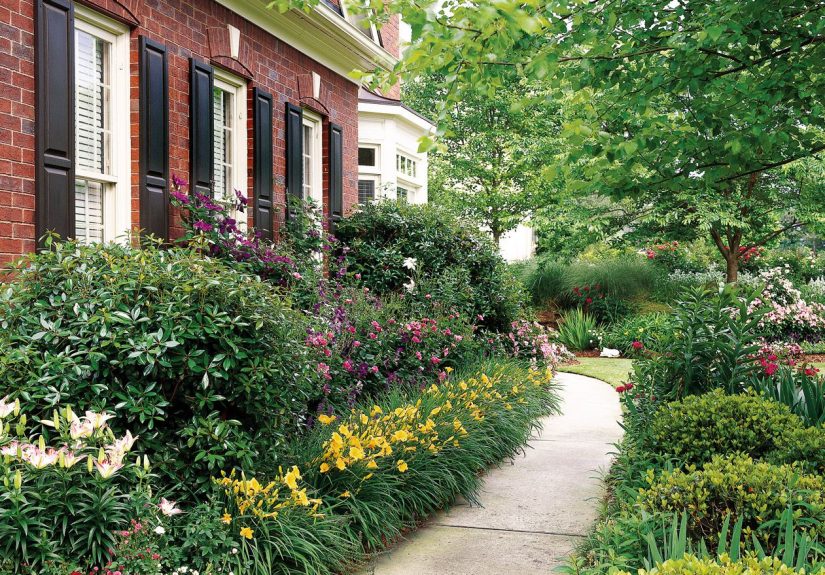
A simple flower bed along the front walkway, porch, or foundation is one of the easiest ways to add instant curb appeal. For beginners, curved beds are especially forgiving because they soften the straight lines of a house and look more natural than stiff rectangles.
Use a garden hose to sketch the shape before digging. Stand across the street and check whether the curve feels balanced. If it looks like a sleepy snake, adjust it. Once the outline works, remove grass, loosen the soil, add compost if needed, and finish with mulch.
Beginner tip:
Keep the bed deep enough for layers. A tiny 12-inch strip often looks crowded fast. Aim for enough room to place taller plants in back, medium plants in the middle, and low edging plants in front.
2. Use Foundation Shrubs for Year-Round Structure
Flowers are charming, but shrubs are the dependable friends of front yard landscaping. They give the garden shape even when annuals fade or perennials take a winter nap. Evergreen shrubs, compact hydrangeas, dwarf hollies, boxwood alternatives, viburnums, and native shrubs can create a polished frame around your home.
Do not plant shrubs too close to the house. That adorable little nursery pot can become a leafy monster in a few years. Read the mature width and height on the plant tag, then give it breathing room. Your siding, windows, and future pruning arm will appreciate the foresight.
3. Add a Welcoming Pathway
A front yard path does more than keep shoes out of soggy grass. It guides the eye, creates a sense of arrival, and makes the entry feel intentional. Newbies can start with budget-friendly materials such as gravel, stepping stones, mulch, brick pavers, or flagstone.
A straight path feels formal and tidy. A gently curved path feels relaxed and cottage-like. Either can work beautifully, but the path should be wide enough for two people to walk comfortably if space allows. Nobody wants to approach your door single-file like they are entering a secret garden trial.
Easy upgrade:
Plant low-growing flowers, ornamental grasses, or groundcovers along the edges to soften the walkway and make it feel built into the landscape.
4. Plant a Pollinator Patch
A pollinator garden brings color, movement, and life to the front yard. Bees, butterflies, and other beneficial insects are attracted to flowers rich in nectar and pollen. For the easiest success, choose plants adapted to your region and include blooms from spring through fall.
Beginner-friendly choices may include coneflower, black-eyed Susan, bee balm, asters, salvia, yarrow, milkweed, coreopsis, and native grasses, depending on your climate. Group plants in clusters rather than scattering one of everything everywhere. Pollinators find grouped flowers more easily, and your garden will look less like a plant clearance table exploded.
5. Try a Low-Maintenance Native Plant Border
Native plants are often excellent for new gardeners because they are adapted to local conditions and can support local wildlife. A native plant border along the sidewalk or driveway can replace a difficult strip of lawn and add a more personal, natural look.
Choose plants based on sunlight, soil moisture, mature size, and your region. A sunny front yard may suit prairie-style perennials and grasses, while a shady yard may do better with native ferns, sedges, woodland flowers, and shade-loving shrubs.
Design rule:
Repeat a few plants instead of buying one of every pretty thing. Repetition makes a beginner garden look designed, not accidentally collected.
6. Use Containers for Fast Color
Containers are the front yard cheat code. They are perfect for renters, beginners, small porches, and anyone who wants curb appeal without digging up half the lawn. Place large pots near the front door, garage, steps, or walkway entrance.
For a classic container recipe, use the “thriller, filler, spiller” method. The thriller is a tall focal plant, the filler adds fullness, and the spiller trails over the edge. For example, use ornamental grass as the thriller, petunias or begonias as fillers, and sweet potato vine or creeping Jenny as spillers.
One large container usually looks better than five tiny mismatched pots. Tiny pots dry out quickly and can make the entry look cluttered. Large planters feel confident, like they know where they parked.
7. Frame the Front Door with Symmetry
Symmetry is beginner-friendly because it instantly looks organized. Place matching planters on both sides of the front door, use twin shrubs near the steps, or repeat the same flower on each side of the walkway.
This approach works especially well for traditional homes, colonial-style facades, townhouses, and small front entries. Even if the rest of the yard is still a work in progress, a symmetrical entrance says, “Yes, we meant to do this.”
8. Add Mulch for a Finished Look
Mulch is the garden equivalent of a good haircut. It makes everything look cleaner immediately while also helping the soil hold moisture, reduce weeds, moderate temperature, and protect plant roots. Organic mulch such as shredded bark, wood chips, pine needles, or leaf mulch is useful around shrubs, trees, and perennial beds.
Aim for a tidy layer, usually around two to three inches deep. Keep mulch away from plant stems and tree trunks. Piling mulch against trunks creates the dreaded “mulch volcano,” which may sound dramatic and fun but is terrible for plants.
9. Create a Simple Rain Garden
If part of your front yard collects water after rain, do not immediately declare war on the puddle. That damp spot may be a great place for a rain garden. Rain gardens are shallow planted areas designed to collect runoff from roofs, driveways, or slopes, allowing water to soak into the soil instead of rushing away.
Choose moisture-tolerant plants that can handle both wet periods and drier stretches. Depending on your region, options might include switchgrass, blue flag iris, swamp milkweed, cardinal flower, sedges, or other native plants suited to rain garden conditions.
Important note:
Place rain gardens away from the house foundation and check local guidance before digging. Water management is useful; accidentally creating a moat is less charming.
10. Replace a Tricky Lawn Strip with Groundcovers
Every front yard has that one annoying patch of grass: too narrow, too shady, too dry, too steep, or too awkward to mow without inventing new words. Groundcovers can turn that problem area into a feature.
Consider creeping thyme, sedum, ajuga, native violets, Pennsylvania sedge, liriope, or other low-growing plants appropriate for your area. Some groundcovers tolerate light foot traffic, while others prefer to be admired from a distance. Match the plant to the job.
Groundcovers can reduce mowing, fill gaps, suppress weeds once established, and add texture. They are especially useful between stepping stones, under trees, along slopes, or near mailboxes.
11. Design Around a Small Ornamental Tree
A small tree can become the star of a front yard garden. It adds height, shade, seasonal interest, and a sense of permanence. Good options may include serviceberry, dogwood, redbud, Japanese maple, crabapple, fringe tree, or other small trees suited to your region and available space.
Planting a tree is not the moment to freestyle. Check mature size, sunlight needs, root space, and distance from power lines, sidewalks, and the house. A tree should improve the view, not become a leafy negotiation with your roof.
Curb appeal idea:
Create a mulched ring or small planting bed around the tree with shade-tolerant perennials or spring bulbs. It looks polished and protects the trunk from mower damage.
12. Add Edging for Crisp Definition
Edging is one of those details people notice even when they do not know they are noticing it. A clean edge between lawn and garden bed makes the entire front yard look maintained. Materials can include metal edging, brick, stone, pavers, concrete, or a simple spade-cut trench.
For newbies, flexible metal edging or a natural stone border can be manageable weekend projects. Brick gives a classic look, while steel edging feels modern and minimal. The best choice depends on your home style and budget.
Good edging also helps keep mulch in place and grass from creeping into beds. In other words, it is both decorative and mildly heroic.
13. Mix Perennials and Annuals for Reliable Color
Perennials return year after year, while annuals provide big color for one season. A beginner-friendly front yard garden often uses both. Perennials form the backbone, and annuals fill gaps or refresh the look from spring to fall.
Try perennials such as daylilies, coneflowers, hostas, sedum, ornamental grasses, catmint, coreopsis, or black-eyed Susans. Add annuals such as marigolds, zinnias, petunias, impatiens, begonias, or coleus depending on sun exposure.
Simple formula:
Use perennials for about 70 percent of the planting and annuals for about 30 percent. That keeps maintenance reasonable while still giving you seasonal color to play with.
14. Make the Mailbox a Mini Garden Moment
The mailbox is often ignored, which is unfair because it sits right where curb appeal begins. A small mailbox garden can make the front yard feel cheerful from the street. Use tough plants that can handle reflected heat, road splash, compacted soil, or occasional neglect.
Choose compact, low-maintenance plants such as salvia, sedum, lavender, daylilies, dwarf ornamental grasses, zinnias, or native perennials suited to your climate. Keep plants low enough so the mailbox remains easy to access. Your mail carrier deserves beauty, not a jungle expedition.
Beginner Front Yard Garden Design Tips
Think in layers
Place taller plants in the back, medium plants in the middle, and low plants near the edge. This creates depth and keeps smaller plants from disappearing behind leafy giants.
Repeat colors and shapes
Repeating a color, plant, or texture makes the garden feel connected. For example, repeat purple salvia along a path or use the same ornamental grass in three different spots.
Choose the right plant for the right place
Before buying plants, check sun exposure, soil type, drainage, mature size, and water needs. A sun-loving plant in deep shade will not “learn to adapt.” It will simply sulk dramatically.
Keep maintenance realistic
If you are new to gardening, avoid creating more beds than you can care for. A small, healthy, well-maintained garden beats a huge ambitious one that becomes a botanical laundry pile.
Common Front Yard Gardening Mistakes Newbies Should Avoid
One common mistake is planting too close together. New gardeners often want the yard to look full right away, but overcrowded plants compete for air, light, and nutrients. Use plant tags as guides and leave enough space for mature growth.
Another mistake is ignoring soil. Healthy soil supports healthy plants. If your plants keep struggling, the problem may not be your “black thumb.” It may be compacted soil, poor drainage, low organic matter, or the wrong pH.
Finally, do not skip watering during the establishment period. Even drought-tolerant plants need regular water while roots are getting settled. Once established, many plants become more resilient, but the first season matters.
Extra Experience: What New Gardeners Learn After Actually Starting
The first real lesson of front yard gardening is that the yard has opinions. You may walk outside with a beautiful plan, a fresh pair of gloves, and the confidence of someone who watched three landscaping videos. Then the soil reveals itself to be compacted clay, the “full sun” area gets shade by 2 p.m., and the sprinkler reaches everywhere except the plants that need it. This is normal. Gardening is not a one-time installation; it is a conversation with the space.
One of the best beginner experiences is starting small enough to observe. A single bed near the walkway can teach you more than a full-yard makeover. You learn where water pools after a storm, which plants flop, which flowers bloom longer than expected, and which areas become weed headquarters. That information is gold. It helps you make smarter choices next season instead of repeating expensive mistakes with a determined smile.
Another useful lesson is that mulch is not optional decoration. Many new gardeners spend most of the budget on flowers and then leave bare soil exposed. Within weeks, weeds arrive like they received printed invitations. A proper mulch layer makes beds look finished and reduces the amount of weeding needed. It also helps new plants survive hot, dry spells. In beginner gardening, anything that reduces chores while improving results deserves applause.
Watering also takes practice. Newbies often water too lightly, too often, or at the wrong time of day. A quick sprinkle may wet the surface but fail to reach the roots. Deeper watering encourages stronger root growth. Morning watering is usually easier on plants because foliage can dry during the day, reducing disease pressure. Containers, however, may need more frequent attention because pots dry out faster than garden beds.
Plant shopping is another adventure. Garden centers are designed to weaken your self-control. Everything is blooming, everything is cute, and suddenly you are emotionally attached to a plant you cannot pronounce. The better approach is to shop with a list. Decide how many plants you need, what height they should reach, and whether they must handle sun, shade, wet soil, or dry conditions. This does not remove the fun; it simply prevents the front yard from becoming a random plant museum.
New gardeners also learn that curb appeal is about more than flowers. A sharp bed edge, clean walkway, trimmed shrubs, healthy mulch, and one good focal point can make a bigger difference than dozens of blooms. Structure carries the garden when flowers are between seasons. That is why shrubs, ornamental grasses, small trees, and evergreens are so valuable in a front yard design.
Finally, patience is part of the process. A new garden may look a little sparse at first, and that is okay. Plants need time to fill in. Take photos every month so you can see progress. Celebrate small wins: the first new leaf, the first butterfly, the first neighbor compliment, the first time you remember to water before the plants look personally betrayed. Over time, your front yard becomes less of a project and more of a place you are proud to come home to.
Conclusion
Creating a beautiful front yard garden as a beginner is not about perfection. It is about making smart, manageable choices that improve curb appeal one layer at a time. Start with clean beds, healthy soil, mulch, structure, and plants suited to your conditions. Add color with containers, annuals, perennials, and pollinator-friendly flowers. Use paths, edging, shrubs, and small trees to make the yard feel intentional.
The best front yard garden ideas are practical as well as pretty. They welcome guests, support local nature, reduce maintenance, and make your home look cared for before anyone even reaches the door. Begin with one project, learn as you go, and let the garden grow into itself. Curb appeal does not have to shout. Sometimes it just needs a tidy edge, a happy hydrangea, and a mailbox that finally gets its moment.