Table of Contents >> Show >> Hide
- 1) Declutter Like You’re Moving Tomorrow (Because… You Kind Of Are)
- 2) Depersonalize (You’re Selling a House, Not Your Biography)
- 3) Deep Clean Like a Buyer’s Mom Is Coming Over
- 4) Fix the “Tiny Annoyances” Buyers Love to Overthink
- 5) Light It Up (Bright Homes Feel Bigger and “Newer”)
- 6) Paint Strategically (Neutral = Fast, Not Dull)
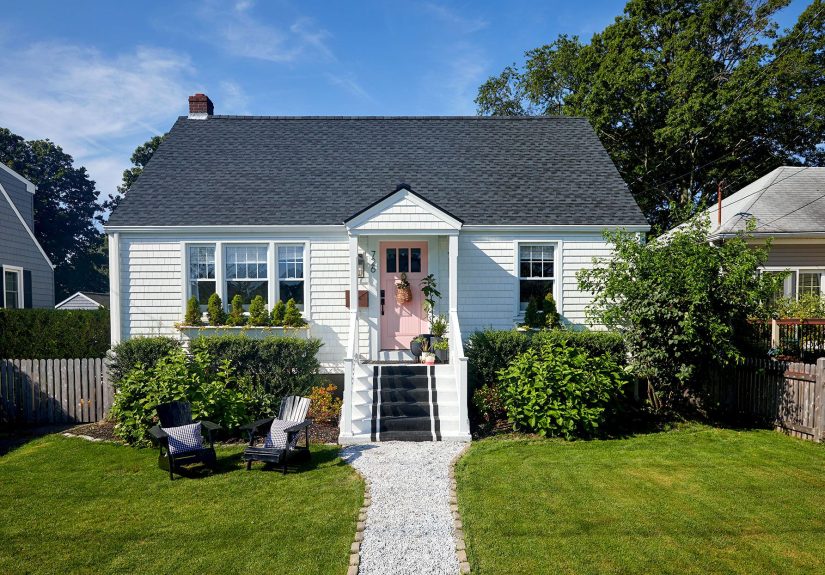
- 7) Boost Curb Appeal in a Weekend (Your Front Door Is Your Trailer)
- 8) Power Wash What Looks Tired (Siding, Walks, Driveways)
- 9) Rearrange Furniture for Flow (Make Rooms Feel Bigger Without Adding Square Feet)
- 10) Give Kitchens and Bathrooms “Small Sparkle” Upgrades
- 11) Make Listing Photos Pop (Because Buyers Shop With Their Thumbs)
- 12) Remove Friction: Be Easy to Show, Easy to Love, Easy to Say “Yes” To
- Quick Reality Check: What Actually Sells a Home Fast?
- of Real-World Experiences: What Sellers Learn the Fast Way
- Conclusion
Want to sell fast without lighting your wallet on fire? Good news: most “speed-to-sold” upgrades are less about granite countertops and more about first impressions, clean visuals, and making it ridiculously easy for buyers to imagine living there.
Buyers usually meet your home in two places before they ever touch the doorknob: online photos and the front walk. That’s why the best low-cost tricks focus on “screen appeal” (photos) and curb appeal (arrival). Below are 12 budget-friendly moves that can help your listing stand out, attract more showings, and push buyers toward quick offerswithout turning your pre-sale prep into a second mortgage.
1) Declutter Like You’re Moving Tomorrow (Because… You Kind Of Are)
Clutter makes rooms feel smaller, closets feel disappointing, and buyers feel like you ran out of storage in 2017.
Why it helps you sell faster
When buyers see clear counters, open floors, and closets that aren’t stuffed to the zipper, they assume the home is well-kept and spacious. Bonus: a decluttered home photographs better, which helps you win online clicks.
Low-cost game plan
- Pack away 30–50% of what’s on shelves and surfaces (yes, including the “decorative” cords).
- Use the “one-tote rule” per room: anything not used weekly goes into a labeled tote.
- Clear closet floors so buyers can see space, not a shoe avalanche.
Cost: $0–$40 for bins/totes. Speed tip: Start with the entryway, kitchen counters, and primary bedroomthose areas carry the most emotional weight.
2) Depersonalize (You’re Selling a House, Not Your Biography)
Your home should feel welcoming to buyers with different tastes, cultures, and lifestyleswithout making them feel like they’re touring someone else’s scrapbook.
What to remove
- Family photos, diplomas, and name monograms
- Bold/controversial art (anything that starts debates at Thanksgiving)
- Collections that dominate a room (dolls, swords, etc.)
Cost: $0. Reality check: Neutral doesn’t mean boringit means “easy to imagine.”
3) Deep Clean Like a Buyer’s Mom Is Coming Over
A clean home signals care. A not-clean home signals “what else didn’t they maintain?”
Focus zones that move the needle
- Kitchens: degrease cabinets, shine the sink, clear and wipe counters
- Bathrooms: grout, mirrors, faucets, and the base of the toilet (yes, really)
- Floors & baseboards: they photograph more than you think
- Windows: clean glass = brighter rooms = better photos
Cost: $15–$60 in supplies (or $150–$400 if you hire a one-time deep clean). Fast-sale logic: Clean reduces “ick factor,” and fewer buyers get distracted = more buyers stay emotionally open to offering quickly.
4) Fix the “Tiny Annoyances” Buyers Love to Overthink
That loose doorknob? The squeaky hinge? The dripping faucet? Individually minor, together they whisper: “This place is a project.”
Cheap fixes with big trust payoff
- Tighten handles, replace worn doorstops, silence squeaks
- Patch nail holes and touch up scuffs
- Replace cracked switch plates and outlet covers
- Swap burnt-out bulbs (all of them)
Cost: $20–$120. Pro move: Walk through pretending you’re a picky buyer seeing your home for the first timethen fix whatever you’d complain about in the car afterward.
5) Light It Up (Bright Homes Feel Bigger and “Newer”)
Lighting is one of the most underrated “cheap magic tricks” in home selling. Dark rooms read smaller, older, and less cheerful.
Fast upgrades
- Use consistent bulb color temperature throughout the home (avoid a “rainbow of whites”)
- Increase brightness in key areas (kitchen, living room, hallways)
- Add a floor lamp in any corner that looks like it’s hiding secrets
- Open blinds and curtains for showings and photos
Cost: $25–$150. Buyer psychology: Bright spaces feel cleaner and more opentwo feelings that speed up decision-making.
6) Paint Strategically (Neutral = Fast, Not Dull)
A fresh coat of paint is often cheaper than you expect, and it can make your home feel updated even if nothing else changes.
Where paint gives the best return (on a budget)
- High-traffic walls with scuffs
- Entryway and main living areas
- Any room with a bold color that limits buyer imagination
Cost: $40–$200 per room if DIY. Shortcut: If you can’t repaint everything, do touch-ups plus a clean, bright entryway.
7) Boost Curb Appeal in a Weekend (Your Front Door Is Your Trailer)
Before buyers notice your hardwood floors, they notice your weeds. Curb appeal sets the toneand helps buyers walk in already “leaning yes.”
Low-cost curb appeal wins
- Mow, edge, and weed (simple, but powerful)
- Refresh mulch in beds for instant “tidy” vibes
- Paint or clean the front door and trim
- Replace worn welcome mat and add a simple potted plant
- Upgrade house numbers if they look faded or dated
Cost: $30–$250. Quick example: A $20 front door paint refresh + $40 new house numbers can make the entry feel intentional, not neglected.
8) Power Wash What Looks Tired (Siding, Walks, Driveways)
Grime makes a home look older than it is. A quick wash can shave “years” off the exterior in a single afternoon.
What to target
- Front walkway and steps
- Driveway and patio
- Siding (carefully), fences, and porch areas
Cost: $0 if you borrow one, $40–$90 to rent, or $150–$300 to hire. Tip: Clean outdoor areas photograph better too, especially if your listing includes exterior shots and backyard space.
9) Rearrange Furniture for Flow (Make Rooms Feel Bigger Without Adding Square Feet)
Buyers don’t just buy roomsthey buy how it feels to move through them.
Easy staging moves using what you already own
- Create clear walking paths (no obstacle course between sofa and kitchen)
- Float furniture slightly away from walls when it improves balance
- Remove one oversized piece if a room feels tight
- Use a mirror to bounce light and add depth
Cost: $0. Rule of thumb: If you bump into it during a showing, so will buyersemotionally and physically.
10) Give Kitchens and Bathrooms “Small Sparkle” Upgrades
You don’t need a full remodel to make buyers feel confident. You need clean, consistent, and cared-for.
Low-cost upgrades that look bigger than they cost
- New cabinet pulls/knobs (especially if old ones are dated)
- Fresh caulk around tubs and sinks
- Shiny faucets (clean well or replace if severely worn)
- New white shower curtain and fluffy neutral towels
Cost: $30–$250. Example: $80 hardware + $12 caulk + a Saturday afternoon can make cabinets look “updated” in photos and in person.
11) Make Listing Photos Pop (Because Buyers Shop With Their Thumbs)
Most buyers start online, and a listing that looks bright, clean, and spacious gets more clicksmore clicks often means more showings, which can mean faster offers.
DIY photo prep checklist
- All lights on, all blinds open
- Counters clear (yes, even the toaster parade)
- Beds made hotel-style
- Pet items hidden (bowls, litter boxes, toys)
- One simple “life moment” per room: a plant, a bowl of fruit, a neatly folded throw
Cost: $0–$100. Worth it: If your agent uses a photographer, your job is to make the home photo-ready. If you’re selling by owner, consider hiring a photographeroften a few hundred dollars that can pay back in speed and perceived value.
12) Remove Friction: Be Easy to Show, Easy to Love, Easy to Say “Yes” To
Sometimes homes sit not because they’re “bad,” but because the process feels hard. Your goal is to reduce buyer hesitation.
Low-cost ways to reduce friction
- Flexible showing windows (evenings and weekends help)
- Quick-touch refresh before each showing: lights on, trash out, beds made, counters cleared
- Neutral smell strategy: replace HVAC filter, open windows briefly, avoid heavy air fresheners
- Have a simple “home highlights” sheet ready (age of roof/HVAC, recent updates, utility averages)
Cost: $10–$40 for filters and basics. Speed logic: The easier it is for buyers to picture living thereand the easier it is to tour the faster you get strong interest.
Quick Reality Check: What Actually Sells a Home Fast?
These low-cost tricks help you compete, but they work best when paired with smart strategy:
- Condition: clean, bright, and clearly maintained
- Presentation: strong photos + good flow + curb appeal
- Pricing: aligned with the market (overpricing is the #1 “slow sale” ingredient)
- Transparency: fix what you can; disclose what you must
If you do the “cheap wins” above, you’re not just saving moneyyou’re buying something more valuable: buyer confidence.
of Real-World Experiences: What Sellers Learn the Fast Way
Here’s what often shows up in seller stories and agent anecdotes when the goal is “fast sale, minimal spend.” Think of these as realistic, composite experiencespatterns that repeat across markets, homes, and price points.
Experience #1: The house that wasn’t “dirty,” just… lived-in. Many sellers feel their home is clean because it’s clean enough for daily life. But showings operate on a different standard: buyers scan for hidden maintenance signals. In story after story, the turning point is a true deep cleanbaseboards, grout lines, windows, and the kitchen hood area. One common result: the same home that got “meh” feedback suddenly gets comments like “It feels so well cared for.” That’s not magic; it’s psychology. Cleanliness reduces worry, and reduced worry speeds up offers.
Experience #2: The listing photos that accidentally sabotaged the sale. Sellers are often shocked by how much the online presentation matters. A home can be perfectly fine in person, but if photos show dark corners, busy countertops, and crowded rooms, buyers may skip it entirely. Real-world fixes tend to be simple: brighter bulbs, curtains opened, one less chair in the dining room, and a strict “nothing on the bathroom counters” rule. These changes don’t just improve aestheticsthey increase clicks and showings, which often shortens time on market.
Experience #3: The “tiny repairs” that stopped buyers from spiraling. Buyers may not consciously notice a loose handle or a squeaky door, but they feel the effect: “What else is wrong here?” Sellers who knock out a weekend punch list (handles, caulk, scuffs, switch plates) often report fewer inspection-related negotiations because the home reads as maintained. The repair costs are small; the confidence gain is big.
Experience #4: Curb appeal as a mood-setter. People underestimate the front door moment. A tidy entry, fresh mulch, trimmed shrubs, and a clean walkway can shift the entire showing energy. Sellers frequently say something like, “Once we fixed the outside, the inside felt better too.” That’s because buyers walk in with a mental score already forming. If the exterior says “cared for,” they interpret the interior through that lens.
Experience #5: The hardest part isn’t the budgetit’s consistency. The most successful “sell fast” prep isn’t one giant project; it’s repeating small habits until you’re under contract: nightly counter resets, quick vacuum lines, a fresh towel swap, and keeping the entry clear. It’s annoying. It’s also effective. Homes that show well on a random Tuesday at 6 p.m. tend to attract serious buyers faster than homes that only look perfect on weekends.
Bottom line: low-cost tricks work when they create a clean, bright, neutral canvasand when they remove reasons for buyers to hesitate. You’re not just sprucing up a house. You’re smoothing the path to “Let’s make an offer.”
Conclusion
Selling fast doesn’t require a massive renovation budget. It requires smart, targeted effort: declutter, clean deeply, brighten the space, fix the small stuff, upgrade curb appeal, and make your home easy to tour and easy to imagine living in. Do those well, and you’re stacking the odds in your favoroften for a few hundred dollars (and a bit of sweat equity) instead of thousands.