Table of Contents >> Show >> Hide
- 1. Turn an Old Microwave into a Mini Aquarium or Terrarium
- 2. Make a Washing Machine Drum Fire Pit or Side Table
- 3. Transform a Retired Fridge into a Bar, Pantry, or Bookshelf
- 4. Upcycle a Coffeepot into a Terrarium or Planter
- 5. Turn an Old Oven or Range into a Quirky Storage Cabinet
- 6. Reimagine a Dishwasher as a Garden Storage Center
- 7. Give a Toaster or Toaster Oven a New Life as a Charging Station
- 8. Turn a Vintage TV or Monitor into a Mini Bar or Pet Bed
- 9. Use Fridge Drawers and Racks as Stand-Alone Organizers
- 10. Upcycle Small Appliances into Lamps and Statement Décor
- Safety and Practical Tips for Repurposing Old Appliances
- Why Upcycling Old Appliances Is Worth the Effort
- Real-Life Lessons: Experiences with Upcycling Old Appliances
Let’s be honest: when a major appliance dies, most of us go straight through the five stages of griefdenial, anger, Googling repair costs, checking our bank account, and finally, curbside pickup. But those bulky has-beens still have solid bones, great materials, and a surprising amount of design potential. Instead of sending them to the landfill, you can upcycle old appliances into quirky, functional pieces that give your home serious personality.
From turning a washing machine drum into a sculptural fire pit to transforming a vintage fridge into a statement bar, creative DIYers have proven that almost every part of an appliance can be reused. Upcycling appliances isn’t just about saving money; it’s about sustainable living, reducing waste, and adding one-of-a-kind character to your space.
Below are 10 weirdly awesome new uses for old appliances, inspired by real-life projects and DIY trends. Use them as a jumping-off point, tweak them to fit your style, and get ready to see that “junk” in a whole new light.
1. Turn an Old Microwave into a Mini Aquarium or Terrarium
That dated, bulky microwave with the worn-out keypad doesn’t have to head straight for the scrap heap. Once the electronics and inner mechanisms are safely removed, the shell can become an eye-catching mini aquarium or a low-maintenance terrarium. The glass door and compact footprint are practically begging to show something off.
For a terrarium, line the bottom with pebbles, add activated charcoal, soil, and a mix of small plants like succulents, moss, or air plants. The microwave door becomes an instant display window, and interior LED strip lights (battery-powered or USB) create a cozy glow. For a fish tank, work with a properly sized glass or acrylic container that fits inside the cavity, and follow safe aquarium guidelinesyou’re using the microwave mainly as decorative housing and a light frame, not as the tank itself.
The result is a conversation piece that combines nostalgia with greenery (or aquatic life) and gives your kitchen or living room a playful focal point.
2. Make a Washing Machine Drum Fire Pit or Side Table
If there’s a celebrity of the appliance-upcycling world, it’s the washing machine drum. The perforated metal cylinder is heat-resistant, durable, and already shaped like a fire pit. Flip it over, add legs or a base, and you’ve got a ready-made outdoor fire feature that funnels flames upward and provides excellent airflow.
For a fire pit, clean the drum thoroughly and remove all plastic parts. Add a stable base such as fire bricks, pavers, or a metal stand to keep it off the grass or deck. The holes in the drum create a mesmerizing pattern of firelight at night and help wood burn efficiently. You can also paint the exterior with high-heat paint to match your outdoor décor.
Not into fire? Use the drum as a side table instead. Add a circular wood top, secure it with brackets or industrial straps, and treat the metal with a rust-inhibiting clear coat. The result is a stylish, industrial-chic table perfect for patios, lofts, or modern living rooms.
3. Transform a Retired Fridge into a Bar, Pantry, or Bookshelf
Old refrigerators are notoriously difficult and costly to dispose of, but their insulated bodies and built-in shelving make them prime candidates for reinvention. With some cleaning, decommissioning of coolant lines by a qualified pro, and a little creativity, a fridge can become a standout storage piece.
Fridge as a Vintage-Style Bar
Remove old hardware you don’t need, deep-clean the interior, and add wine racks, glass holders, and LED puck lights. Paint the exterior in a retro color or apply vinyl wraps. When you open the door and reveal neatly arranged bottles and glassware instead of week-old leftovers, it’s instant party magic.
Fridge as a Pantry or Linen Cabinet
For kitchen or laundry-room storage, convert the fridge into a pantry or linen cabinet. Adjust the existing shelves or add wooden ones to better fit baskets, jars, towels, or cleaning supplies. The magnetic door is perfect for labels, notes, or even a mini menu board.
Fridge as a Bookshelf
For a truly weirdly awesome twist, remove the door entirely, repaint or wallpaper the interior, and use the shell as a vertical bookshelf. The built-in compartments and shelves are ideal for organizing books, plants, and décor pieces.
4. Upcycle a Coffeepot into a Terrarium or Planter
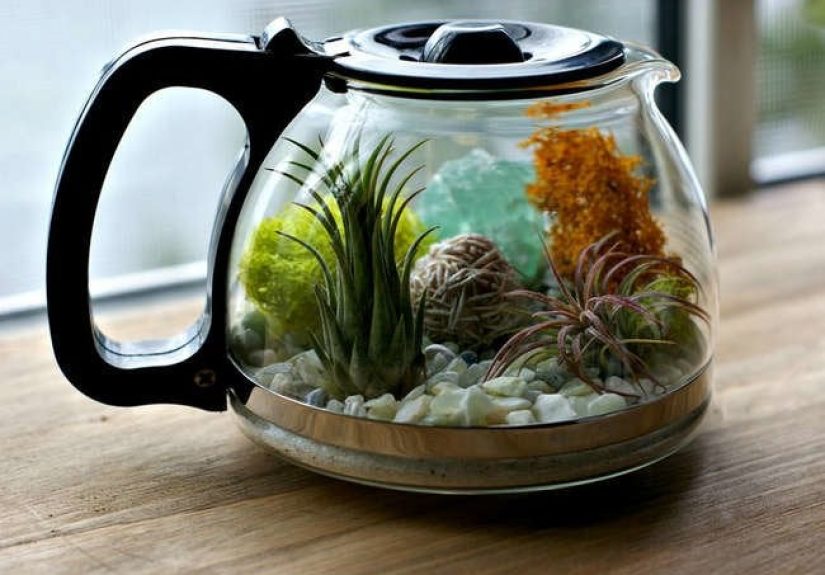
That old glass carafe or drip coffeemaker that’s stained from a thousand early mornings can have a much more soothing second lifeas a tiny greenhouse or whimsical planter.
For a simple terrarium, layer pebbles, charcoal, soil, and small plants inside the carafe, then set it back onto the base (with all electrical components removed). The handle makes it easy to move, and the rounded glass gives you a 360-degree view of your mini jungle. You can also use the carafe alone as a minimalist vase or propagation station for rooting plant cuttings in water.
If you have a classic metal or enamel percolator, fill it with soil and flowering annuals or herbs and use it on a balcony or porch. It’s a charming nod to vintage style, and the built-in spout provides extra drainage if you drill a couple of small holes.
5. Turn an Old Oven or Range into a Quirky Storage Cabinet
A defunct oven might seem like the last thing you want to keep around, but think of it as a metal cabinet with a door, interior racks, and a glass viewing window. Once the gas or electric connections are professionally disconnected and the interior is scrubbed, you have the shell of an unusual storage unit.
In a kitchen, you can use the oven cavity to store baking dishes, cast-iron pans, or even dry goods in decorative containers. For a workshop, remove the racks and install wooden shelves; it becomes a sturdy cabinet for tools, paint cans, or power cords.
If you want to lean into the whimsical side, turn the oven into a “toy bakery” station for kids (with all electrical components removed for safety). They can store pretend food, play dishes, and baking toys in the oven and use the glass door to “check” on their imaginary cupcakes.
6. Reimagine a Dishwasher as a Garden Storage Center
Old dishwashers are basically metal boxes with racks and compartmentsperfect for organizing gardening tools or outdoor gear. Once the hoses and electrical connections are disconnected and the interior is clean and dry, you can roll the dishwasher out to a shed, garage, or covered patio.
The top rack can hold smaller items like pruners, gloves, seed packets, and twine, while the bottom rack is ideal for pots, watering cans, and larger tools. The silverware basket becomes a convenient caddy for markers, plant labels, and small hand tools.
Add hooks or magnetic strips to the exterior for hanging trowels and scissors, and label each section so you can find what you need quickly. It’s a clever way to keep everything in one place while giving the appliance a second life away from the kitchen.
7. Give a Toaster or Toaster Oven a New Life as a Charging Station
Small countertop appliances like toasters and toaster ovens aren’t just kitchen workhorsesthey’re also the perfect size for organizing modern clutter. Once you remove heating elements and internal wiring, the shell can become a compact charging station or mail sorter.
For a charging hub, drill cord management holes in the back, mount a small power strip inside, and run charging cables through the front slots or door opening. Phones and tablets can rest where bread once toasted, and the metal or stainless exterior looks sleek on a desk or entryway console.
For a non-tech option, repurpose the toaster oven as a mail and key drop. Use the interior to sort letters and small items, and attach hooks underneath for keys or lanyards. It’s a quirky way to stay organized and a guaranteed icebreaker for guests.
8. Turn a Vintage TV or Monitor into a Mini Bar or Pet Bed
While not technically a household “appliance,” old tube TVs and bulky monitors often share the same fate: gathering dust in the garage. With some effort, they can become some of the coolest functional décor in your home.
Retro TV Mini Bar
Remove the internal electronics (carefully and safelyCRT units in particular require special handling) and keep the outer shell. Install shelves, LED lights, and racks for bottles and glassware. Once finished, you’ve got a retro TV bar that looks like it’s still broadcasting, only now it’s airing “The Cocktail Hour.”
Cozy Pet Bed
Instead of shelves, add a cushion inside the empty TV shell and let your cat or small dog move in. The curved screen opening frames your pet like the star of their own show, and the wood or plastic exterior can be painted to match your décor.
Both versions tap into the same idea behind many classic Bob Vila–style projects: taking something truly outdated and turning it into a charming focal point.
9. Use Fridge Drawers and Racks as Stand-Alone Organizers
You don’t have to keep the whole refrigerator to get value out of it. Drawers, doors, and racks can be removed and reused all around the house.
- Crisper drawers become storage bins in the garage for sports gear, garden supplies, or car-care products.
- Door racks can be mounted on a wall in a pantry to hold spices, condiments, or canned goods.
- Wire shelves make great wall organizers for photos, notes, or lightweight tools when painted and mounted securely.
Because these parts are designed to hold weight and withstand temperature changes, they’re surprisingly robust in new roles. A quick scrub and a coat of spray paint can make them look brand new.
10. Upcycle Small Appliances into Lamps and Statement Décor
Mixers, blenders, old fans, and other small appliances have distinctive shapes that can look sculptural when you strip away their original purpose. With a basic lamp kit and some imagination, you can create functional art that nods to the appliance’s history.
A stand mixer base can become the foot of a table lamp, a blender jar can be transformed into a lamp shade (using LED bulbs that don’t get hot), and a vintage fan cage makes an industrial-style pendant light. These pieces look fantastic on kitchen counters, islands, or open shelving.
If wiring a lamp feels intimidating, simply treat the appliance as an art object. Clean it thoroughly, repaint it in a bold color, and display it on a shelf alongside cookbooks and plants. The key is to highlight the form and history of the object instead of hiding it away.
Safety and Practical Tips for Repurposing Old Appliances
Before you start hacking into anything with a plug, keep these guidelines in mind:
- Always disconnect power and gas and, when in doubt, consult a pro for decommissioning large appliances like fridges, ovens, and ranges.
- Handle refrigerants responsibly. Coolant lines in refrigerators and freezers should be removed by certified technicians to comply with environmental regulations.
- Remove sharp edges and plastics that could melt, burn, or injure, especially for fire pits or outdoor projects.
- Use appropriate paints and sealants rated for high heat or outdoor conditions when needed.
- Respect the weight. Old appliances and components can be heavy. Use proper supports, brackets, and anchors for safety.
A little caution up front ensures your weirdly awesome new creation is safe, durable, and ready to enjoy for years.
Why Upcycling Old Appliances Is Worth the Effort
Repurposing appliances is more than a clever DIY flexit’s an eco-friendly choice that keeps large, hard-to-dispose-of items out of landfills. Steel, aluminum, glass, and high-quality plastics still have value long after the motor or electronics fail. Upcycling extends their life span while reducing the demand for brand-new materials.
On top of the environmental benefits, these projects often cost far less than buying new furniture or décor of similar quality. That washing machine drum fire pit or fridge bar would be expensive at a high-end store, but with some DIY effort, you can build a custom version tailored to your space and style.
And finally, there’s the fun factor. Guests love a good story, and there’s nothing quite like saying, “Oh, that? It used to be our dishwasher.”
Real-Life Lessons: Experiences with Upcycling Old Appliances
If you talk to people who have actually repurposed old appliances, a few themes come up again and again: expect surprises, plan more time than you think you’ll need, and be ready to improvise. Here are some experience-based insights that can help your own projects go more smoothly.
1. The Cleaning Takes Longer Than the Build
The glamorous part of appliance upcycling is the big revealshowing off your new fire pit, bar, or terrarium. The less glamorous part? Cleaning years of grime, grease, or detergent residue. Most DIYers report that scrubbing and prepping the appliance took as long as (or longer than) the actual build.
Plan for a deep-cleaning session with degreaser, scrapers, and plenty of rags. For fridges or dishwashers that have been sitting in storage, odors may linger; baking soda, vinegar, and time in the fresh air are your best friends. Once everything is spotless and dry, the fun really begins.
2. You Don’t Need Advanced Tools to Start
Many successful projects were completed with surprisingly basic tools: a screwdriver set, pliers, a drill, a metal file, and sandpaper. While a jigsaw, angle grinder, or welder can unlock more advanced transformations, you can still create impressive pieces without a full workshop.
For example, turning a washer drum into a fire pit may only require removing plastic parts, smoothing sharp edges, and setting the drum on a brick base. Converting a coffeepot into a terrarium is even simplerjust a good wash, some drainage stones, and plants.
3. Expect a Few “Happy Accidents”
Very few upcycling projects go exactly according to the original sketch. Maybe the fridge shelves don’t fit your storage bins, or the microwave shell is too small for the tank you planned to use. Instead of getting frustrated, treat these moments as design prompts.
One common story: a would-be “fridge pantry” turned into a “fridge craft closet” because the owner realized the door shelves were perfect for paints, brushes, and small containers. In another case, a washing machine drum destined to be a fire pit became an outdoor coffee table when the owner fell in love with the metal pattern and decided not to expose it to open flames.
4. Involving Kids Makes the Project More Memorable
Upcycling old appliances can be a great family activityas long as adults handle anything involving sharp edges, heavy lifting, or tools. Kids love the idea that something “broken” can become something cool. They can help with safe tasks such as sanding (with protective gear), painting, arranging plants, or organizing storage bins.
A toy bakery made from a decommissioned oven or a pet bed tucked into a retro TV cabinet quickly becomes a favorite play spot. Even older kids and teens get invested when they help plan the color scheme or layout for a fridge-turned-bar or gaming station.
5. The Emotional Payoff Is Bigger Than You’d Expect
Appliances are often part of family historymaybe that fridge held birthday cakes, or that coffeemaker fueled countless late-night talks. Giving them a second life can feel surprisingly satisfying. Instead of saying goodbye, you’re transforming a familiar object into a new chapter.
People often mention how guests react when they learn the backstory. What looks like a stylish industrial side table becomes much more interesting when you say, “It used to be our washing machine.” The project becomes a story about resourcefulness, creativity, and respect for what we already own.
In the end, these “weirdly awesome” new uses for old appliances aren’t just about clever hacks. They’re about shifting how we think of stuffseeing possibility where most people see trash, and turning yesterday’s workhorses into today’s favorite pieces of furniture and décor.