Table of Contents >> Show >> Hide
- First, a Quick Reality Check
- 10 Narcissist Cheating Patterns to Watch For
- 1. Sudden Secrecy and a Double Life (Especially Online)
- 2. Projection: They Accuse You of Cheating
- 3. Love Bombing, Then Sudden Emotional Distance
- 4. Triangulation: The Constant Third Person in the Room
- 5. Playing the Victim to Excuse Their Behavior
- 6. Chronic Micro-Cheating and Boundary Testing
- 7. Increased Cruelty and Devaluation When You Ask Questions
- 8. Moving the Goalposts and Rewriting History
- 9. No Genuine RemorseOnly Damage Control
- 10. Fast Relationship Recycling and Overlapping Partners
- How to Protect Yourself if These Patterns Feel Familiar
- Real-Life Experiences: What These Patterns Can Feel Like Up Close
- Final Thoughts: You’re Not Crazy, and You’re Not Alone
If you’ve ever had that sinking “something is off” feeling with your partner, you know it’s not just in your head.
When you’re dealing with a partner who has strong narcissistic traits, cheating rarely looks like one bad decision after a
late night out. It can feel more like a strategy: a mix of secrets, gaslighting, triangulation, and emotional games that
leave you doubting your own reality.
This guide breaks down 10 common narcissist cheating patterns so you can recognize what’s really going on, name it, and
decide how to protect yourself. We’ll look at typical signs of narcissistic infidelity, how these patterns show up in real
life, and what you can do if your gut is screaming that something isn’t right.
First, a Quick Reality Check
A quick but important note: not everyone who cheats is a narcissist, and not everyone with narcissistic traits cheats.
“Narcissist” is often used casually online, but Narcissistic Personality Disorder (NPD) is a clinical
diagnosis that only licensed professionals can make. Here, we’re talking about narcissistic behaviors and
cheating patterns that many people report when they’re in relationships with highly self-centered, manipulative partners.
Narcissistic cheating patterns often share a few core themes:
- A strong sense of entitlement (“I deserve this”)
- Need for constant admiration and attention
- Little or no empathy for a partner’s feelings
- Frequent gaslighting, blame-shifting, and rewriting history
With that in mind, let’s look at 10 narcissist cheating patterns you may see playing out in your relationship.
10 Narcissist Cheating Patterns to Watch For
1. Sudden Secrecy and a Double Life (Especially Online)
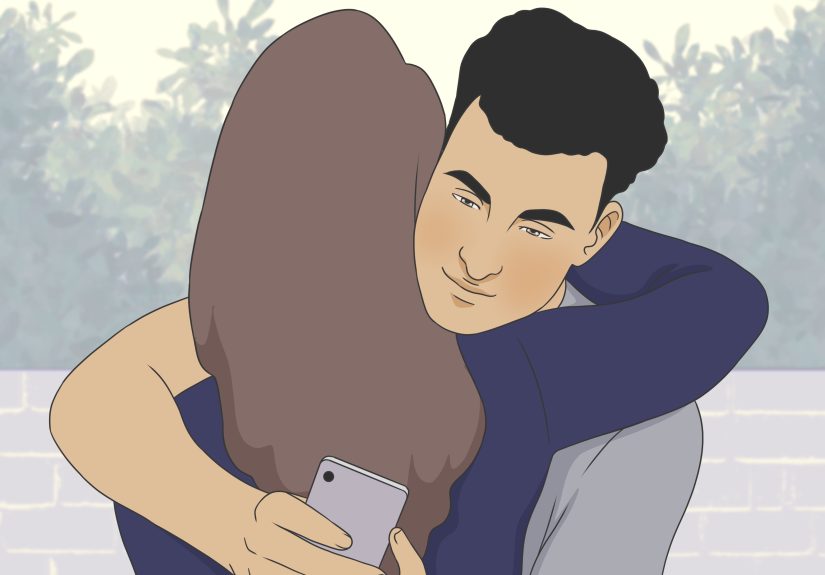
One of the first red flags of narcissistic infidelity is a sudden wave of secrecy. Maybe your partner used to leave their
phone on the counter, screen up, and now it’s glued to their hand like it contains national secrets. They start:
- Changing passwords “for security” but never sharing them with you
- Turning their phone upside down the minute you walk into the room
- Taking calls in other rooms and whispering late at night
- Closing laptop tabs the second you walk by
For a narcissistic cheater, technology is a playground: secret DMs, dating apps “just for fun,” emotional affairs, and
backup options. If any attempt to talk about it is met with defensiveness (“You’re so paranoid”), it’s worth
paying attention.
2. Projection: They Accuse You of Cheating
Narcissists are famous for projectionaccusing you of the very thing they’re doing. A partner with
narcissistic traits might:
- Interrogate you about your coworkers or friends
- Accuse you of flirting when you’re being polite
- Demand to see your phone while hiding theirs
On the surface, it looks like insecurity or jealousy. Underneath, it can be a diversion: if you’re busy defending yourself,
you’re less likely to notice their own suspicious behavior. It also lets them justify their cheating to themselves
(“Well, you’re probably doing it too”).
3. Love Bombing, Then Sudden Emotional Distance
Many partners describe a cycle that starts with love bombingintense affection, constant messages, gifts,
and big romantic gestures. You’re made to feel like you’re the center of their universe.
Then, when they start cheating or lining up “backup supply,” things shift. You may notice:
- Less interest in your day, your feelings, or your needs
- Sex suddenly disappears or becomes mechanical and detached
- They’re “too busy” for quality time but always have energy for their phone
The contrast between intense idealization and cold distance is classic in narcissistic relationships. When someone else is
getting the love-bombing phase, you may get the devaluation phase.
4. Triangulation: The Constant Third Person in the Room
Triangulation is when a narcissistic partner regularly brings a third person into the dynamicemotionally,
romantically, or sociallyto create jealousy, competition, or control. That third person might be:
- An ex they “just stayed friends” with
- A coworker they praise constantly
- Someone from the gym or a hobby group they always mention
They might compare you to this person, talk about how “understood” they feel by them, or involve them in conflicts by
sharing your private issues. Triangulation keeps you off balance and reminds you that you’re “replaceable,” which can make
it easier for them to justify cheating or overlapping relationships.
5. Playing the Victim to Excuse Their Behavior
When confronted with evidence of cheating, a narcissistic partner rarely says, “You’re right, I messed up.” Instead, they
slip into professional victim mode:
- “You’ve been so cold lately, what did you expect me to do?”
- “I was lonely. You’re always working.”
- “If you really loved me, you would understand why I needed this.”
Covert narcissists especially may frame themselves as misunderstood, neglected, or emotionally abused to rationalize their
infidelity. You end up comforting the person who betrayed you, and they avoid taking real responsibility.
6. Chronic Micro-Cheating and Boundary Testing
Narcissistic cheating doesn’t always start with a dramatic affair. Often, it begins with micro-cheatingsmall,
boundary-crossing behaviors they insist are “no big deal,” such as:
- Flirty messages with “just friends” that feel off to you
- Keeping exes and potential options on standby in their DMs
- Sharing intimate details about your relationship with outsiders
- Staying on dating apps “for the ego boost”
These behaviors often serve as test balloons: if you object and they can talk you out of your feelings, they learn they can
push the line further. For a narcissist, micro-cheating can be both a source of attention and a stepping stone to more overt
infidelity.
7. Increased Cruelty and Devaluation When You Ask Questions
Ironically, the closer you get to the truth, the worse they may treat you. When narcissistic partners cheat, they often
respond to suspicion with cruelty and devaluation:
- Mocking your “trust issues” or “crazy imagination”
- Calling you clingy, insecure, or controlling
- Using insults, silent treatment, or rage when you raise concerns
This serves two purposes: it punishes you for getting close to the truth, and it trains you to stay quiet next time. Over
time, you may stop asking questions altogether to avoid the emotional backlash, which gives them even more room to cheat.
8. Moving the Goalposts and Rewriting History
Narcissistic cheaters are world-class story editors. When confronted, they may:
- Change their story every time you bring up the same event
- Deny things they clearly said or did (“I never said that”)
- Minimize what happened (“We were just talking, relax”)
- Blame you for “overreacting” instead of addressing the behavior
This constant rewriting of reality is classic gaslighting. You start to question your memory (“Maybe I am
misremembering”) instead of trusting your own observations and feelings about their behavior.
9. No Genuine RemorseOnly Damage Control
After cheating, a partner with narcissistic traits might look remorseful on the surfacebut watch closely. Are they sad
about hurting you, or just upset about the consequences for them?
Common signs of narcissistic “non-apologies” include:
- “I’m sorry you feel that way” instead of “I’m sorry I did that”
- Being more worried about their reputation than your pain
- Expecting instant forgiveness because they said “sorry” once
- Doing the bare minimum to calm you down, then going back to the same patterns
Genuine accountability looks like consistent behavior change, transparency, and empathy. Narcissistic cheating patterns
usually stop at damage controljust enough to keep their benefits (and you) in place.
10. Fast Relationship Recycling and Overlapping Partners
Narcissistic cheaters often struggle to be alone. They crave validation, admiration, and a steady stream of attention.
That’s why you might see:
- New relationships starting suspiciously fast after a breakup
- Evidence they were talking to the “new person” long before your relationship ended
- Overlapping emotional or physical affairs with multiple people
They may insist the new relationship “just happened” or that they “fell in love quickly,” but in reality, they’ve often been
grooming their next source of supply while still with you. This recycling keeps their ego fed and avoids the discomfort of
facing themselves.
How to Protect Yourself if These Patterns Feel Familiar
If you’re reading this and mentally checking off half the list, take a deep breath. Feeling confused, angry, or ashamed is
normalbut the shame does not belong to you.
Here are some steps that can help you regain clarity and control:
-
Trust your intuition. If your gut says something is wrong, don’t ignore it just because there’s no
“perfect” proof yet. -
Document what you notice. Writing down dates, behaviors, and conversations can help you see patterns
that get blurred in emotional arguments. -
Stop over-explaining. You don’t have to argue someone into admitting the truth. Set boundaries based on
their behavior, not their explanations. -
Reach out for support. Talk to trusted friends, a therapist, or a support group that understands
narcissistic abuse and infidelity dynamics. -
Consider your safety. If your partner reacts with rage, threats, or controlling behavior, your emotional
and physical safety are the priority. In some cases, it’s wise to quietly plan your exit with professional guidance.
You deserve a relationship where honesty is the norm, not a rare event. If someone consistently lies, cheats, and rewrites
history, you’re allowed to decide that you’re done with the emotional gymnastics.
Real-Life Experiences: What These Patterns Can Feel Like Up Close
To really understand narcissist cheating patterns, it helps to zoom in on what they feel like in day-to-day life. While
everyone’s situation is unique, many people share eerily similar experiences when they look back on a relationship with a
narcissistic cheater.
At first, things may feel like a fairy tale. Your partner texts all day, remembers tiny details you mentioned once, and
talks about the future at lightning speed. Friends tell you it’s “too fast,” but it feels like destiny. This is the
idealization phaseheavy love bombing, inside jokes, surprise dates, and lots of “I’ve never felt this way before.”
Then, tiny cracks start to show. One night you see flirty messages pop up on their phone. When you ask about it, they laugh
it off. “We’re just joking. You’re so sensitive.” You tell yourself not to be jealous. After all, they say you’re
the only one who really understands them.
Over time, you notice patterns. They’re “working late” more often, but somehow always active on social media. You see new
names liking every post. They start comparing you to someone else: “She really gets my sense of humor” or
“He listens when I talk about my goals.” You feel a knot in your stomach but can’t quite prove anything.
When you try to talk about it, the conversation flips. Suddenly, you are the problem. You’re accused of snooping,
being paranoid, or “trying to control” them. Maybe they bring up times you made a small mistake months ago and use that to
justify their secrecy now. You leave the argument wondering how you became the villain in a story you didn’t write.
In some relationships, the truth eventually spills outmaybe through a message you weren’t meant to see, a friend who slips,
or a social media tag that exposes a “business trip” that wasn’t. For a moment, everything makes sense. Then the gaslighting
kicks in: they say it was “just talking,” “only once,” or that you “drove them to it” by not being supportive enough.
People who’ve been through this often describe feeling like they lost themselves. They stopped trusting their own judgment,
second-guessed every reaction, and put enormous effort into “fixing” the relationshipreading self-help, being more
understanding, being less emotionalwhile their partner did little more than offer temporary promises.
Healing from this kind of experience usually involves slowly rewiring how you see yourself. That can mean learning to:
- Believe your own memories and perceptions again
- Recognize manipulation tactics as red flags, not as normal conflict
- Set boundaries around what is and isn’t acceptable behavior
- Imagine a future where calm, honesty, and mutual respect are your defaultnot chaos
Many survivors of narcissistic cheating say that the turning point wasn’t the moment they caught their partner cheatingit
was the moment they realized they deserved more than a relationship that constantly made them feel anxious and not enough.
That realization doesn’t make the pain disappear, but it does open the door to something better: relationships grounded in
integrity, safety, and genuine care.
Final Thoughts: You’re Not Crazy, and You’re Not Alone
Narcissist cheating patterns can leave you feeling like you’re living in a psychological fun house: nothing is quite what it
seems, and every mirror is warped. If your partner’s behavior has you questioning your worth, your memory, or your sanity,
that’s a sign something is deeply wrongwith the dynamic, not with you.
You deserve honesty, empathy, and mutual respect. Whether you choose to stay, set firmer boundaries, seek counseling, or
leave, your feelings are valid. You are allowed to trust your intuition, protect your peace, and walk away from anyone who
repeatedly betrays your trustno matter how charming, intense, or convincing they might be.