Table of Contents >> Show >> Hide
- Why Low-Calorie Casseroles Deserve a Spot on Your Table
- 1. Veggie-Packed Egg & Potato Breakfast Bake
- 2. Lean Chicken & Broccoli Brown Rice Casserole
- 3. Turkey Taco Zucchini Casserole
- 4. Spaghetti Squash "Lasagna" Casserole
- 5. Mediterranean Chickpea, Spinach & Feta Bake
- 6. Lightened-Up Tuna Noodle & Veggie Casserole
- 7. Fluffy Sweet Potato Casserole with Crunchy Seed Topping
- 8. Turkey Sausage, Kale & White Bean Skillet Bake
- 9. Cauliflower "Mac" and Cheese Casserole
- 10. One-Pan Southwest Quinoa & Chicken Casserole
- How to Keep Any Casserole Low in Calories
- Real-Life Experiences with Low-Calorie Casseroles
Comfort food and weight management usually sound like they live on different planets.
Yet healthy, low-calorie casserole recipes prove you can have melty, bubbly goodness
without blowing your daily calorie budget. By focusing on lean protein, mountains of
vegetables, smart carbs, and lighter dairy, you can build casseroles that feel indulgent
while still fitting neatly into a healthy eating plan.
Below are 10 healthy casserole ideas that keep calories in check (generally around
250–450 calories per serving, depending on your portions and add-ons) while still being
filling and crowd-pleasing. Consider these as flexible blueprints: you can swap proteins,
veggies, and seasonings to match what you have on hand, your dietary needs, and whatever
mood your taste buds are in tonight.
Why Low-Calorie Casseroles Deserve a Spot on Your Table
Traditional casseroles usually lean hard on refined starches, heavy cream, butter, and
mountains of cheese. Tasty? Absolutely. Waistline-friendly? Not so much. Health experts
often recommend lightening casseroles by using lean proteins (like skinless chicken
breast or turkey), high-fiber vegetables, whole grains, and smaller amounts of cheese
and oils. These tweaks lower calories and saturated fat while boosting fiber, vitamins,
and minerals, helping support heart health, blood sugar balance, and weight management.
The good news: you still get all the cozy, “someone loves me” energy that casseroles
bring to the table, just with smarter ingredients and better portion control.
1. Veggie-Packed Egg & Potato Breakfast Bake
Think of this as the brunch casserole that will not derail your day before it begins.
You combine eggs (or mostly egg whites), a modest amount of diced potatoes, and a big
pile of colorful vegetables like bell peppers, onions, spinach, and broccoli. A sprinkle
of shredded cheese on top adds flavor without turning the dish into a cheese brick.
Why It's Low in Calories
- Egg whites and whole eggs give protein with fewer calories than cream-based mixtures.
- Non-starchy vegetables add bulk and fiber with very little energy density.
- Lightly spraying the baking dish and limiting cheese keeps total fat in check.
This casserole typically lands around 250–300 calories per serving, making it great
for breakfast, lunch, or a “breakfast for dinner” situation. Pair it with fruit or a
side salad and you're set.
2. Lean Chicken & Broccoli Brown Rice Casserole
Classic chicken and rice casserole often hides a lot of calories in condensed soup and
butter. A lighter version uses cooked brown rice, steamed broccoli, and diced,
skinless chicken breast, all bound together with a homemade sauce based on low-sodium
broth and a bit of low-fat milk or plain Greek yogurt instead of heavy cream.
How to Keep It Slim
- Swap white rice for brown rice or another whole grain for extra fiber and staying power.
- Use broth thickened with a little flour or cornstarch instead of canned creamy soups.
- Top with a modest amount of sharp cheddar or Parmesan; strong-flavored cheese means you can use less.
With these swaps, you still get a creamy, comforting baking dish that usually stays in
the 300–400 calorie-per-serving range, depending on your portion size.
3. Turkey Taco Zucchini Casserole
If you love Tex-Mex flavors, this low-calorie taco casserole is a keeper. Ground turkey
(or very lean ground beef) is browned with onions, garlic, tomatoes, and taco spices,
then layered with thin slices of zucchini instead of tortillas. A small handful of
cheese and maybe a few crushed tortilla chips on top bring the “taco night” vibes
without a mountain of calories.
Low-Calorie Tricks
- Use 93–99% lean ground turkey or beef to cut down on saturated fat.
- Replace most tortillas with zucchini slices or other veggies to reduce refined carbs.
- Rely on spices (cumin, chili powder, smoked paprika) for bold flavor rather than heavy cheese.
Add chopped lettuce, tomatoes, and a spoonful of salsa after baking to make each serving
feel huge and fresh, all while staying relatively low in calories.
4. Spaghetti Squash "Lasagna" Casserole
Lasagna is legendary comfort food, but the combo of pasta, meat, and cheese can be
extremely energy-dense. Using spaghetti squash in place of pasta noodles dramatically
cuts calories and ups the veggie quotient. Layer roasted spaghetti squash strands with
a lean meat sauce (ground turkey or extra-lean beef and crushed tomatoes) and a cottage
cheese or part-skim ricotta mixture, topped with a light sprinkle of mozzarella.
Why It Works
- Spaghetti squash is high in volume and fiber but low in calories, helping you feel full.
- Tomato-based sauces with lean meat pack flavor and protein, not cream.
- Using part-skim cheeses keeps fat and calorie counts lower.
Many people report this dish satisfies their lasagna cravings for roughly half the
calories of a traditional slice.
5. Mediterranean Chickpea, Spinach & Feta Bake
This vegetarian casserole leans into Mediterranean flavors. Chickpeas, spinach,
tomatoes, onions, garlic, and herbs are baked with a small amount of crumbled feta and
maybe a spoonful of Greek yogurt or light cream cheese to create a creamy, tangy
mixture. A sprinkle of lemon zest at the end wakes everything up.
Nutrition Highlights
- Chickpeas provide plant-based protein and fiber for long-lasting fullness.
- Spinach and tomatoes add antioxidants, vitamins, and color.
- A little feta goes a long way because it's salty and flavorful, so you don't need much.
Serve this with a side of roasted vegetables or a small whole-grain pita for a
satisfying meal that doesn't feel like “diet food” at all.
6. Lightened-Up Tuna Noodle & Veggie Casserole
Old-school tuna noodle casserole often relies on canned cream soup and lots of cheese.
A healthier version uses whole-wheat egg noodles or another whole-grain pasta, canned
tuna packed in water, a rainbow of vegetables (peas, carrots, celery, mushrooms), and a
homemade white sauce made with low-fat milk and a bit of olive oil.
How to Make It Lighter
- Use tuna in water instead of oil to reduce excess fat.
- Skip heavy cream and make a simple roux with olive oil and flour, whisked into low-fat milk.
- Top with a small amount of breadcrumbs mixed with Parmesan for crunch and flavor instead of a thick cheese cap.
With all the protein, this dish can be surprisingly filling for a relatively modest
calorie count, especially paired with a large salad.
7. Fluffy Sweet Potato Casserole with Crunchy Seed Topping
Sweet potato casseroles are often dessert in disguise, loaded with butter, sugar, and
marshmallows. A lighter approach keeps the natural sweetness of canned or fresh sweet
potatoes but uses just a touch of maple syrup, warm spices, and whipped egg whites to
create a fluffy texture. Instead of sugary streusel, you top it with a mixture of
pumpkin seeds, a bit of flour, and a drizzle of maple syrup.
Healthier Dessert or Side
- Sweet potatoes are rich in fiber and beta carotene, supporting eye and immune health.
- Egg whites boost protein and structure without adding many calories.
- Nuts and seeds provide healthy fats, so you can skip most of the butter.
Enjoy a small square as a side dish with roast chicken or as a not-over-the-top dessert
with a dollop of Greek yogurt.
8. Turkey Sausage, Kale & White Bean Skillet Bake
This casserole lives in that “is it stew, is it bake, who cares, it's delicious”
category. Start with lean turkey sausage (or chicken sausage), sauté with onions,
garlic, and plenty of chopped kale. Add canned white beans, crushed tomatoes, and
Italian herbs. Transfer to a baking dish or leave it in an oven-safe skillet and top
with a thin layer of mozzarella or part-skim provolone, then bake until bubbly.
What Makes It Healthy
- Beans and kale supply fiber, iron, and a range of micronutrients.
- Leaner sausage options cut saturated fat compared with classic pork sausage.
- The mix of protein and fiber helps you feel satisfied on a moderate portion.
This dish is hearty enough for a cold evening but still fits nicely into a calorie-conscious menu.
9. Cauliflower "Mac" and Cheese Casserole
If mac and cheese is your love language, this veggie-forward version lets you say
“I love you” to your taste buds and your health at the same time. Instead of a full
pan of pasta, you roast or steam cauliflower florets and mix them with a smaller amount
of whole-grain macaroni. A light cheese sauce made from sharp cheddar, low-fat milk,
and a bit of Dijon mustard coats everything.
Smart Swaps
- Cauliflower replaces most of the pasta, lowering calorie density and adding fiber.
- Using sharp cheddar means you can use less cheese for the same cheesy punch.
- Baking until the top is slightly crisp gives that classic mac-and-cheese vibe.
Serve this as a main dish with a simple green salad, or as a side when you want comfort
without a heavy food coma.
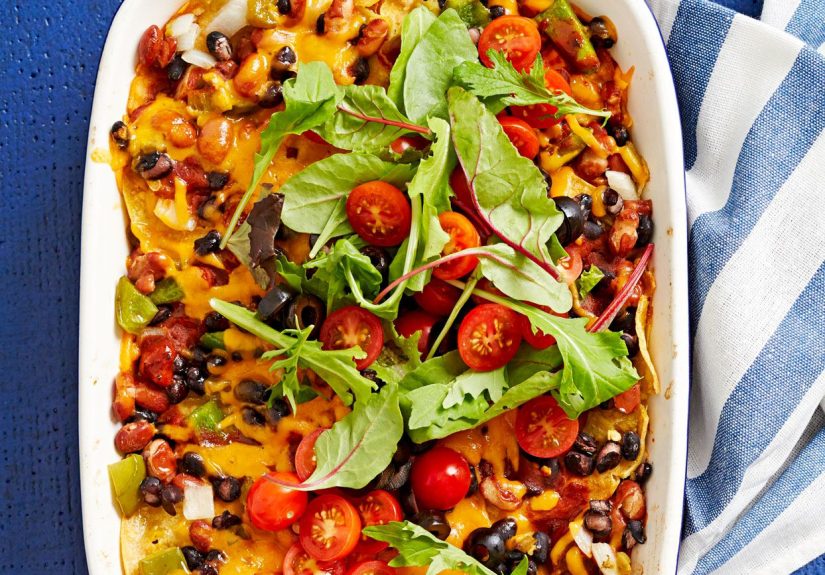
10. One-Pan Southwest Quinoa & Chicken Casserole
This casserole brings together quinoa, black beans, corn, tomatoes, diced chicken
breast, and a simple blend of spices like cumin, chili powder, and oregano. Everything
simmers together so the quinoa absorbs the seasoned broth, then it bakes with a light
sprinkle of cheese on top.
Balanced and Meal-Prep Friendly
- Quinoa adds complete protein and fiber, making the dish especially filling.
- Black beans and veggies layer in additional nutrients and texture.
- Leftovers hold up well, making this an excellent make-ahead lunch option.
Spoon into bowls, top with avocado slices or a spoonful of plain Greek yogurt, and
you've got a bowl that feels like burrito night in casserole form.
How to Keep Any Casserole Low in Calories
Once you understand the basic strategy behind healthy casserole recipes, you can
makeover family favorites without sacrificing flavor. Here are key principles:
1. Load Up on Vegetables
Vegetables are your best friends in low-calorie casseroles. They add color, texture,
fiber, and volume with very few calories. Try trading half your pasta, rice, or
potatoes for options like cauliflower, broccoli, zucchini, carrots, bell peppers,
spinach, or mushrooms.
2. Choose Lean Protein
Opt for skinless chicken breast, turkey, lean ground meat, beans, lentils, or tofu
instead of high-fat sausage and fatty cuts of beef. You get the protein that helps
you feel full, without loading the dish with saturated fat.
3. Lighten the Sauce
Instead of relying on canned cream soups or heavy cream, build your own lighter sauce
using low-sodium broth, low-fat milk, or unsweetened plant-based milk. Thicken with a
small amount of flour or cornstarch and add flavor with garlic, onions, herbs, and
spices rather than extra butter.
4. Use Cheese Strategically
You do not have to give up cheese. Just use it like a powerful seasoning rather than
the main event. Strong-flavored cheeses (sharp cheddar, Parmesan, feta, goat cheese)
deliver big taste in small amounts. Grate it finely and sprinkle on top instead of
layering thick slices throughout.
5. Watch Portions and Add-Ons
A casserole can be low in calories per serving, but only if your serving size is
reasonable. Fill half your plate with vegetables or a side salad, keep casserole
servings modest, and go easy on extras like sour cream, buttery rolls, and dessert,
especially if you're monitoring your total daily calories.
Real-Life Experiences with Low-Calorie Casseroles
It is one thing to read about healthy casseroles and another to actually live with
them in your weekly routine. Here are some common real-world experiences and lessons
that tend to pop up once people make low-calorie casseroles a habit.
Weeknight Sanity Saver
Many home cooks find that prepping a healthy casserole on Sunday saves their sanity
all week. Having a pan of chicken and broccoli bake or a quinoa and bean casserole in
the fridge means that on Tuesday night, when you're tired and vaguely annoyed at
your inbox, dinner is basically “reheat and eat.” It reduces the temptation to grab
fast food, which usually means more calories and less nutrition at a higher price.
People often notice that these lighter casseroles actually feel better afterwards, too:
they are comfortably full but not stuffed, energized instead of sleepy. That feeling
alone can be a big motivator to keep cooking this way.
Meal Prep and Leftover Magic
Casseroles are naturally meal-prep friendly. Most of the dishes listed above hold up
well in the refrigerator for several days, and many freeze beautifully. Some people
like to bake in two smaller pans instead of one big one: eat one this week, freeze the
other for a busy week down the road.
Leftovers are also incredibly versatile. A square of veggie egg bake can become a
breakfast sandwich when tucked into a whole-grain English muffin. A scoop of turkey
taco casserole can be rolled in a high-fiber tortilla for lunch. A serving of
Mediterranean chickpea bake can be piled over greens and eaten as a warm salad. When
you think of casseroles as “ingredients” instead of just “dinner,” your options expand.
Family Reactions (Yes, Even Picky Eaters)
One common worry is that kids or picky partners will detect any attempt to make a dish
healthier and stage a minor dinnertime revolt. In practice, small gradual changes often
go over surprisingly well. For example, replacing half the pasta with cauliflower in
a “mac” and cheese casserole may not even be noticed once everything's coated in
a tasty sauce. Using bold flavors (garlic, herbs, spices, a little bacon crumble on
top) also makes a big difference.
Many families find two or three “house casseroles” that everyone likes. Once those are
accepted, it becomes easier to rotate in new variationsmaybe swapping broccoli for
spinach, or trading chicken for beans to do a vegetarian night.
Common Mistakes and Easy Fixes
A few hiccups are normal when you first start lightening recipes:
- Casserole is too dry: Next time, increase broth or sauce slightly, or cover the dish with foil for part of the baking time.
- Flavor is flat: Add more herbs, spices, garlic, onion, or a splash of acid (lemon juice or vinegar) instead of extra butter or cheese.
- Texture feels "too healthy": Mix texturesadd something creamy (Greek yogurt or a bit of cheese) and something crunchy (a light sprinkle of whole-wheat breadcrumbs or seeds) on top.
Over time, your taste buds adjust. Rich, heavy dishes that used to be everyday staples
start to feel like occasional treats, and the lighter versions become the new normal.
How These Casseroles Fit Into a Bigger Health Journey
Low-calorie casseroles are just one piece of the puzzle, but they are a powerful one.
They make it easier to get lean protein, fiber, and vegetables in a single dish. They
simplify your weekly routine, support portion control, and reduce decision fatigueno
small thing when you're trying to eat well in a busy life. Pair these recipes with
other healthy habits like walking regularly, drinking enough water, and getting decent
sleep, and you'll build a foundation that's far more sustainable than any
crash diet.
Most importantly, low-calorie casseroles prove that healthy food can still taste like
comfort. You do not have to choose between “good for you” and “actually delicious.”
With a few smart swaps and a bit of planning, you can have bothserved piping hot in a
baking dish.