Table of Contents >> Show >> Hide
- Why Modern Wood Dining Furniture Still Wins
- 10 Easy Pieces
- 1. West Elm Anton Solid Wood Dining Table
- 2. CB2 Blox Rectangular Brown Wood Dining Table
- 3. Article Seno Walnut Dining Table
- 4. CB2 Providence Cerused Oak Dining Table
- 5. Crate & Barrel Basque Solid Wood Dining Bench
- 6. Crate & Barrel Yukon Live-Edge Wood Dining Bench
- 7. West Elm Anton Solid Wood Dining Bench
- 8. Crate & Barrel Terra White Oak Dining Bench
- 9. Crate & Barrel Pali Black Wood Dining Bench
- 10. Design Within Reach Matera Dining Bench
- How to Choose the Right Modern Wood Dining Table and Bench
- What Real Homes Teach You About Wood Dining Furniture
- Conclusion
If the kitchen is the heart of the home, the dining table is where that heart gets dramatic, spills olive oil, and debates whether anyone really needs a fourth kind of mustard. And that is exactly why modern wood dining tables and benches still have such staying power. They are practical, warm, durable, and forgiving in a way glass, lacquer, and ultra-trendy finishes often are not. A good wood table can survive homework, holiday feasts, awkward first dinners with the in-laws, and the occasional coffee ring from someone who absolutely ignored the coaster sitting right there.
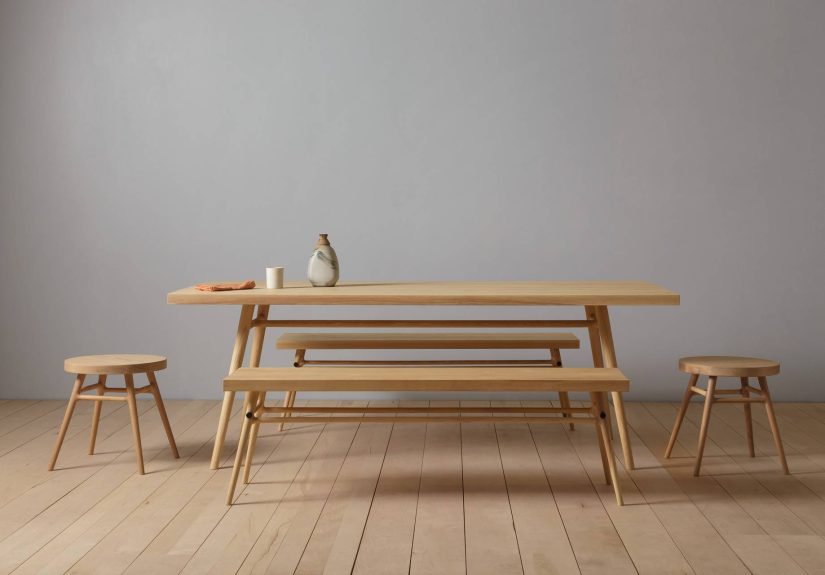
What makes today’s best pieces especially appealing is the balance they strike between clean-lined modern design and old-school material honesty. You get white oak, walnut, mango, and acacia working hard in silhouettes that feel tailored instead of stuffy. Benches are back in a big way too, partly because they save space and partly because they make a room feel more relaxed. Chairs say, “Please sit properly.” A bench says, “Scoot over, we made extra pasta.”
Below, we take a close look at ten standout modern wood dining tables and benches inspired by what leading U.S. retailers and design brands are selling right now. Some lean midcentury, some veer rustic-modern, and some flirt shamelessly with sculptural minimalism. Together, they show why wood dining furniture remains one of the smartest upgrades you can make in a dining room, breakfast nook, or open-plan kitchen.
Why Modern Wood Dining Furniture Still Wins
Wood brings texture, visual warmth, and a sense of permanence that synthetic materials struggle to fake. It also ages with more grace than many trendy surfaces. A scratch on a solid wood table can read like character; a scratch on a glossy laminate top often reads like heartbreak. Modern wood dining tables are especially attractive because designers are pairing natural grain with disciplined forms: softened corners, inset legs, rounded aprons, trestle bases, and sculptural profiles that feel fresh without trying too hard.
The current market also shows a healthy variety of species and finishes. White oak remains a favorite because it feels light, natural, and quietly architectural. Walnut keeps its crown for anyone who wants richer color and classic midcentury appeal. Mango wood has become popular for its visible grain and approachable pricing, while acacia and cerused oak offer more dramatic texture. In practical terms, wood remains a smart choice when you want something that can be maintained, refinished, and actually lived with over time.
10 Easy Pieces
1. West Elm Anton Solid Wood Dining Table
The Anton table is a great example of how modern shoppers want their dining furniture to behave: substantial but not bulky, rustic but not “barn wedding in 2014,” and versatile enough to work in both a suburban dining room and an apartment with ambitions. Crafted from solid mango wood and offered in multiple lengths, it updates the farmhouse table formula with cleaner lines and a more polished attitude. The grain is the star, while the silhouette stays calm and collected. Think of it as the table equivalent of someone who owns linen napkins but also orders takeout twice a week.
2. CB2 Blox Rectangular Brown Wood Dining Table
The Blox table brings geometry into the conversation. Its solid mango planks, inset legs, and directional woodgrain give it a more design-forward look than your average rectangular table. This is the table for people who want a functional surface but still enjoy hearing guests say, “Wait, where did you get that?” It works beautifully in smaller urban spaces because the proportions feel compact, yet the visual impact is strong. It proves that a modern wood dining table does not need ornate joinery or a live-edge profile to feel memorable.
3. Article Seno Walnut Dining Table
If you want a piece that says midcentury modern without shouting it through a vintage megaphone, the Seno is a strong contender. The walnut finish gives it that darker, richer tone many homeowners crave when light oak starts to feel too beachy. Its profile is restrained, elegant, and easy to style with black chairs, leather seating, or a soft neutral rug. This is one of those tables that plays nicely with nearly everything, which is useful because dining rooms are often style crossroads: part kitchen, part living zone, part “where did I leave my laptop?” command center.
4. CB2 Providence Cerused Oak Dining Table
The Providence table leans a little more refined. Cerused oak highlights the grain, while the clean lines, rounded edges, and fluted apron details give it a subtle vintage-French mood without losing its modern footing. For households that want wood to feel elegant rather than rustic, this is the sweet spot. It has enough presence to anchor a formal dining room, but it does not look like it is waiting for a butler. In other words, it is polished, but still human.
5. Crate & Barrel Basque Solid Wood Dining Bench
The Basque bench shows why simple forms still matter. Handcrafted from sustainable solid mango wood with hand-planed planks, it has the kind of weight and texture that makes a room feel grounded. Benches like this are excellent for casual family dining, especially in compact spaces where tucking seating under the table can free up the floor. It is also a reminder that a wood dining bench does not need a backrest or upholstery to be visually rich. Sometimes all it needs is honest material and good proportions.
6. Crate & Barrel Yukon Live-Edge Wood Dining Bench
For anyone who likes their modern dining room with a little swagger, the Yukon bench is hard to ignore. The live-edge acacia slab offers movement, knots, and natural variation, while matte black steel legs keep the look contemporary. This is a useful lesson in design contrast: organic top, industrial base, modern result. It is the bench version of wearing hiking boots with a tailored coat and somehow pulling it off. Used with a cleaner-lined table, it can soften a room that risks feeling too controlled.
7. West Elm Anton Solid Wood Dining Bench
The Anton bench pairs naturally with the Anton table, but it also works on its own as a flexible piece for the dining room, mudroom, or hallway. Built from solid mango wood, it carries the same easygoing modern-farmhouse energy as the table, minus any unnecessary fuss. Matching table-and-bench sets can sometimes feel too coordinated, but in this case the consistency of wood tone and line gives the room a calm, deliberate rhythm. For busy households, that kind of visual order is no small gift.
8. Crate & Barrel Terra White Oak Dining Bench
The Terra bench is for wood lovers who want the grain to do the talking. Made from solid white oak with a natural hand-applied finish, it embraces tonal variation, knots, checking, and visible end grain. These details give it a more organic, tactile personality than smoother, more uniform pieces. In a room full of straight lines and painted surfaces, a bench like Terra adds warmth without adding clutter. It feels natural, sturdy, and quietly handsome, like the furniture equivalent of someone who can sharpen knives and arrange flowers.
9. Crate & Barrel Pali Black Wood Dining Bench
The Pali bench is one of the more interesting hybrids in the current market. It combines Windsor and Scandinavian influences, then finishes the whole thing in an ebonized black tone that makes the silhouette pop. The spindle back and sculpted seat add comfort and character, while the tapered legs keep it light on its feet. For homeowners who want a bench but worry that bench seating can look too plain, Pali is the answer. It has personality without becoming costume furniture.
10. Design Within Reach Matera Dining Bench
The Matera bench lands on the more refined end of the spectrum, with a solid wood frame, beveled edges, slotted mortise-and-tenon corner joints, and an upholstered seat. It is a terrific example of how a bench can feel architectural and comfortable at the same time. In many dining rooms, especially ones used for longer meals or work-from-home overflow, that comfort matters. A beautifully made bench with a softer seat can bridge the gap between strict minimalism and actual human behavior, which includes lingering, slouching, and occasionally pretending a second dessert is a form of emotional resilience.
How to Choose the Right Modern Wood Dining Table and Bench
Start with clearance. One of the most common mistakes is buying a beautiful table that leaves the room feeling like an obstacle course. As a rule, aim for about 36 to 44 inches between the table and the wall so people can move comfortably. If a sideboard or buffet is involved, more breathing room is even better.
Think in inches per person. A practical guideline is roughly 18 to 24 inches of width per diner. That helps you figure out whether a six-person table really seats six, or whether it technically seats six in the same way an airplane row technically has legroom.
Match table height and seat height. Standard dining tables are usually around 28 to 30 inches high, while standard seating is around 18 inches high. If you are using a banquette or cushioned bench, leave enough space for knees and movement so diners do not feel wedged into dinner.
Use benches where they make sense. Bench seating shines in small spaces because it can tuck beneath the table when not in use. It is also ideal for families, flexible seating plans, and homes where the dining room needs to look less formal and more lived in.
Respect wood movement and finish care. Solid wood expands and contracts with changes in humidity, so a stable indoor environment helps preserve the piece over time. Clean with a soft cloth, wipe spills promptly, use coasters and trivets, and skip harsh or abrasive cleaners that can damage the finish.
Choose species with intention. Oak offers texture and a timeless architectural look. Walnut feels richer and moodier. Maple reads smoother and cleaner. Mango and acacia bring visible variation and warmth. There is no universal winner, only the wood that best suits your room, your budget, and your tolerance for visible grain drama.
What Real Homes Teach You About Wood Dining Furniture
The most revealing thing about modern wood dining tables and benches is that they almost always look better once people actually start using them. In a showroom or on a product page, they are perfectly styled: one ceramic vase, four matching chairs, not a crumb in sight. In real life, the story gets better. The table becomes a project station, a buffet line, a birthday-cake platform, and occasionally the place where someone sits at midnight eating cereal over the sink because adulthood took a strange turn. A wood table can handle that kind of shape-shifting better than most pieces in the house.
One common experience homeowners report is surprise at how much a bench changes the room’s mood. Swapping two side chairs for a wood bench often makes a dining area feel less stiff and more inviting. Children climb onto benches more easily, adults squeeze in when guests multiply, and visually the room feels more open because a bench has less bulk than several chairs. That matters in apartments, breakfast nooks, and open-plan spaces where every inch of visual calm helps.
Another real-world lesson is that wood has emotional range. A pale oak table can make a compact room feel brighter and more relaxed. A darker walnut piece can add richness and gravity to an otherwise plain space. Live-edge or heavily grained furniture can introduce just enough wildness to keep a modern room from feeling over-edited. People often think they are buying a dining table based on dimensions and finish, then realize later that they were really buying atmosphere.
There is also the issue of maintenance, which sounds boring until you have actually owned the wrong surface. Wood asks for some care, yes, but usually not a ridiculous amount. Wipe it down, use trivets, do not let puddles sit around like they pay rent, and avoid harsh cleaners. In return, you get a surface that often develops more charm instead of less. Minor wear tends to blend into the story of the piece. That is one reason wood furniture has remained so beloved: it ages with you rather than punishing you for living.
Then there is comfort. Benches can seem like the “cool” option until you sit on a bad one for an hour and start reconsidering every life choice that brought you there. The better modern benches solve this with sculpted seats, supportive backs, upholstery, or simply better proportions. In practice, the best rooms often mix seating types: bench on one side, chairs on the other, maybe captain’s chairs at the ends. That combination looks relaxed and collected instead of purchased all at once in a panic.
Finally, wood dining furniture teaches patience. Grain varies. Finish tones shift in different light. Some pieces show knots, checking, or subtle color movement over time. At first, buyers sometimes worry those details are imperfections. Later, they are usually the very things people love most. Real wood is not supposed to look stamped out by a machine with performance anxiety. It is supposed to look alive. That is the point.
Conclusion
The best modern wood dining tables and benches strike a rare balance: they are stylish enough for design people, sturdy enough for everyday people, and forgiving enough for people who occasionally forget that pasta sauce can travel. Whether you love the pale clarity of white oak, the richness of walnut, the character of live-edge acacia, or the versatility of solid mango wood, today’s market offers plenty of pieces that feel current without being disposable. Pick the right size, respect the material, and choose a bench only if you actually like the idea of a more casual, flexible dining setup. Do that, and your dining room will not just look better. It will work better too.