Table of Contents >> Show >> Hide
- A quick brick reality check (so your project lasts)
- 1) Clean, classic garden bed edging (that makes mowing easier)
- 2) A raised garden bed or planter border that looks expensive (but isn’t)
- 3) A brick walkway that feels like a storybook garden (even in the suburbs)
- 4) A patio “pad” or broken-brick mosaic for a cozy hangout zone
- 5) A safer, nicer fire pit area (with bricks doing the heavy lifting)
- 6) A DIY pizza-oven base or outdoor cooking station (weekend hero energy)
- 7) A brick bench or seat wall that upgrades your yard instantly (and lasts forever)
- 8) A tidy border for paths made of gravel or mulch (brick as the “frame”)
- 9) A “thermal mass” hack for a cold frame, greenhouse, or garden microclimate
- 10) Indoor brick projects: bookends, doorstops, trivets, and decor that doesn’t try too hard
- Common brick mistakes (and how to avoid the “why is it wobbly?” moment)
- : Real-World Lessons People Learn From Brick Projects
- Wrap-up: your bricks deserve a better destiny than “pile”
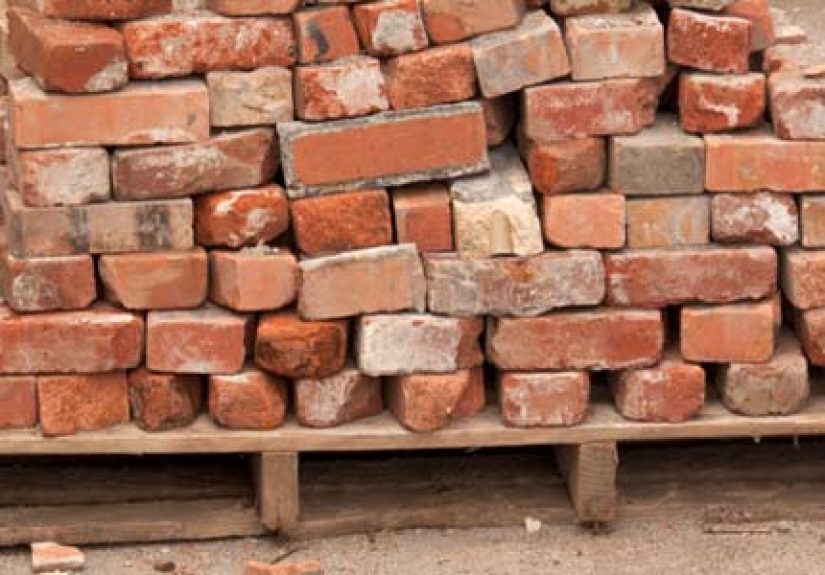
Bricks are the ultimate “leftover” material. They’re sturdy, weather-tough, easy to stack, and somehow manage to look
charming even when they’re chipped and mismatchedlike the jeans you refuse to throw out because they’re “vintage.”
If you’ve got a pile of bricks sitting in the yard (or haunting your garage like a red clay poltergeist), you’re
sitting on a mini DIY goldmine.
Below are 10 creative uses for bricks that go way beyond “stack them in a sad corner.” These ideas blend function
and stylepaths, planters, outdoor cooking projects, and even a few indoor tricksplus practical tips so your work
doesn’t shift, sink, or turn into a tripping hazard that your friends politely pretend not to notice.
A quick brick reality check (so your project lasts)
- Bricks are heavy. Plan for moving them safely (gloves, good shoes, and a pace that won’t wreck your back).
- Reclaimed bricks are charming… and uneven. Expect some thickness variation and chips. That’s not a flawit’s “character.”
- Base prep matters. For anything you walk on (paths, patios), a solid, compacted base beats wishful thinking every time.
- Digging? Think safety first. Before you excavate more than a shallow trench, call your local utility marking service (in the U.S., it’s 811).
- Heat projects need heat-rated materials. Decorative bricks aren’t always safe for direct high heatuse fire-rated brick where appropriate.
1) Clean, classic garden bed edging (that makes mowing easier)
Brick edging is a small change with big visual payoff: it instantly makes beds look “finished,” keeps mulch from
wandering, and creates a crisp line that’s easier to mow along. Bonus: it can work in neat modern landscapes or
cottage-style chaos gardens.
Try these looks
- Flat-lay edging: Bricks laid horizontally like a tidy ribbon.
- Soldier course: Bricks stood upright for height and definition.
- Diagonal “tooth” edge: Bricks angled for an old-world vibe (and a little drama).
Make it last
Set bricks into a shallow trench with a compacted base (often sand or a sand-and-gravel mix) to reduce shifting and
frost heave. Keep the top edge consistent so your mower wheels can glide along without scalp-and-bounce action.
2) A raised garden bed or planter border that looks expensive (but isn’t)
You can use bricks to form the walls of a small raised bed, build a tidy border around a wood-framed bed, or create
a “defined planting zone” around herbs and flowers. Bricks help hold soil in place and make your garden look like it
has its life together.
Best uses
- Herb bed: A knee-high rectangle near the kitchen door is peak practicality.
- Tree ring: A circular or squared border around a mature tree (leave breathing room for roots).
- Corner planter: A short, L-shaped bed that turns an awkward yard corner into a feature.
Pro tip
Dry-stack (no mortar) for quick projects and easy changes. If you want a taller wall, consider a stepped design to
keep it stable and avoid a leaning “brick wave” after the first heavy rain.
3) A brick walkway that feels like a storybook garden (even in the suburbs)
Brick paths are classic for a reason: they’re durable, they age well, and they make even a basic yard feel curated.
A brick walkway is also one of the best ways to reuse reclaimed bricksmismatches can look intentional when the
overall design is consistent.
Patterns that work for real life
- Running bond: Simple, forgiving, great for gentle curves.
- Herringbone: Strong and eye-catchingexcellent for high-traffic areas.
- Basketweave: A little more decorative without being fussy.
What makes it feel “professional”
The secret is the base: excavate enough for a compacted gravel foundation, add a bedding layer (often sand), then
lay bricks and sweep jointing sand into the gaps. Finish with solid edging so the bricks don’t slowly migrate like a
confused marching band.
4) A patio “pad” or broken-brick mosaic for a cozy hangout zone
If you don’t have enough full bricks for a full patio, don’t panicbroken brick can become a gorgeous rustic mosaic.
This style (sometimes called “crazy paving” when mixed with stone) looks especially good in cottage gardens and
relaxed outdoor seating areas.
Where it shines
- Under a bistro set: A small pad = big charm.
- At the end of a path: A “destination” spot for a bench or planter.
- Near a shed: Keeps mud down and makes the area feel intentional.
Design tip
Pick one “rule” so the randomness looks artistic: keep a consistent border, maintain a uniform joint width, or use a
limited color palette. Chaos is funcontrolled chaos is pretty.
5) A safer, nicer fire pit area (with bricks doing the heavy lifting)
Bricks can help define a fire pit zone, protect surrounding ground, and create a clean edge for seating. The key is
using the right materials where flames and high heat are involvedsome bricks are decorative, while fire-rated bricks
are made to handle sustained high temperatures.
Smart ways to use brick here
- Fire pit “pad”: A brick surface under/around a metal fire pit helps reduce scorch marks.
- Perimeter ring: A low brick ring that defines the space (not necessarily the burn chamber).
- Seat wall: A short, sturdy edge that doubles as a perch (with proper base and stability).
Safety note
For a true brick fire pit structure, use a proper fire ring or fire-rated materials and follow local fire codes and
clearance requirements. When in doubt, build brick around a rated insert rather than improvising a direct-flame
brick chamber.
6) A DIY pizza-oven base or outdoor cooking station (weekend hero energy)
If you’ve ever eaten pizza outdoors and thought, “I could live like this,” bricks are your gateway. You can build a
sturdy base for a small pizza oven, create a brick surround for a grill station, or make a heat-resistant prep area
that won’t flinch at hot pans.
Beginner-friendly versions
- Brick oven stand: Build a stable base, then place a pre-made oven on top.
- Grill landing zone: A short brick counter edge beside the grill for tools and trays.
- Heat-proof “parking spot”: A brick-topped surface where hot cast iron can cool without drama.
Make it look intentional
Match the brick color to your home’s exterior accents (or contrast on purpose). Add a simple capstone or paver top
for a finished edge that won’t snag sleeves or elbows.
7) A brick bench or seat wall that upgrades your yard instantly (and lasts forever)
Bricks are basically the “I’m not going anywhere” material. A low brick bench or seat wall can frame a patio, edge a
fire pit area, or create a quiet spot in the garden. It also makes your yard feel designed, not accidental.
Two approachable options
- Short seat wall: A low, straight run along a patio edge (easier than curves).
- Garden bench base: Brick supports with a wood plank seat on top (mix materials for comfort).
Comfort tip
Bricks look great, but they’re not exactly “plush.” Add a wood seat top, outdoor cushions, or a bench pad so people
actually want to sit longer than 45 seconds.
8) A tidy border for paths made of gravel or mulch (brick as the “frame”)
Here’s a clever hybrid: use bricks as the border, then fill the interior path with gravel, decomposed granite, or
mulch. You get structure and definition from the bricks, plus an easy-to-refresh walking surface.
Why it works
- Less brick needed than a full brick walkway.
- Great drainage if you build the base correctly.
- Easy updates: refresh gravel when it compresses or shifts.
Make it feel finished
Set your brick edges at a consistent height and compact the path base before adding gravel. If you want fewer weeds,
use landscape fabric under the gravel (and accept that nature still likes to test your patience).
9) A “thermal mass” hack for a cold frame, greenhouse, or garden microclimate
This one is sneaky-smart. Bricks absorb heat during the day and slowly release it as temperatures drop. That thermal
mass can help moderate temperature swings in a small greenhouse, cold frame, or even a sunny garden bed.
Easy ways to use the idea
- Brick floor in a cold frame: Creates a stable base and adds warmth retention.
- Brick perimeter around tender plants: Helps reduce sudden chill at ground level.
- Brick “heat sinks” in pots: A few bricks near container plants can help buffer temperature shifts.
Where you’ll notice it most
In shoulder seasons (early spring and fall), especially in sunny spots where daytime warmth is plentiful but nights
get chilly.
10) Indoor brick projects: bookends, doorstops, trivets, and decor that doesn’t try too hard
Bricks aren’t just outdoor workhorses. A single brick can become a minimalist bookend, a surprisingly effective
doorstop, or a heat-safe trivet for hot pans. It’s functional decorlike a farmhouse vibe without committing to the
whole “live, laugh, loaf bread” aesthetic.
Quick ideas
- Bookends: Wrap the brick in felt or cork to protect shelves, or paint it for a custom look.
- Doorstop: Add a rope handle or fabric cover so it feels intentional, not like you gave up mid-renovation.
- Trivet: Put cork pads on the bottom and it’s instant heat-safe counter protection.
- Address plaque: Paint house numbers on a brick and place it near the entry or in a garden bed.
Finish tip
If you paint bricks, use an outdoor-rated paint for exterior pieces and seal if needed. For indoor décor, focus on
protecting surfaces: felt, cork, and rubber pads are your best friends.
Common brick mistakes (and how to avoid the “why is it wobbly?” moment)
- Skipping compaction: Loose base material leads to sinking and shifting. Compact in layers, not all at once.
- No edging on paths/patios: Without restraint, bricks drift outward over time. Add edging or a firm border.
- Ignoring drainage: Water needs a place to go. Slope hardscape slightly away from buildings and avoid low spots.
- Assuming all bricks are heat-proof: Use fire-rated materials for high-heat builds and follow safety guidelines.
- Letting weeds win by default: Fill joints properly, maintain edges, and accept that some weeding is the “membership fee” of outdoor projects.
: Real-World Lessons People Learn From Brick Projects
Working with bricks is one of those DIY experiences that’s equal parts satisfying and humbling. The first lesson most
people learn is that bricks have opinionsespecially reclaimed bricks. They don’t always match perfectly, they’re not
always the same thickness, and some arrive with old mortar clinging on like a stubborn barnacle. The trick is to
embrace that variability while setting up a system that keeps the final surface level. Many DIYers sort bricks into
loose groups (thicker, thinner, prettiest faces) before they start laying. It’s not fussyit’s strategic. It also
saves you from the classic “Why does this section look like a tiny staircase?” problem.
Another common “aha” moment: the base is everything. People often expect bricks to behave like patio furnitureset
them down, adjust a bit, done. But outdoor surfaces live in a world of rain, freeze-thaw cycles, soil settling, and
roots doing whatever roots want. A few extra steps (excavating to the right depth, adding compacted gravel, leveling a
bedding layer) can be the difference between a walkway that still looks crisp in five years and one that becomes a
wavy obstacle course by next summer. If you’ve ever walked on a brick path that feels slightly uneven, you’ve met the
consequences of base prep in person.
People also discover that layout planning is sneakily important. A simple trick is to dry-lay a small section before
committingespecially when working with patterns like herringbone or basketweave. Dry-laying helps you catch awkward
cuts, weird gaps, or that moment when you realize your “perfect rectangle” is actually a gentle trapezoid. For garden
edging, a hose or string line is a low-tech lifesaver. It’s much easier to adjust a curve when it’s still a line on
the ground instead of a half-built border that you’re now emotionally attached to.
Then there’s the reality of maintenance. Even well-built brick paths can invite weeds if joints aren’t filled
properly or if debris collects. Most homeowners end up with a simple routine: sweep occasionally, top up joint sand
as needed, and handle tiny weeds early before they become a botanical coup. The good news is that brick projects age
gracefully. Minor imperfections often look “settled” rather than sloppy, and a little patina can make bricks look
better over timelike leather boots, but for your yard.
Finally, there’s the underrated reward: bricks make spaces feel intentional. A few rows of brick edging can transform
a bed from “plants live here” into “this is a garden.” A small brick pad can turn a random corner into a coffee
spot. People finish brick projects and suddenly start noticing their outdoor space differentlynot as a chore, but as
a place they can shape. That’s the real magic: bricks don’t just build paths and borders. They build momentum.
Wrap-up: your bricks deserve a better destiny than “pile”
Whether you’re edging a garden bed, laying a charming walkway, building a cozy fire pit zone, or turning a single
brick into a doorstop with design credibility, bricks are one of the most versatile DIY materials around. Start
small if you wantone clean border can change the whole vibethen work your way up to bigger weekend projects when
you’re ready.