Table of Contents >> Show >> Hide
- Before You Cover Anything: A 5-Minute Reality Check
- 10 Countertop Cover Options You Can DIY
- 1) Peel-and-Stick Countertop Film (Thicker Vinyl Wrap)
- 2) Classic Contact Paper (Ultra-Budget, Ultra-Temporary)
- 3) Peel-and-Stick Tile Sheets (Vinyl, Metal, or Composite)
- 4) Real Ceramic or Porcelain Tile Over a Stable Underlayment
- 5) Countertop Paint Kits (Faux Granite, Marble, or Butcher Block Looks)
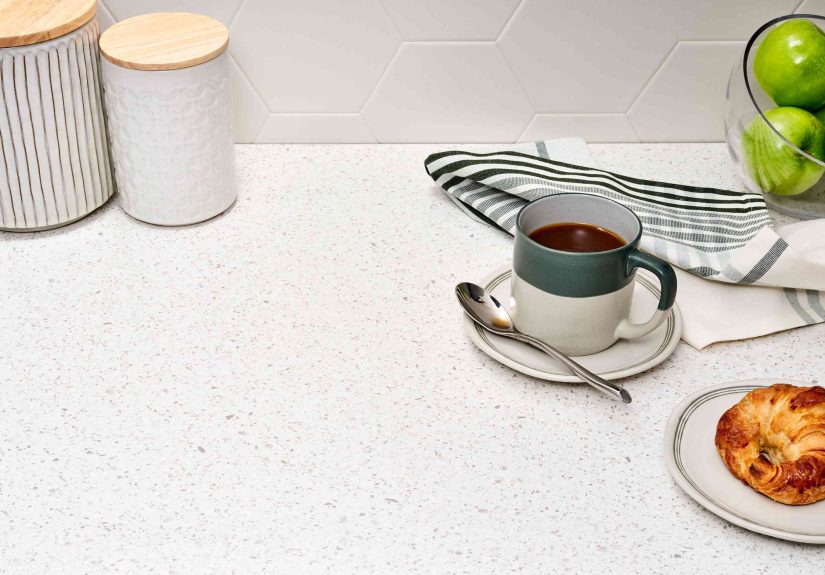
- 6) Roll-On Stone/“Mineral” Coatings (Textured, Speckled, Stone-Like Finishes)
- 7) Two-Step Countertop Coating Kits (Base Coat + Top Coat Systems)
- 8) Countertop Refinishing Kits with Decorative Chips (Composite “Stone” Look)
- 9) Poured Epoxy Resin Coating (Glossy, “Bar Top” Drama)
- 10) Skim-Coat Concrete (or Microcement-Style) Overlay
- How to Choose the Right Countertop Cover (Without Regret)
- Common Mistakes That Make Countertop Covers Fail Early
- DIY Experience Notes (About ): What Homeowners Learn the Hard Way
- Conclusion
Your countertops are the stage where life happens: coffee spills, science projects disguised as “baking,” and that one onion you swear you didn’t cut directly on the surface (we believe you). If your counters look tired but your budget says “absolutely not” to a full replacement, a countertop cover can be a smart middle ground. The trick is picking an option that matches how you actually livebecause the world’s prettiest faux marble wrap won’t survive if your kitchen runs like a 24/7 diner.
This guide breaks down 10 countertop cover options you can try at home, with real pros/cons, realistic expectations, and a few gentle reminders like: yes, you still need a trivet. No, your countertop is not a cast-iron skillet.
Before You Cover Anything: A 5-Minute Reality Check
Most DIY countertop makeovers succeed or fail in the prep stage. Before you buy anything shiny, do a quick inspection:
- Is the base countertop solid? If the substrate is swollen (common around sinks) or the laminate is peeling, coverings may telegraph the damageor fail fast.
- Where does heat happen? If you regularly set hot pans near the stove, choose a more heat-tolerant solution (tile, concrete, or a properly cured coating) and still use trivets.
- Is water a constant? Kitchens and bathrooms are wet zones. Seams and edges are where most “renter-friendly” products surrender.
- How long do you need it to last? A weekend party refresh is different from “I want this to look good for years.”
- How patient are you with cure time? Many coatings feel dry long before they’re truly tough.
With that out of the way, let’s talk optionsfrom “quick cover” to “looks-like-a-remodel.”
10 Countertop Cover Options You Can DIY
1) Peel-and-Stick Countertop Film (Thicker Vinyl Wrap)
Think of this as contact paper’s older, more responsible cousin. Peel-and-stick countertop film is designed specifically for counters, often thicker and more durable than standard liner paper. It comes in faux marble, granite, concrete, butcher blockyou name it.
- Best for: Rentals, low-to-moderate traffic kitchens, laundry rooms, guest baths, quick style refreshes.
- Pros: Fast, budget-friendly, removable, tons of patterns, minimal tools.
- Cons: Heat and sharp edges are enemies; seams can lift; sink cutouts require patience.
- Pro tip: Use a plastic squeegee and go slow. A hair dryer (low heat) can help it conform around edges.
2) Classic Contact Paper (Ultra-Budget, Ultra-Temporary)
Regular contact paper is the “emergency outfit change” of countertop covers. It can look surprisingly good in photosespecially from a respectful distance. But it’s typically thinner and less heat-tolerant than countertop-specific films.
- Best for: A vanity top you barely use, a craft counter, a dorm kitchenette, staging a home for photos.
- Pros: Cheap, easy to cut, easy to replace when life happens.
- Cons: Can wrinkle, scratch, and lift; heat can leave marks; seams are noticeable up close.
- Pro tip: If you want this to last longer than a sitcom season, seal edges near the sink with a neat bead of clear, removable silicone (and accept that “removable” is doing a lot of work there).
3) Peel-and-Stick Tile Sheets (Vinyl, Metal, or Composite)
Peel-and-stick tiles are commonly used on backsplashes, but some DIYers use them on countertops tooespecially smaller surfaces. The upside: a tile-like look without mixing thinset at 10 p.m. The downside: durability varies wildly by product and placement.
- Best for: Small counters, bar tops, laundry rooms, light-use areas.
- Pros: Easy install, no grout required in many cases, quick visual impact.
- Cons: Edges can catch and lift; heat near cooktops can shorten lifespan; seams may show.
- Pro tip: Choose products rated for the surface and environment. Flat, clean, non-textured substrates matter more than you think.
4) Real Ceramic or Porcelain Tile Over a Stable Underlayment
If you want a countertop cover that can take real abuse, tile is a classic. The key is building a stable base. Many pros recommend using an appropriate backer board or uncoupling approach rather than tiling directly onto plastic laminate.
- Best for: Kitchens that cook a lot, DIYers comfortable with measuring and spacing, rustic or classic design styles.
- Pros: Durable, heat-tolerant, water-resistant (with proper sealing), lots of design options.
- Cons: Grout requires maintenance; edges and sink areas take planning; adds thickness.
- Pro tip: Keep grout lines minimal by choosing larger format tiles where appropriate, and plan your edge finish (bullnose tile, trim profiles, or a wood edge detail).
5) Countertop Paint Kits (Faux Granite, Marble, or Butcher Block Looks)
Countertop paint kits are built for beginners and usually include specialized primers, color layers, tools, and sometimes a protective topcoat. They’re designed to adhere to common countertop surfaces like laminate and cultured marble, creating a patterned finish that reads like stone or wood from normal standing distance.
- Best for: Budget makeovers where you want a dramatic change without heavy demo.
- Pros: Accessible, weekend-friendly, customizable look, lower mess than many overlays.
- Cons: Prep is everything; sharp impacts can chip; you must respect cure time.
- Pro tip: Practice the pattern technique on cardboard first. Your first countertop should not be your first brushstroke.
6) Roll-On Stone/“Mineral” Coatings (Textured, Speckled, Stone-Like Finishes)
These systems aim to mimic stone by using mineral accents and layered coatings. They’re applied more like paint than like tile, which can be appealing if you don’t want to cut or fabricate anything. The finished look is often lightly textured and speckledgreat for hiding minor imperfections and crumbs that would otherwise audition for a close-up.
- Best for: Laminate counters with minor flaws, utility spaces, homeowners who want a more forgiving finish.
- Pros: Beginner-friendly application, visually hides wear, usually less fussy than a marble-look pour.
- Cons: Texture can catch grime if not sealed well; some systems need careful topcoating for stain resistance.
- Pro tip: Plan your lighting. Speckled finishes look different under warm bulbs versus daylight LEDs.
7) Two-Step Countertop Coating Kits (Base Coat + Top Coat Systems)
These kits focus on a durable “new skin” over your old countertopoften marketed as a simpler process than multi-layer artistic systems. Typically, you clean thoroughly, apply a base coat, then add a protective top coat. The finish tends to be smoother and more uniform, which is great if you want “fresh and clean” more than “I handcrafted faux Calacatta at sunrise.”
- Best for: Busy households that want a straightforward refresh with a tougher top layer than basic paint.
- Pros: Simplified steps, designed for countertop wear, sleek look.
- Cons: Still requires careful prep and edge work; cure time matters; ventilation is wise.
- Pro tip: Remove (or loosen) sink fixtures if you can. Clean edges and tight corners are where DIY jobs start looking professional.
8) Countertop Refinishing Kits with Decorative Chips (Composite “Stone” Look)
Some refinishing systems create a stone-like finish using decorative chips broadcast into an adhesive base coat, then locked in with a protective top coat. They can be surprisingly convincing, especially in mid-tone blends that resemble natural aggregate. Timing is important with these systemsonce the base coat is down, you often have a limited working window for applying chips evenly.
- Best for: DIYers who want a higher-end look than paint alone, without cutting new materials.
- Pros: Great visual depth, hides imperfections, durable when properly sealed.
- Cons: Time-sensitive steps; messy if you’re unprepared; edges and backsplash transitions need attention.
- Pro tip: Prep your chips (and your life) before you start. Once you begin, you don’t want to be tearing open bags with sticky gloves.
9) Poured Epoxy Resin Coating (Glossy, “Bar Top” Drama)
Epoxy countertops are the showboats of the DIY world: glossy, dimensional, and capable of convincing faux marble veining if you learn the technique. Done well, epoxy looks expensive. Done poorly, it can look like a frozen spill. Epoxy is also messy, unforgiving, and very much a “measure twice, pour once” project.
- Best for: Confident DIYers, statement kitchens, bar tops, laundry counters, vanity tops.
- Pros: High impact, seamless look, can be very water-resistant, customizable design.
- Cons: Technique-sensitive, dust shows in glossy finishes, can scratch, heat requires caution, and curing needs a controlled environment.
- Pro tip: Build a simple “dust tent” with plastic sheeting while it cures. Nothing ruins a glassy finish like a perfectly preserved cat hair artifact.
10) Skim-Coat Concrete (or Microcement-Style) Overlay
A skim-coat concrete overlay gives you that modern, matte, “yes I watch renovation shows” look without pouring thick slabs. The process generally involves applying thin coats of a cementitious product over the existing surface, smoothing it, then sealing thoroughly. The look is organic and slightly variedgreat if you like character and can tolerate a little imperfection.
- Best for: Contemporary kitchens, industrial or modern farmhouse looks, DIYers okay with sanding and sealing.
- Pros: Durable when sealed, heat-friendly compared to vinyl, hides dated laminate patterns.
- Cons: Requires careful sealing for stain resistance; can crack if the substrate moves; sanding dust is real.
- Pro tip: Don’t rush the sealer step. Concrete without a good sealer is basically a sponge with self-confidence.
How to Choose the Right Countertop Cover (Without Regret)
If you’re stuck deciding, use this quick matching game:
- You’re renting or want reversible: peel-and-stick countertop film, contact paper, (sometimes) peel-and-stick tiles.
- You cook a lot and need heat tolerance: real tile, skim-coat concrete (sealed), or a properly cured coating systemplus trivets.
- You want the fastest “wow”: peel-and-stick film or a paint kit.
- You want the most “real remodel” feel: tile or a well-executed concrete overlay.
- You want glossy luxury drama: epoxyif you’re ready to learn and prep like you’re launching a small spacecraft.
Common Mistakes That Make Countertop Covers Fail Early
- Skipping degreasing: Kitchens build up invisible grease. Adhesives and coatings hate grease. Clean like you’re mad at the countertop.
- Ignoring edges and sink cutouts: Water finds weak points. Seal edges thoughtfully and be meticulous around the sink.
- Using heat directly on “pretty” surfaces: Vinyl wraps and many coatings can discolor or mark. Trivets are cheaper than tears.
- Rushing cure time: “Dry to the touch” is not the same as “ready for a cast-iron pan and a lemon squeeze-off.”
- Covering structural problems: If the countertop is swollen or crumbling, fix the base firstor choose a solution that includes rebuilding the substrate.
DIY Experience Notes (About ): What Homeowners Learn the Hard Way
Let’s talk about the part no one wants to admit on the “after” photo: the learning curve. Not your faultcountertop covers are a blend of craft, chemistry, and “why is this corner doing that?” Here are some very common experiences DIYers report when trying countertop cover options at home.
First: everyone underestimates prep. People plan the fun part (pattern, color, the satisfying peel) and forget that adhesion is basically a relationship problem: if your surface has old wax, cooking oils, or that mysterious sticky spot near the toaster, your new finish will detach emotionally and physically. The happiest DIYers are the ones who cleaned twice, lightly scuffed where recommended, and treated corners like VIPs.
Second: edges are where dreams go to be tested. Flat areas are easy. Then you meet the sink cutout, the faucet base, and that back corner that isn’t 90 degrees because the house was built in 1978 and geometry was clearly optional. With peel-and-stick films, the best results usually come from slower trimming, gentle heat to conform, and sealing vulnerable seams near water. With coatings, the edge detail is what separates “DIY” from “did you remodel?”
Third: gloss shows everything. Epoxy and high-gloss topcoats can look absolutely stunning… and also highlight every crumb, fingerprint, and smudge like an interrogation lamp. A lot of homeowners love the “wet look” for a month and then quietly switch to microfiber cloths as a personality trait. If you’re not into constant wiping, a satin or textured finish (like some mineral-style kits or a matte sealed concrete look) can be more forgiving day-to-day.
Fourth: heat is the silent deal-breaker. People often assume “countertop cover” means “countertop powers.” It doesn’t. Vinyl wraps and contact paper, in particular, can react to hot pans, toaster-oven exhaust, or the slow warmth of a coffee maker that lives in one spot. Even with coatings, it’s wise to treat the surface like it’s nice furniture: use trivets, avoid direct heat, and don’t let a slow cooker vent in the same spot for eight hours. The DIY win is not “my countertop survived a punishment test.” The DIY win is “my countertop looks great because I used basic protection like a civilized adult.”
Fifth: most “failures” are fixable if you plan for them. If you choose a removable film, buy an extra roll for future patching. If you paint, keep leftover color for touch-ups. If you tile, buy extra tile and store itbecause five years from now you’ll want to replace one cracked piece and discover the pattern is discontinued and now costs $400 per tile on the internet. (It happens.)
The overall pattern is reassuring: countertop covers can be a fantastic at-home upgrade, as long as you pick a method that matches your lifestyle and respect the boring partsprep, edges, and cure time. The pretty part lasts longer when the practical part is done right.
Conclusion
A full countertop replacement is greatif you have the budget, the time, and the emotional resilience to live without a kitchen for a bit. But if you want a smarter, faster, more affordable upgrade, these 10 countertop cover options let you refresh your space without ripping everything out. Choose the method that matches how you cook, clean, and live, then commit to prep and patience. Your future self (and your sponge) will thank you.