Table of Contents >> Show >> Hide
- Start With the Basement Basics Before You Decorate Anything
- 1. Build a Flexible Family Lounge
- 2. Create a Small but Serious Home Office
- 3. Design a Guest Suite or Bedroom Nook
- 4. Turn the Basement Into a Home Theater
- 5. Add a Home Gym or Wellness Studio
- 6. Make a Playroom or Teen Hangout
- 7. Install a Basement Bar or Coffee Station
- 8. Upgrade Storage So It Actually Looks Intentional
- 9. Add a Basement Bathroom or Laundry Hybrid
- 10. Create a Hobby Studio or Multiuse Flex Room
- Design Tips That Make Any Basement Feel Bigger and Brighter
- Conclusion
- Extra: Basement Remodel Experiences and Lessons Learned
Note: Content reference artifacts removed for web publishing as requested.
Your basement has suffered long enough. It has spent years babysitting cardboard boxes, mystery cords, one treadmill no one trusts, and holiday decorations that only see daylight for six weeks a year. But with the right remodel plan, that overlooked lower level can become one of the hardest-working spaces in your home.
The best part? A basement remodel does not need a sprawling footprint to be useful. A large basement can become a full-blown entertainment zone, while a smaller one can quietly pull double duty as an office, guest nook, gym, or storage powerhouse. The trick is not just choosing a pretty design. It is choosing a layout, material palette, and function that actually makes sense for a below-grade space.
Before you fall in love with a moody movie room or a Pinterest-perfect basement bar, start with the non-glamorous stuff: moisture, insulation, ventilation, lighting, ceiling height, and safe access. Once those basics are handled, the fun begins. Below are 10 basement remodel ideas for any size basement, along with practical design tips to help your finished space look bright, feel comfortable, and stay useful for years.
Start With the Basement Basics Before You Decorate Anything
A successful basement remodel begins long before paint colors and throw pillows enter the chat. Basements are different from the rest of the house because they deal with colder concrete, higher humidity, limited natural light, and more mechanical obstacles like ductwork and pipes. If you ignore those realities, your gorgeous remodel can quickly become a damp, musty cautionary tale.
Fix moisture issues first
If water shows up after a storm, if the walls smell musty, or if condensation keeps appearing, pause the remodel and solve that first. Waterproofing, drainage corrections, sump pump upgrades, sealing cracks, vapor management, and dehumidification are not exciting line items, but they are what keep your new flooring and walls from becoming very expensive science experiments.
Choose materials that can handle basement conditions
Basements generally do better with moisture-resistant materials. Think luxury vinyl plank, tile, paperless drywall, treated lumber where needed, and insulation strategies designed for concrete walls rather than standard above-grade assumptions. In other words, your basement should be designed like a smart adult, not decorated like a reckless optimist.
Plan for lighting and ceiling height
Most basements do not have the sunshine advantage, so layered lighting matters. Recessed lighting, flush-mount fixtures, sconces, floor lamps, and task lights can make the space feel warmer and larger. Ceiling height matters too, especially if you want to create a livable room, home office, or bedroom. Always check local code requirements before finalizing your plan.
Think about safety, airflow, and code compliance
If your remodel includes a sleeping area, you may need a code-compliant egress window and other life-safety features. Bathrooms, laundry rooms, and wet bars also need smart plumbing and ventilation planning. This is one of those moments in life when “winging it” should stay in the kitchen, not in a basement renovation.
1. Build a Flexible Family Lounge
If you are not sure what your basement should become, start with the most versatile option: a family lounge. A comfortable seating area with a sectional, media console, soft rug, and layered lighting can work as a TV room, hangout zone, game-night headquarters, or casual overflow space when the upstairs is packed.
This idea works especially well in medium and large basements, but even small ones can benefit from a scaled-down version. Use one large sofa instead of multiple bulky chairs. Mount the TV to save floor space. Add a round coffee table for better traffic flow. If the room is long and narrow, place seating on one end and use the other side for storage or a desk.
To make the room feel less like a cave, keep the wall color light and add warm wood tones, textured fabrics, and multiple light sources. Recessed ceiling lights create overall brightness, while table lamps make the room feel less clinical. Your basement should whisper “cozy retreat,” not “unfinished parking garage.”
2. Create a Small but Serious Home Office
A basement home office is one of the smartest remodel ideas for any size basement because it turns quiet square footage into productive square footage. Even a modest corner can become an efficient workspace with a desk, supportive chair, task lighting, shelving, and a little acoustic separation from the rest of the house.
In a smaller basement, built-in cabinetry and floating shelves can keep the office organized without swallowing the room. If you have more space, consider adding a second workstation, file storage, or a reading chair. A glass door or half-wall can define the zone while still helping the basement feel open.
Because basements can feel cold and dim, this is one area where comfort matters as much as appearance. Use brighter bulbs, soft wall color, a large area rug, and art that does not scream “corporate waiting room.” A basement office should feel focused but human. You are trying to finish your workday, not audition for a tax seminar.
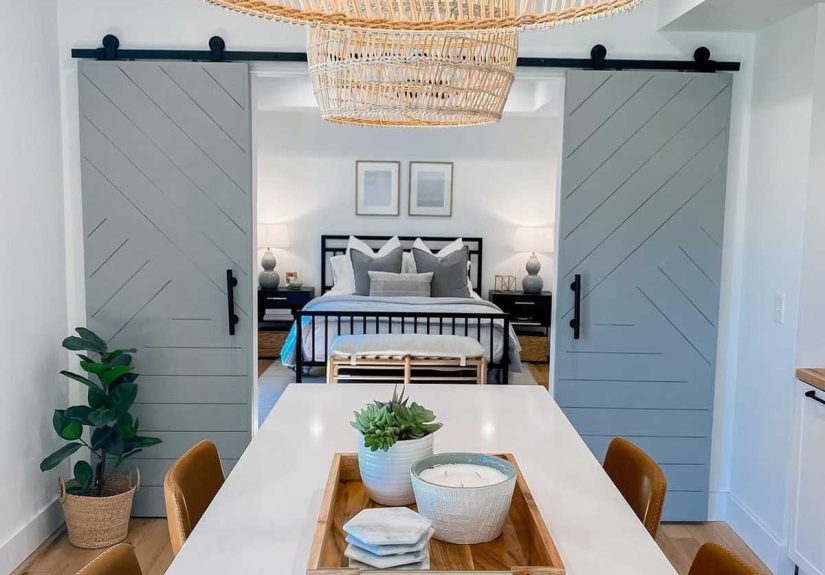
3. Design a Guest Suite or Bedroom Nook
If you host relatives, in-laws, or friends who “just need a place for one night” and then mysteriously stay until Tuesday, a basement guest suite can be a game changer. A simple bedroom nook with a bed, dresser, bedside lighting, and privacy features can make visitors comfortable without sacrificing your upstairs rooms.
For larger basements, this could mean a true suite with a sitting area and nearby bathroom. For smaller basements, use a sleeping zone with a daybed, Murphy bed, or sleeper sofa plus a wardrobe and blackout curtains. Soft textiles, layered bedding, and warm lighting go a long way toward making the room feel welcoming.
Just remember that if you are creating a legal bedroom, you need to plan for egress and code requirements, including safe emergency escape and adequate headroom. This is where design meets reality, and reality always wins.
4. Turn the Basement Into a Home Theater
Few spaces are better suited to a home theater than a basement. The naturally darker environment helps with screen viewing, and the separation from upstairs living spaces can reduce noise complaints from the rest of the household. Translation: your action movies can finally explode in peace.
A large basement can support tiered seating, a projector, surround sound, blackout treatments, and a snack station. A smaller basement can still nail the vibe with a wall-mounted TV, plush sectional, dimmable lights, and acoustic wall treatments.
Use darker paint strategically, but do not overdo it unless the room has enough lighting and ceiling height to handle the mood. If you want the cinematic look without making the room feel cramped, pair a deep accent wall with lighter side walls and add concealed storage for media gear, blankets, and gaming accessories.
5. Add a Home Gym or Wellness Studio
A basement gym is practical because it keeps bulky equipment out of bedrooms, garages, and living rooms. It also works for nearly any basement size. A small remodel can fit a yoga mat, mirror, resistance gear, and a bike. A larger basement can handle cardio machines, free weights, a bench, rubber flooring, and even a recovery corner.
The key here is flooring, ventilation, and lighting. Durable surfaces and mats help protect the slab and improve comfort underfoot. Good airflow helps the room feel fresh instead of stuffy. Bright, even lighting makes the space feel energizing. Nobody wants to do squats in lighting that looks like a haunted motel hallway.
If you want to soften the workout vibe, build a hybrid wellness room with a treadmill on one side and a stretching or meditation area on the other. That way the basement supports both “I am becoming my best self” and “I need to lie on the floor for ten minutes.”
6. Make a Playroom or Teen Hangout
When toys, gaming gear, and mysterious snack wrappers start conquering the main floor, a basement playroom can restore order to the household. Younger kids benefit from open floor area, soft storage, and durable finishes. Teens may prefer a lounge setup with gaming chairs, charging stations, a TV, and flexible seating.
This is a great remodel option for basements of all sizes because it can evolve over time. What starts as a train-table kingdom can later become a homework zone, art studio, or media room. Built-ins, cube storage, under-stair shelving, and benches with hidden compartments help control visual clutter.
Use wipeable finishes, layered lighting, and furniture that can take a little abuse. Let the basement work hard so the upstairs can look like adults still live there.
7. Install a Basement Bar or Coffee Station
If you entertain often, a basement bar or beverage station can instantly upgrade the space. In a large basement, this might include cabinetry, open shelves, a mini fridge, a sink, stools, and a statement backsplash. In a smaller basement, a compact coffee station or dry bar can still deliver plenty of charm without major plumbing work.
This idea pairs especially well with a family room or theater zone. It gives the basement a destination feel, almost like a private lounge inside your own house. Wood-look finishes, metal accents, and under-cabinet lighting add polish without making the setup too fussy.
If you are adding water lines or a sink, bring in pros and confirm local requirements. A stylish wet bar is wonderful. A surprise plumbing issue hidden behind a brand-new wall is less wonderful.
8. Upgrade Storage So It Actually Looks Intentional
Not every basement needs to pretend it is a luxury lounge. Sometimes the best remodel idea is turning the space into a cleaner, smarter version of what it already is. An organized storage-centered basement can still look polished and highly functional.
Use full-height shelving, labeled bins, closed cabinets, utility hooks, and under-stair storage to create designated zones for seasonal decor, sports gear, tools, paperwork, and backup household supplies. If your basement also serves as a family room or office, keep storage consistent with the decor so it feels built in rather than improvised.
The magic word here is vertical. Walls, stair landings, and awkward corners can all become useful storage real estate. A basement with great storage does not just save space. It saves sanity.
9. Add a Basement Bathroom or Laundry Hybrid
If your basement is becoming a guest area, workout room, office, or entertainment level, a bathroom can dramatically improve convenience. In many homes, unfinished basements already include rough plumbing, which can make this upgrade more realistic than people expect.
For small basements, a compact half bath may be enough. In larger ones, a full bath near a guest suite or gym can make the lower level function almost like a mini apartment. Moisture-resistant flooring, good ventilation, and easy-to-clean finishes are must-haves here.
You can also blend function by creating a laundry-and-mudroom hybrid. Add cabinetry, folding space, wall hooks, and baskets so the area feels organized rather than purely utilitarian. No one dreams of a glamorous laundry room, but everyone appreciates one that does not feel like a punishment.
10. Create a Hobby Studio or Multiuse Flex Room
One of the best basement remodel ideas for any size basement is the flex room. Instead of locking the entire space into one purpose, create a room that can adapt with your life. Today it might be a craft room, music practice area, or workshop corner. In two years, it could become a study zone, podcast studio, or second office.
This is especially smart if your needs keep changing. A flex room works best with modular furniture, durable flooring, closed storage, and a clear traffic pattern. Use movable tables, nesting stools, folding screens, or sliding doors to shift the room as needed.
Basements are often the largest uninterrupted area in the house, which makes them ideal for hobbies that need elbow room. Painting, sewing, filming content, model building, gaming, and music all benefit from having a dedicated zone that does not invade the kitchen table.
Design Tips That Make Any Basement Feel Bigger and Brighter
Use one consistent flooring material
When possible, run the same floor through most of the basement. This helps the space feel larger and calmer. Waterproof luxury vinyl plank is popular for good reason: it handles moisture better than many wood-based options and still delivers a warm, finished look.
Layer your lighting
Do not rely on one sad ceiling fixture in the middle of the room. Combine recessed lights, sconces, lamps, and task lighting to create depth and avoid shadows.
Paint with intention
Lighter wall colors help reflect light, but that does not mean every basement must be plain white. Warm greige, soft taupe, muted green, or creamy off-white can all brighten the room while adding personality.
Work with the ceiling, not against it
If you have low ceilings or lots of ducts, consider a suspended ceiling for access or paint exposed elements a unified color for an industrial-modern look. Trying to force a ceiling plan that ignores plumbing and mechanical realities is a fast way to overspend.
Conclusion
The best basement remodel is not the one with the fanciest finishes. It is the one that solves real needs in your home while respecting what a basement actually is. That means controlling moisture, choosing durable materials, planning smart lighting, and using every square foot intentionally.
Whether you transform your basement into a family lounge, guest suite, office, gym, playroom, theater, bathroom, or flexible multipurpose zone, the goal is the same: turn underused space into everyday value. Do that well, and your basement stops being the place where forgotten boxes go to retire. It becomes one of the most useful rooms in the house.
Extra: Basement Remodel Experiences and Lessons Learned
Homeowners who are happiest with their basement remodels usually say the same thing in different words: they wish they had planned the space around real life instead of around a fantasy. The fantasy version of a basement is often a showroom. The real version needs to survive muddy shoes, loud movies, extra guests, workout gear, storage bins, and the occasional child who thinks walls are for bouncing off. That is why the most successful basement remodels tend to mix comfort with practicality.
One common experience is realizing that the room feels smaller after the walls go up, even in a decent-size basement. Mechanical lines, soffits, insulation, framing, and finished walls all eat into the footprint. That does not mean the remodel was a mistake. It just means scale matters more than people expect. Oversized sectionals, giant pool tables, and bulky recliners can turn a finished basement into a furniture traffic jam. Choosing pieces that fit the room makes the space feel far better than simply cramming in more stuff.
Another lesson people learn quickly is that lighting changes everything. A basement can be fully finished and still feel gloomy if the lighting plan is lazy. On the flip side, even a relatively simple remodel can look polished and expensive when it has good ambient light, focused task lighting, and a few warm accent lamps. Many homeowners discover that the cozy feeling they wanted was not about paint alone. It was about having enough light in the right places.
Storage is another make-or-break factor. People often start a remodel convinced they are finally done with basement storage, only to realize later that the house still needs a home for luggage, seasonal decor, tools, bulk paper towels, and the air mattress that appears whenever relatives visit. The smartest remodels leave room for real storage, even if the basement is being transformed into a lounge, office, or guest area. Hidden cabinetry, built-ins, under-stair shelving, and utility closets often become the unsung heroes of the finished space.
There is also the comfort issue. Basements can look beautiful in photos, but daily experience depends on whether the room feels warm, dry, and fresh. That is why people who prioritize insulation, dehumidification, and air circulation tend to be happier later. A basement that looks stylish but smells damp or feels chilly will never fully earn its place in the home. Comfort is what turns “finished basement” into “room we actually use.”
Finally, many homeowners say their best decision was keeping the design flexible. A basement that starts as a playroom may become a teen lounge, then a college-break sleeping area, then a home office, and eventually a workout room or guest suite. Trends change, families change, and houses need to adapt. The more flexible your remodel is, the longer it stays useful. In the end, that is what makes a basement remodel truly successful: not just that it looks good on day one, but that it keeps working hard long after the paint dries.