Table of Contents >> Show >> Hide
- What Is a Wrought Iron Hook Extension Hanger?
- Why This Little Hook Earns a Spot in So Many Homes
- Best Uses for a Wrought Iron Hook Extension Hanger
- How to Choose the Right Extension Hanger
- Installation Tips Without the DIY Drama
- Design Ideas That Make It Look Intentional
- How to Keep It Looking Good
- Common Mistakes to Avoid
- Experiences With a Wrought Iron Hook Extension Hanger
- Final Thoughts
- SEO Tags
Some home upgrades arrive with a power drill, a weekend-long to-do list, and the emotional energy of a tax audit. A wrought iron hook extension hanger is not one of those upgrades. It is simple, sturdy, charming, and surprisingly useful. This humble piece of hardware can make a hanging basket easier to reach, bring a lantern down to eye level, add vertical storage in a small space, or give a plain porch a little old-school character without trying too hard.
That is part of the appeal. A good extension hanger does not scream for attention, yet it quietly improves how a space works. It can help you display plants where they actually get light, create more clearance under a beam or bracket, and make seasonal decorating much less awkward. If you have ever stretched on tiptoe to water a fern, wrestled a bird feeder in the wind, or stared at an empty porch beam thinking, “This could use some personality,” you are exactly the kind of person who will appreciate this hardware.
In this guide, we will break down what a wrought iron hook extension hanger is, where it works best, how to choose one, how to install it safely, and why it has become a favorite for people who want practical function wrapped in a timeless, handcrafted look.
What Is a Wrought Iron Hook Extension Hanger?
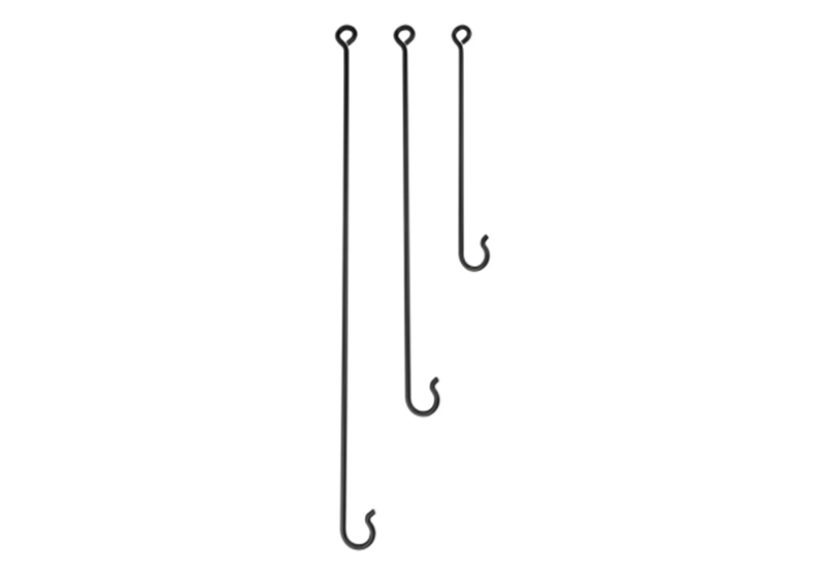
A wrought iron hook extension hanger is a metal hook designed to lower or extend a hanging point from an existing beam, hook, rod, bracket, or support. Think of it as the helpful middleman between “that spot up there” and “the thing I actually want to hang.” Instead of mounting a brand-new hook in a different location, you use the extension hanger to bring the hanging position down or slightly out for better reach, better visibility, and better spacing.
The classic version has a curved top that slips over a rod, beam, or existing support and a lower hook that holds a planter, lantern, basket, wreath, wind chime, or even lightweight household items. Many shoppers specifically look for Amish-made or hand-forged versions because they offer a more traditional shape, black iron finish, and handmade look. Some are sold in multiple lengths, which is useful when you want more drop without adding chain that looks like it came from a bored garage.
Although the name says wrought iron, shoppers often compare these hangers with steel plant hooks, iron brackets, J-hooks, and hanging basket extensions. The big difference is the visual feel. Wrought iron has a heavier, more classic style that works especially well in farmhouse, cottage, rustic, traditional, and garden-inspired spaces.
Why This Little Hook Earns a Spot in So Many Homes
It adds function without taking up floor space
One of the biggest reasons people buy an extension hanger is to use vertical space better. On a porch, patio, balcony, mudroom, laundry room, or entryway, floor space disappears fast. Hanging upward instead of outward keeps the area open while still adding storage or style.
It improves reach and everyday usability
Hanging baskets are beautiful until they are so high you need a ladder to water them. An extension hanger lowers the basket just enough to make routine care easier. The same logic applies indoors, where a hanging plant may look dramatic near a window but become annoying if it is impossible to rotate, prune, or dust.
It looks decorative on purpose
Plenty of utility hooks do the job, but a decorative wrought iron plant hanger does the job with style. It brings texture, shape, and that slightly old-world vibe that makes a space feel finished. In home design terms, it is a practical object that also counts as visual punctuation.
It works across seasons
Spring baskets, summer lanterns, fall wreaths, winter greens, bird feeders, herbs, wind chimes, lightweight storage basketsyou can swap the hanging item while keeping the same hook in place. That makes the extension hanger one of those rare home accessories that does not become irrelevant after one season.
Best Uses for a Wrought Iron Hook Extension Hanger
The beauty of this piece is its range. It is not just for one kind of décor or one corner of the house. Here are some of the most practical and attractive ways to use it:
- Hanging baskets: Lower planters to a better watering height and create a fuller porch display.
- Lanterns: Add warm evening light on porches, patios, pergolas, and covered walkways.
- Bird feeders: Bring feeders slightly away from a structure for better visibility and easier refilling.
- Wind chimes: Give them enough clearance to move freely without banging into beams or walls.
- Seasonal décor: Display wreaths, flower baskets, holiday greens, or decorative metal accents.
- Indoor organization: Use in mudrooms, entryways, or utility spaces for light baskets, hats, or decorative storage.
- Window and wall styling: Extend hanging pieces downward where they are easier to see and enjoy.
In short, a decorative wall hook becomes much more versatile when it also functions as an extension. That extra drop can solve problems you did not realize were hardware problems until now.
How to Choose the Right Extension Hanger
1. Match the length to the job
The first thing to consider is drop length. Too short, and you have not solved the reach problem. Too long, and the hanging item may bump into a railing, block a walkway, or swing like it is auditioning for a pirate ship. A short extension works well for modest visual adjustment; a medium or long version is better when you need to lower planters from a high beam or curtain rod.
2. Check weight capacity carefully
This is where style has to shake hands with physics. A hanging item may weigh very little when empty and much more after adding soil, water, or seasonal materials. Always think about the fully loaded weight, not the optimistic “it felt light in the store” version. Heavy-duty does not mean infinite. Your safest choice is to treat the support surface, original hook, and extension hanger as one system. If one part is weak, the whole setup is weak.
3. Consider indoor vs. outdoor use
For outdoor setups, a weather-resistant or coated finish matters. Moisture, heat, and changing temperatures can be rough on metal. If your porch gets direct rain, intense sun, or coastal humidity, choose an extension hanger built for exterior conditions. Indoors, finish matters more for style than survival, although kitchens, bathrooms, and sunrooms still benefit from better corrosion resistance.
4. Think about style and silhouette
Some hangers are plain and utilitarian. Others have scrollwork, curled ends, or a hand-forged texture. If your home leans farmhouse, cottage, colonial, rustic, or traditional, a classic black wrought iron extension hook looks right at home. If your style is more modern, choose a cleaner silhouette with less ornament.
5. Make sure the top hook fits the support
This part gets overlooked all the time. Measure the beam, rod, bracket, or existing hook where the extension will hang. The top opening needs enough clearance to fit securely without wobbling around like a shopping cart wheel.
Installation Tips Without the DIY Drama
The installation process depends on whether the extension hanger is going over an existing support or working with a newly mounted hook. Either way, safety comes first. The goal is not just to hang something. The goal is to hang it without hearing a crash at 2 a.m.
Know your surface
Wood beams, studs, masonry, and drywall all require different hardware approaches. A hook mounted into solid wood is not the same as a hook mounted into drywall with anchors. If you are installing a base hook or bracket before adding the extension hanger, choose hardware designed for the specific surface.
Test clearance before loading
Hang the empty basket, lantern, or accessory first. Check how far it drops, how it swings, and whether it blocks doors, shutters, windows, or traffic flow. A small adjustment now can save a lot of annoyance later.
Account for wind and movement
Outdoor hanging items move. That sounds obvious, yet many people place baskets too close to siding, columns, or glass. Leave enough room for gentle motion, especially with wind chimes and trailing plants.
Recheck after watering
Plants get dramatically heavier after a full watering. If you are using the hanger for a planter or basket, look at how the system behaves when the container is wet and fully loaded. That is the real test, not the dry rehearsal.
Design Ideas That Make It Look Intentional
A hanging basket hook can be purely functional, but it can also become a design detail that adds character. A few smart styling ideas:
Create symmetry on a front porch
Place matching extension hangers on either side of a doorway with identical baskets or lanterns. It instantly gives the entrance a more polished, welcoming look.
Use one statement piece in a small space
On a small balcony or narrow porch, one beautifully chosen hanging planter often works better than several crowded containers. The extension hanger helps position that statement piece exactly where it has the most impact.
Mix practical and decorative elements
Hang a fern in spring, a lantern in summer, dried florals in fall, and evergreen cuttings in winter. Same hook, different mood. Your porch stays fresh, and your budget does not have to file a complaint.
Layer textures
Wrought iron pairs especially well with wood, brick, painted trim, terracotta, galvanized metal, and natural fiber baskets. That contrast is one reason this style keeps showing up in spaces that feel warm rather than overly polished.
How to Keep It Looking Good
Maintenance is refreshingly low-key. Wipe off dirt, dust, and pollen as needed. For outdoor pieces, check periodically for finish wear, small rust spots, or looseness at the hanging point. If the hanger has a protective coating, avoid overly harsh cleaners that could strip it. A quick seasonal inspection goes a long way.
Also, do not ignore the hanging item itself. Frayed basket chains, worn ropes, or rusty connectors can fail before the hook does. Your extension hanger may be the strongest player on the team, but it still depends on the rest of the lineup.
Common Mistakes to Avoid
- Choosing a hook based only on appearance and not on load capacity.
- Forgetting that wet soil adds a lot of weight.
- Using outdoor hooks too close to walls where baskets scrape surfaces.
- Assuming every “wrought iron” style product is the same size or finish quality.
- Skipping measurements for the support opening and drop length.
- Mounting hardware into the wrong surface without the proper anchors or support.
Avoid those mistakes, and this small piece of hardware becomes one of the easiest upgrades in your home or garden toolkit.
Experiences With a Wrought Iron Hook Extension Hanger
What is it actually like to live with a wrought iron hook extension hanger? In everyday use, the experience is less about dramatic transformation and more about small, repeated improvements that make a space feel easier, prettier, and more finished.
For many people, the first noticeable difference is convenience. A planter that once felt too high to water suddenly becomes easy to reach. You no longer need to drag out a stool just to check the soil or rotate the basket. That sounds minor until you are doing it several times a week in warm weather. The hook extension turns plant care from a balancing act into a normal household task, which is exactly how it should be.
There is also the visual experience. Hanging items often look better when they sit a little lower than the original mounting point allows. A basket can feel more connected to the doorway or porch furniture. A lantern can glow at a warmer, more human scale. A wind chime can move more freely and look less like it was awkwardly clipped as an afterthought. The extension hanger creates that “Yes, that looks right” moment that good home details tend to deliver.
Outdoor use brings another kind of experience: awareness. You start noticing sun direction, wind movement, and how plants behave in a hanging position. A basket lowered by even a few inches may get better viewing, easier pruning access, and a more balanced relationship with surrounding décor. Many homeowners find that once they install one extension hanger, they begin spotting other places where vertical hanging could solve clutter or add interest.
Indoors, the experience is often about flexibility. An extension hanger can make a utility area more functional, especially in entryways, sunrooms, and corners where floor space is limited. It allows you to use unused airspace without making the room feel crowded. That is a quiet luxury in small homes and apartments, where every square foot has to pull its weight.
There is also a tactile pleasure to a hand-forged or traditional iron piece. It feels substantial. It looks like it belongs. Unlike flimsy hardware that practically apologizes for existing, a wrought iron extension hanger has enough presence to read as intentional décor. It can make even a simple basket or lantern feel more elevated.
Of course, the experience is best when the hook is chosen well. If it is too short, too long, too light-duty, or too decorative for the job, frustration shows up fast. But when the size, weight support, and placement are right, the extension hanger tends to disappear into the background in the best possible way. It just keeps working.
That may be the strongest compliment this piece can receive. It is useful every day, attractive in every season, and easy to appreciate without demanding constant attention. In a world full of overcomplicated home products, a wrought iron hook extension hanger feels refreshingly honest: a simple object that solves real problems and looks good doing it.
Final Thoughts
A wrought iron hook extension hanger is one of those rare home and garden pieces that earns its keep quickly. It adds reach, improves display height, saves space, supports seasonal decorating, and brings a timeless handcrafted look to indoor and outdoor areas. Whether you use it for a hanging basket, lantern, bird feeder, or decorative accent, the right extension hanger can make a space work better while looking more polished.
The trick is simple: choose the right length, respect the weight, match the finish to the setting, and treat the whole hanging setup as a system. Do that, and this small iron helper can punch well above its size. Not bad for a hook.