Table of Contents >> Show >> Hide
- Why TikTok Became a Go-To for Health Information
- The Dark Side: Misinformation, Over-Simplification, and Viral “Cures”
- If TikTok Goes Dark, Where Does the Good Health Info Go?
- How to Find Legit Health Info in a Post-TikTok World
- What Health Creators Can Do If TikTok Disappears
- Bigger Picture: TikTok, Policy, and the Future of Health Communication
- Experience-Based Reflections: When Your Health Platform Suddenly Vanishes
- Conclusion: Don’t Let Your Health Literacy Live on One App
For Gen Z, asking “Dr. TikTok” has become just as normal as asking an actual doctor sometimes more normal, if we’re being honest. Short, funny, hyper-relatable clips about anxiety, birth control, fitness, ADHD, skin care, and gut health now shape how millions of people understand their bodies. So when talk of a potential TikTok ban (or forced sale) comes up, there’s a very real question hiding behind the politics:
what happens to all the legit health information if TikTok suddenly goes dark?
Surveys show that a big share of young adults use TikTok as a primary source of health and wellness tips, and many say they trust at least some of what they see. At the same time, research keeps warning that a lot of the most popular TikTok health content is inaccurate or straight-up dangerous. In other words, TikTok is a chaotic health library: half credible clinic, half cursed life-hack aisle.
If that library closes whether because of regulations, corporate decisions, or algorithmic changes the good stuff doesn’t magically vanish. It moves. The real question is where, how, and whether people will still be able to find it.
Why TikTok Became a Go-To for Health Information
It fits how young people already learn
TikTok rose to power by doing one thing extremely well: serving bite-sized video in an endless scroll that feels more like hanging out with friends than “reading health pamphlets.” For younger audiences, it beats a dry PDF from a government website every time.
Recent surveys of Gen Z users in the United States have found that:
- Many young people say TikTok is a main source of health knowledge, especially for fitness, nutrition, mental health, and sexual health.
- More than half of some TikTok-using age groups report that “most” or “some” of the health advice they see there feels trustworthy.
- Teens and young adults also spend huge amounts of time online in general often “almost constantly” which makes TikTok a natural place to stumble across health content while they’re just scrolling for entertainment.
TikTok is also where people see themselves represented. LGBTQ+ youth, people of color, people with chronic illnesses, and neurodivergent communities often report that they find validation and shared experience online that they don’t see in traditional health spaces. That sense of “these are my people” makes the platform feel like a safe place to ask questions and share stories.
The good: accessibility, demystification, community
Despite all the headlines about misinformation, a lot of useful things happen on TikTok:
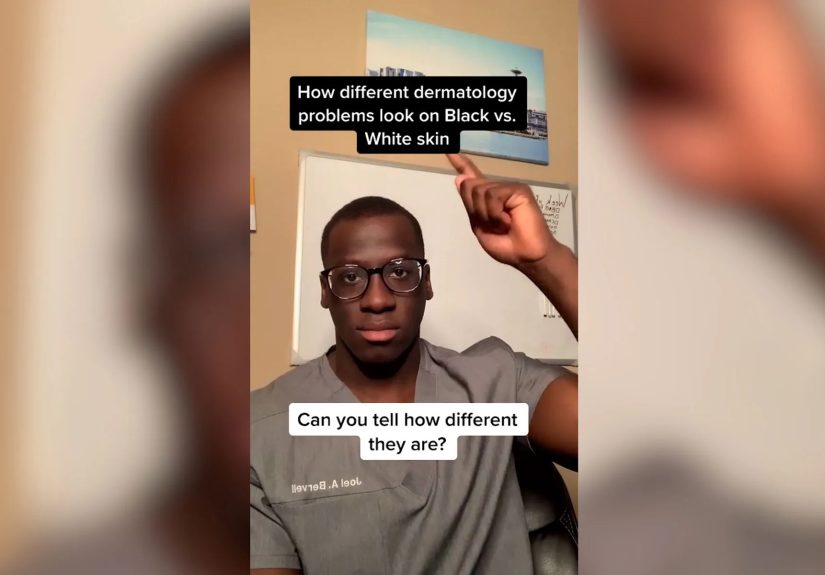
- Doctors, nurses, therapists, and dietitians break down complex topics in plain language explaining things like insulin, antidepressants, Pap tests, or chronic pain in ways that feel human and nonjudgmental.
- Stigma-heavy topics like STIs, contraception, mental illness, or fertility get more open discussion. People realize they’re not the only ones dealing with these issues.
- Short, visual formats make it easier to understand conditions, treatments, or symptoms at a glance. A 30-second animation about how an inhaler works sometimes beats a three-page brochure.
In other words, TikTok has become a kind of unofficial health front desk. It’s rarely the final word, but it’s often the first place people go when they’re worried, curious, or just bored and open to learning something new.
The Dark Side: Misinformation, Over-Simplification, and Viral “Cures”
Of course, there’s a reason so many public health experts and physicians are willing to consider aggressive restrictions on TikTok. Alongside credible content from qualified professionals, there’s a flood of:
- Unproven “biohacks” and miracle supplements
- Over-simplified mental health self-diagnoses (“If you daydream, you must have ADHD”)
- Quick fixes for serious conditions (“just try this herbal cleanse instead of seeing a doctor”)
- Conspiracy-flavored takes on vaccines, medications, and public health guidance
Investigations into popular TikTok mental health videos have found that a large share of the top “tips” clips contain misinformation, from misusing diagnostic labels to suggesting oversimplified solutions that trivialize serious conditions. Other surveys show that a non-trivial number of people report real health problems after following TikTok advice for example, trying extreme diets, dangerous eye or skin “hacks,” or skipping prescribed medication based on what an influencer said.
Public health agencies like the U.S. Department of Health and Human Services and the Surgeon General’s office have been increasingly vocal about how health misinformation on social media can fuel confusion, fear, and delayed care. At the same time, practical playbooks from academic partners like Johns Hopkins urge health communicators to meet people where they are online, not simply abandon the platforms where misinformation is spreading.
Even among healthcare professionals, opinions are mixed. Some see a TikTok ban as a net win for reducing harmful misinformation. Others worry that banning one platform without strengthening trusted alternatives just drives people toward even less-regulated spaces.
If TikTok Goes Dark, Where Does the Good Health Info Go?
Let’s imagine the switch flips: TikTok gets banned, heavily restricted, or fundamentally changed in a way that breaks its recommendation engine. What actually happens to the legitimate health information and the creators who provide it?
1. Health creators will follow the eyeballs
Credible health creators are not married to TikTok; they’re married to their audiences. If TikTok disappears, they’ll likely move their content to:
- YouTube and YouTube Shorts – already the most widely used platform for teens and a natural home for short-form video.
- Instagram Reels – similar vertical format, strong discovery tools, and a large existing base of wellness and mental health content.
- Snapchat, Reddit, and niche platforms – especially for more conversational or community-driven support groups.
- Newsletters and podcasts – the “boring but reliable” channels creators use when they want more control and less algorithm drama.
Many of the most responsible health creators already cross-post content across multiple platforms. A TikTok ban would probably accelerate that trend and push them to invest more heavily in places they have direct control, such as email lists, blogs, and communities hosted on independent platforms.
2. Official health organizations will double down on owned channels
Public health agencies, hospital systems, and nonprofits that experimented with TikTok will still have:
- Official websites with vetted articles, FAQs, and interactive tools
- Text and email alert systems for outbreaks, recalls, and public health emergencies
- Educational campaigns on other social media platforms
- Partnerships with schools, clinics, and community groups
Many of these institutions already publish detailed guidance on how to recognize misinformation and how to evaluate health claims. A TikTok shutdown would be a strong push to promote those resources more aggressively, especially to younger audiences who may not naturally think “I should check a government site.”
3. Search-optimized health sites will get even more important
Without TikTok in the mix, people who type “Is this normal?” into the search bar are more likely to land on:
- Evidence-based consumer health sites (like major hospital systems and medical organizations)
- Large health media brands that publish medically reviewed articles
- Academic or government-backed pages that answer common health questions in plain language
That shift could be a good thing if those websites continue to prioritize clarity, accessibility, and up-to-date evidence. The danger is that other, less reliable sites rush to fill the SEO void with clicky headlines and low-quality advice. Search engines have been trying to boost authoritative medical sources for years, but the arms race between credible content and junk isn’t going away.
How to Find Legit Health Info in a Post-TikTok World
Whether or not TikTok survives every regulatory battle, it’s smart to act as if it could disappear tomorrow. Here’s how to build a healthier info diet that doesn’t depend on a single app.
1. Start with evidence-based websites
When you’re dealing with anything serious new symptoms, medication questions, surgery decisions, mental health crises your first stop should be a trusted medical source, not a random video. In general, you’re safer starting with:
- Official health agencies (for example, national disease-control or public health agencies)
- Large academic medical centers and children’s hospitals
- Respected disease-specific nonprofits (for example, major heart, cancer, diabetes, or mental health organizations)
These sites often offer patient-friendly explainers, symptom checkers, decision aids, and printable guides you can bring to your clinician.
2. Use search engines like a pro, not like a panic
Most people type full-blown fears into search (“heart attack at 24???”) and then panic-click the first result. Try this instead:
- Add words like “guidelines,” “clinic,” “center,” “association,” or “gov” to your search.
- Look for pages that mention review dates or “medically reviewed by” information.
- Be wary of sites that push a product or supplement as the main solution to everything.
TikTok’s algorithm pulls you deeper into one idea. Search engines, used carefully, let you compare multiple perspectives and cross-check claims.
3. On any platform, vet the messenger before the message
TikTok going dark doesn’t automatically fix the misinformation problem; it just changes the zip code. Wherever you see health advice Instagram, YouTube, Snapchat, Reddit, or some new app you haven’t heard of yet ask:
- Who is this person? Are they a licensed professional, a researcher, a patient sharing their story, or an influencer with no training?
- Do they say where their information comes from? Reputable creators often reference guidelines, studies, or organizations, even in short videos.
- Are they selling something? A course, supplement, or coaching package doesn’t automatically make advice bad but it’s a red flag that you should evaluate more carefully.
- Do they acknowledge nuance? Real medicine loves phrases like “it depends,” “talk to your clinician,” and “this might not apply if you have X condition.” Scammers prefer one-size-fits-all answers.
Surveys show that younger adults report different levels of trust in health information depending on the platform but “it feels trustworthy” is very different from “it’s actually correct.” Always let evidence and transparency matter more than vibe.
4. Follow a few high-quality creators instead of the whole algorithm
You don’t need to follow every health hashtag or trend. Instead:
- Pick a small handful of doctors, nurses, therapists, or patient advocates with clear credentials.
- Turn on notifications or subscribe to their newsletters, podcasts, or websites.
- Use their content as a starting point for questions not a replacement for medical care.
Think of it like curating your own mini “health channel lineup” rather than letting the algorithm decide whose advice changes your medication plan.
What Health Creators Can Do If TikTok Disappears
If you’re one of the people making trustworthy health content, a potential TikTok shutdown isn’t just a political story it’s a business and impact story. Here’s how to protect your work and your audience:
- Diversify platforms now. Don’t wait. Cross-post short videos to Instagram Reels, YouTube Shorts, and other channels. Test what works and what doesn’t while TikTok is still around.
- Own your audience. Build an email list, a website, or a community space where followers can sign up directly. Algorithms can change overnight; email addresses and bookmarks are much more stable.
- Create evergreen resources. Turn your most popular series (for example, “ADHD myths” or “Insulin 101”) into long-form guides or downloadable PDFs you host on your own site.
- Partner with trusted institutions. Collaborate with hospitals, universities, or nonprofits that share your mission. That kind of partnership can give you both credibility and stability.
- Be transparent about changes. If TikTok goes dark, your followers will panic-scroll. Pin a post on other platforms explaining where you’ll be, how to find your content, and how they can stay connected.
Market analysts have already warned that a TikTok ban could disrupt how healthcare marketers, pharma brands, and public health campaigns reach younger audiences. The creators who have already built multi-platform strategies will weather the storm better than those who relied on one app to do everything.
Bigger Picture: TikTok, Policy, and the Future of Health Communication
It’s tempting to think of TikTok as “the problem,” but most experts see it more as a symptom of larger forces:
- People are desperate for fast, digestible health answers.
- Traditional health systems often feel slow, intimidating, or inaccessible.
- Algorithms reward engagement, not accuracy.
Studies on youth, social media, and mental health show a complicated picture: real risks (like cyberbullying, sleep disruption, and exposure to harmful content) alongside real benefits (like social support and reduced isolation). Health misinformation is part of that mix, but so is the potential for life-saving campaigns and community-based education.
That’s why many public health leaders argue for a “both/and” approach:
- Stronger guardrails on platforms to limit clearly harmful misinformation.
- Better media literacy in schools, so young people can critically evaluate what they see online.
- Investment in trustworthy, accessible health communication that doesn’t assume everyone will read a dense PDF.
Whether TikTok survives or not, those deeper changes will matter far more than any one app’s fate.
Experience-Based Reflections: When Your Health Platform Suddenly Vanishes
To understand what might happen if TikTok goes dark, it helps to imagine the experience from the inside not as a policy headline, but as a Tuesday afternoon in someone’s real life.
Scenario 1: The chronic illness teen
Picture a 17-year-old who has just been diagnosed with a chronic autoimmune condition. Their doctor gave them a stack of pamphlets, a prescription, and a follow-up appointment. But the real emotional processing happened at 2 a.m., scrolling through TikTok.
They found creators who filmed infusion days, posted “day in the life with chronic pain” vlogs, and shared tips for talking to teachers and friends. They learned what it looks like when the medication actually helps. They picked up small, practical ideas like keeping a medical binder or using certain phone reminders that never showed up in official handouts.
Now imagine one day the app just… doesn’t load. No warning, no sunset period, just error messages and breaking news. The teen still has their condition, still has their questions, still has their fear. What they lose isn’t just “content”; it’s a sense of community and visibility.
In a world where TikTok disappears, that teen will go somewhere else. Maybe they stumble into Reddit communities or Discord servers. Maybe they land on a good nonprofit’s site, or a great YouTube channel run by a nurse. Or maybe they end up in a less-moderated corner of the internet where conspiracy theories and miracle cures are louder than science.
Scenario 2: The doctor who went where the patients are
Now think about a physician who started making TikToks during the pandemic. At first, it was about correcting wild myths: no, drinking bleach won’t prevent infection; no, you can’t diagnose yourself from one vague symptom. Over time, they built a following by answering common questions, breaking down new studies, and translating confusing headlines into plain English.
This doctor will feel the ripple effect of a TikTok shutdown in multiple ways:
- They may lose a major channel for reaching people who rarely see a doctor in person.
- They’ll need to quickly redirect followers to other platforms, which takes time, money, and tech skills they may not have.
- They might actually feel relief about having fewer trolls and fewer platform-specific headaches but they’ll also worry about the misinformation vacuum that follows.
In interviews and opinion pieces, some clinician-creators have already expressed this ambivalence: they’re deeply frustrated by the misinformation on TikTok, but they also know it’s where large, hard-to-reach populations spend their time. Losing that channel feels like closing a health clinic in a neighborhood that still needs one.
Scenario 3: The everyday scroller trying to “fix” their health
Finally, imagine an everyday adult who doesn’t love calling doctors, doesn’t have time to read long articles, and feels vaguely unhappy with their energy, weight, or mood. They scroll TikTok at night, and the algorithm serves up a constant stream of:
- Hormone “reset” protocols
- Gut health cleanses
- ADHD and anxiety self-tests
- Fitness and diet trends that promise complete transformation in 30 days
Sometimes this exposure nudges them in a positive direction: they might finally book a therapy appointment, ask their doctor about a symptom, or try a gentle exercise routine that improves their day. Other times, it leads them to try risky trends or delay real care because a stranger online told them they “just need to detox.”
If TikTok disappears, that person won’t stop wanting quick health answers. They’ll head to search engines, Instagram, YouTube, or whatever comes next. The underlying need fast, understandable, judgment-free health information doesn’t vanish with an app. Our job, collectively, is to make sure that the next place they land is a little safer, a little clearer, and a lot more grounded in reality.
All of these scenarios point to the same conclusion: if TikTok goes dark, the legit health info doesn’t die. It migrates. The question is whether we’ll build the bridges through better education, stronger public health communication, smarter platform design, and more critical users so that people can follow it without falling into new traps along the way.
Conclusion: Don’t Let Your Health Literacy Live on One App
TikTok has changed how a generation discovers health information: informal, visual, creator-driven, and deeply social. That’s not going away, even if the specific platform does. The best response to the possibility of TikTok going dark isn’t panic; it’s preparation.
For everyday users, that means learning to recognize trustworthy sources, using search more strategically, and treating social media as a starting point not a final diagnosis. For creators and health organizations, it means diversifying channels, owning their audience, and designing content that can survive algorithm changes and app shutdowns.
If TikTok’s lights ever do go out, the legit health info will go where it has always ultimately lived: in evidence-based institutions, in thoughtful creators who care about accuracy, and in informed patients who know how to ask good questions, no matter what platform they’re on.