Table of Contents >> Show >> Hide
- What Exactly Is Pumpkin Seed Oil?
- What’s in Pumpkin Seed Oil?
- How Is Pumpkin Seed Oil Used in Cooking?
- How Is Pumpkin Seed Oil Used Outside the Kitchen?
- Is Pumpkin Seed Oil Actually Healthy?
- How to Choose a Good Pumpkin Seed Oil
- Are There Any Risks or Side Effects?
- Who Might Enjoy Pumpkin Seed Oil the Most?
- Common Real-World Experiences With Pumpkin Seed Oil
- Final Thoughts
Pumpkin seed oil sounds like one of those ingredients that belongs in a candle, a spa brochure, or a very enthusiastic autumn gift basket. But it is actually a legitimate culinary oil with a long list of practical uses and a growing reputation in the wellness world. In plain English, pumpkin seed oil is the fat pressed from pumpkin seeds, often from pepitas, and it is prized for its rich, nutty flavor, deep green color, and interesting nutritional profile.
It also has a bit of a split personality. In the kitchen, it works best as a finishing oil, not a frying oil. In supplements, it is often marketed for prostate support, bladder comfort, heart health, hair growth, and skin care. Some of those claims have early scientific support. Some are promising but still need better research. And some are wearing more marketing than evidence. Welcome to modern wellness, where one bottle can be a salad upgrade, a hair-care conversation starter, and a supplement aisle celebrity all at once.
This guide breaks down what pumpkin seed oil is, how it is made, how it tastes, how people use it in real life, and what science actually says about the benefits. No hype, no scare tactics, and no pretending it can fix your entire life by Tuesday.
What Exactly Is Pumpkin Seed Oil?
Pumpkin seed oil is an edible oil made by pressing pumpkin seeds. Depending on the brand and production method, the oil may be cold-pressed or expeller-pressed. That matters because less aggressive processing can help preserve the oil’s flavor and some of its naturally occurring compounds. Many bottles are sold in dark glass because light and heat can degrade delicate oils faster than you can say “Why does this salad dressing taste weird now?”
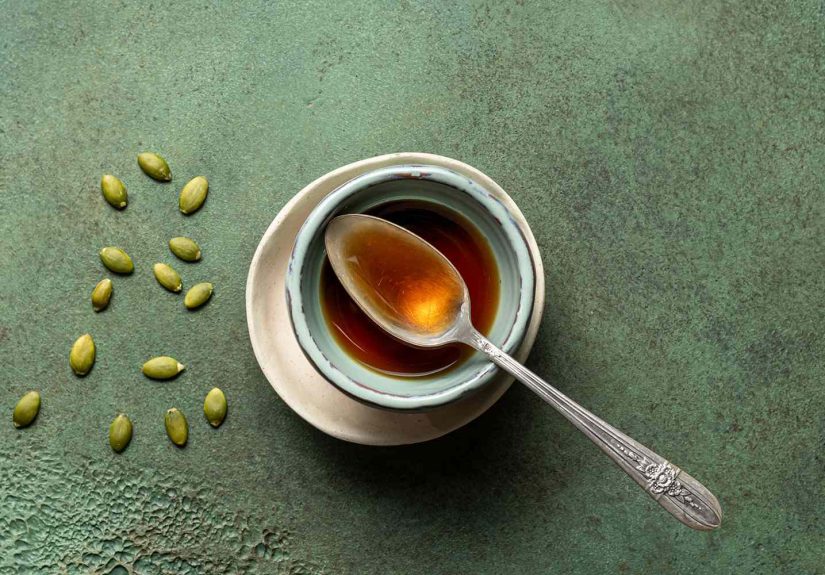
The oil is usually dark green with reddish or brownish tones, and it has a full-bodied, nutty, slightly earthy taste. It is not a bland, background oil. It announces itself. If olive oil is the dependable friend who shows up on time, pumpkin seed oil is the artsy cousin who brings dramatic boots and a surprisingly excellent cheese board.
Unlike neutral oils used for high-heat cooking, pumpkin seed oil is generally better suited to finishing dishes, adding flavor to dressings, or stirring into foods after cooking. Its strength is taste, not toughness.
What’s in Pumpkin Seed Oil?
Pumpkin seed oil is mostly fat, which is not a scandal. That is what oils are supposed to be. More importantly, it is rich in unsaturated fats, especially the kinds commonly associated with heart-friendly eating patterns when they replace more saturated fats in the diet. It also contains plant compounds such as phytosterols and antioxidant components that make nutrition researchers pay closer attention.
Key components people care about
Unsaturated fatty acids: These are the headline nutrients in pumpkin seed oil. They help explain why the oil is often discussed in relation to heart health and cholesterol-friendly eating habits.
Phytosterols: These are plant compounds structurally similar to cholesterol. They are often studied for how they may support cholesterol management and overall cardiovascular health.
Antioxidant compounds: Pumpkin seed oil contains naturally occurring compounds such as tocopherols and carotenoids. These help explain why it is often described as an antioxidant-rich oil.
Calories: Like every oil, pumpkin seed oil is calorie-dense. That does not make it “bad,” but it does make portion size relevant. A drizzle adds flavor. A free-pour turns your salad into a side hustle.
How Is Pumpkin Seed Oil Used in Cooking?
This is where pumpkin seed oil really shines. It brings flavor, depth, and a roasted-seed character that can make simple food taste unexpectedly fancy. If you have never used it before, think of it as an accent oil rather than an all-purpose workhorse.
Best culinary uses
Salad dressings: Pumpkin seed oil pairs beautifully with vinegar, lemon juice, mustard, and a little honey. It is especially good with bitter greens, spinach, arugula, roasted beets, apples, and goat cheese.
Finishing soups: A small drizzle over butternut squash soup, pumpkin soup, lentil soup, or creamy vegetable soup adds nutty depth and a restaurant-style finish.
Roasted vegetables: Instead of cooking with it, add it after the vegetables come out of the oven. It works especially well with carrots, Brussels sprouts, sweet potatoes, and cauliflower.
Dips and spreads: Stir it into hummus, white bean dip, yogurt sauces, pesto-style sauces, or even avocado toast toppings when you want more complexity.
Grains and bowls: It can add flavor to quinoa bowls, farro, rice dishes, and grain salads that need a little personality.
Eggs and savory breakfasts: A light drizzle over scrambled eggs or a grain-and-egg bowl can work surprisingly well. It sounds odd until you try it, then suddenly you become the person who explains finishing oils at brunch.
Can you cook with it?
Yes, but with limits. Pumpkin seed oil is generally better for low-heat uses or for adding after cooking. It is not the ideal choice for high-heat frying, searing, or roasting because its flavor and quality can suffer. If you are making a vinaigrette, great. If you are trying to deep-fry chicken in it, that is not culinary innovation. That is a budget crisis.
How Is Pumpkin Seed Oil Used Outside the Kitchen?
Pumpkin seed oil is also sold in capsules, liquid supplements, and some beauty products. The wellness interest usually centers on prostate health, bladder function, heart health, hair growth, and skin support. Here is the grounded version of that conversation.
Pumpkin seed oil for prostate and bladder support
This is one of the most common supplement uses. Early research suggests pumpkin seed oil may help support urinary function and may be useful for some people dealing with benign prostatic hyperplasia, also known as an enlarged prostate, as well as overactive bladder symptoms. That does not mean it replaces medical care, but this is one of the better-supported areas for pumpkin seed oil compared with some of the more dramatic claims online.
The reason it gets attention here is likely tied to its mix of fatty acids and plant compounds, including phytosterols. Still, the evidence is promising rather than final. If someone has urinary symptoms, especially new or worsening ones, this is a doctor conversation first and a supplement conversation second.
Pumpkin seed oil for hair growth
This is the flashy social-media use, and yes, there is some real research behind it. Pumpkin seed oil has been studied for androgenetic alopecia, or pattern hair loss, and there is early evidence suggesting it may support hair growth in certain cases. The theory is that it may influence pathways related to dihydrotestosterone, often called DHT, which plays a role in some types of hair loss.
That said, this is not a magic scalp potion. It is better understood as a maybe-helpful option rather than a guaranteed regrowth miracle. People with significant hair loss still need proper evaluation, because thinning hair can be linked to hormones, stress, nutrient issues, medication effects, or medical conditions. A bottle of oil is not a substitute for figuring out the actual reason your ponytail looks offended.
Pumpkin seed oil for skin care
Pumpkin seed oil also shows up in topical products for dry skin and barrier support. Because it contains fatty acids and antioxidant compounds, it is often used in facial oils, body oils, and moisturizers. Some people like it for softness and glow, while others find richer oils too heavy. Skin care is personal, and your face may have opinions.
It may help support moisture retention, but it is not a miracle fix for every skin problem. Anyone with sensitive skin or known plant allergies should patch-test first.
Is Pumpkin Seed Oil Actually Healthy?
In moderation, yes. Pumpkin seed oil can absolutely fit into a healthy diet. It provides unsaturated fats, brings bold flavor that can make healthy meals more satisfying, and may offer antioxidant value as part of an overall balanced eating pattern.
But healthy does not mean unlimited. It is still oil, which means concentrated calories. And while research on heart health, menopausal health, prostate support, urinary symptoms, and hair growth is interesting, pumpkin seed oil should be viewed as a useful food or a possible adjunct, not a miracle treatment.
The smartest way to think about it is this: pumpkin seed oil can be a good addition to a healthy lifestyle, but it cannot out-negotiate a chaotic diet, poor sleep, zero vegetables, and a stress level usually reserved for action movies.
How to Choose a Good Pumpkin Seed Oil
If you are shopping for pumpkin seed oil, look for terms such as cold-pressed or expeller-pressed. These usually signal a less heavily processed product. A dark bottle is another good sign because it helps protect the oil from light exposure.
Check the ingredient list too. Ideally, the bottle contains pumpkin seed oil and not a mystery blend starring half the cast of the cooking oil aisle. If you are buying it mainly for flavor, go for culinary-grade oil. If you are buying capsules, look for a reputable supplement brand and reasonable dosing instructions.
Once opened, store it in a cool, dark place, and refrigeration is often a smart move. Delicate oils do not enjoy heat, light, or being forgotten in the cabinet behind the cinnamon for nine months.
Are There Any Risks or Side Effects?
For most people, pumpkin seed oil is generally well tolerated when used in food. In supplement form, some people may notice mild digestive discomfort, especially if they take too much too quickly. As with many plant-based products, allergy is possible, particularly for people sensitive to squash or gourds.
There are also a few common-sense cautions:
Do not use it as a replacement for medical treatment. If you have urinary symptoms, ongoing hair loss, heart concerns, or hormone-related issues, get proper medical advice.
Be careful with supplements if you take medications. That is especially true if you have chronic health conditions or take medicines related to blood pressure or other long-term treatment plans.
Watch portion sizes. It is flavorful, but it is still an oil, not a free pass.
Patch-test topical use. Your scalp and skin are not required to share your enthusiasm.
Who Might Enjoy Pumpkin Seed Oil the Most?
Pumpkin seed oil is a great fit for people who like bold, nutty flavors and want more variety in their pantry. It also appeals to anyone curious about functional foods that are still, first and foremost, actual foods. That matters. It is often easier to use regularly in a drizzle, dressing, or grain bowl than to commit to yet another complicated wellness routine involving twelve powders and a blender that sounds like a helicopter.
It may also appeal to people looking for a plant-based oil with some early evidence behind specific wellness uses. Just remember that “promising” and “proven” are not the same thing. Pumpkin seed oil lives in the interesting middle: more than hype, less than a miracle.
Common Real-World Experiences With Pumpkin Seed Oil
One of the most common experiences people have with pumpkin seed oil is surprise. Not because it exists, but because it tastes stronger and better than expected. A lot of first-time buyers assume it will taste vaguely like raw pumpkin or, worse, like unscented fall decor. It does not. Good pumpkin seed oil tastes nutty, roasted, earthy, and rich. People often describe the first try the same way: they drizzle a little over salad or soup, take one bite, and immediately wonder why they have spent years using only olive oil like it was the only oil invited to dinner.
In home kitchens, people tend to use pumpkin seed oil in three predictable phases. Phase one is curiosity. They buy it for one recipe, usually a salad dressing or a soup garnish. Phase two is overconfidence. Suddenly it ends up in everything from grain bowls to yogurt sauces to toast toppings. Phase three is realism. They figure out where it actually shines and stop trying to make it do jobs it was never hired to do. That usually means it becomes a favorite finishing oil rather than an everyday cooking oil.
Another common experience is learning the hard way that a little goes a long way. Unlike mild oils, pumpkin seed oil has a pronounced flavor. Used carefully, it adds depth and character. Used recklessly, it can dominate a dish like an actor who mistakes a supporting role for a monologue. Many people find that a teaspoon or a small drizzle is enough to make food more interesting without making it taste like a roasted seed lecture.
People who try it for wellness reasons often report mixed but practical experiences. Those using it as a supplement for urinary comfort or prostate support are usually drawn in by the fact that it feels like a relatively simple, food-derived option. Some say they like the idea of trying something gentle alongside medical guidance, especially when symptoms are mild. Others are disappointed when they expect dramatic changes on an unrealistic timeline. That is a recurring theme with any supplement: people want blockbuster results from a supporting character.
Hair-related use has its own pattern. Some users are interested in pumpkin seed oil capsules, while others prefer topical products. The most grounded experiences tend to come from people who use it consistently, keep their expectations modest, and understand that hair growth is slow, complex, and not always cooperative. In other words, people who think, “This might help,” tend to have a healthier relationship with the process than people who think, “Excellent, I will be reborn as a shampoo commercial by next Thursday.”
Storage is another real-life lesson. Because pumpkin seed oil is more delicate than tougher cooking oils, people often notice that it keeps best when stored cool and protected from light. Those who treat it like a specialty ingredient usually enjoy it more. Those who leave it in a hot kitchen cabinet for months may discover that expensive oil can, in fact, become a sad bottle of regret.
The best real-world experience with pumpkin seed oil is probably the simplest one: it makes healthy food feel more satisfying. A bowl of roasted vegetables becomes more interesting. A basic soup tastes finished. A grain bowl stops feeling like an obligation and starts tasting like lunch on purpose. That may not sound dramatic, but in everyday cooking, that kind of upgrade is exactly what turns a good ingredient into one people actually keep using.
Final Thoughts
Pumpkin seed oil is not a miracle liquid, but it is far from a gimmick. It is a flavorful, nutrient-rich oil that works best as a finishing touch in the kitchen and has some genuinely interesting research behind a few wellness uses, especially prostate and bladder support and possible hair-related benefits. The science is promising in places, preliminary in others, and definitely not a reason to toss common sense out the window.
If you want the short version, here it is: pumpkin seed oil is worth trying if you enjoy nutty, savory flavors and want an oil that brings more to the table than just fat. Use it in dressings, drizzles, dips, soups, and bowls. Store it well. Use it moderately. And if you are considering it for a health concern, let your doctor join the group chat.