Table of Contents >> Show >> Hide
- Peekytoe Crab, Explained (Without the Seafood Snobbery)
- What Species Is Peekytoe Crab?
- What Does Peekytoe Crab Taste Like?
- Where Does Peekytoe Crab Come From?
- Why Peekytoe Crab Became a Big Deal
- How Peekytoe Crab Is Sold
- How to Buy Peekytoe Crab (So You Don’t Pay Fancy Prices for Sad Crab)
- How to Cook With Peekytoe Crab
- Nutrition and Food Safety Notes
- Sustainability and Sourcing: What to Consider
- Peekytoe Crab Experiences: What It’s Like to Eat, Cook, and Serve
- Conclusion
- SEO Tags
Peekytoe crab is the seafood world’s best “wait… this was hiding here the whole time?” story.
It’s a sweet, delicate, Maine-famous crabmeat that went from lobster-trap nuisance to white-tablecloth darlingmostly because chefs realized it tastes like the ocean’s version of a mic drop.
If you’ve ever ordered a fancy crab salad or an elegant crab roll and thought, “This is too refined to be real,” there’s a solid chance peekytoe was involved.
But here’s the twist: “peekytoe” isn’t always a strict scientific label. It’s a market name used most commonly for Atlantic rock crab meat (and sometimes used loosely in the trade alongside Jonah crab in conversation).
So let’s clear up what peekytoe crab really is, why it’s prized, how it tastes, how to buy it, and how to use it without turning that sweet meat into overcooked disappointment.
Peekytoe Crab, Explained (Without the Seafood Snobbery)
The short definition
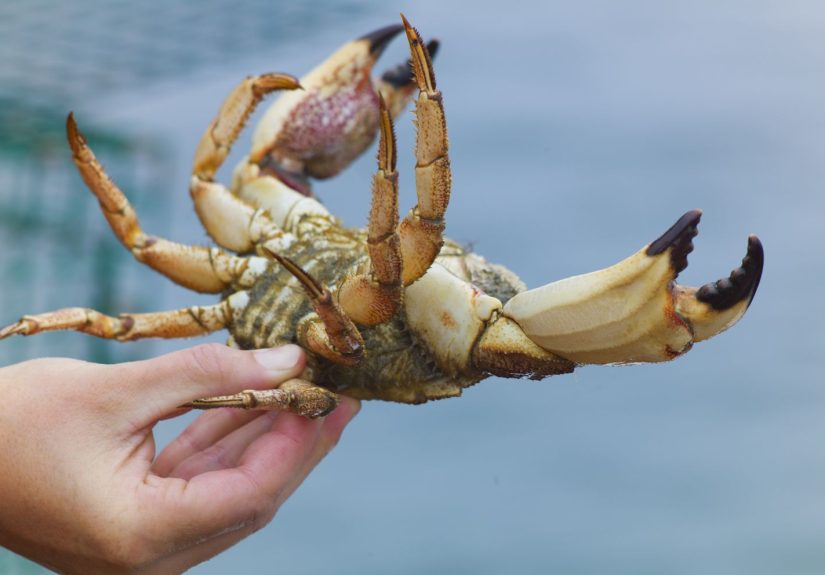
Peekytoe crab typically refers to Atlantic rock crab (Cancer irroratus)a smaller crab found along the North Atlantic coast and especially associated with Maine.
The meat is usually sold picked (removed from the shell) because the crabs don’t ship as well live, and picking is where the magic happens: you get clean, sweet crabmeat ready for salads, rolls, dips, and crab cakes.
Why the name “peekytoe” exists at all
The name is tied to Maine’s “Downeast” dialect and seafood marketing history. One commonly repeated explanation traces it to “picked toe” or “picket toe,” referencing the crab’s pointy, inward-curving “toes” (legs) and the fact that the meat is hand-picked.
A big part of the name’s staying power comes from Maine seafood marketers who helped turn a once-overlooked crab into a chef favorite.
What Species Is Peekytoe Crab?
The species you’re most likely eating
In practice, peekytoe crab is most commonly associated with Atlantic rock crab (Cancer irroratus), sometimes also called rock crab or sand crab.
It’s a nearshore craboften found in bays, rivers, and shallower coastal waterscompared with Jonah crab, which is typically larger and more offshore.
Why people sometimes confuse it with Jonah crab
You’ll sometimes see peekytoe described in the same breath as Jonah crab because both are “Cancer” crabs from the Northeast and both can show up in “Maine crabmeat” supply chains.
In everyday restaurant language, “peekytoe” tends to mean “that sweet, picked Maine crabmeat” more than it means “I hereby swear this is species X.”
When you’re buying, the most reliable clues are how it’s labeled (rock crab vs. Jonah crab), where it was harvested, and the texture of the meat.
What Does Peekytoe Crab Taste Like?
Peekytoe crab is prized for being sweet, clean, and gently brinywith a flavor that’s more “ocean breeze” than “ocean punch.”
The texture is usually firm but tender, with smaller flakes than jumbo lump blue crab and a refined, almost “buttery” finish when handled gently.
Peekytoe vs. Blue crab vs. Dungeness: the vibe check
- Peekytoe (rock crab): sweet, mild, delicate; great for light seasoning and bright citrus.
- Blue crab: richer, more assertive “crabby” flavor; iconic for heavy seasoning and classic crab cakes.
- Dungeness: sweet and hearty; often served in big sections with a more robust bite.
If blue crab is a loud, joyful beach party, peekytoe is a crisp linen shirt and a lemon wedge that knows what it’s doing.
Where Does Peekytoe Crab Come From?
Maine is the headline
Peekytoe crab is strongly associated with Maineparticularly the Gulf of Mainewhere rock crabs have long been part of coastal ecosystems and lobster-fishing life.
For years, rock crabs were treated as nuisance bycatch in lobster traps (aka “trap trash” in the not-so-affectionate fisherman vocabulary), until demand for picked meat climbed.
But it’s not only Maine
Atlantic rock crab range extends along the North Atlantic coast (and the supply chain can include neighboring regions).
Still, when people say “peekytoe,” they usually mean the Maine-style product: cooked, carefully picked, and sold for its sweetness and consistency.
Why Peekytoe Crab Became a Big Deal
Peekytoe crab’s rise is the perfect example of how food culture can “discover” something that was never actually newjust underestimated.
Once chefs started using it for bright, clean preparations (think crab rolls, crab salads, delicate pastas), the market followed.
A few key factors helped:
- Sweet, mild flavor that shines with minimal seasoning.
- Picked crabmeat convenienceno shell cracking required at the table.
- Restaurant-friendly consistency for salads, dips, and composed plates.
- Better use of bycatch from trap fisheries (when managed responsibly).
How Peekytoe Crab Is Sold
Most peekytoe is sold as picked meat
Because these crabs don’t ship as easily live, peekytoe is commonly sold as cooked, picked crabmeat.
You’ll typically find it in refrigerated tubs or containers, sometimes labeled “Maine crabmeat,” “rock crab meat,” or “peekytoe.”
Fresh vs. pasteurized
You may encounter:
- Fresh-picked refrigerated crabmeat: super flavorful, short shelf life, best for quick use.
- Pasteurized crabmeat: longer shelf life, still very useful, especially for dips and cakes.
Either way, treat crabmeat like the delicate ingredient it is: keep it cold, keep it clean, and don’t leave it hanging around on the counter while you “just check one more thing” on your phone.
Crab is not impressed by your multitasking.
How to Buy Peekytoe Crab (So You Don’t Pay Fancy Prices for Sad Crab)
Look for these quality clues
- Smell: clean and ocean-fresh, not fishy or sour.
- Texture: moist but not watery; flakes should be intact, not mushy.
- Labeling: “rock crab,” “peekytoe,” “Maine crabmeat,” or harvest/packing info is a good sign.
- Minimal liquid: too much liquid can mean the meat was handled roughly or is breaking down.
Common shopping questions
Is peekytoe always from Penobscot Bay? Historically, that association shows up often in discussions of “Maine peekytoe,” but today the market name can be used more broadlyso rely on labeling and supplier reputation.
Is it supposed to be cheap? Not usually. Picking crab is labor-intensive, and high-quality crabmeat is priced accordingly.
If you see a “too good to be true” deal, your crab might be trying to tell you something. (Probably: “Don’t.”)
How to Cook With Peekytoe Crab
The golden rule: don’t overcook it
If you’re buying picked crabmeat, it’s usually already cooked. That means your job is not “cook” so much as “warm through” or “fold into something delicious.”
Overheating makes crabmeat tough and dulllike turning a beautiful song into a ringtone.
Best ways to use peekytoe crab
- Crab roll: lightly dressed (mayo or warm butter), lemon, chives, a soft roll.
- Crab salad: citrus, herbs, celery crunch, maybe a little avocado for richness.
- Crab cakes: bind gently; let the crab be the star, not the breadcrumbs.
- Warm dip: cream cheese or crème fraîche base, mild spice, bake until just bubbly.
- Pasta: garlic, olive oil (or light cream), lemon zest, parsleyfold in crab at the end.
- Chowder or soup: add near the end so the meat stays tender.
A simple “show-off” preparation
- Toast a split-top bun with butter until golden.
- Toss peekytoe crabmeat with a tiny spoon of mayo (or warm butter), lemon juice, and chopped chives.
- Add a pinch of salt and a crack of pepperstop there.
- Fill the bun. Eat immediately. Consider texting someone you love: “I get it now.”
Nutrition and Food Safety Notes
Nutrition basics
Like most crab, peekytoe crabmeat is generally high in protein and relatively low in fat.
It also contributes important micronutrients commonly found in shellfish (such as vitamin B12 and minerals like selenium and zinc).
Exact nutrition varies by product and processingcheck the package for specifics if you’re tracking numbers closely.
Food safety reminders
- Keep it cold: Refrigerate promptly and follow the use-by date.
- Avoid cross-contamination: Separate cutting boards and utensils from raw foods.
- Allergies: Shellfish allergies can be seriousdon’t guess.
- Pregnancy/immunocompromised: Follow healthcare guidance; choose reputable, properly handled products.
Sustainability and Sourcing: What to Consider
Peekytoe crab often connects to trap fisheries (including lobster and crab pot fisheries), which can be a positive story when the resource is managed well and bycatch is minimized.
Still, sustainability isn’t one-size-fits-all: it depends on region, management, gear practices, and how well harvest is monitored.
Practical buyer tips:
- Buy from reputable seafood markets that can tell you where the crab was harvested and how it was handled.
- Prefer products labeled with clear harvest/processing information.
- When in doubt, ask: “Is this rock crab (peekytoe) or Jonah crab, and where was it caught?”
Peekytoe Crab Experiences: What It’s Like to Eat, Cook, and Serve
If you’ve never tried peekytoe crab, the first experience is usually surprisebecause it doesn’t behave like a “loud” seafood.
It’s more subtle, more sweet than salty, and it rewards restraint. Many people expect crab to announce itself like a marching band.
Peekytoe shows up like a jazz trio: smaller, tighter, and somehow cooler.
The most common “peekytoe moment” happens in a simple dish: a crab roll or a chilled crab salad.
You take a bite and notice the flavor doesn’t need help. The meat tastes clean and bright, like it’s been edited for clarity.
Instead of leaning on heavy seasoning, peekytoe plays best with lemon, gentle herbs, and a little fat (mayo, butter, or olive oil) to carry the sweetness.
That’s why it’s popular in restaurants: it’s consistent and elegant, and it doesn’t fight the plate.
Cooking with it at home often becomes a lesson in patiencespecifically, the patience to stop cooking.
Because picked peekytoe is typically already cooked, you don’t sauté it like raw shrimp.
You fold it in at the end, warm it briefly, or use it cold. People who love it tend to adopt a new kitchen mantra:
“Heat is a suggestion, not a lifestyle.”
One especially satisfying experience is using peekytoe in a quick pasta.
You make a simple basegarlic warmed in olive oil, a squeeze of lemon, maybe a spoon of pasta water for silkinessthen turn off the heat.
Only then do you fold in the crab so the flakes stay tender. The result feels like a restaurant dish, but it’s basically five ingredients and good judgment.
(Good judgment is the rarest ingredient, so congratulations in advance.)
Hosting with peekytoe is another level of fun because it looks impressive without requiring shell-cracking theatrics.
A chilled dip, a bright crab salad in endive leaves, or mini crab cakes can read as “I planned this” even if you pulled it together in 20 minutes.
The key experience here is confidence: peekytoe makes you feel like the kind of person who owns matching serving spoons.
Just remember the golden rulekeep it cold until serving, and don’t drown it in seasoning.
Let the crab do the talking, because it’s already saying something pretty charming.
Conclusion
Peekytoe crab is (usually) Atlantic rock crab meat turned into a prized ingredient: sweet, delicate, and ready to shine in simple dishes.
It earned its reputation by being the opposite of fussypicked, clean, and easy to usewhile still tasting special enough for high-end menus.
Buy it from a trusted source, treat it gently, and keep the seasoning light.
Do that, and peekytoe will reward you with the kind of seafood flavor that makes you wonder why you ever worked so hard cracking shells.