Table of Contents >> Show >> Hide
- What “Designer Series 36-inch cooktop” really means
- Quick spec snapshot (typical Viking Designer 36" gas cooktop configuration)
- Burner layout: the real reason people buy this cooktop
- Sealed burners: less mess where it matters
- Controls and ignition: the feel of a “real” cooktop
- Installation reality check: measure twice, remodel once
- Ventilation: the “invisible feature” that changes everything
- How it performs in everyday cooking (with specific examples)
- Cleaning and care: keep it gorgeous without making it a second job
- How it stacks up against other 36-inch options (and even other Vikings)
- Who should buy the Viking Designer Series 36-inch cooktop?
- Conclusion: the upgrade that makes cooking feel easier
- Real-world experiences (what people tend to notice after living with a Viking 36" Designer Series cooktop)
- SEO tags (JSON)
If your kitchen had a “main character,” a 36-inch cooktop would be the one walking in slow motion while the cabinet doors
gently close behind it. The Viking Designer Series 36 in. cooktop is built for people who cook often, cook confidently,
and occasionally cook with the emotional intensity of a Food Network finale (even if dinner is just eggs).
In plain English: this is a premium, built-in gas cooktop designed to deliver strong heat, reliable control, and a
clean, professional look without forcing you into a full range replacement. It’s the kind of upgrade that makes a
weeknight stir-fry feel slightly more heroicand makes your old cooktop quietly pack its bags.
What “Designer Series 36-inch cooktop” really means
Viking’s “Designer” line has traditionally targeted homeowners who want high performance and a polished built-in
aestheticwithout going full restaurant-kitchen cosplay. The 36-inch width is a sweet spot: wide enough for
multiple pots and pans at once, but still compatible with many standard countertop layouts.
Most Viking Designer Series 36-inch gas cooktops you’ll see in the wild are drop-in units with sealed burners and
a stainless steel surface. Specific features can vary by model year and exact model number, so the smartest move is
to confirm details against the listing or spec sheet for the unit you’re buying (especially if it’s a closeout or
older stock).
Quick spec snapshot (typical Viking Designer 36″ gas cooktop configuration)
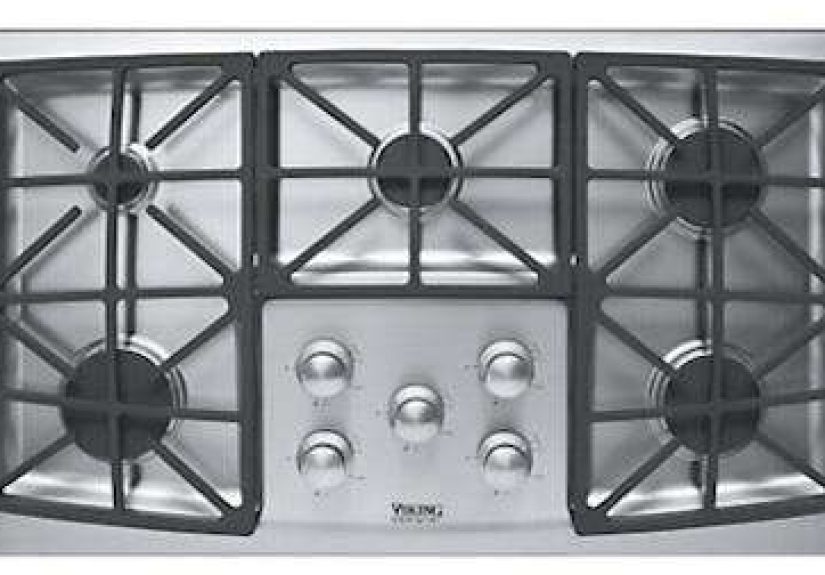
Below is a practical snapshot of the common 5-burner layout found on many Viking Designer Series 36-inch cooktops.
Think of it as your “what can this do on Tuesday night?” checklist.
| Spec category | What you can expect | Why it matters |
|---|---|---|
| Size | 36-inch class (about 36 3/4″ wide overall) | More room for multitasking and larger cookware |
| Burners | 5 sealed burners | Sealed design helps keep spills from entering burner box |
| Heat range | High-output power burner + lower simmer burner | Sear, boil, sauté, and gently melt without drama |
| Surface | Stainless steel top with durable burner components | Built-in look, easier wipe-down, premium feel |
| Controls | Front/side knobs (varies by model) | Classic gas control, fast adjustments |
| Fuel | Natural gas; LP conversion supported (kit included or optional) | Flexibility for different homes and installations |
Burner layout: the real reason people buy this cooktop
The best thing about a high-end cooktop isn’t that it can boil water. (Even a bargain hot plate can do that, eventually.)
It’s how predictable the heat feelsand how much control you have when you’re juggling multiple dishes.
A common 5-burner heat map (and how to use it)
A typical Viking Designer Series 36-inch 5-burner configuration includes:
- One high-output burner (great for rapid boiling, searing, wok-style cooking)
- Two strong “workhorse” burners for everyday sautéing and simmer-to-boil flexibility
- Two medium burners that handle sauces, sides, and “I need one more pot” moments
- At least one low/simmer-capable burner for delicate tasks (chocolate, butter, gentle reductions)
Here’s an example of how that translates to real cooking:
- Pasta night: Use the power burner for the stockpot, a medium burner for sauce, and another for garlic bread toppings.
- Breakfast chaos (the good kind): Eggs on medium, bacon on higher heat, coffee kettle on the power burner.
- Low-and-slow win: Keep a burner on a gentle simmer for a stew or sauce while the others do the heavy lifting.
Sealed burners: less mess where it matters
Sealed burners are the unsung heroes of sanity. When your sauce bubbles over (because it always does right when you turn your
back), sealed designs help keep spills from disappearing into the burner box like a magic trick you didn’t ask for.
That generally means easier cleanup and fewer “why does my kitchen smell like last week?” mysteries.
Many Viking Designer Series cooktops also use durable burner components and caps designed to handle frequent cooking.
Translation: they’re made for real kitchens, not just for people who keep cookbooks purely as décor.
Controls and ignition: the feel of a “real” cooktop
Gas cooking is popular for a reason: you see the flame, you adjust the heat instantly, and you can do everything from
blistering a skillet to barely warming a sauce. Viking’s approach typically leans into classic knob controlsolid,
direct, and familiar.
What to look for
- Knob action: A sturdy “push/turn” feel can add safety and reduce accidental activation.
- Ignition reliability: Electronic ignition is standard; some Viking lines also include automatic re-ignition features on certain models.
- Flame consistency: A stable, even flame matters more than bragging-rights BTU numbers.
Installation reality check: measure twice, remodel once
A 36-inch cooktop upgrade can be wonderfully straightforwardif the cutout and utilities cooperate. Before you fall
in love with the idea, do three quick things: measure your existing cutout, confirm gas/electrical access, and plan ventilation.
(Your smoke alarm will thank you with fewer surprise concerts.)
Cutout and overall dimensions
Many Viking Designer Series 36-inch units are designed to fit common 36-inch countertop cutouts, but exact requirements
vary by model. It’s common to see overall width around 36 3/4″ and cutout width around the mid-34″ to 35″ range.
Always match your model’s spec sheet to your countertop openingespecially if you’re replacing a different brand.
Gas and electrical basics
- Gas supply: Typical installations use a standard residential gas supply line size (often 1/2″ ID service line).
- Electrical: Even gas cooktops usually need electricity for ignition (often 120V/60Hz with a grounded plug).
- LP vs. natural gas: Some units ship for natural gas and support propane conversion using a kit (included or purchased separately depending on model/series).
Ventilation: the “invisible feature” that changes everything
High-performance gas cooking produces heat, moisture, odors, and combustion byproducts. That’s not a scare tactic
it’s just physics. Good ventilation helps keep your kitchen comfortable and helps reduce lingering smoke and grease.
Picking a hood: simple rules that actually help
- Width: A hood should generally be at least as wide as the cooktop (36″ hood for a 36″ cooktop).
- Airflow (CFM): Higher total burner output typically benefits from more airflow, especially if you cook on high heat often.
- Real kitchens need real ducting: Straight, smooth duct runs usually perform better than long twisty adventures through the attic.
If you’re upgrading to a premium cooktop, upgrading ventilation at the same time is one of the best “invisible” quality-of-life
improvements you can make. Your cabinets stay cleaner, your kitchen smells fresher, and you won’t feel like you need to open
every window just because you seared a steak.
How it performs in everyday cooking (with specific examples)
Performance is more than “big flame go brrr.” It’s about control, recovery, and how evenly your cookware heats on the grate.
Here are a few practical ways a 36-inch Viking Designer Series cooktop tends to shine:
1) Fast boiling without monopolizing your whole cooktop
A high-output burner brings water to a boil quicklyuseful when you’re cooking pasta, blanching vegetables, or making stock.
On a 36-inch surface, you can do that while still running a sauce and a side without playing pan Tetris.
2) Searing and sautéing with quick heat recovery
When you drop cold food into a hot pan, the temperature dips. Better burners and solid grates help you recover faster.
That means better browning, less steaming, and fewer “why is my chicken sad?” moments.
3) Low simmer that doesn’t bully delicate sauces
The ability to maintain a gentle simmer matters if you cook often. Think: melting chocolate without scorching,
keeping soup warm, or reducing sauce slowly while you pretend you’re “just casually” making dinner.
Cleaning and care: keep it gorgeous without making it a second job
Premium cooktops aren’t high-maintenance divasbut they do appreciate a little routine. The good news: most of the time,
cleaning is about consistency, not intensity.
Daily (2 minutes, max)
- Let the surface cool completely.
- Wipe with a soft cloth and mild soap solution.
- Dry the stainless surface to reduce streaks.
Weekly (the “reset” clean)
- Remove grates and burner caps once cool.
- Wash removable parts as recommended for their finish/material.
- Clean around burner bases carefully; avoid flooding ignition areas with water.
- Reassemble fully dry parts before cooking again.
Pro tip: treat cast-iron like cast-iron
If your grates are uncoated cast iron, avoid long soaks that can lead to rust. A quick scrub, thorough drying,
and a light film of oil can help maintain the finish. If your grates are coated, you typically have more flexibility
but always follow the manual for your specific model.
How it stacks up against other 36-inch options (and even other Vikings)
Viking sits in the premium category, and your real “competition” is often other high-end brandsor other Viking series.
Here’s how to think about it without spiraling into 47 open tabs and a headache:
Designer Series vs. newer Viking gas cooktop lines
- Designer Series: Built-in style with strong performance and practical features like sealed burners.
- Viking 3 Series / 5 Series gas cooktops: Often add modern refinements (depending on model), including branded ignition features and different burner layouts.
Gas vs. induction (the honest take)
If you love visible flame control, already have gas, and do a lot of high-heat cooking, gas is still a favorite.
If you want faster boiling, easier wipe-down, and cooler kitchens, induction can be a strong alternative.
Your cookware and electrical capacity will be the deciding factors.
Who should buy the Viking Designer Series 36-inch cooktop?
This cooktop is a great fit if you:
- Cook most nights and want dependable heat control
- Need room for multiple pans at once (family meals, entertaining, batch cooking)
- Want a built-in, premium look that complements a kitchen remodel
- Prefer sealed burners for easier spill management
You might want to reconsider if you:
- Rarely cook on the stovetop and won’t use the extra performance
- Have limited ventilation options and frequently cook at high heat
- Need ultra-low simmer precision for specialty pastry work every day (induction can be compelling here)
- Don’t want to confirm cutout sizing and utility requirements (measurements matter a lot)
Conclusion: the upgrade that makes cooking feel easier
The Viking Designer Series 36 in. cooktop is built for serious home cooking without turning your kitchen into a science project.
You get a wider surface for multitasking, strong burner performance, sealed-burner practicality, and a premium built-in look that
works beautifully in remodels.
The biggest wins come from matching the cooktop to your space: confirm cutout dimensions, plan ventilation, and make sure the gas
and electrical setup is ready. Do that, and this cooktop doesn’t just cook dinnerit makes your whole kitchen workflow feel smoother.
Real-world experiences (what people tend to notice after living with a Viking 36″ Designer Series cooktop)
In day-to-day use, a premium cooktop becomes less about “features” and more about how it behaves when life is busy. One of the first
things many homeowners notice is the simple luxury of space. On a 36-inch surface, you can run a large pot, a skillet, and a saucepan
at the same time without handles colliding like bumper cars. That sounds smalluntil you’re making pasta, sautéing vegetables, and
warming sauce while someone asks where the Parmesan is (it’s always the Parmesan).
Another common experience is how quickly you stop thinking about heat. With a strong power burner, boiling water or building a hard
sear becomes routine instead of a waiting game. People who cook frequently tend to love that “quick response” feeling: you turn the knob,
the flame reacts, the pan catches up, and the food behaves. That responsiveness can make cooking feel calmer because you’re not constantly
over-correcting. You’ll also likely develop favorite-burner habits: one burner becomes the “pasta champion,” another becomes the “egg zone,”
and the low burner becomes the quiet hero for keeping sauces warm while you handle everything else.
Cleanup experiences are usually split into two camps: “this is easier than my old one” and “I should’ve wiped it sooner.” Sealed burners
generally help with spill control, which means fewer messes sneaking into hard-to-reach areas. At the same time, heavier grates and burner
components can encourage a smarter approach: quick wipe-downs after cooking, and a deeper clean once a week. People who keep a microfiber
cloth nearby often report the cooktop stays looking sharp with surprisingly little effort. People who don’t… tend to meet the consequences
during the next big cooking weekend.
Installation experiences often come down to preparation. When the cutout dimensions match and utilities are where they should be, the
process is relatively straightforward for a qualified installer. When the opening is slightly off, or the electrical outlet is inconveniently
placed, it can turn into a “tiny remodel” (the kind that starts with “it’ll be quick” and ends with a hardware store receipt that looks like
a short novel). Homeowners who measure carefully beforehand and confirm the gas type (natural gas vs. propane conversion needs) tend to have
smoother installs and fewer surprises.
Finally, ventilation becomes a noticeable quality-of-life factor. People moving up to higher-output gas cooking often describe a moment of
revelation: the first time they use a properly sized hood, the kitchen stays clearer, less greasy, and more comfortable. The cooktop’s
performance is a joybut pairing it with the right ventilation is what keeps that joy from being interrupted by a smoky kitchen and a
very enthusiastic smoke alarm. In other words: the best “experience upgrade” isn’t always another feature on the cooktopit’s the environment
you build around it.