Table of Contents >> Show >> Hide
- The 3 Rules That Make Vegetable Recipes Taste Like You Meant It
- Roasting: The Sheet-Pan Legends (Easy Vegetable Recipes That Win Every Time)
- Stir-Fry & Sauté: Fast Vegetable Recipes for Busy Nights
- Grilling & Charring: Vegetable Recipes With Big Summer Energy
- Blanching: The Secret Step for Bright, Crisp Veggies
- Soups, Stews & Saucy Things (Vegetable Recipes That Feel Like a Hug)
- Make-Ahead Vegetable Recipes for Real Life
- Vegetable Flavor Map: Mix-and-Match Seasoning Combos
- Common Vegetable Recipe Problems (and Quick Fixes)
- My Vegetable Recipe Experiences (The Honest 500-Word Version)
- Conclusion
Vegetables have an image problem. Not because they’re “boring,” but because they’ve been introduced to us in the least flattering way possible: sad steamed broccoli, under-salted green beans, and carrots that taste like they’ve been through something. The good news? Vegetables are basically flavor sponges with excellent PR potentialif you give them heat, space, and a little seasoning strategy.
This guide is a big, practical roundup of vegetable recipes and techniques you can actually use on a weeknight. You’ll get go-to formulas (roast, stir-fry, sauté, grill, blanch-and-finish), plus specific recipe ideas with clear steps, smart swaps, and “save your dinner” fixes when things go sideways.
The 3 Rules That Make Vegetable Recipes Taste Like You Meant It
1) High heat is your best friend (most of the time)
If you want vegetables to taste sweet, nutty, and a little dramaticinstead of watery and apologeticuse high heat. Roasting, charring, and quick stir-frying pull out natural sugars and create browning (a.k.a. the reason restaurants make vegetables taste unfairly good).
2) Space = crisp edges
Crowded veggies don’t roast; they steam. Give them room on the pan so moisture can escape and browning can happen. If your sheet pan looks like a vegetable traffic jam, use two pans. Yes, that’s “more dishes,” but it’s also “more flavor.”
3) Salt at the right time
Salt brings flavor, but it also pulls out moisture. For sautéing and stir-frying, salting too early can turn your pan into a steam room. For roasting, you can salt earlier, but finish with a final pinch at the end to make flavors pop.
Roasting: The Sheet-Pan Legends (Easy Vegetable Recipes That Win Every Time)
Roasting is the closest thing to a cheat code: chop, oil, season, blast with heat, and suddenly cauliflower tastes like it has a podcast and a book deal. Use these as sides, toss into bowls and salads, or turn them into mains with grains, beans, eggs, or cheese.
Recipe 1: The “Everything” Roasted Vegetable Tray (Your Default Setting)
Best for: bell peppers, onions, zucchini, broccoli, cauliflower, carrots, Brussels sprouts, mushrooms, sweet potatoes
- Oven: 425°F
- Cut: keep pieces similar in size (smaller = faster, bigger = less risk of drying out)
- Seasoning: olive oil, salt, pepper + one of the flavor combos below
- Heat oven to 425°F. Put your sheet pan in the oven while it heats if you want extra browning.
- Toss chopped vegetables with oil (enough to lightly coat), salt, and pepper.
- Spread in a single layer. No overlapping like you’re stacking T-shirts in a drawer.
- Roast 20–35 minutes, flipping once halfway, until tender with browned edges.
- Finish with lemon juice or vinegar, a final pinch of salt, and herbs if you have them.
Pro move: Roast “hard” vegetables (carrots, potatoes, squash) first for ~10 minutes, then add quick-cooking vegetables (broccoli, peppers, onions).
Recipe 2: Sweet-Tangy Meal-Prep Sheet-Pan Veggies
Think “big batch vegetables” you can repurpose all week: grain bowls, salads, wraps, omelets, or tossed into pasta.
- Veg: sweet potato cubes, Brussels sprouts halves, broccoli florets
- Glaze: honey + red wine vinegar (or apple cider vinegar) + Dijon + salt + pepper
- Roast vegetables at 425°F until tender and browned (about 25–35 minutes depending on cut size).
- Whisk glaze ingredients and toss with hot vegetables.
- Store in the fridge. Reheat in a skillet to revive crisp edges.
Recipe 3: Crispy Cauliflower “Main Character” Roast
If you’ve ever eaten pale cauliflower and thought, “Wow, this tastes like a printer manual,” this fixes that.
- Heat oven to 425°F. Place the rack in the lower third of the oven.
- Toss cauliflower florets with oil, salt, pepper, and (optional) smoked paprika.
- Roast until deeply browned, 20–30 minutes, flipping once.
- Finish with capers + Parmesan, or lemon + chili flakes, or tahini + garlic + salt.
Recipe 4: Roasted Winter Vegetables (Cozy, Caramelized, Low Effort)
Veg: carrots, parsnips, sweet potato, butternut squash (or whatever looks sturdy and wintery)
- Cut into 1 to 1¼-inch chunks (they shrink while roasting).
- Roast at 425°F for 25–35 minutes, turning once.
- Finish with parsley, thyme, or rosemaryplus a splash of balsamic if you want extra “wow.”
Stir-Fry & Sauté: Fast Vegetable Recipes for Busy Nights
Stir-frying and sautéing are perfect when you need vegetables in under 15 minutes. The key is heat + a not-crowded pan + adding vegetables in the right order.
Recipe 5: 12-Minute “Clean Out the Fridge” Stir-Fry
Best for: broccoli, snap peas, bell peppers, mushrooms, carrots, cabbage, zucchini
- Make a quick sauce: soy sauce + a little honey (or sugar) + rice vinegar + garlic + (optional) sesame oil.
- Heat a large skillet or wok over medium-high to high heat. Add oil.
- Add hard vegetables first (carrots, broccoli stems). Cook 2–3 minutes.
- Add medium vegetables (broccoli florets, peppers, mushrooms). Cook 3–4 minutes.
- Add quick vegetables (snap peas, spinach, scallions). Cook 1–2 minutes.
- Pour in sauce and toss until glossy. Serve over rice or noodles, or top with a fried egg.
Don’t crowd the pan. If everything turns watery, you used too much veg for your skillet. Cook in two batches and combine at the end.
Recipe 6: Garlicky Green Beans (Blistered, Not Limp)
- Heat a skillet with oil over medium-high heat.
- Add trimmed green beans. Let them blister a bitstir, but not constantly.
- Add sliced garlic near the end so it doesn’t burn.
- Finish with a splash of lemon juice or a pinch of red pepper flakes.
Recipe 7: Weeknight Sautéed Greens That Don’t Taste “Healthy”
Best for: spinach, kale, Swiss chard, bok choy
- Wash greens and dry them well (wet greens = splatter city and steaming).
- Sauté sliced garlic in oil for 20–30 seconds.
- Add greens and toss until wilted. Season near the end.
- Finish with: lemon zest, Parmesan, or a spoonful of chili crisp.
Grilling & Charring: Vegetable Recipes With Big Summer Energy
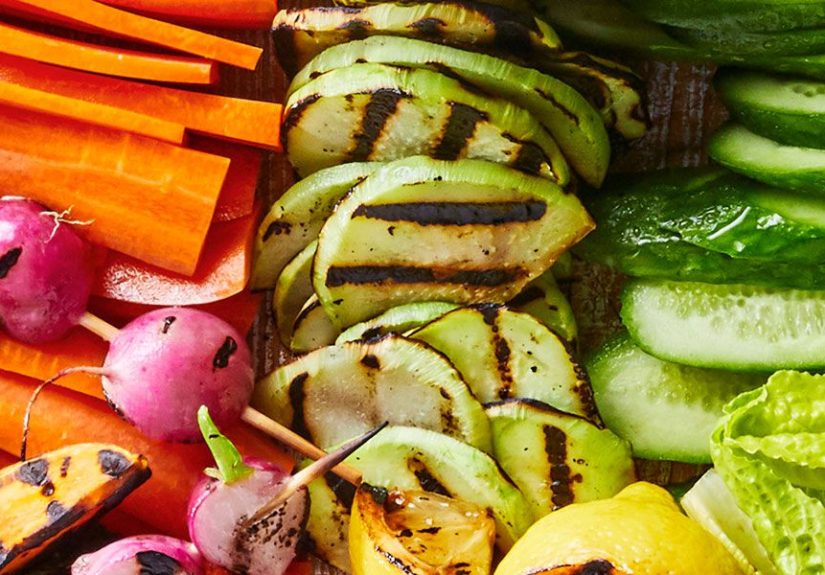
Grilling vegetables gives you smoky flavor with very little work. You can grill sliced vegetables, or go bold and grill whole vegetables when you want maximum “how is this so good?” vibes.
Recipe 8: Whole-Grilled Vegetable “Centerpiece”
Great options: eggplant, cauliflower, beets (wrapped in foil), sweet potatoes (foil), large onions
- Heat grill to medium-high. Oil the grates.
- Place the vegetable directly on the grill (or foil for beets/potatoes).
- Turn occasionally until tender. (Cauliflower takes longer; eggplant softens faster.)
- Slice and dress with olive oil + lemon + salt, or a herby yogurt sauce.
Recipe 9: Charred Broccoli Skillet Salad (Indoor “Grilled” Flavor)
- Heat a cast-iron skillet until very hot.
- Add broccoli florets (you can start dry for char, then add a little oil later).
- Once charred and crisp-tender, toss with oil, lemon, and salty add-ons like olives or feta.
Blanching: The Secret Step for Bright, Crisp Veggies
Blanching is a quick dip in boiling water followed by an ice bath. It sets color, keeps texture snappy, and makes finishing (roasting, sautéing, adding to soups) faster and more predictable.
Recipe 10: Blanch-&-Finish Broccoli (Weeknight Power Move)
- Boil salted water. Add broccoli florets for 1–2 minutes until bright green.
- Transfer to ice water to stop cooking. Drain well.
- Finish by sautéing in garlic oil, or roasting quickly at high heat for crispy edges.
Soups, Stews & Saucy Things (Vegetable Recipes That Feel Like a Hug)
Recipe 11: Roasted Vegetable Soup (Blender Magic)
Roast whatever you have (carrots + onions + cauliflower is a great base), then blend with broth. The roasting adds depth, so your soup tastes like it simmered all day… even if it absolutely did not.
- Roast vegetables at 425°F until browned and tender.
- Add to a pot with broth and simmer 10 minutes.
- Blend until smooth. Add salt, pepper, and a splash of cream or coconut milk if desired.
Recipe 12: One-Pan Creamy Chickpeas With Spinach (Vegetable-Forward Main)
Sauté aromatics, add chickpeas, stir in a spicy condiment (like harissa), then finish with coconut milk or cream and a big handful of spinach. Serve with rice, pita, or a baked potato. This is the kind of dinner that makes you feel like you have your life together.
Make-Ahead Vegetable Recipes for Real Life
Batch-Roast + Re-Use (5 easy ways)
- Grain bowl: roasted veg + quinoa + chickpeas + lemon-tahini sauce
- Salad upgrade: roasted veg over greens + feta + toasted nuts
- Breakfast: warm roasted veg + scrambled eggs or tofu
- Pasta: roasted veg + olive oil + Parmesan (or goat cheese)
- Soup shortcut: blend roasted veg with broth for instant soup
Vegetable Flavor Map: Mix-and-Match Seasoning Combos
Use these combos across roasted vegetables, sautéed greens, and stir-fries. Start small, taste, and adjust.
- Lemony Mediterranean: lemon + garlic + oregano + olive oil
- Smoky BBQ-ish: smoked paprika + cumin + black pepper + a tiny bit of brown sugar
- Spicy-Savory: chili flakes + soy sauce + sesame oil + scallions
- Cozy Roasty: rosemary + thyme + garlic + butter/olive oil
- Tangy Finish: balsamic or red wine vinegar + salt + cracked pepper
Common Vegetable Recipe Problems (and Quick Fixes)
“My roasted vegetables are pale and soft.”
- Turn up heat (425°F is a strong default), and make sure veggies have space.
- Try roasting on a bare, oiled tray for better browning.
- Move the pan to the lower third of the oven to encourage caramelization.
“My stir-fry is watery.”
- Your pan is overcrowded. Cook in batches.
- Pat vegetables dry after washing.
- Add sauce at the end so it coats instead of steams.
“My vegetables taste flat.”
- Add a finishing acid (lemon or vinegar) and a final pinch of salt.
- Try contrast: something crunchy (nuts), creamy (yogurt), or salty (Parmesan, olives).
My Vegetable Recipe Experiences (The Honest 500-Word Version)
I didn’t grow up thinking about “vegetable recipes.” Vegetables were simply “the green thing on the plate” that you ate quickly so you could move on to the part of dinner you actually liked. Then I became an adult and realized two things: (1) I probably shouldn’t live on pasta alone, and (2) vegetables weren’t the problem. My cooking method was the problem.
My first turning point was roasting. I had been steaming broccoli like it was a moral obligation. The day I roasted it at high heatoil, salt, pepper, nothing fancyand it came out browned and nutty, it felt like discovering a hidden level in a video game. I ate half the tray straight off the pan, standing at the counter, “testing for doneness” in a way that was absolutely not scientific.
Next came the “space on the pan” lesson. I used to cram every vegetable I owned onto one sheet pan, like I was trying to win a Tetris championship. The result was always the same: soft vegetables that tasted fine, but never great. Once I started using two pansor roasting in stageseverything improved. It was annoying for exactly five minutes, and then I realized I was trading one extra pan for vegetables I actually wanted to eat. Worth it.
Meal prep sealed the deal. I started roasting big batches of sweet potatoes, Brussels sprouts, and broccoli on Sunday, then using them in different ways all week: tossed into a grain bowl with chickpeas and tahini, tucked into a wrap with hummus, thrown into an omelet, or reheated in a skillet to bring back crispy edges. The best part wasn’t just saving timeit was removing the “what do I do with vegetables?” decision at 6:45 p.m. (That decision is where takeout apps thrive.)
I also learned to love vegetables more when I stopped forcing them to be something they’re not. Zucchini doesn’t need to pretend it’s pasta every day. Cauliflower doesn’t have to replace rice at every meal. Sometimes the best vegetable recipe is just a vegetable cooked well, seasoned confidently, and finished with something bright: lemon, vinegar, herbs, a little cheese. When I cook vegetables like I actually want them to taste goodhigh heat, bold flavor, and a final “make it pop” momentI end up eating more of them without trying.
These days, vegetables are less of a chore and more of a running experiment: What happens if I char broccoli harder? What if I add capers? What if I finish roasted carrots with hot honey? That playful mindset is the real secret. Vegetable recipes get easier when you stop treating vegetables like homework and start treating them like the main event.
Conclusion
Great vegetable recipes aren’t about complicated ingredientsthey’re about technique, timing, and finishing touches. Roast with space and high heat for caramelization, stir-fry fast without crowding, blanch for color and crunch, and don’t forget the final splash of acid and pinch of salt. Do that, and vegetables go from “side obligation” to “can we make more of these?”