Table of Contents >> Show >> Hide
- Why Improvised Storage Is Trending
- The Core Rules of Improvised Storage
- Improvised Storage Ideas Room by Room
- The Best Materials and Pieces for This Trend
- How to Make Improvised Storage Look Intentional
- Common Mistakes to Avoid
- Why This Trend Has Staying Power
- Experience: What Improvised Storage Looks Like in Real Life
- Conclusion
Improvised storage is having a moment, and honestly, it deserves the spotlight. Not everyone has a walk-in pantry, a custom mudroom, or the kind of linen closet that looks like it was designed by a very calm person with matching baskets and unlimited square footage. Real homes are a little messier, a little more lived-in, and a lot more creative. That is exactly why improvised storage feels so relevant right now.
At its core, improvised storage is the art of making your home work harder with what you already have, what you can easily add, or what you can cleverly repurpose. It is not about making your home look like a container showroom where every paper clip has a labeled throne. It is about spotting unused wall space, awkward gaps, forgotten under-bed areas, old boxes, vintage tins, baskets, hooks, rolling carts, and furniture with secret compartments, then turning them into functional heroes.
That is why this trend is taking off on design-forward organization platforms like The Organized Home. Improvised storage hits the sweet spot between practicality and personality. It saves space, reduces clutter, and often looks better than a one-size-fits-all solution. In other words, it is storage with brains, charm, and just a hint of “look at me, I outsmarted my apartment.”
Why Improvised Storage Is Trending
The appeal is easy to understand. More people are trying to do more with the space they already have. Whether you live in a compact apartment, a family home with too many backpacks, or a house where the kitchen somehow attracts both clutter and mystery lids, storage has become less about buying more furniture and more about using space more intelligently.
Improvised storage also aligns with how people actually live. Instead of waiting for a perfect renovation, homeowners and renters are creating quick, flexible fixes. A rolling cart becomes a pantry extension. Vintage first-aid boxes become a medicine cabinet. A bench turns into hidden blanket storage. A basket under a console suddenly becomes the official home for dog leashes, reusable totes, and whatever else was previously living a wild and lawless life by the front door.
There is also a style factor. The modern organized home does not want to feel sterile. It wants warmth. It wants texture. It wants a little personality. That is why improvised storage often leans on wooden crates, woven baskets, trays, glass jars, wall hooks, and repurposed vintage pieces. These solutions keep clutter in check without making a home feel like it got audited by a label maker.
The Core Rules of Improvised Storage
1. Use the space you are ignoring
The best storage opportunities are often the ones hiding in plain sight. Think above doors, under beds, behind cabinet doors, beside the fridge, under benches, over the toilet, beneath open shelving, and in narrow spaces between furniture. Improvised storage begins with a shift in perspective. Instead of asking, “Where can I buy more storage?” ask, “What part of this room is doing absolutely nothing?”
2. Go vertical before you go shopping
Walls are prime real estate. Hooks, floating shelves, peg rails, magnetic strips, hanging baskets, and tall shelving units can multiply storage without eating floor space. Vertical storage is especially helpful in kitchens, bathrooms, laundry rooms, entryways, and bedrooms where every inch matters.
3. Make ordinary objects pull double duty
Improvised storage thrives on multitaskers. A stool can become a bedside table and book perch. A storage ottoman can hide games, blankets, or workout gear. A vintage toolbox can organize art supplies. A loaf pan can sort kitchen tools. Even berry containers and glass jars can become low-cost organizers for small items. The point is not to force random objects into service. It is to notice when an object already has the shape, durability, and access you need.
4. Keep storage visible enough to use
One of the sneakiest storage mistakes is creating a system so hidden that nobody uses it. Improvised storage works best when it is easy to access and easy to understand. Open baskets, shallow bins, trays, and clear containers often beat deep mystery boxes that turn every cleanup into an archaeological dig.
Improvised Storage Ideas Room by Room
Kitchen: The hardest-working room in the house
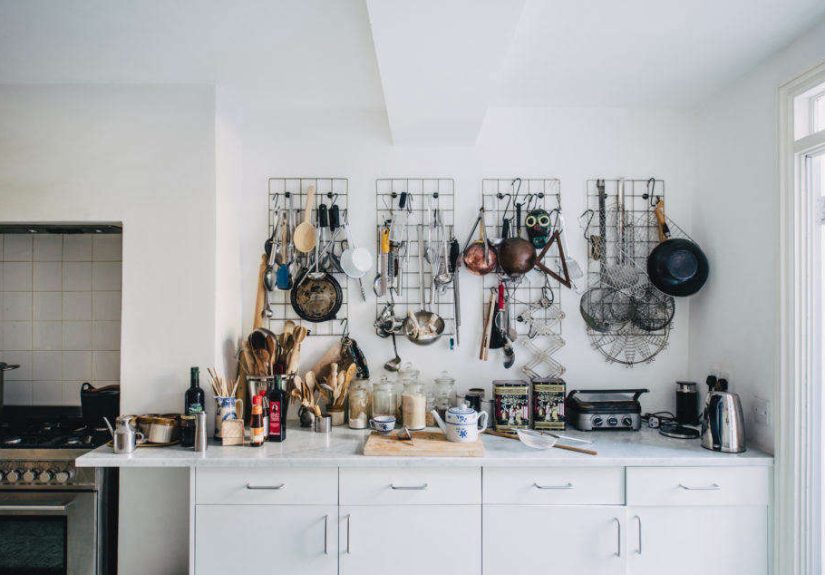
The kitchen is where storage dreams go to be tested. If drawer space is limited, look beyond traditional organizers. Counter crocks can hold utensils. Wall rails can hang mugs and tools. Trays can corral oils and spices. Slim rolling carts can turn that weird sliver beside the refrigerator into useful pantry storage. If upper cabinets are packed, use the insides of cabinet doors for wraps, cutting boards, or measuring spoons.
Improvised kitchen storage also benefits from repurposing. Loaf pans, shallow bowls, baskets, and jars can organize packets, produce, flatware, and baking odds and ends. Open shelving can work beautifully when grouped by function rather than by pure aesthetics. A shelf with matching canisters looks nice, sure, but a shelf that actually keeps breakfast items together is the real win before 8 a.m.
Bathroom: Tiny room, big expectations
Bathrooms rarely get the storage they deserve. That is why improvised fixes shine here. Wall-mounted boxes, narrow racks, over-the-toilet shelving, baskets beneath a pedestal sink, and bins inside vanity drawers can all create order without a major remodel. If you are short on cabinet space, a small stool or cart can hold extra towels and daily essentials while still looking intentional.
One of the smartest ideas in this category is using decorative boxes or vintage wall-mounted containers as a medicine-cabinet alternative. It adds charm while giving everyday items an actual home. That beats balancing cotton swabs, toothpaste, and backup soap on one exhausted sink ledge.
Bedroom: Calm is easier when the floor is visible
Bedrooms become more restful when storage is quiet, efficient, and mostly out of the way. Under-bed boxes are classic for a reason. They are ideal for extra linens, off-season clothing, and rarely used items. If the boxes are attractive enough, even better. Storage benches at the foot of the bed, nightstands with drawers, wall hooks for tomorrow’s outfit, and baskets on upper closet shelves all help reduce visual clutter.
Improvised bedroom storage is especially powerful in small homes. A slim rolling cart beside a dresser can hold beauty products or tech accessories. Suitcases can store seasonal items. Hooks behind the closet door can handle belts, bags, or robes. When every piece has a purpose, the room feels larger and far less chaotic.
Living room: Hide the mess without hiding your style
The living room often ends up holding everything that belongs everywhere else. That is why concealed storage matters here. Coffee tables with shelves, media consoles with baskets, sideboards, benches, and lidded trunks can all disguise daily clutter. Even a decorative bowl can become a landing pad for remotes and stray cords.
Improvised storage in the living room works best when it blends in. A handsome basket for throws, a low shelf filled with matching bins, or a cabinet repurposed from a vintage piece can feel curated rather than crammed. The goal is not to erase life. It is to stop life from spilling onto every available horizontal surface.
Entryway: The command center you did not know you needed
If clutter had a fan club, it would meet in the entryway. Shoes, keys, dog gear, bags, and jackets all want to pile up here. Improvised storage can restore order fast. Use a bench with cubbies, a tray for keys, a wall hook for each household member, and a basket for accessories. Even a single shelf with labeled bins can transform a chaotic drop zone into a functional landing strip.
The trick is to edit ruthlessly. Hooks are useful, but not when they hold seventeen scarves, four empty totes, and a jacket from a season that passed three months ago. Improvised storage is not permission to store everything at the door forever. It is a way to support the items you use every day.
The Best Materials and Pieces for This Trend
If you want to try improvised storage at home, focus on a handful of versatile materials and pieces:
- Woven baskets: Soft, stylish, and perfect for throws, toys, and miscellaneous household clutter.
- Wooden boxes or crates: Great for under-bed storage, pantry overflow, or stacking on shelves.
- Rolling carts: The MVP of awkward gaps, tiny bathrooms, and flexible storage zones.
- Wall hooks and rails: Ideal for entryways, kitchens, closets, and laundry rooms.
- Clear jars and bins: Helpful when you need visibility, especially for small items.
- Storage benches and ottomans: Excellent for rooms that need seating and hidden storage.
- Vintage containers: Charming, useful, and often sturdier than you would expect.
Together, these pieces support one of the biggest ideas behind the trend: your home does not need more random stuff, it needs smarter homes for the stuff you already own.
How to Make Improvised Storage Look Intentional
There is a fine line between “ingenious” and “why is there a potato basket full of batteries in the hallway?” The difference is usually presentation. To make improvised storage look deliberate, repeat materials where possible. Use similar baskets in one room. Choose a limited color palette. Group like items together. Give containers enough breathing room so they do not feel crammed.
Labels can help, but they are not mandatory. If your style is more relaxed, consistency matters more than perfection. A collection of wooden boxes, wire baskets, and neutral bins can still look cohesive without every single item being typed in twelve-point font. Sometimes the prettiest organizing move is simply not overdoing it.
Common Mistakes to Avoid
Improvised storage works best when it solves a real problem. Avoid adding organizers just because they look clever online. If a bin is too deep, a hook is overloaded, or a shelf is too high to reach comfortably, the system will fail. Another common mistake is skipping the decluttering step. No storage strategy, improvised or otherwise, can rescue a space that is trying to hold more than it reasonably should.
It is also smart to avoid solutions that create friction. If you need to move three baskets and kneel like you are proposing to your winter sweaters every time you want a sheet set, that setup is not working. The best improvised storage feels easy, flexible, and almost boring in its usefulness. That is a compliment.
Why This Trend Has Staying Power
Improvised storage is more than a temporary home trend. It reflects a broader shift toward resourcefulness, flexibility, and livable design. People want homes that function beautifully without requiring a full renovation budget. They want solutions that can evolve as life changes. They want storage that feels human.
That is why this trend resonates so strongly. It invites creativity instead of perfection. It lets renters think like designers. It allows homeowners to make progress room by room. And it proves that a thoughtful home is not built only with custom cabinetry and expensive systems. Sometimes it starts with a crate under the bed, a rail in the kitchen, or an old box on the bathroom wall that suddenly makes the whole room make sense.
Experience: What Improvised Storage Looks Like in Real Life
In real homes, improvised storage rarely begins with a grand plan. It usually starts with irritation. A family gets tired of backpacks collecting by the door. A renter gets fed up with skincare products colonizing the bathroom sink. Someone notices that the six-inch gap beside the washer is basically paying rent while contributing nothing. Then comes the breakthrough: a rolling cart, a couple of hooks, a repurposed basket, and suddenly the room starts behaving itself.
One of the most relatable experiences with improvised storage is the under-bed rescue mission. Nearly everyone has shoved things under a bed at some point, but there is a huge difference between hidden clutter and usable storage. The shift happens when random piles become contained zones. Linens go in one box, toiletries in another, gift wrap in a third. The same square footage is still there, but now it feels purposeful instead of mildly haunted.
Another common experience is realizing that the prettiest solution is not always the one you buy new. Some of the best storage ideas come from objects with history. An old toolbox can organize craft supplies better than a plastic caddy. A vintage first-aid box can hold bathroom essentials with more charm than a generic cabinet. A weathered wooden crate can tame shoe clutter in an entryway while adding texture and warmth. There is a satisfaction in giving an existing object a second career, especially when it solves a daily problem.
Improvised storage also changes the emotional tone of a home. When clutter is visible everywhere, even a nice room can feel stressful. But when small systems are added in the right places, the room begins to feel cooperative. That might sound dramatic for a basket, but anyone who has ever found their keys in the same tray three mornings in a row knows it is true. Tiny bits of order can make a home feel more generous, even when the square footage stays the same.
There is also something empowering about this approach. You do not have to wait for a renovation, a huge budget, or a mythical weekend when you suddenly become a different, more organized person. Improvised storage lets you start now. You can test an idea, live with it, and adjust. If the basket by the sofa becomes a catchall disaster, swap it for a lidded box. If the hook rail near the door becomes overloaded, remove half the items. The system can evolve because it is built around real habits, not fantasy habits.
Perhaps the biggest lesson from real-life experience is that storage should support the way you already move through your day. The best setup for dog leashes is by the door, not in a pretty bin across the house. The best place for extra dish towels is near the kitchen, not packed into a distant closet with formal napkins you touch twice a year. When storage follows behavior, organization becomes easier to maintain.
That is why improvised storage feels so fresh right now. It is realistic. It is creative. It is forgiving. And most importantly, it works. It turns overlooked spaces into useful ones, helps everyday objects earn their keep, and makes homes feel calmer without sanding off their personality. In a world full of expensive “must-have” organizing products, that kind of simple ingenuity feels less like a trend and more like common sense finally getting the spotlight.
Conclusion
Trending on The Organized Home, improvised storage is really about smarter living. It proves that you do not need a giant house or a custom closet system to feel organized. You need a clear eye, a little creativity, and a willingness to treat forgotten corners, everyday objects, and multifunctional furniture as opportunities. When you use vertical space, repurpose what you have, and design storage around your real routines, your home becomes easier to manage and far more enjoyable to live in.
In short, improvised storage is not a shortcut. It is a strategy. And for anyone craving a tidier, more functional home without draining their wallet or their personality, it may be the most useful trend in the house.